
- What is Ghugni?

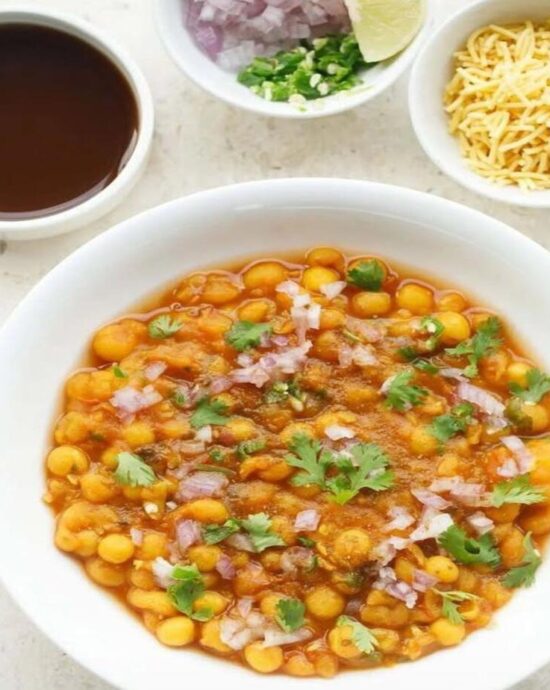
Chana or Ghugni is one of the Eastern Indian states’ very famous street foods and comfort dishes of the Eastern Indian states. It is made using dried yellow peas (white peas can be used), cooked in a lightly spicy onion-tomato-based gravy infused with fragrant Indian spices. It serves as a breakfast, an evening snack or a light meal. Often chopped onions, green chillies, coriander, lemon juice, and crispy sev or bhujia are added for garnish and taste
Ghugni, enjoyed throughout West Bengal, Odisha, Bihar, Jharkhand and Assam, can be eaten as a snack with bread, pav, puri, or just eaten standing on its own
- Regional Variations of Ghugni
Kolkata Street-Style Ghugni
The most widely available version is found across all of Kolkata, on the likes of side stalls and local markets. Cooked yellow peas are used and are fried along with onions, tomatoes, ginger, garlic and all of the other Bengali spices. The dish is finished with chopped onions, coriander, green chillies and fresh lemon added.
Taste Profile
Zingy, eluting, spicy, savoury
Why It Is Popular
Popular streetside snack - the Kolkata Ghugni is famous for its unique taste, smooth peas and chilled toppings. Ghugni is among the favourite streetwise snacks of the city.
Nutritional Highlights
Rich plant protein
Good fibre
Filling snack
Odia Ghugni
A milder version is normally cooked in Odisha using white peas blended with light seasonings and coconut.
Taste Profile
Light, mildly spicy, aromatic
Why It Is Popular
Its more even flavour and lighter seasoning have made it a popular breakfast and temple-style dish across Odisha.
Nutritional Highlights
High fibre
Good protein
Easily digestible
Bihari Ghugni
Prepared by using yellow peas and aged mustard oil with garlic, ginger, and strong spices.
Taste Profile
Hot, peppery, strong, heavy
Why It Is Popular
The pungent spices and mustard oil make a heavy meal for a couple of paratha, puri, or litti.
Nutritional Highlights
Rich protein
Energy-rich
Traditional spices
Assamese Ghugni
Made with fresh herbs, delicate spices and sometimes black chutney and with peas.
Taste Profile
Fresh, slightly spicy, healthy
Why It Is Popular
Furthermore, the ability to add herbs and local ingredients produces a healthy variation played by a variety of people at family and festive occasions.
Nutritional Highlights
Rich antioxidants
Fresh herbs
Balanced nutrition
Nutritional Value (Per Serving)
Nutritional Value
Calories: 240–320 kcal
Protein: 12–15 g
Carbohydrates: 35–42 g
Fat: 6–10 g
Fibre: 9–11 g
Iron: 3–4 mg
- Basic Ingredients Used
Dried Yellow Peas (Matar)
Quantity: 2 cups
Nutritional Value (100 g)
Calories: 341 kcal
Protein: 24 g
Fibre: 25 g
Nutritional Benefits
Excellent plant protein
High dietary fibre
Rich iron source
Onion
Quantity: 2 medium (finely chopped)
Nutritional Benefits
Rich antioxidants
Natural sweetness
Good fibre
Tomato
Quantity: 2 medium (finely chopped)
Nutritional Benefits
Vitamin C
Lycopene
Fresh flavour
Ginger
Quantity: 1 tablespoon (grated)
Nutritional Benefits
Supports digestion
Anti-inflammatory
Warm flavour
Garlic
Quantity: 5 cloves (finely chopped)
Nutritional Benefits
Natural antioxidants
Supports immunity
Rich aroma
Green Chillies
Quantity: 2 finely chopped
Nutritional Benefits
Vitamin C
Fresh heat
Antioxidants
Mustard Oil
Quantity: 2 tablespoons
Nutritional Benefits
Traditional flavour
Healthy fats
Rich aroma
Turmeric Powder
Quantity: ½ teaspoon
Nutritional Benefits
Anti-inflammatory
Natural colour
Rich antioxidants
Red Chilli Powder
Quantity: 1 teaspoon
Nutritional Benefits
Adds colour
Rich antioxidants
Coriander Powder
Quantity: 1 teaspoon
Nutritional Benefits
Digestive support
Earthy flavour
Cumin Powder
Quantity: 1 teaspoon
Nutritional Benefits
Supports digestion
Aromatic spice
Garam Masala
Quantity: ½ teaspoon
Nutritional Benefits
Rich aroma
Traditional flavour
Bay Leaf
Quantity: 1
Nutritional Benefits
Aromatic seasoning
Traditional flavour
Cumin Seeds
Quantity: 1 teaspoon
Nutritional Benefits
Digestive aid
Rich aroma
Salt
Quantity: To taste
Nutritional Benefits
Enhances flavour
Fresh Coriander
Quantity: ¼ cup chopped
Nutritional Benefits
Vitamin C
Fresh aroma
Antioxidants
Lemon
Quantity: 1 (cut into wedges)
Nutritional Benefits
Vitamin C
Fresh acidity
Improves flavour
Sev or Bhujia (Optional)
Quantity: ½ cup
Nutritional Benefits
Crunchy texture
Additional flavour
- Ingredient Tips
- Soak the dried peas overnight to reduce cooking time and produce a soft, creamy texture
- Cook the peas until tender but not mushy, so they retain their shape in the curry
- How to Make Ghugni
Soak and Cook the Peas
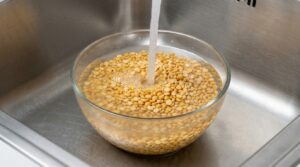
Wash the Yellow peas thoroughly, soak them overnight, then place them in a pressure cooker until soft.
Nutritional Benefits
Easy digestion.
High protein.
Improved soft texture
Prepare the Masala
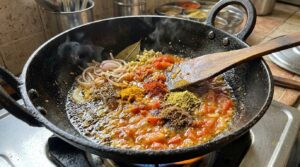
Sauté uncooked mustard oil and cumin seeds, bay leaf, onions, ginger, garlic, tomatoes and spices in the heat until fragrant.
Nutritional Benefits
Full of taste
The traditional uses of spices
Antioxidants
Add the Cooked Peas

Add the cooked peas to the masala and cook for a further 10–15 minutes.
Nutritional Benefits
Protein-filled meal.
Fibre-rich
Balanced diet
Garnish
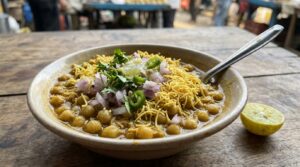
Serve topped with chopped onions, coriander, green chillies, lemon juice and optional sev.
Nutritional Benefits
Fresh herbs
More tablets
Improved texture
Serve Hot
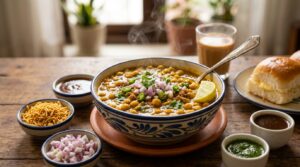
Serve while hot, taking your pick of whatever you fancy.
Nutritional Benefits
Maximum flavours
Hearty meal
- Why You'll Love This Recipe
Ghugni is a wholesome, protein-heavy, and full of comforting meal. It is cheap, so simple to make, naturally vegetarian and the perfect choice to have for breakfast, snacking or even for a light dinner.
Nutritional Advantages
High plant protein
Excellent dietary fibre
Rich iron content
Low cholesterol
Filling meal
- .Serving Suggestions
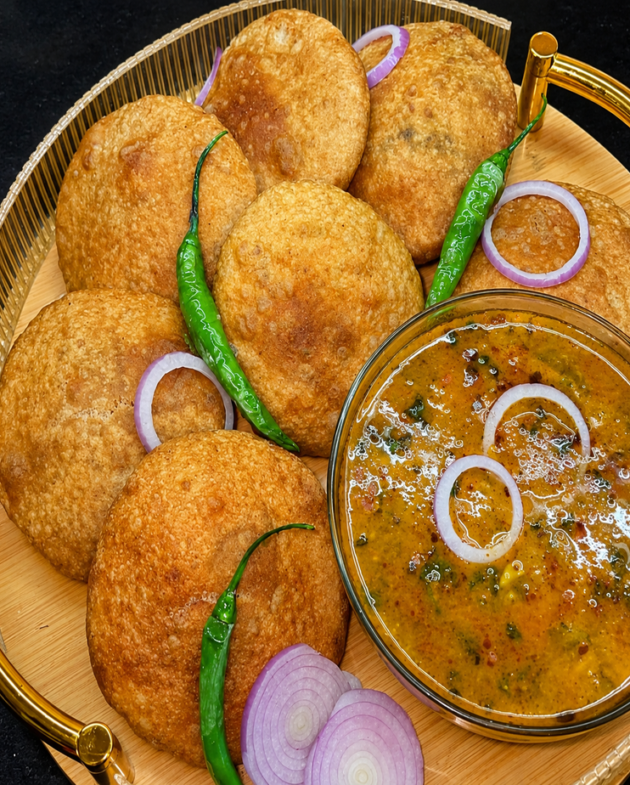
Luchi (Bengali Fried Bread): An all-time Kolkata combo that forms a perfect breakfast. The soft, light and puffed-up luchi complements the thick, spicy and flavorful curry very well.
Fresh Pav: Soft, spongy bread rolls soak up the tasty curry really well. Lightly toasted pav with a tiny bit of butter on top also enhances the taste and adds some crunch to the whole thing.
Puffed Rice (Muri): A quintessential Bengali street-food pairing that adds a crunch in every mouthful. The airy moro provides the perfect counterpoint to the hearty curry, and together they make for an utter marriage of taste and texture.
Sliced Cucumber and Onion Salad: The fresh vegetables contribute to balancing the richness of spices and add freshness to the meal. With the dash of lemon juice and pinch of chaat masala, they complement the curry‘s well-suited intense flavours.
- Expert Tips
Avoid Overcooking the Peas: Whole, firm, but soft peas deliver the best texture. Too long and the peas become soggy, detracting from the traditional consistency and appearance of the recipe.
Use Mustard Oil: Genuine Bengali Ghugni gains its characteristic taste from mustard oil. Toasting the oil until it nearly smokes before use helps to counter its pungency and boost its fragrance.
Allow the Curry to Rest: The flavour of the Ghugni gets a chance to deepen and develop by leaving it to stand for 10 minutes before serving.
Garnish Just Before Serving: Fresh onion, coriander, lemon juice and serve should be added just before service so they don‘t become limp. The garnish added at the last minute also improves the wonderful colour and flavour.
- Frequently Asked Questions (FAQs)
Q. Is the Ghugni made with yellow peas or white peas?
They are both conventional. Yellow peas are more fashionable in West Bengal, whereas native white peas seem to be more popular in Odisha.
Q. Is it possible to make Ghugni without the use of onion and garlic?
Yes. It is common to make single-day and fasting varieties without onion and garlic.
Q. Is Ghugni healthy?
Yes, it is a complete meal as it contains protein, fibre, iron and complex carbohydrates.
Q. Is Ghugni storable?
Yes. Will keep in the fridge for up to 2 days. Reheat gently before eating.
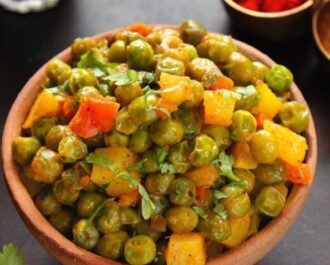
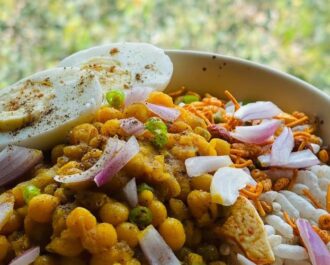
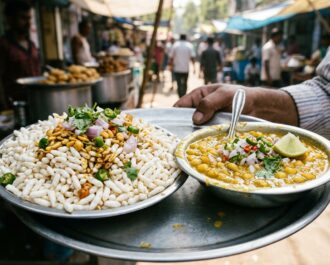
Ghugni, after all, is one of Eastern India‘s most hearty and flavorful comfort foods. No matter which recipe you prefer to make or eat (whether you like authentic Kolkata street style, the light Odia recipe, the hot Bihari style version or the aromatic Assamese menu), it is a bowl of hearty nutrition that satisfies the taste buds. Proteinic, affordable and utterly adaptable, Ghugni remains a signature food to every household and nook and corner street vendor of Eastern India

Anjali Raj Singh
I am a food writer and culinary content creator specializing in global cuisines, traditional recipes, food culture, and cooking techniques. Through extensive research and hands-on recipe analysis, I create accurate, informative, and engaging content that helps readers explore authentic dishes from around the world. My work covers recipe development, food history, ingredient guides, restaurant features, and culture-driven culinary stories.
At Foods Around the World, I focus on delivering well-researched, reader-friendly, and SEO-optimized content that reflects the traditions, flavors, and culinary heritage behind each dish. Every article is carefully reviewed for accuracy and relevance, ensuring readers can discover trusted recipes, cooking insights, and food experiences from diverse cultures worldwide.