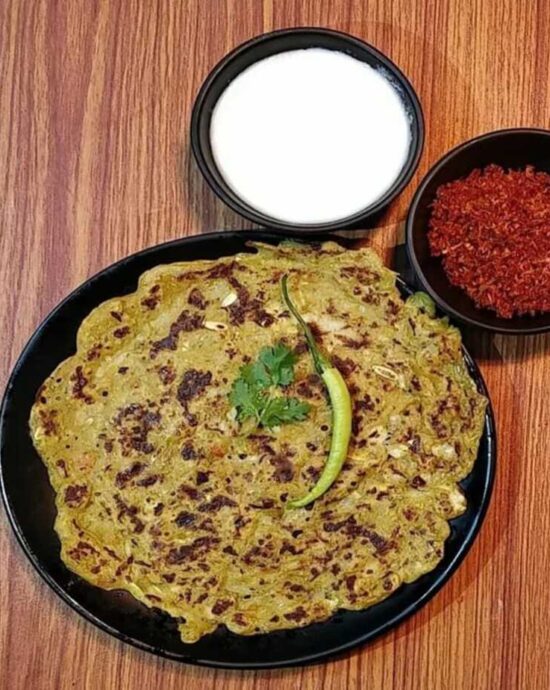

- What is Thaalipeeth?

Thaalipeeth is one of Maharashtra‘s most healthy traditional foods. It is made using a special blend of flour called Bhajani Flour. Bhajani Flour is a mixture of assorted grains, cereals, pulses and spices roasted and ground to make a nutritious Multigrain Flour. This is mixed with onions, coriander, green chillies, dry spices, etc., and prepared into a dough, which is shallow fried on a hot tawa to give a healthy Indian bread
A daily morning, lunch or evening snack, it is consumed all over Maharashtra with butter, yoghurt, pickle or home-made chutney. Due to its high nutrient content, hearty texture and homely rustic taste, it has been established as one of Maharashtra‘s traditional comfort foods
- Regional Variations of Thaalipeeth
Traditional Maharashtrian Thaalipeeth
Originally prepared with homemade Bhajani flour, onions, coriander and spices.
Taste Profile
Nutty, savoury, mildly spicy
Why It Is Popular
The combined grains in the multigrain flour give an interesting ‘earthy’ flavour along with a substantial, satisfying, and very nutritious flatbread.
Nutritional Highlights
Rich in dietary fibre
High plant protein
Long-lasting energy
Kolhapuri Spicy Thaalipeeth
Made: ready with a heat of Kolhapuri chilli powder, garlic and some additional spice.
Taste Profile
Use words that paint a picture of your product. Smoke, spicy, smelling, hollow, and pungent are all characteristics of strong, bold flavours in this category.
Why It Is Popular
What makes this dish one of the most popular dishes is its prominent spicy nature.
Nutritional Highlights
Rich spice profile
Fibre-rich grains
Filling meal
Vegetable Thaalipeeth
Prepared with grated carrots, bottle gourd, spinach, onions and coriander.
Taste Profile
Fresh, wholesome, mildly hot, flavorful.
Why It Is Popular
The vegetables added nutrition, moisture and softness to the bread.
Nutritional Highlights
Rich in vitamins
High fibre
Balanced nutrition
Butter Thaalipeeth
Served hot with homemade white butter fresh from the churn or pure fresh ghee.
Taste Profile
Rich, buttery, nutty.
Why It Is Popular
The rich butter enhances the earthy multigrain bouquet, completing the dish.
Nutritional Highlights
Healthy fats
Energy-rich
Calcium source
Nutritional Value (Per Serving)
Nutritional Value
Calories: 260–340 kcal
Protein: 9–12 g
Carbohydrates: 35–42 g
Fat: 7–10 g
Fibre: 6–8 g
Iron: 2–4 mg
- Basic Ingredients Used
Bhajani Flour (Multigrain Flour)
Quantity: 2 cups
(Prepared using roasted jowar, bajra, wheat, rice, chana dal, urad dal, coriander seeds, cumin seeds and spices.)
Nutritional Value (100 g)
Calories: 350 kcal
Protein: 13 g
Fibre: 11 g
Nutritional Benefits
Rich plant protein
High dietary fibre
Sustained energy
Onion
Quantity: 1 large (finely chopped)
Nutritional Benefits
Rich in antioxidants
Adds sweetness
Good fibre source
Green Chillies
Quantity: 2–3 finely chopped
Nutritional Benefits
Vitamin C
Fresh heat
Antioxidants
Fresh Coriander
Quantity: ¼ cup chopped
Nutritional Benefits
Vitamin C
Fresh aroma
Rich antioxidants
Cumin Seeds
Quantity: 1 teaspoon
Nutritional Benefits
Supports digestion
Earthy flavour
Coriander Powder
Quantity: 1 teaspoon
Nutritional Benefits
Digestive spice
Mild citrus flavour
Red Chilli Powder
Quantity: 1 teaspoon
Nutritional Benefits
Natural colour
Rich antioxidants
Turmeric Powder
Quantity: ½ teaspoon
Nutritional Benefits
Anti-inflammatory properties
Natural colour
Sesame Seeds
Quantity: 1 tablespoon
Nutritional Benefits
Healthy fats
Calcium source
Crunchy texture
Salt
Quantity: 1 teaspoon
Nutritional Benefits
Enhances flavour
Water
Quantity: Approximately ¾ cup
Nutritional Benefits
Forms soft dough
Maintains moisture
Oil or Ghee
Quantity: 2 tablespoons (for cooking)
Nutritional Benefits
Crispy texture
Rich flavour
- Ingredient Tips
Homemade Bhajani flour will always result in the best flavour and texture of Thaalipeeth.
While mixing in water, add it in slowly so as to keep the dough soft and not sticky.
- How to Make Thaalipeeth
Prepare the Dough
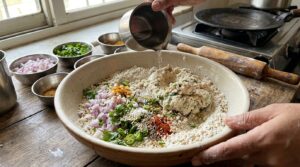
Mix Blajani flour, onions, coriander, green chillies, sesame seeds, spices, salt and water to make a soft dough.
Nutritional Benefits
High fibre
Balanced nutrition
Rich protein
Shape the Flatbread
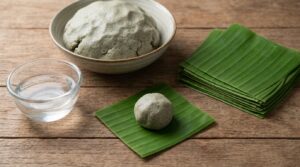
Cut the pat dough portions using wet hands or banana leaves/ butter paper to make round discs.
Nutritional Benefits
Uniform thickness
Even cooking
Cook on the Tawa

Heat the tawa, add a few drops of oil or ghee and cook both sides till light brown and crisp. Cook over a fairly hot heat so that the filling is heated through and the outside of the puffs is dark and crisp.
Nutritional Benefits
Minimal oil
Crispy texture
Healthy preparation
Brush with Butter or Ghee

Apply butter or ghee while still hot.
Nutritional Benefits
Rich flavour
Traditional finish
Serve Hot
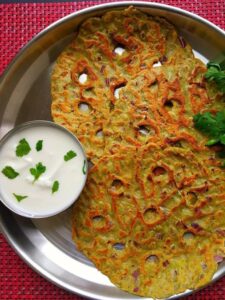
Enjoy immediately with your favourite accompaniments.
Nutritional Benefits
Best texture
Maximum freshness
- Why You'll Love This Recipe
Thaalipeeth is wholesome, filling, and packed with nutrients from multiple grains and pulses. Its crispy edges, soft interior, and aromatic spices make it suitable for breakfast, lunch, or a healthy evening snack.
Nutritional Advantages
Multigrain nutrition
High fibre
Rich plant protein
Good iron source
Keeps you full longer
- Serving Suggestions
Fresh White Butter: A classic feel that beautifully melts over the warm Thaalipeeth. Velvety, creamy and indulgent, it brings out all the depth of the multi-grain Indian bread
Thecha (Green Chilli-Garlic Chutney): Contribute a fiery kick and true regional taste. The fiery combination of green chillies, garlic and spices provides a wonderfully bold alternative to the subtle, nutty flavour of the Thaalipeeth
Homemade Curd: It is worthy of note that the creamy yoghurt counteracts some of the spiciness and adds further protein to the dish. The chilled effect would be a good compliment to the hot flavours and more than likely makes the meal lighter and more refreshing
Mango Pickle: The spicy pickle is an excellent accompaniment to the robust taste of the multigrain Thaalipeeth. The combination of spicy and sour flavours enhances the taste and adds to the tickle of taste buds
- Expert Tips
Use Warm Water: Warm water makes the dough softer and easier to shape. It also helps the flour absorb moisture evenly, resulting in a smoother and more pliable dough
Create Small Holes: Make a few holes in the centre before cooking so the oil cooks the bread evenly. These holes also help the Thaalipeeth cook faster and develop a crisp, evenly browned surface
Cook on Medium Flame: Slow cooking ensures the inside cooks properly while the outside becomes crisp. Avoid using high heat, as it can burn the exterior while leaving the centre undercooked
Serve Immediately: Thaalipeeth tastes best when hot with fresh butter or curd. Serving it fresh preserves its crisp texture and enhances its rich, earthy flavour
- Frequently Asked Questions (FAQs)
Q. What is Bhajani flour?
Bhajani flour is a roasted multigrain flour prepared from cereals, pulses, and spices, commonly used in Maharashtra.
Q. Is Thaalipeeth good for health?
Yes. It is high in fibre, protein, complex carbohydrates, and minerals, making it one of the healthiest traditional foods of Maharashtra.
Q. Is it gluten-free to make using Thaalipeeth?
Yes. Use a Bhajani flour mix without wheat.
Q. Can I add vegetables?
For sure. Great would be with bottle gourd, carrots, spinach and fenugreek leaves and grated zucchini.
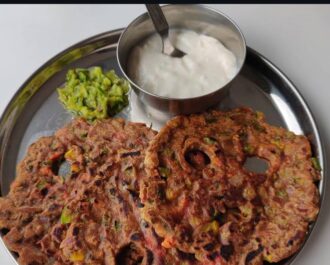
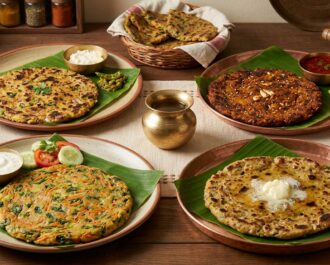
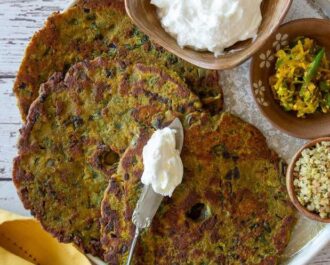
From being one of the most nourishing foods to be eaten in its authentic form as a multigrain dish or for that matter in Kolhapuri the hot and spicy style or in its healthful avatar with a lot of vegetables in it on the one hand to having copious amounts of pure creamy ghee and butter in it, the very presence of many variants of the Thaalipeeth is appealing, delicious and wholesome nutrition packed and the rustic flavors from Maharashtra

Anjali Raj Singh
I am a food writer and culinary content creator specializing in global cuisines, traditional recipes, food culture, and cooking techniques. Through extensive research and hands-on recipe analysis, I create accurate, informative, and engaging content that helps readers explore authentic dishes from around the world. My work covers recipe development, food history, ingredient guides, restaurant features, and culture-driven culinary stories.
At Foods Around the World, I focus on delivering well-researched, reader-friendly, and SEO-optimized content that reflects the traditions, flavors, and culinary heritage behind each dish. Every article is carefully reviewed for accuracy and relevance, ensuring readers can discover trusted recipes, cooking insights, and food experiences from diverse cultures worldwide.