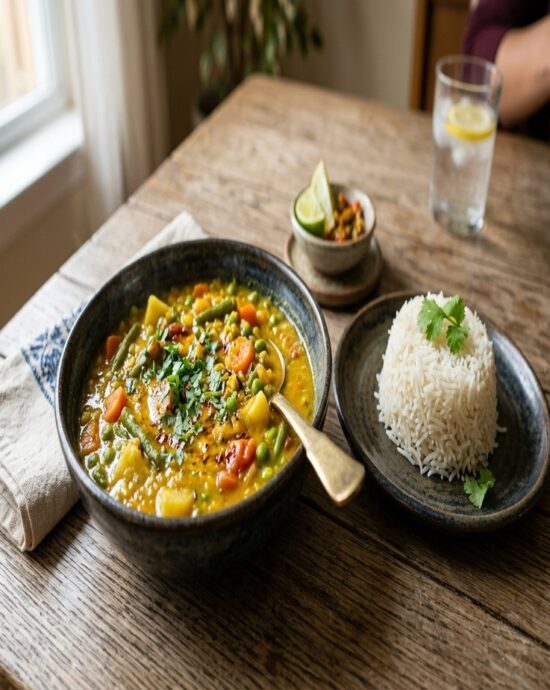

- What is Dal with Vegetables and Rice?

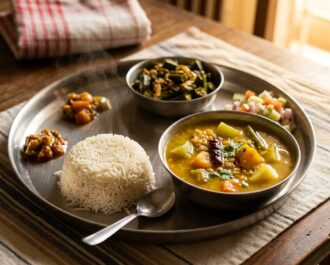
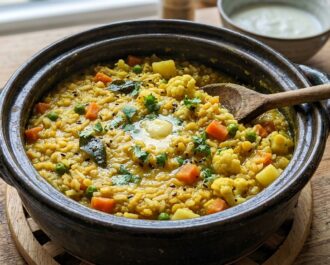
Dal with vegetables and a small serving of rice is one of the most balanced and soothing meals you will find in East India. It is a blend of lentils, vegetables of the season, soft spices and steamed rice; it makes an everyday meal filled with energy
Unlike their richer, western Indian counterparts, dal dishes from Eastern India are characterised by their reliance on natural flavours, with a tendency towards delicately spiced and light dishes. They are usually served with vegetables such as pumpkin, bottle gourd, spinach, raw papaya, potatoes and beans to add texture and nutrition. The rice is served in a small quantity
It is this that makes this one particular dish so popular, that it is a solution to a usual problem we find in daily cooking, as it is cheap, healthy, easy to digest and can be eaten regularly, but of course, it can be so easy to make this dish genuinely. The authentic way of making this dal, however, still normally requires a chunk of time to genuinely cook it, to allow the flavours to develop, and for it to become soft
- Eastern Indian Regional Variations
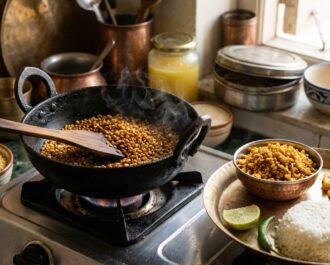
West Bengal – Bhaja Moong Dal with Vegetables
Moong dal, which is lightly roasted, is commonly cooked along with vegetables like pumpkin and peas in West Bengal.
Taste Profile: Lightly sweet, earthy, comforting
Why it‘s popular: Light yet flavorful! Everyday meal
Ideal to use at: Lunch and dating Bengalis
Odisha – Dalma
Odisha is renowned for Dalma, a Lentil Vegetable preparation prepared with fewer spices.
Taste: Slightly nutty, wholesome, mild
Reasons for popularity: the temple-style nutritious cooking.
Best for: Balanced family dinners
Bihar – Mixed Dal with Rice
Usually in Bihardhalar or masoor dal with seasonal vegetables, accompanied by rice.
Taste Profile: Rustic, mildly spicy, hearty
Why it‘s popular: Cheap and satiating. Particularly good for: Home cooking on a day-to-day basis
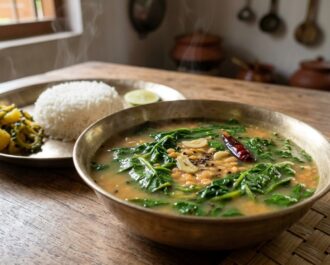
Assam – Masoor Dal with Greens
Assam varieties typically incorporate leafy greens and light tempering in their dal preparations.
Taste Profile: Fresh, simple, earthy
Reasons for its popularity: Light cooking style and local vegetables
Best for: Healthy eating day to day
- Why You’ll Love This Recipe
This dish is easy, satisfying and healthy for everyday use. Simple ingredients: lentils, spices, vegetables, and rice are cooked together and made into one dish. The portion of rice is controlled, and so it is not too heavy in calories. It is inexpensive, simple to prepare, adaptable and can be made using whatever vegetables are in the fridge. It is a light, long-lasting meal compared to many curries.
- Ingredient Tips
Wash lentils properly: Removes excess starch and impurities. It also helps in improving the overall texture and cleanliness of the final dish when washed correctly until the water runs clear. Rinsing keeps the dal from becoming paste-like or gloopy
Use seasonal vegetables: Enhances flavor and nutrition naturally. Seasonal products generally taste fresher than they do in lentil dishes. It adds natural colour, texture and variety to daily meals
Cook rice separately: Aids in Texture maintenance and helps in portion control. By cooking both separately, one can prevent rice from becoming soft or mushy. This also allows adjusting the rice-to-dal ratio to one's liking
Use mild spices: Dal from East India has no strong flavours. This is because the food is lightly seasoned so that the taste of the lentils or vegetables is prominent. Light spices give a more comforting light meal
- How to Cook Dal with Vegetables and Rice
A. Preparation
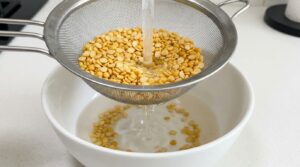
Firstly, wash the lentils thoroughly under running water. Soak the lentil for in excess of 20–30 minutes for arhar dal, or other hard lentils, as they take a long time to cook. This shortens the duration needed and makes the texture better.
Cut all vegetables uniformly. This would ensure that everything cooks together evenly. Separate the rice and wash it until the water runs clear. This would ensure the rice does not stick and has better fluffiness.
Having all the necessary ingredients ready before starting to cook, the flow of cooking would be smooth, as dal and vegetables need slow cooking.
B. Cooking Method
Cook the Lentils
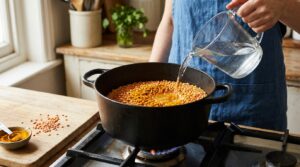
Add the lentils to a pressure cooker or a large deep pot with the turmeric and water. For pressure cooking, this will normally take 3–5 whistles, depending on the dal. Neither of these options is particularly attractive, but slow boiling in a heavy-based pan may take 35–45 mins, and the flavour develops; it is also an easier method
Cook the Vegetables
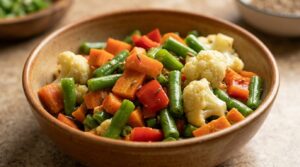
Heat oil/ghee in another pan, add cumin seeds and fry until fragrant. Add the vegetables and stir-fry on medium heat. Vegetables cook on their own flame. It preserves their texture and prevents sogginess
Prepare the Dal Base
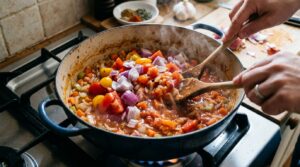
Add tomatoes and an optional onion on top of the vegetables and cook until the mixture starts to turn into a softer consistency with the tomatoes. This makes a less pungent base for the lentils to go into
Combine Dal and Vegetables
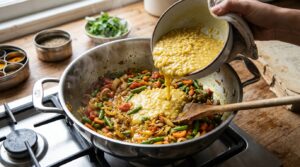
Add the cooked dal to the vegetable mixture and cook for 10-15 mins to blend the flavours properly. If the dal thickens, add just enough hot water to make a pourable sauce
Prepare the Rice
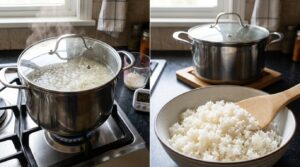 Cook rice separately, adding measured water. Boil until the grain becomes soft, but do not separate. To optimise the texture, let the rice stand for 5 minutes with the lid on after cooking
Serve Hot
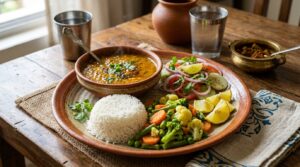
Dal is served with boiled vegetables and served along with a small quantity of rice. Serve it with a handful of salad or lemon wedges for added taste
- Variations You Can Try
1. Dalma Style: Add in raw papaya, pumpkin and ginger for an authentic Odia taste. It imparts a softer and more traditional texture to the dish. The vegetables tend to break down and blend with the lentils naturally to give a delicious one-pot meal. An ideal variation when served with steamed rice and a light vegetable fry
2. Bengali Bhaja Moong Dal: Dry roast moong dal before cooking it. This gives a lovely nutty aroma and a more intense taste. It also makes the dal a more golden colour and gives it a slight smoky taste. Best served along with rice, fried vegetables or a simple Bengali-style meal
3. Spicy Bihar Style: Add green chillies and garlic for tempering. Gives a sharper flavour. A little mustard oil may also be added. This is an authentic variation and more robust in flavour. Goes extremely well with rice and spicy sides
4. Lentil Soup Version: Increase water and blend partially for a soup-like consistency. Goes great with salad and toasted bread. The more creamy consistency makes it a lower-calorie, easier-to-digest meal
Herbs or black pepper, green chillies, and garlic for tempering. Sharpens the flavour. A little mustard oil can also be used. This is a true transformation and has a strong flavour. Combines very well with rice and spicy side dishes. At the end adds aroma and heat
5. Healthy Millet Version: Swap rice for millets or brown rice. In doing so, you will increase the fibre content and keep the meal feeling a little lighter. Millets also add a crispy flavour and raise the nutritional value. Perfect for a healthy or balanced diet
- Serving Suggestions
With cucumber-onion salad: Fresh salad balances the warmth of the dal. It also adds crunch and freshness to the meal. The raw vegetables create a refreshing contrast to the soft lentils and rice. A squeeze of lemon over the salad further enhances flavour and lightness
With roasted papad: Papad adds texture and enhances the eating experience. Popular in Eastern Indian home meals. The crispy texture pairs especially well with soft rice and dal combinations. Roasted or lightly fried papad can also add extra spice and flavour variety
With pickle and lemon: Pickles bring tanginess and a stronger flavour contrast. Lemon enhances freshness naturally. Small amounts of pickle help make simple dal meals more flavourful and exciting. Lemon juice also balances richness and brightens the overall taste of the meal
With lentil soup and salad: Serve thinner dal like soup with fresh greens. This creates a lighter dinner option suitable for modern diets. The soup-style consistency makes the meal comforting yet easy to digest. Adding toasted bread or light crackers can make it more filling without feeling heavy
- Expert Tips & Recipe Notes
Don’t rush lentil cooking: When cooked, lentils are more palatable and also easier to digest. Uncooked dal may be gritty and heavy. Cooking slowly over a longer period allows the lentils to cook more evenly and the spices to settle into them more deeply. Patience will result in a creamier texture
Add vegetables carefully: Ensure soft vegetables are added at the correct time; they will take less time to cook than root vegetables. Add to the dish at the time when they require cooking. Add time to ensure a good texture and colour of the finished dish
Use ghee in moderation: A little spoonful of ghee will give a lovely aroma. If you put too much can them overwhelm the natural taste. I think a little gives the dish richness without losing the taste of the lentils and vegetables. Using it at the end gives the dish a fresher and more attractive aroma
Control water consistency: The dal firm after cooking. Add water a little at a time when simmering. Adding in excess at a time will result in dilution of the flavour and texture. Little by little, adjustments will render a more accurate flow
Rest rice briefly before serving: Resting is important to keep the texture of the rice ‘sticky free’. Resting keeps the grains aerated and prevents clumping. Resting will also allow for the final texture and appearance of the final product, and act as a final fluff
- Frequently Asked Questions (FAQs)
Q. Which dal is best for Eastern Indian cooking? Use moong dal, masoor dal and arhar dal, which can all be used separately. They will produce slight variations in texture and flavour. Roasted moong is particularly well-loved.
Q. Can I prepare this meal without rice? Other than rice, dal with roti and even with millets tastes great. Even without rice, soup-type dal tastes good. Other variations for lighter meals include bread with salad or vegetables. steam or pan/rolllean
Q. Why does dal require soaking sometimes? Soaking cuts the cooking time and makes the kidney beans easier to digest. It also helps the lentils cook more evenly. In particular, for harder whole lentils, soaking before cooking is advantageous.
Q. Is lentil soup healthier than thick dal? Both are healthy, but the soup-dal is lighter in consistency and better suited for eating at tea time or if you want a low-calorie meal. The thicker dal is more substantial and may be more appropriate for a main course.
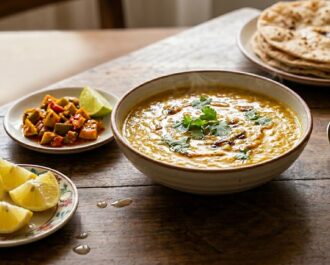
Dal with veggies is still one of the most reliable meals across Eastern India. No matter if it’s Bengali bhaja moong dal, Odia Dalma, Bihari rustic dal, or Assamese lentil dishes, it’s the same preoccupation in its preparation: to be of weight, and to be simple and balanced
All this may sound quite simple, and good dal is still simple to prepare, just takes time, good simmering and enough oil and salt. Once you‘ve cracked it, then it will remain one of your best handy, everyday, supremely portable and, finally, really good to eat

Anjali Raj Singh
I am a food writer and culinary content creator specializing in global cuisines, traditional recipes, food culture, and cooking techniques. Through extensive research and hands-on recipe analysis, I create accurate, informative, and engaging content that helps readers explore authentic dishes from around the world. My work covers recipe development, food history, ingredient guides, restaurant features, and culture-driven culinary stories.
At Foods Around the World, I focus on delivering well-researched, reader-friendly, and SEO-optimized content that reflects the traditions, flavors, and culinary heritage behind each dish. Every article is carefully reviewed for accuracy and relevance, ensuring readers can discover trusted recipes, cooking insights, and food experiences from diverse cultures worldwide.