
- What are Lentil Dishes?

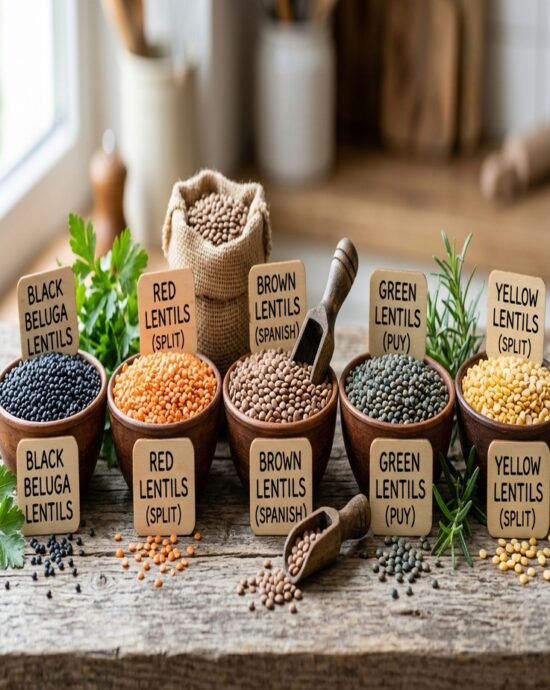
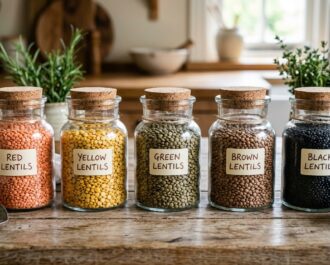
Lentil dishes are among the oldest and most nutritious foods cooked in the world. As they are high in protein, the following dishes can be made from lentils; they are also used in some different ways, including curries, soups, stews, salads and rice-based dishes. Cultures around the world also use various types, including split, red, yellow, green, brown and black lentils
There is something wonderfully perfect about lentils; how they take in spice, turn into warming textures, go with vegetables, grains, bread and salads. In India, you would eat them most days; in the USA and UK, they’re having their day with the health-conscious and pre-prepared.
While some lentils are quick to cook, others need to be pre-soaked and tend to take longer time to cook. Correct preparation can make the texture easier to digest and more flavoursome. They are perfect for anyone looking for inexpensive, nutritious and satisfying meals that don‘t involve long cooking times
- Regional Variations of Lentil Dishes
India – Dal with Vegetables and Rice
India is among the largest consumers of lentils, and dals are part of a staple everyday diet.
Popular dishes include:
Dal tadka
Moong dal
Masoor dal
Dal with vegetables and rice
Taste Profile: Heathery, warm, middle-level spiciness, and comforting
Why it‘s popular: Cheap, filling, high Protein
Best for: lunch and dinner, everyday dishes
USA – Lentil Bowls & Protein Meals
In the US, lentils are popular in protein bowls, vegan recipes and meal-packs.
Popular styles include:
Lentil rice bowls.
Lentil chili
Meals of roasted vegetables and lentils
Taste Profile: Mild, savoury, herb-based
Why it’s popular: Eating healthfully
Best for: Fitness frozen meals, and meal prep
UK – Lentil Soup & Stews
Lentils are used in various recipes in the UK, which include soups and hearty stews.
Popular dishes include:
Lentil soup and salad
Creamy lentil casserole
Herb lentil casserole
Taste Profile: Earthy, smooth, comforting
What is its favourite for: Winter comfort food and healthful eating
Suitable for: Light evening meals and Winter dishes
East Asia – Soy & Lentil-Inspired Broths
In East Asia, lentils are not very traditional, but are becoming more popular in contemporary health-conscious cuisine.
Popular dishes include:
Lentil bean broth bowls
Vegetable and lentil stir-fry
Rice and lentil combinations
Taste Profile: Light, umami-rich, balanced
What makes it popular: Contemporary vegetarian diets
Best for: Light meals and health-conscious lunches
West Asia – Lentil Soups & Mezze Cooking
In West Asia, the popular older uses of lentils include soups, dips, and double-stewed, largely meaty dishes.
Popular dishes include:
Red lentil soup
Lentil pilaf
Lentils in olive oil and herbs
Taste: Aromatic: Earthy, mildly spiced
Why it is popular: conventional casserole food
Best for: Healthy dinner ideas for families
- Why You’ll Love This Recipe
Lentil recipes offer solutions to common daily cooking dilemmas as they are cheap, healthy, have a high yield and versatile. They deliver nutrients and energy while burning through everyday ingredients. They suit busy homes, students, (beginners and) those with a healthy diet. They can be both light and heavy depending on the method of cooking and/or ingredients used. (Lentils are) great for pre-prepared dishes as flavours develop over time
- Ingredient Tips
Wash lentils properly: Remove dust and excess starch. Proper washing also helps improve the overall taste and cleanliness of the dish. Rinsing until the water runs clear prevents the curry from becoming overly cloudy or sticky
Soak harder lentils: Helps reduce cooking time and improves digestion. Soaking also allows the lentils to cook more evenly and become softer. This method can help enhance texture while reducing the need for excessive boiling
Use fresh vegetables: Adds nutrition and texture. Fresh vegetables retain better flavour, colour, and natural crunch during cooking. They also improve the visual appeal and overall balance of the meal
- How to Cook Lentil Dishes
A. Preparation

Next, wash the lentils in cold water until the water runs clear. This removes any impurities and will affect the texture when cooked.
For the harder buckwheat varieties, such as brown or green lentils, soak for 20–30 minutes before cooking. The softer ones (e.g., red lentils or split moong) tend to be quicker to cook. Pre-cut the vegetables and prepare the spices, so that the cooking process goes smoothly.
B. Cooking Methods
Dal with Vegetables and Rice (Indian Style)
Cook lentils
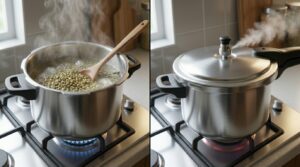
Bring lentils to a boil in water in a pressure cooker. Continue cooking in the pressure cooker until it dissolves. Split lentils cook in 15–20 minutes, whole are longer
Prepare masala base
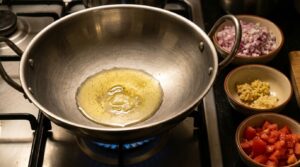
Fry oil or ghee and saute onions until brown. Add ginger-garlic paste and tomatoes. Cook until the fat begins to separate
Add vegetables

Add vegetables: chopped spinach, peas, carrots, beans, etc. Cook until tender. This enhances the nutrition and texture and increases satiety
Combine the lentils and simmer
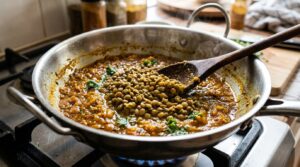
Add cooked lentils to the masala and mix thoroughly. Let it cook for 10-15 minutes on low heat. (I prefer to slow-simmer it so that it sorts the flavours together beautifully.)
Serve with rice

Served hot with a small serving of steamed rice, this makes a balanced and satisfying meal.
Lentil Soup with Salad (UK & West Asia Style)
Sauté aromatics
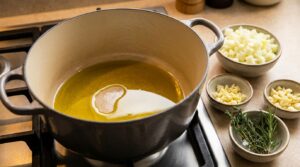
Cook onions, garlic, and herbs in oil. This builds the flavour base for the soup.
Add lentils and stock
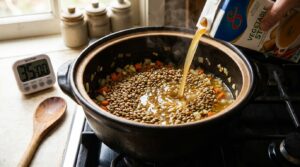
Add lentils with water or vegetable stock. Cook until lentils are soft and creamy (cooking time 25–45 mins depending on the types of lentils used)
Blend or leave chunky

Some soups are whipped into a smooth consistency, some will already be textured; choose accordingly
Serve with fresh salad
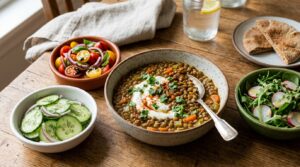
Serve with cucumber, tomato or a leafy salad. The richness of the dish is tempered beautifully by the freshness
- Variations You Can Try
1.Spicy Indian Dal : Add garam masala and green chilies. Results in a well stronger and aromatic flavour. Add a spoon of ghee at the end giving the typical taste of Indian spices. Goes better with the rice or hot rotis
2.Creamy Lentil Soup : Add coconut milk or coconut cream. This will give it a more smooth consistency and a more gravy-like flavor and thickness. The creamy texture gives the meal a good balance of flavor with the spices and makes it more heartwarming. Works well in winter or as a light meal
3.Lentil Rice Bowl : Lentils should be combined with grains, roasted vegetables etc. Good for healthy meal prep lunch. The combination of protein, fibre and vegetables makes it a hearty meal. Quinoa or brown rice can be used instead of bulgur
4.Herb Lentils : Use parsley, coriander or thyme. Adds freshness and a light smell. Fresh herbs naturally enhance the colour and taste of a dish. This lighter version of the sauce comes in handy for everyday simple dishes
5.One-Pot Lentil Meal : Cooked the lentils, rice and vegetables all at once. It saves a lot of time and washing up. Cooking all the ingredients togther makes the flavours mingle deeply and evenly.This variation works for even the busiest schedules and quick dinners
- Serving Suggestions
With a small portion of rice : Rice combines the heaviness and softness of the lentils. It makes up a very satisfying meal. The lentils are cooked very soft and smoothly incorporated into the rice, providing a hearty and tasty dish. It is a popular combination for breakfast and dinner in many places
With salad : Fresh salads provide texture and freshness to lentil-based foods. The bulk also helps to balance bold and filling flavors. Raw vegetables provide additional nourishment and help to reduce the meal. Additional lemon juice over the salads can increase the sense of freshness
With roti or bread : Flatbreads are good with thick dal dishes. This helps to make the meal more filling and authentic. Soft rotis help scoop up the lentils and taste better. Toasted bread might be suitable here as an alternative quick contemporary option
With yogurt or pickle : A little yogurt or pickle provides a contrast. It adds flavour and improves variety of the meal. Yogurt helps to cool down heat in Indian style spicy lentils, and also adds creaminess naturally. A pickle gives an acidity and spiciness which blends with mild lentils well
- Expert Tips & Recipe Notes
Don’t overcook lentils: Lentils can go mushy if they are cooked for too long. Cooking times vary depending on the type of lentil. Softer lentils will cook more quickly than whole lentils, which may need more time on the stove or pre-soaking in hot water. It is advisable to check the fluid and texture of lentils regularly
Use medium simmer: Simmering slowly enhances the taste; high, heat may cause the lentils to cook unevenly. Gentle heat lets herbs and vegetables to blend more thoroughly. Suitable Medium temperature simmering results in a smoother and more balanced dish.
Season lentils carefully: Lentils tend to gradually take up seasoning. Taste, and at the end of cooking, correct. salt too early can sometimes hinder some lentils from softening. Season gradually, and the flavours will stay in check
Add herbs at the end: Herbs will keep the flavour fresh. They will also enhance the aroma and presentation of the dish. Be careful not to over cook the herbs as this will diminish their freshness and natural oils. A final garnish will brighten the dish and have a positive impact on the dinning experience
Rest before serving: Let the lentils rest for a few minutes, which naturally thickens and gives the flavors a chance to relax. Resting releases excess steam for that perfect consistency. The flavors settle down and mature within a short duration and the dish tends to taste better
- Frequently Asked Questions (FAQs)
Q. Do you consider lentils to be healthy?
Yes, lentils are naturally high in protein, fiber, and minerals. They are very commonly prescribed as part of a good diet and help give lots of long term energy and help support a healthy working digestive system
Q. What type of lentils cook quickly?
Red lentils and split moong cook in a flash. Whole lentils take longer. Small split lentils are great for everyday dishes and beginning cooks
Q. Is it advisable to make use of lentils and not be soaking?
Yes, softer lentils generally do not require soaking. Soaking helps to make them easier to digest, and makes for a more uniform texture and slightly reduces cooking time
Q. Are lentils good for eatingmeal prep?
Yes, lentil food is always kept very well. The flavour of lentil just tastes so much better the following day. They can be made in advance and kept in the fridge or freezer for later use
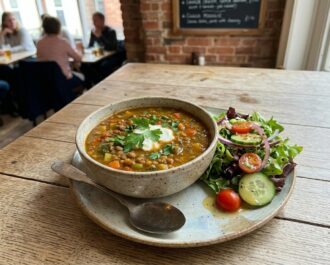
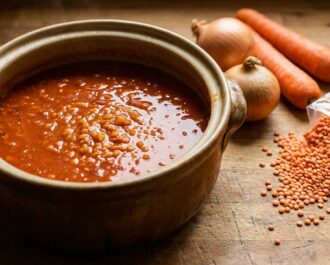
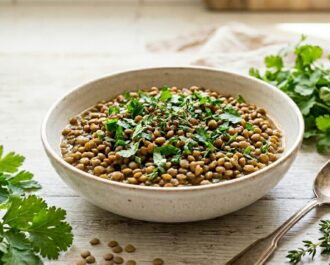
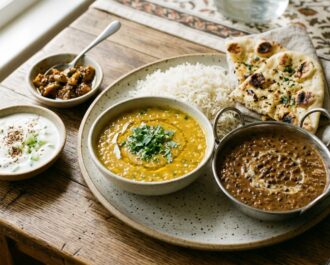
Lentils provide comfort universally- Indians, Americans, Britons, East Asians, West Asians – they seem to cover all. Whether in dal served with vegetables and rice or in thick lentil soup with salad, they always have a place in traditional cuisine
No matter which type of lentil you use, the cooking time is worth it as they are cheap, very filling and full of flavour. Once you learn the basic procedures, adapting recipes to other cuisines or personal preferences is quite simple

Anjali Raj Singh
I am a food writer and culinary content creator specializing in global cuisines, traditional recipes, food culture, and cooking techniques. Through extensive research and hands-on recipe analysis, I create accurate, informative, and engaging content that helps readers explore authentic dishes from around the world. My work covers recipe development, food history, ingredient guides, restaurant features, and culture-driven culinary stories.
At Foods Around the World, I focus on delivering well-researched, reader-friendly, and SEO-optimized content that reflects the traditions, flavors, and culinary heritage behind each dish. Every article is carefully reviewed for accuracy and relevance, ensuring readers can discover trusted recipes, cooking insights, and food experiences from diverse cultures worldwide.