
- What is Dal Kachori?

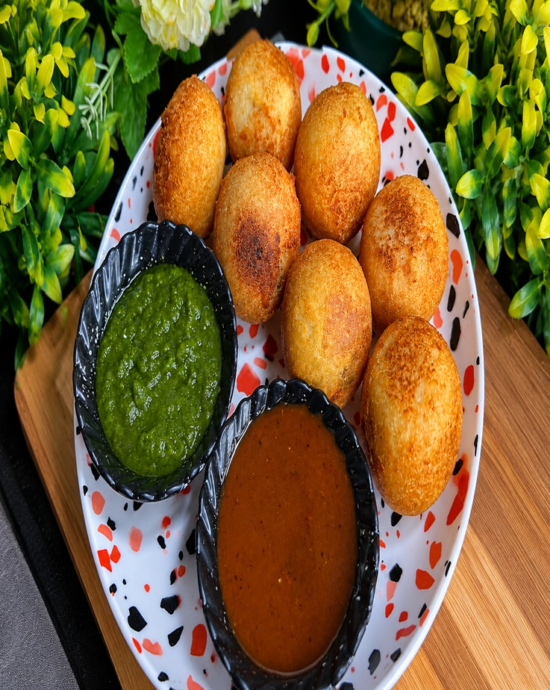
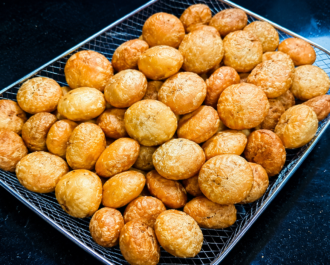
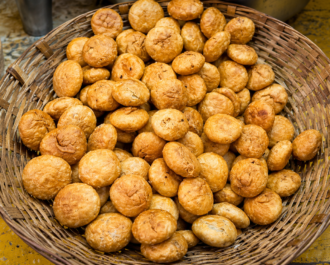
Dal Kachori, a much-loved deep-fried Indian snack, is characterised by the crispy, flaky shell and fragrant, flavour-packed spicy lentil stuffing. Normally, moong dal (split yellow lentils) or urad dal is used for making the filling, while the stuffing is usually spiced with aromatic cumin, coriander and other Indian spices, pressed into the outer shell and fried on slow fire until they turn golden brown and extra crispy. Dal Kachooris are taken with tart chutneys, spicy potato curry, or fried green chilies are a good accompaniment.
In true Dal Kachori style, this is not a dish that can be rushed. The lentils require long soaking, the dough needs sufficient resting time, and the kachoris need to be fried on a low-to-medium heat to produce the much-acclaimed khasta. The style and method of cooking from the ‘old school’ is where the true flavour comes from.
All around India, and in cities like Jaipur, Varanasi (Banaras) and Delhi in particular, Dal Kachori has become much more than any snack. It has become ingrained in the everyday street-food culture, local culture and day-to-day lives of the people. There is nothing quite like tucking into a fresh, hot, freshly fried kachori from a busy roadside stall; this is what binds India to the deliciousness that is Kachori. That is why it has stood the test of time; it is not just food, but a taste of the Indian street-food culture
- Best Regions & Cities Popular for Dal Kachori in India
Jaipur, Rajasthan – The Kachori Capital
Jaipur is perhaps India’s most famous destination for dal and pyaaz kachori.
Famous Spots:
Rawat Mishthan Bhandar
Sampat Namkeen Bhandar
Taste Profile: Spicy, hing-flavoured, flaky
Why it’s famous: Rich khasta texture and fiery fillings
Best for: Breakfast and evening snacksJodhpur, Rajasthan – Spicy & Rich Variations
Jodhpur is famous for both savoury dal kachori and sweet mawa kachori.
Famous Spots:
Janta Sweet Home
Jodhana Sweets
Taste Profile: Spicy, rich, heavily seasoned
Best for: Travellers and festive mealsBikaner, Rajasthan – Small Crispy Kachoris
Bikaner is known for smaller, crispier lentil kachoris.
Famous Spot:
Bhairu Kachori Wala
Taste Profile: Crunchy, spicy, light
Best for: Tea-time snacksVaranasi, Uttar Pradesh – Hing Kachori Tradition
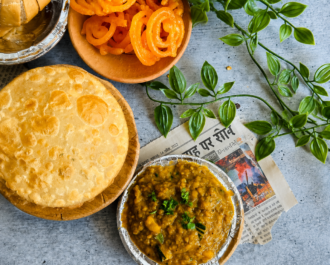
Varanasi serves dal kachori with spicy aloo-matar curry as a traditional breakfast.
Famous Spot:
Gauri Sankar Kachuri Wale
Taste Profile: Hing-heavy, spicy, aromatic
Best for: Morning street breakfastsMathura, Uttar Pradesh – Bedai Kachori Style
Mathura is famous for thick Bedai kachori served with fiery potato curry.
Famous Spot:
Rupa Kachori Wala
Taste Profile: Heavy urad dal flavour, spicy
Best for: Traditional North Indian breakfastLucknow, Uttar Pradesh – Khasta Kachori
Lucknow offers flaky khasta kachoris often paired with curry.
Famous Spot:
Bajpayee Kachori Bhandar
Taste Profile: Rich, layered, mildly spicy
Best for: Evening snacks and brunchOld Delhi – Ghee-Fried Dal Kachori
Delhi is known for urad dal kachoris, traditionally fried in ghee.
Famous Spot:
Shiv Mishthan Bhandar
Taste Profile: Deeply aromatic, crispy
Best for: Chandni Chowk food walksIndore, Madhya Pradesh – Bam Kachori
Indore is famous for “Bam Kachori,” packed with spicy fillings.
Famous Spot:
Prasidh Kachori Bhandar
Taste Profile: Extra spicy, crunchy
Best for: Street food loversCoastal Influence – Mumbai & Gujarat
Mumbai
Mumbai has adapted kachori into quick-snack versions, often sold near railway stations.
Taste Profile: Mildly spicy, crispy
Best for: Fast evening snacksGujarat Coastal Region
Gujarat offers sweeter-spiced kachoris often paired with chutneys.
Taste Profile: Sweet-spicy balance
Best for: Tea-time snacks and farsan platters - Why You’ll Love This Recipe
Dal kachori is the ultimate combination of crunch, spice, and comfort. It can be eaten as breakfast, a snack in the evening, during festival celebrations, or as a snack during traveling. The crunchy outer shell paired with the spicy da filling makes for a satisfying texture and flavour experience. You can vary the spice levels and fillings to suit your needs
- Ingredient Tips
Soak dal properly: Softens the lentils for a more compact filling. Ensures the Lentil is properly soaked to shorten cooking time and is silky to the palate. A well-soaked dal will combine more finely with the spice and seasoning
Use ghee in dough: Helps achieve flaky texture. Adds richness and improves the taste of the crust. In addition, it helps to create the khasta (crispy, layered) texture.
Slow frying is important: Remember to keep the heat low and fry slowly. This will enable the khasta layer to get cooked without any burning to the outer shell. This frying method will keep the kachori crispy for more time
Balance things carefully: Too much will kill the flavour. A little is a sufficient ingredient. Its characteristics are fragrant, so it will work in small quantities. It is balanced and will enhance the filling without making it too powerful or bitter
- How to Cook Dal Kachori
A. Preparation

Urad dal or moong dal should be soaked in water for 4–5 hours. If soaked properly the filling will have a fluffy yet grainy feeling
The dough should be prepared using flour, salt and ghee. It should be kneaded into a soft consistency and set aside for at least 30 minutes. Resting allows the dough to become more elastic and crispier
Then, of the already soaked dal, in best and the such (long, hard) prepare away separate spice mixture. Preparing a separate will facilitate the frying somewhat and be safe
B. Cooking Method
Prepare the Filling
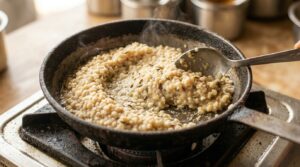
Fry the cumin, fennel and hing in the oil in the frying pan. Let the aroma come out and develop the true street-food taste. Add the ground dal and warm it for a slow roast until it seems dry and smells good. Proper roasting takes away the raw taste from the lentils and improves the flavour overall. Stir constantly so that the filling cooks evenly and does not stick to the bottom of the pan
Prepare the Dough Balls

Divide the well-kneaded dough into equal parts. Slightly flatten the dough balls. Fill each with the mixture, being very careful not to overfill. Do not over-fill. Over-filling makes it difficult to shape and may cause the kachoris to burst while frying. Smoothen out the dough rounds so that the shape of the kachori remains intact, and it fries evenly
Fry the Kachoris

Set the heat to low-medium. Too hot will cook your outside while leaving the inside raw. Traditional crispy khasta kachori is fried slowly and patiently. Keeping the temperature consistent throughout the frying process is the only way you will get the flaky, crispy layers. However, if it gets too cold, it will not only not cook properly, but it will also become greasy
Serve Hot

Serve immediately with the chutneys or aloo sabzi. Home-fried kachoris are at their best when they are still crisp. A bite into the crunchy exterior followed by the hot filling is at its best when the kachoris are just out of the fryer. Has good pairings with hot chai or yoghurt-based additions
- Variations You Can Try
Pyaaz Kachori: Add spicy onion filling instead of dal. Very popular in Rajasthan. The onion filling in the slow-cooked version has a sweet and spicy flavour. This version is a popular breakfast & evening snack in Jaipur and Jodhpur
Moong Dal Kachori: Use moong dal- impart a light flavour. Produces a softer filling in texture. Moong dal lends a subtle nutty flavour and takes on spices well. It is a more digestible alternative than heavier lentil fillings
Hing Kachori: Apart from ham and cheese, use more asafoetida to make a Banarasi-style taste. Works well with potato curry. The persisting aroma of hing produces the unique taste of street food in Banaras. Sweet and sharp contrast offered by the tamarind and mint chutneys. Enhances freshness and delicacy of the flavour. The chutneys freshen the flavour profile and bring an extra spark. The chutney balances the hint of tang and mouthwatering sweetness. It is often taken with a spicy aloo sabzi and green chillies.
Mini Tea-Time Kachori: Prepare smaller bite-sized versions. Ideal for snacks and get-togethers. Mini kachoris are easier to serve to the guests at parties and festivals. Additionally, the fact that they are smaller means they will fry quicker and have added crunchiness
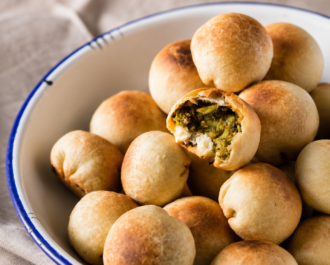
Baked Kachori: Bake rather than deep fry for low-fat. Keeps flavour with less oil. Baking produces a crisp shell while cutting far down on the heaviness. Light snack and health watching diet option
With aloo sabzi: Spicy potato curry goes well with the crispness of the Kachoripundit. This is the most well-known way of serving the dish. The mild and tasty curry goes well with the flaky outer crust and is a very common North Indian breakfast
With chutneys: Sweet and sharp contrast offered by the tamarind and mint chutneys. Enhances freshness and delicacy of the flavour. The chutneys freshen the flavour profile and bring an extra spark. The chutney balances the hint of tang and mouthwatering sweetness
With tea: Hot masala chai goes well with crunchy kachori. Indian snack dish for tea time pair. The cosy flavours of the tea taste very good with the spicy, savoury filling. The combination is particularly cosy on a winter morning or a monsoon evening
With fried green chillies: Fried green chillies give the additional heat and genuine street flavour. The smoky heat offsets the richness of the golden kachori. Perhaps more commonly available in Rajasthan and at North Indian khokhas
- Expert Tips & Recipe Notes
Rest the dough properly: Resting will improve the texture and elasticity of the dough. It will also make the crust flaky. A well-rested dough will be easier to roll out and shape evenly. The resting step will also prevent the kachori from becoming chewy after frying
Fry on low-medium heat: Khasta's texture is destroyed if fried too fast. Slow frying develops khasta's characteristic crispiness uniformly. The slow heating enables the layers to access heat both from outside and within. It also gives the kachori a distinct golden, flaky look
Don’t overfill: If there is excess filling, then it may break during frying. Balanced stuffing has a good structure. Accurate stuffing quantity ensures the shape of the kachori. Evenly, which helps to avoid oil from entering the inside.
Roast dal filling properly: Moist filling, which makes the crust soft afterwards. Dry roasting helps the shelf life as well. Good roasting brings out the richness of the lentils and spices. The dry filling also ensures that the kachori remains crispy for a longer period
Use fresh oil: Old oil will give undesirable browning and will alter the taste. Use fresh oil for a cleaner flavour and more delicate crispness. The fresh oil will ensure the kachori does not taste heavy or bitter. Higher quality oil gives better aroma and frying properties
- Frequently Asked Questions (FAQs)
Q. Why was my kachori not crispy?
High frying temperature or moist filling will soften the crust. Slow frying is needed for crispiness.
Q. How far in advance can I prepare kachori?
Yes, the filling can be made ahead. Fried kachoris keep well for 1–2 days.
Q. What type of Dal can I use for preparing Kachori?
The common as well as more suitable ones for use are Urad dal and moong dal. Also, each will impart a slightly different texture and flavour.
Q. Can I bake rather than fry?
Yes, baking would work on lighter variations, but the real texture is achieved by slow frying.

Dal kachori is at the core of Indian street food tradition – originating in Jaipur, then making its way to Hing-infused breakfast varieties in Banaras, and finally ghee-fried delights of Delhi. Each region infuses their own taste while still embodying the spirit
Quality dal kachori requires time and patience, but each effort is well worth it. When you get the perfect proportion of dough, filling, and frying temperature, a homemade kachori is an unforgettable pleasure

Anjali Raj Singh
I am a food writer and culinary content creator specializing in global cuisines, traditional recipes, food culture, and cooking techniques. Through extensive research and hands-on recipe analysis, I create accurate, informative, and engaging content that helps readers explore authentic dishes from around the world. My work covers recipe development, food history, ingredient guides, restaurant features, and culture-driven culinary stories.
At Foods Around the World, I focus on delivering well-researched, reader-friendly, and SEO-optimized content that reflects the traditions, flavors, and culinary heritage behind each dish. Every article is carefully reviewed for accuracy and relevance, ensuring readers can discover trusted recipes, cooking insights, and food experiences from diverse cultures worldwide.