
- What is Shapale?

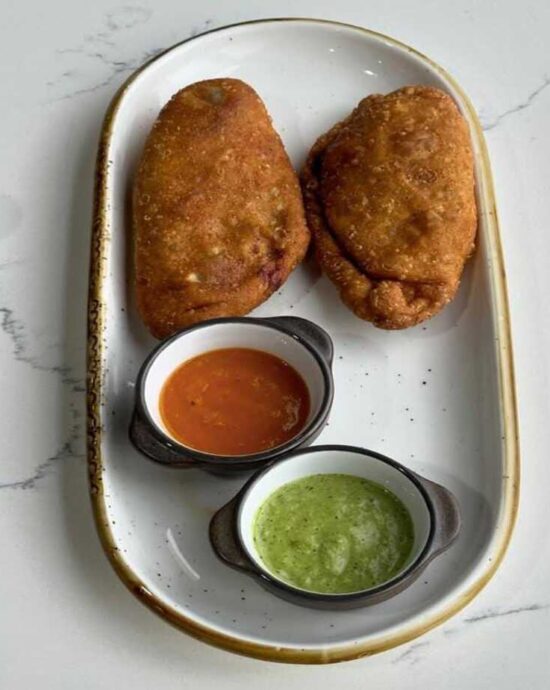
Shapale (also known as Sha Phayes, or Shabhaley) is a Tibetan deep-fried stuffed bread common throughout the catering and the Indian Himalayan belts of Sikkim, Ladakh, Arunachal Pradesh, Darjeeling, and Kalimpong. Shapale is a stuffed loaf made of pale wheat flour dough, which is filled with spicy minced meat or vegetables and sealed. The loaf is formed by bringing the fillings together and shaping them into a semi-circular form, then deep-fried until golden brown
With respect to how Shapale is eaten, rather than a stuffed pastry, it is served for lunch, eaten as a snack after work, or can be bought from the street. Usually it is served with a spicy chilli sauce, pickled vegetables or clear broth
- Regional Variations of Shapale
Traditional Tibetan Shapale
The real deal is packed with yak minced and minced or let out mutton, onion, garlic and such ginger, Himalayas, then deep-fried.
Taste Profile
Crispy, tender, a little salty...
Why It Is Popular
With a crispy outside and juicy meat interior, this dish offers a satisfying experience and has helped it become one of Tibet‘s most popular street foods.
Nutritional Highlights
High-quality protein
Filling meal
Rich in iron
Sikkim Chicken Shapale
A lighter texture with minced chicken, spring onion, coriander and a subtle hint of spice.
Taste Profile
Light, a little hot, with almond, a fruit-filled, aromatic,
Why It Is Popular
The grilled chicken lightens the stuffing and still retains the authentic taste of Himalaya, as it is a favourite among the people of Sikkim.
Nutritional Highlights
Lean protein
Lower fat
Good mineral content
Vegetable Shapale
Bright in flavour, the sensation is of cabbage, carrot, onion, mushroom, paneer, and herbs.
Taste Profile
Fresh; salty; slightly spicy
Why It Is Popular
This vegetarian recipe was liked by tourists and family guests who were used to keeping this vegetarian tradition.
Nutritional Highlights
Rich dietary fibre
Fresh vegetables
Balanced nutrition
Cheese Shapale
Bright in flavour, the sensation is of cabbage, carrot, onion, mushroom, paneer, and herbs.
Taste Profile
Fresh; salty; slightly spicy
Why It Is Popular
This vegetarian recipe was more popular with tourists and family guests who were used to this vegetarian tradition.
Nutritional Highlights
Calcium-rich
Good protein
Filling snack
Nutritional Value (Per Serving)
Nutritional Value
Calories: 380–480 kcal
Protein: 16–22 g
Carbohydrates: 35–42 g
Fat: 16–22 g
Fibre: 3–5 g
Iron: 2–4 mg
- Basic Ingredients Used
All-Purpose Flour (Maida)
Quantity: 2½ cups
Nutritional Value (100 g)
Calories: 364 kcal
Protein: 10 g
Carbohydrates: 76 g
Nutritional Benefits
Provides structure
Soft dough
Rich energy source
Minced Chicken, Mutton or Yak Meat
Quantity: 300 g
Nutritional Value (100 g)
Calories: 165–250 kcal
Protein: 25–27 g
Nutritional Benefits
High-quality protein
Rich iron
Supports muscle health
Onion
Quantity: 1 large (finely chopped)
Nutritional Benefits
Rich antioxidants
Fresh sweetness
Good fibre
Garlic
Quantity: 5 cloves (minced)
Nutritional Benefits
Supports immunity
Rich aroma
Natural antioxidants
Ginger
Quantity: 1 tablespoon (grated)
Nutritional Benefits
Supports digestion
Anti-inflammatory
Warm flavour
Spring Onions
Quantity: ¼ cup chopped
Nutritional Benefits
Rich vitamins
Fresh flavour
Antioxidants
Fresh Coriander
Quantity: ¼ cup chopped
Nutritional Benefits
Vitamin C
Fresh aroma
Rich antioxidants
Green Chillies
Quantity: 2 finely chopped
Nutritional Benefits
Vitamin C
Fresh heat
Rich antioxidants
Soy Sauce
Quantity: 1 tablespoon
Nutritional Benefits
Rich umami flavour
Traditional seasoning
Black Pepper Powder
Quantity: ½ teaspoon
Nutritional Benefits
Digestive support
Mild spice
Salt
Quantity: To taste
Nutritional Benefits
Enhances flavour
Oil
Quantity: 2 tablespoons (for filling) + oil for deep frying
Nutritional Benefits
Even cooking
Crispy texture
Water
Quantity: As required
Nutritional Benefits
Soft dough
Proper consistency
- Ingredient Tips
Prepare crumbed filling – fresh minced meat, as they are very wet and will result in less flow when frying
Fold and press the edges tightly to keep the filling moist and the oil in when frying
- How to Make Shapale
Prepare the Dough

Mix the flour, salt and water into a soft dough and rest covered for 20–30 min.
Nutritional Benefits
Soft texture
Better elasticity
Prepare the Filling

Cook minced meat with onions, garlic, fresh ginger, soy, green chillies, chopped spring onions, coriander, black pepper and salt until just cooked.
Nutritional Benefits
High protein
Rich flavour
Balanced nutrition
Fill the Dough

Using small balls of dough, roll out into circles, place a spoonful of filling in the centre, and fold into a semi-circle. Pinch the edges to close.
Nutritional Benefits
Even filling
Better presentation
Deep Fry

Deep-fry the Shapale on moderate heat until golden brown and crispy, and cook through.
Nutritional Benefits
Crispy exterior
Juicy filling
Drain and Serve

Remove onto absorbent paper and serve immediately.
Nutritional Benefits
Reduced excess oil
Fresh taste
- Why You'll Love This Recipe
Shapale has a flaky, crunchy crust which is covered with a tasty and juicy filling, and is certainly one of the most filling snacks of the Himalayas. It is a full snack, whether you are out and about or having it as a family meal, very satisfying and nutritious
Nutritional Advantages
Rich protein
Good iron source
Filling meal
Fresh herbs
- Serving Suggestions
Tibetan Chilli Sauce: A homemade chilli sauce, spicy, flavorful, and with a fresh homemade tang, would have finished the savoury filling off gracefully. The nose-tingling of the heat and the lovely smoky taste would surely have gone very well with the crispy outside and juicy inside
Clear Vegetable Soup: The rich, light broth balances the fry pasty. The warming, cheesy soup helps to continue the rinsing of the taste buds in between bites
Fermented Radish Pickle: Another interesting thing is that traditional Himalayan pickles can provide fresh acidity, sour taste, slightly hot and spicy flavour for Shapale to enrich the taste, and keep the balance of heaviness of Shapale
Butter Tea (Gur Gur Chai): Served to perfection with the robust Shapale, the richness of the butter, yoghurt, and creaminess of the tea complemented the saltiness very well. It was a really authentic taste of the Himalaya
- Expert Tips
Cool the Filling Prior to Filling: Filling that is too hot from the oven will soften the dough and make it adhere to itself when sealing the pie. Let the filling cool so the dough is stiff enough to seal
Do Not Overfill: Filling should not be too much, as it will be difficult to seal; these may either burst during frying. Fill the appropriate amount of filling to give the tree a shovel shape and the look of circumference to cook evenly
Fry on Medium Heat: To make sure the dough is evenly cooked but remains crispy. To make sure it does not brown on the outside too quickly, while the inside is cooked through
Serve Fresh: Shapale should be served hot, crispy from the fryer. Serve immediately with a chutney or sauce for optimum flavour and crispiness
- Frequently Asked Questions (FAQs)
Q. Can you tell me how to spell “Shapale”?
Sha means Meat in Tibet. Phaley means stuffed fried bread in Tibet.
Q. Can I bake Shapale?
Yes. In fact, it creates a light one, but then, as we usually fry the Shapale.
Q. Can I make a vegetarian Shapale?
Yes. Flour as paneer, mushrooms, Tofu, carrots, and cabbage provide good vegetarian stuffing.

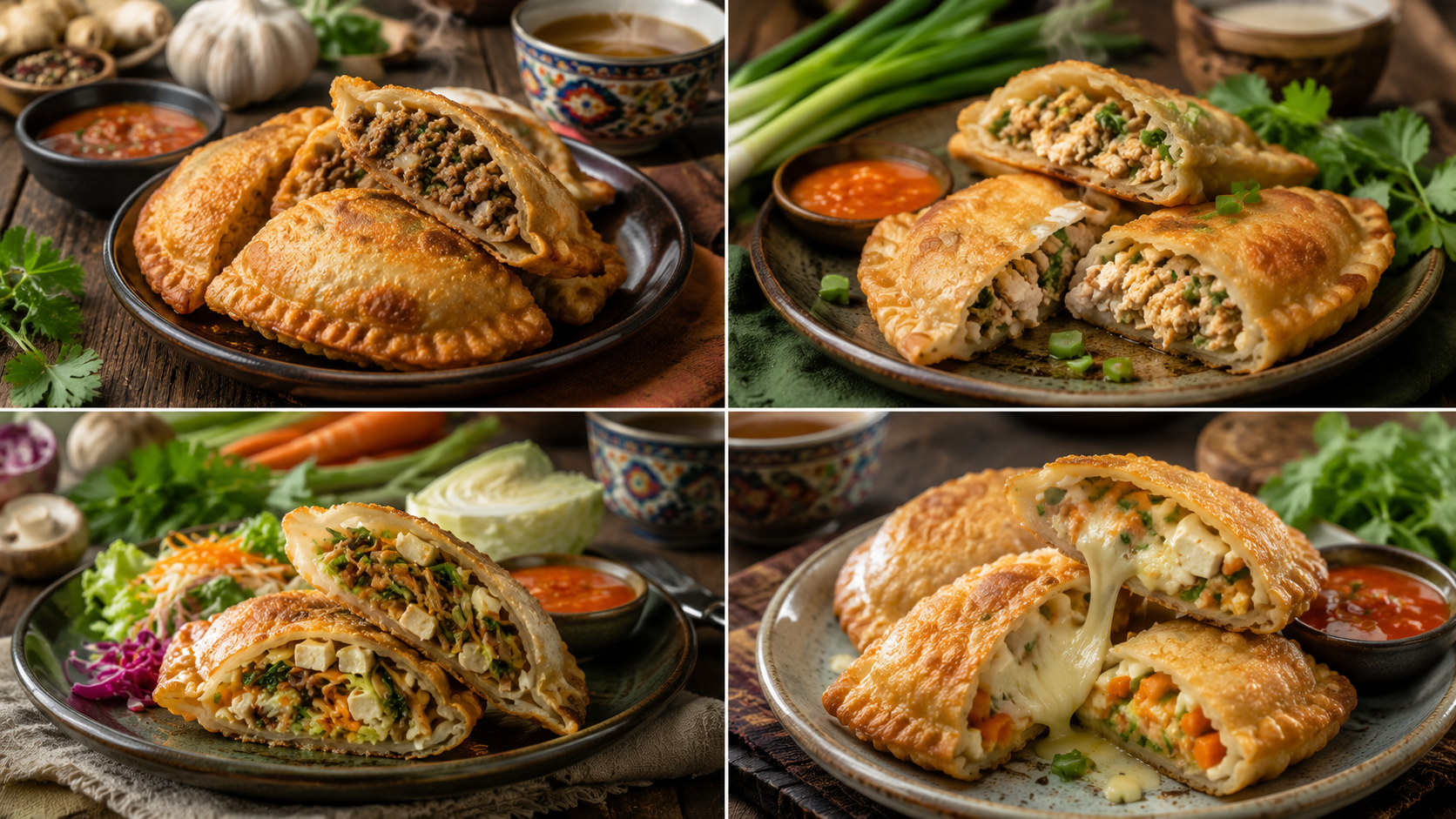
Shapale is one of the most loved comfort foods in the Himalayan mountains, bearing the hallmarks of a ‘crisp, golden covering, with an aromatic and delicious filling’. Shapale can be made in the traditional Tibetan manner, with a chicken filling from Sikkim, or can be filled with varied ingredients such as cheese, or even vegetables! Whatever form it takes, it is invariably delicious and filling!

Anjali Raj Singh
I am a food writer and culinary content creator specializing in global cuisines, traditional recipes, food culture, and cooking techniques. Through extensive research and hands-on recipe analysis, I create accurate, informative, and engaging content that helps readers explore authentic dishes from around the world. My work covers recipe development, food history, ingredient guides, restaurant features, and culture-driven culinary stories.
At Foods Around the World, I focus on delivering well-researched, reader-friendly, and SEO-optimized content that reflects the traditions, flavors, and culinary heritage behind each dish. Every article is carefully reviewed for accuracy and relevance, ensuring readers can discover trusted recipes, cooking insights, and food experiences from diverse cultures worldwide.