
- What is Laksa?

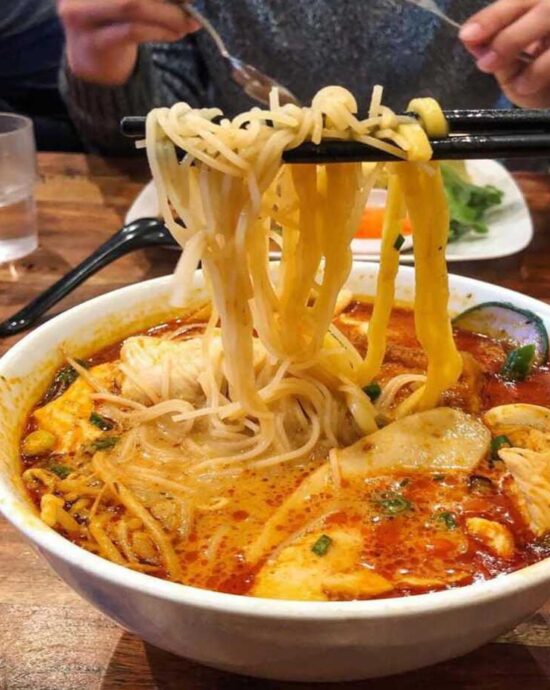
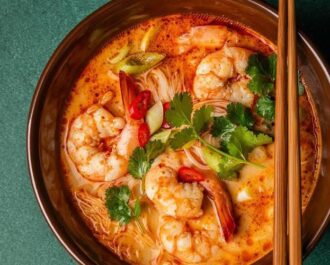
Laksa is defined as one of the most popular noodle soups in Southeast Asia, with smooth, beautiful noodles served in a thick coconut milk, aromatic broth enriched with spices, herbs and either a dollop of curry paste or tamarind. While originating from Malaysia and Singapore, the delicious Laksa is also renowned in India, gaining popularity particularly in Northeast India and urban metropolitan areas
Laksa is available in many states of Malaysia, a spicy dish that can be thick and creamy, using coconut milk or sour in flavor, such as tamarind broth, and usually served with chicken, prawns, tofu, fishcakes, boiled egg or fresh vegetables
- Regional Variations of Laksa
Malaysian Curry Laksa
The most common version made was with coconut milk, curry paste, rice noodles, chicken, prawns, tofu puffs, and eggs to be boiled.
Taste Profile
It was creamy, spicy and aromatic.
Why It Is Popular
Its creamy coconut broth, packed with aromatic, fragrant spices and tender noodles, is one of the most satisfying dishes in Southeast Asia.
Nutritional Highlights
Good protein source
Rich healthy fats
Balanced meal
Singapore Katong Laksa
A popular Singaporean presentation having shorter varieties of rice noodles presented in thick coconut curry style, broth containing a field of water.
Taste Profile
Creamy, mildly hot, savoury
Why It Is Popular
The shorter noodles are ‘corporate-able’ using a spoon, making this version both novel and practical whilst keeping its traditional flavour.
Nutritional Highlights
Rich seafood protein
Calcium-rich ingredients
Energy-rich meal
Penang Assam Laksa
Made with a tangy fish stock with tamarind, pineapple, mint, cucumber, and rice noodles.
Taste Profile
Tangy, spicy, refreshing
Why It Is Popular
These very unique sour and spicy flavours are among Malaysia's best-loved regional cuisines.
Nutritional Highlights
High protein
Fresh herbs
Low coconut content
Vegetarian Laksa
Made with coconut milk, tofu, mushrooms, baby corn, bok Choy, carrots, and mixed vegetables.
Taste Profile
Rich, mildly spicy, hearty, creamy
Why It Is Popular
This vegetarian version is just as comforting as Laksa but is also light and healthy.
Nutritional Highlights
Plant-based protein
Fresh vegetables
Rich fibre
Nutritional Value (Per Serving)
Nutritional Value
Calories: 420–560 kcal
Protein: 18–24 g
Carbohydrates: 40–50 g
Fat: 18–24 g
Fibre: 5–7 g
Calcium: 120–180 mg
- Basic Ingredients Used
Rice Noodles
Quantity: 300 g
Nutritional Value (100 g)
Calories: 364 kcal
Carbohydrates: 80 g
Protein: 6 g
Nutritional Benefits
Good energy source
Gluten-free
Easy to digest
Coconut Milk
Quantity: 2 cups
Nutritional Value (100 ml)
Calories: 230 kcal
Fat: 24 g
Nutritional Benefits
Healthy fats
Rich creamy texture
Natural flavour
Chicken Breast (or Prawns/Tofu)
Quantity: 250 g
Nutritional Benefits
High-quality protein
Muscle support
Filling ingredient
Laksa Curry Paste
Quantity: 3 tablespoons
Nutritional Benefits
Rich aromatic spices
Traditional flavour
Natural herbs
Garlic
Quantity: 5 cloves (minced)
Nutritional Benefits
Supports immunity
Rich aroma
Natural antioxidants
Ginger
Quantity: 1 tablespoon (grated)
Nutritional Benefits
Supports digestion
Anti-inflammatory
Warm flavour
Onion
Quantity: 1 medium (sliced)
Nutritional Benefits
Rich antioxidants
Adds sweetness
Good fibre
Vegetable or Chicken Stock
Quantity: 4 cups
Nutritional Benefits
Rich flavour
Nutritious broth
Hydration
Tofu Puffs
Quantity: 1 cup
Nutritional Benefits
Plant protein
Absorbs broth
Rich calcium
Bean Sprouts
Quantity: 1 cup
Nutritional Benefits
Vitamin C
Fresh crunch
Low calories
Bok Choy
Quantity: 2 cups
Nutritional Benefits
Rich Vitamin A
Fibre
Calcium
Boiled Eggs
Quantity: 2 (halved)
Nutritional Benefits
High-quality protein
Vitamin D
Healthy fats
Spring Onions
Quantity: ¼ cup chopped
Nutritional Benefits
Fresh flavour
Vitamins
Antioxidants
Fresh Coriander
Quantity: ¼ cup chopped
Nutritional Benefits
Vitamin C
Fresh aroma
Antioxidants
Lime
Quantity: 1 (cut into wedges)
Nutritional Benefits
Vitamin C
Fresh acidity
Bright flavour
Oil
Quantity: 2 tablespoons
Nutritional Benefits
Even cooking
Rich flavour
Salt
Quantity: To taste
Nutritional Benefits
Enhances flavour
- Ingredient Tips
Simmer the stock gently after the addition of the coconut milk to prevent it from splitting.
If the rice noodles are cooked, just combine them with the main dish at the last moment so as not to be mushy.
- How to Make Laksa
Prepare the Curry Base

Heat the oil, add the onions, garlic, ginger and Laksa curry and fry until fragrant.
Nutritional Benefits
Rich flavour
Aromatic spices
Traditional base
Prepare the Broth

Add the stock and coconut milk and simmer gently until the broth is fragrant and intense.
Nutritional Benefits
Healthy fats
Nutritious broth
Balanced flavour
Cook the Protein

Add chicken, prawns, tofu, or vegetables and cook until tender.
Nutritional Benefits
High protein
Balanced nutrition
Filling meal
Cook the Noodles

Boil the rice noodles separately according to the package instructions and drain well.
Nutritional Benefits
Energy source
Soft texture
Assemble and Garnish
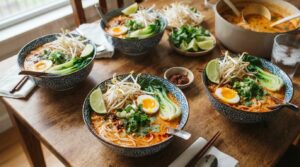
Divide the noodles between serving bowls, ladle the hot Laksa into the bowls and top with bean sprouts, bok choy, boiled eggs, coriander, spring onions and lime wedges.
Nutritional Benefits
Complete meal
Rich vitamins
Fresh herbs
- Why You'll Love This Recipe
Laksa is luscious, hearty, and complex. The fragrant, creamy coconut base, fragrant mix of spices, springy noodles and fresh toppings make it a delicious lunch or dinner option.
Nutritional Advantages
High-quality protein
Rich healthy fats
Good fibre content
Fresh vegetables
Balanced one-bowl meal
- Serving Suggestions
Fresh Vietnamese Spring Rolls: The freshness of the vegetables complements the richness of the Laksa broth.
Creamy Cucumber Salad : A lightly dressed cucumber salad offsets the creamy and spicy flavours.
Steamed Jasmine Rice: The perfect choice to absorb all the tasty curry sauce.
Lemongrass Iced Tea: A fragrant, refreshing drink to pair with the aromatic spices.
- Expert Tips
Do not boil coconut milk rapidly: Keep at a mellow simmer to maintain a smooth, creamy consistency
Cook the Noodles Apart: this avoids the broth being too thick or starchy
Adjust the Heat Gradually: Introduce the paste gradually to reach the sweetness/spiciness you desire
Serve straight away: Serve this as hot as you can, so the noodles stay tender
- Frequently Asked Questions (FAQs)
Q. What is the difference between Curry Laksa and Assam Laksa?
Curry Laksa and Assam Laksa are different in the fish broths. It would be an aromatic and creamy coconut milk based broth for Curry Laksa. However, the Assam Laksa would be more tangy and fish based broth due to tamarind paste.
Q. Is Laksa a vegetarian dish?
Yes. With the meat or seafood, use tofu, mushrooms and assorted vegetables, and then the vegetable stock.
Q. Which type of noodles are used traditionally?
The traditional choice is rice noodles, however, in some regional varieties egg noodles are also employed.
Q. How hot is Laksa?
The spice level can be controlled by increasing or decreasing the quantity of Laksa curry paste.
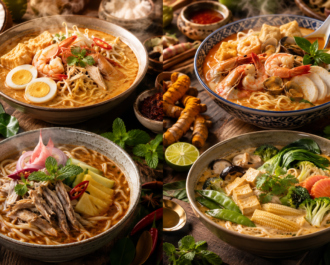
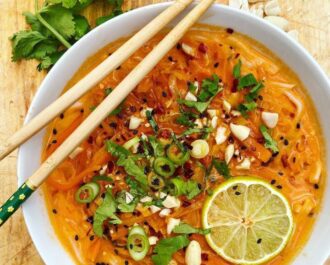
Laksa is a mouth-watering, delicious Southeast Asian noodle soup. The fragrant and spicy broth, silky noodles and diverse and addictive mixture of spices all combine to give this dish its great reputation. Whether you prefer the creaminess of Malaysian Curry Laksa, the aromas of Singapore Katong Laksa, the sour lemoniness of Penang Assam Laksa or are looking for a Vegetarian Laksa, you will get warmth, comfort and memorable flavour every time. Rich, hearty and wonderfully fragrant, Laksa is still a firm favourite

Anjali Raj Singh
I am a food writer and culinary content creator specializing in global cuisines, traditional recipes, food culture, and cooking techniques. Through extensive research and hands-on recipe analysis, I create accurate, informative, and engaging content that helps readers explore authentic dishes from around the world. My work covers recipe development, food history, ingredient guides, restaurant features, and culture-driven culinary stories.
At Foods Around the World, I focus on delivering well-researched, reader-friendly, and SEO-optimized content that reflects the traditions, flavors, and culinary heritage behind each dish. Every article is carefully reviewed for accuracy and relevance, ensuring readers can discover trusted recipes, cooking insights, and food experiences from diverse cultures worldwide.