
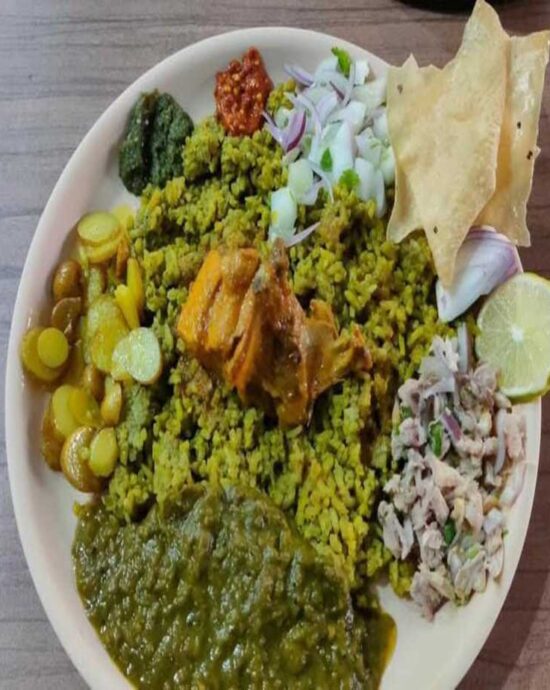

- What is Jadoh?

Jadoh is probably the most famous dish of the Khasi tribe, which lives in the state of Meghalaya. The dish is made of rice and pork, arising in a delightful mix of spices, onions, ginger, garlic and turmeric and is widely regarded as one of the most famous of all the dishes of Northeastern India. The name Jadoh is Khasi, which literally means rice with meat
Jadoh was usually cooked for family gatherings, festivals, wedding parties, and community gatherings. This dish is appreciated by its aromatic smell, delicious taste, and the contributions of natural ingredients, and the vegetarian alternative of using mushrooms or vegetables is also commonly prepared
- Regional Variations of Jadoh
Traditional Khasi Jadoh
The actual version is made with pork, short-grain rice, garlic, ginger, onions, turmeric, and black pepper.
Taste Profile
Rich, savoury, lightly smoky
Why It Is Popular
The mix of tender means of pork and the aromatic rice cooked together makes it very nourishing and a taste of the people of Meghalaya.
Nutritional Highlights
High-quality protein
Rich iron content
Balanced one-pot meal
Jadoh Snam
A traditional festive variation made with pork and fresh pork blood, which made the rice darker in colour and more flavoursome.
Taste Profile
Earthy, rich, full-bodied
Why It Is Popular
It is a traditional Khasi dish, usually served on special occasions or festivals. It represents the traditional Khasi delicacy and ancestral culture.
Nutritional Highlights
Iron-rich
Protein-packed
Energy-rich meal
Chicken Jadoh
A lighter version, substituting pork with chicken, with the true essence of the Khasi spices.
Taste Profile
Light, salty, aromatic
Why It Is Popular
Chicken would be a good substitute as it is leaner and still retains the ‘real’ taste of Jadoh, so it is more appropriate for everyday use.
Nutritional Highlights
Lean protein
Lower fat
Balanced nutrition
Vegetable Jadoh
Ready with mushrooms, carrots, peas, beans, potatoes and local herbs other than meat.
Taste Profile
Tasty, mildly spicy, satisfying, comforting
Why It Is Popular
The vegetarian variant has become a hit with travellers or health-conscious families.
Nutritional Highlights
Rich dietary fibre
Fresh vegetables
Plant-based nutrition
Nutritional Value (Per Serving)
Nutritional Value
Calories: 420–560 kcal
Protein: 18–24 g
Carbohydrates: 38–45 g
Fat: 16–24 g
Fibre: 3–5 g
Iron: 3–5 mg
- Basic Ingredients Used
Short-Grain Rice
Quantity: 2 cups
Nutritional Value (100 g)
Calories: 365 kcal
Carbohydrates: 80 g
Protein: 7 g
Nutritional Benefits
Excellent energy source
Easy to digest
Soft texture
Pork (Boneless, Cubed)
Quantity: 500 g
Nutritional Value (100 g)
Calories: 242 kcal
Protein: 27 g
Nutritional Benefits
High-quality protein
Rich iron source
Supports muscle health
Onion
Quantity: 2 medium (finely sliced)
Nutritional Benefits
Rich antioxidants
Natural sweetness
Good fibre
Garlic
Quantity: 6 cloves (minced)
Nutritional Benefits
Supports immunity
Rich aroma
Natural antioxidants
Ginger
Quantity: 1 tablespoon (grated)
Nutritional Benefits
Supports digestion
Anti-inflammatory
Warm flavour
Green Chillies
Quantity: 2–3 slit
Nutritional Benefits
Rich Vitamin C
Fresh heat
Antioxidants
Turmeric Powder
Quantity: ½ teaspoon
Nutritional Benefits
Natural colour
Anti-inflammatory
Rich antioxidants
Black Pepper Powder
Quantity: 1 teaspoon
Nutritional Benefits
Digestive support
Mild spice
Rich aroma
Bay Leaves
Quantity: 2
Nutritional Benefits
Aromatic seasoning
Traditional flavour
Vegetable or Meat Stock
Quantity: 4 cups
Nutritional Benefits
Rich flavour
Nutritious broth
Moist cooking
Mustard Oil or Pork Fat
Quantity: 2 tablespoons
Nutritional Benefits
Traditional flavour
Rich aroma
Healthy fats
Fresh Coriander
Quantity: ¼ cup chopped
Nutritional Benefits
Vitamin C
Fresh aroma
Antioxidants
Spring Onions
Quantity: ¼ cup chopped
Nutritional Benefits
Rich vitamins
Fresh flavour
Antioxidants
Salt
Quantity: To taste
Nutritional Benefits
Enhances flavour
- Ingredient Tips
Use freshly cut pork with a small amount of fat for authentic Khasi flavour and a juicy texture
Wash and drain the rice well before cooking to keep the grains separate and fluffy
- How to Prepare Jadoh
Marinate the Pork

Sprinkle the salt, black pepper, turmeric, ginger and garlic on the pork, leave for 20–30 minutes.
Nutritional Benefits
Rich protein
Enhanced flavour
Tender meat
Cook the Aromatics

Fry mustard oil or pork fat and saute onions, bay leaves, ginger, garlic, and green chillies until aromatic.
Nutritional Benefits
Rich aroma
Traditional flavour
Antioxidants
Cook the Pork

Next, add the marinated pork and cook until lightly browned and half-cooked.
Nutritional Benefits
High-quality protein
Rich iron
Filling ingredient
Add the Rice

Add the cooked pork to the washed rice and stir for a few minutes. Put in the stock.
Nutritional Benefits
Balanced carbohydrates
Complete meal
Even flavour
Simmer Until Cooked

Add all the stock, place a lid on and simmer on a very low heat until the rice has absorbed all of the stock and is cooked through.
Nutritional Benefits
Moist cooking
Retains nutrients
Soft texture
Garnish and Serve

Top with chopped coriander and spring onions before serving hot.
Nutritional Benefits
Fresh herbs
Additional vitamins
Enhanced flavour
- Why You'll Love This Recipe
Jadoh is a tasty and hearty one-pot dish loaded with soft meat, fragrant spices and fluffy rice. Due to its easy-to-cook nature, warm taste and wholesome value, Jadoh can be eaten comfortably at family lunchtime, during major events or as a satisfying dinner.
Nutritional Advantages
Good-quality protein:
Has a high iron content
Balanced Carbohydrates
One-pot healthy Meal
A good source of essential minerals
- Serving Suggestions
Tungrymbai: It is a traditional fermented soybean relish from Meghalaya that is a perfect accompaniment for Jadoh
Fresh Khasi Salad: The cucumber, onion, tomatoes and chillies add freshness and crunch
Smoked Tomato Chutney: The smoky, with a sharp edge, hits well with the lush pork and aromatic rice.
Tea: Having a hot cup of simple black tea normally follows a heavy Khasi meal.
- Expert Tips
Brown the Pork Well: Light caramelisation develops a further flavour, before cooking the rice
Don‘t Over-Stir: When you add the rice, lightly stir to avoid breaking the individual grains.
Cook on Low Heat: Gentle cooking is a good way to ensure the flavour of the spices, meat and rice is well absorbed evenly
Rest: Allow the Jadoh to sit for 5--10 minutes after removing from the stove for better texture
- Frequently Asked Questions (FAQs)
Q. What does “Jadoh” mean?
In the Khasi language, “Ja” is rice and “Doh” is meat, so Jadoh is literally rice with meat.
Q. What meat is currently in use?
Khasi Jadoh, the traditional Khasi rice served with meat, is mainly cooked with pork to make it the real one and most standard.
Q. Is it possible to prepare vegetarian Jadoh?
Yes. To make a vegetarian version, it would be delicious with mushrooms, tofu or a mix of vegetables instead of the meat.
Q. Does Jadoh taste spicy?
The old-style Jadoh remains a less strongly-flavoured product, to maintain the taste of the meat and rice.
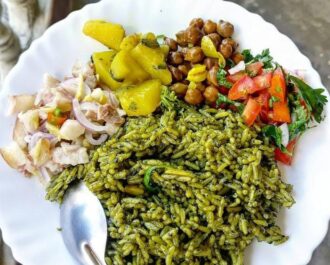

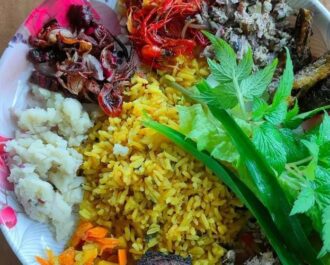
Jadoh is probably the most famous dish of the Khasi tribe, which lives in the state of Meghalaya. The dish is made of rice and pork, arising in a delightful mix of spices, onions, ginger, garlic and turmeric and is widely regarded as one of the most famous of all the dishes of Northeastern India. The name Jadoh is Khasi, which literally means rice with meat
Jadoh was usually cooked for family gatherings, festivals, wedding parties, and community gatherings. This dish is appreciated by its aromatic smell, delicious taste, and the contributions of natural ingredients, and the vegetarian alternative of using mushrooms or vegetables is also commonly prepared

Anjali Raj Singh
I am a food writer and culinary content creator specializing in global cuisines, traditional recipes, food culture, and cooking techniques. Through extensive research and hands-on recipe analysis, I create accurate, informative, and engaging content that helps readers explore authentic dishes from around the world. My work covers recipe development, food history, ingredient guides, restaurant features, and culture-driven culinary stories.
At Foods Around the World, I focus on delivering well-researched, reader-friendly, and SEO-optimized content that reflects the traditions, flavors, and culinary heritage behind each dish. Every article is carefully reviewed for accuracy and relevance, ensuring readers can discover trusted recipes, cooking insights, and food experiences from diverse cultures worldwide.