
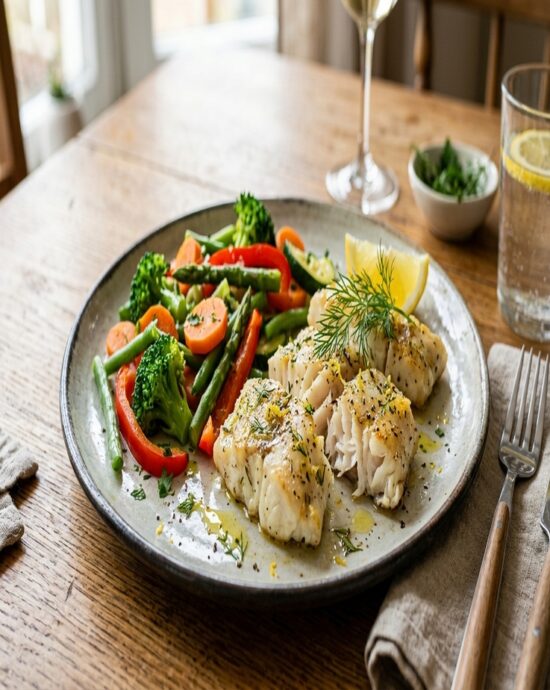

- What is Fish with Steamed Vegetables?

Steamed Fish with vegetables is a very light and healthy meal in terms of calories, and using a good mixture of the right food contents, and is popular throughout western Asia and southeastern Asia. The main emphasis of this meal is on the fish, which is cooked very delicately by steaming, and is served along with the vegetables, which will naturally have a good taste
This is not a rich and heavy dish full of deep-fried or cream-based dishes, but rather a fresh, light remedy. Typical ingredients in East Asian dishes for subtle seasoning may include soy sauce, ginger, sesame oil and scallions and for Western Asian styles, olive oil, herbs, garlic, lemon and warm oils
What makes it so desirable is that it is the answer to today‘s eating out dilemma: healthy, rich in protein, lighter in feel and easier to digest, while still being full of flavour
Timing is one of the most crucial factors in achieving the proper steaming. There are different situations where fish cooks very fast, while vegetables might take a while; this is important because of the progress and order of cooking
- Regional Variations of Fish with Steamed Vegetables
East Asia – Delicate & Umami-Based Cooking
China – Ginger Soy Steamed Fish
China‘s famous for steamed whole fish with ginger and soy scallions.
Taste Profile: Light, savoury, umami-rich
The reason why it is so popular: Keeps original freshness and flavour.
Best for: Family eating in/out and holiday food.
Japan – Simple Steamed Fish with Vegetables
Japanese emphasizes light seasoning and harmony of presentation.
Taste Profile: Clean, subtle, fresh
Why is it popular: Healthy, elegant cooking style
Ideal for: Light lunches and old-fashioned meals.
South Korea – Mild Spicy Fish Preparations
In South Korea, fish is mostly combined with garlic, sesame oil, and sauces made of chilli.
Taste Profile: Mildly spicy, aromatic, mildly spicy, savoury
Why it‘s popular: Good flavour and balanced nutrition
Most suitable for: Everyday home cooking
Western Asia – Herb & Olive Oil-Based Cooking
Turkey – Lemon Herb Fish
Turkey has olive oil, herbs and lemon with fish and vegetables.
Taste Profile: Citrusy, herby, fresh
What is popular: Healthy Mediterranean meals
Best for: Lunchtime and evening.
Lebanon – Garlic & Olive Oil Fish Dishes
Lebanon often cooks fish with garlic, parsley, and steamed vegetables.
Taste Profile: Bright, earthy, balanced
Reasons for popularity: Healthy to eat, easy to cook.
Best for: Healthy family meal
Iran – Saffron & Herb Influences
Use of herbs, saffron, and rice with fish.
Taste Profile: Aromatic, mild, comforting
Why it is popular: Traditional balanced meals.
Best for: Rice-centric suppers
- Why You’ll Love This Recipe
This dish can support the modern demands of a healthy lifestyle. It is predominantly comprised of lean protein with many red & orange vegetables and requires very little oil or heating techniques. It is light yet satisfying and can be eaten as a lunch/dinner dish. It is also suitable for those requiring nutritional feeds, balanced nutrition and no fried or heavily salted foods. As steaming retains the nutrition and natural flavours, it feels fresh, clean and satisfying
- Ingredient Tips
Use fresh fish: Fresh fish tend to have firmer texture and more natural flavour. It tends to keep its shape better when steamed and stays more tender. Fish with a mild smell, bright eyes and firm flesh are usually better
Choose firm vegetables: Avoid the vegetables from getting too soft and mushy when steaming: carrots, beans, broccoli, peppers, etc., keep their texture well. Firm-textured vegetables put off a better balance to the steamed fish's soft texture
Balance seasoning carefully: Steamed dishes depend on delicate flavours. If the dish is seasoned too much, the taste of the fish will be lost, and the addition of the vegetables will not be noticed. Usually, a little milk, lemon, herbs or pepper for added flavour works best
Cut vegetables evenly: Ensures they cook evenly. Cutting some vegetables unevenly results in some being overdone while others are underdone. Likewise, equal-sized pieces result in a better presentation and more consistent texture
- How to Cook Fish with Steamed Vegetables
A. Preparation
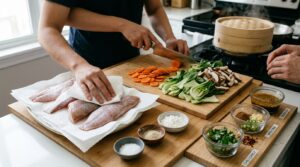
Dry and prepare the fish first. Make sure there is no excess moisture on the fish, which could cause condensation or blockage of the seasoning when it is added. It also gives a better result when seasoned
Try to slice the vegetables evenly, so they all cook at about the same time. Hard vegetables tend to require thinner slices, such as carrots, relative to softer types, such as bok choy
Make up sauces or seasonings in advance, as steaming is a rapid process. This will avoid overcooking of foods subsequently
B. Cooking Method
Prepare the Steamer

Boil water in a steamer or deep pan with a steaming rack. A moderate steam is best for gentle cooking. Too much heat can overcook delicate flesh very quickly
Season the Fish
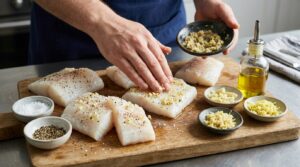
Rub the fish with salt, pepper, garlic, fresh ginger and oil. This momentarily seasons the fish without overpowering the taste of the fresh fish. The resting time of 10–15 minutes allows the flavours to penetrate the fish
Arrange Vegetables
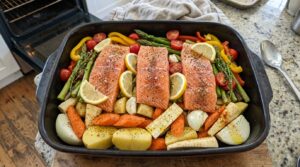
Position vegetables around and/or under the fish. Place the harder vegetables nearer the heat source, as they take a long time to cook. This method of cooking also enables the flavours of vegetables to mingle with the fish juices
Steam the Fish
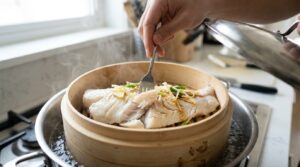
Steaming time is about 10–15 minutes for fish. The thinner the fish, the quicker they will be done. It will take longer, of course, for whole fish. The fish will flake easily when ready
Add Final Flavours

Drizzle over some soy, sesame or olive oil or lemon juice before serving. Fresh herbs or chopped scallions added at the last minute add to flavour and look. Serve immediately!
- Variations You Can Try
1. East Asian Soy-Ginger Version: Add soy sauce, sesame oil, and ginger. This creates a savoury umami-rich flavour profile. Spring onions and garlic can further enhance the aroma and depth of flavour. This variation pairs especially well with steamed rice or noodles
2. Western Asian Lemon Herb Version: Use olive oil, parsley, lemon, and garlic. This gives the dish a Mediterranean-style freshness. Fresh herbs brighten the fish naturally without overpowering its delicate flavour. Warm pita bread or roasted vegetables work very well with this variation
3. Spicy Korean-Style Fish: Add chilli paste or chilli flakes. Creates a mildly spicy and warming dish. Sesame seeds and scallions can add extra texture and authentic flavour. The spicy seasoning balances beautifully with the lightness of steamed fish
4. Coconut Steamed Fish: Add light coconut milk with herbs. This gives the dish a softer and richer texture. Curry leaves or lemongrass, can add extra aroma and tropical flavour notes. This creamy variation works especially well with rice or lightly sautéed vegetables
5.One-Pot Rice & Fish Version: Steam fish alongside seasoned rice and vegetables. This creates a complete meal with less cleanup. Cooking everything together allows the flavours to blend naturally and evenly. The rice absorbs the juices from the fish and vegetables, making the dish more aromatic and flavorful
- Serving Suggestions
With steamed rice: Rice absorbs the delicate light sauce easily. This achieves a complete, balanced meal. The softer rice can be served along with the steamed fish naturally. Seemingly aromatic grains such as jasmine rice and basmati are best paired with herb-heavy and soy-based sauces
With noodles: Light noodles are good combined with tender steamed fish. Perfect for an East Asian meal. Thin rice noodles or soba noodles make the meal lighter, but still fulfilling. Sautéed vegetables could add colour and nutrients to the noodle combination
With flatbread: A great accompaniment to Western Asian herb fish is pita or flatbread. It adds body and bulk to the meal. The warm flatbread is great for soaking up the sauce and herbs, and the two combined make the whole thing feel a bit Mediterranean and light, but hearty
With soup: Serve with a clear soup for a satisfying dinner. This is a particularly good option for the colder months. The mild nature of the soup allows the delicate flavours of the steamed fish to shine through without being overpowered, the perfect combination to warm and settle the stomach
- Expert Tips & Recipe Notes
Do not oversteam fish: Fish is quick to cook and can dry out if overcooked. Pay close attention to texture at the end of the steaming period. Fish is cooked when it is just beginning to flake, but remains moist on the inside, although thicker fillets may need longer cooking
Cut vegetables according to cooking time: Require less thickening. All vegetables should be cut to the same size so the shells will steam evenly. Softer vegetables can be cut into larger pieces so as not to overcook. This will ensure all the ingredients finish at the same time
Use medium steam: Gentle steaming keeps texture and flavour. Extremely high heat will make fish go rubbery. Steaming medium allows the veg to stay coloured and slightly crisp. Heat control is necessary to keep the fish‘s natural, delicate, clean flavour
Add delicate herbs at the end: Herbs tend to lose their flavour if overcooked, so stirring in at the last moment before serving will maintain much of the aroma. Good herbs with steamed foods should be parsley, coriander, dill, or mint. Final garnishing of herbs improves freshness and appearance naturally
Rest briefly before serving: Rest the fish for 1–2 minutes after steaming. The juices need to settle. This also makes the fish’s texture better and prevents the fish from falling to pieces immediately. The flavour balances after it’s rested for a little while
- Frequently Asked Questions (FAQs)
Q. Which fish do you think is the best choice to have steamed?
White fish such as sea bass, cod, snapper, or pomfret are suitable. Firm fish is more suitable because it retains its texture better when steamed.
Q. Is steamed fish better than fried fish?
Yes, it uses little oil and keeps nutrients more intact. It is also lighter and easier to digest.
Q. Are frozen fish available?
Yes, but thaw completely before. Knead it really well before cooking, as it is okay to do. Or, even better than that, you can remove the extra water with a towel and dry.
Q. How do I know when the fish is cooked?
The flesh should easily flake with a fork. It should look opaque, not translucent.
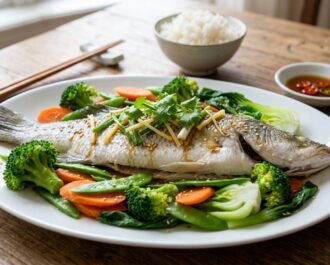
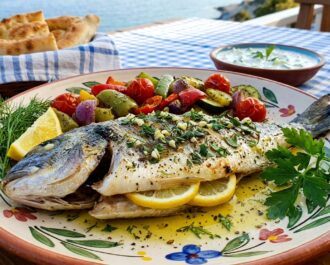
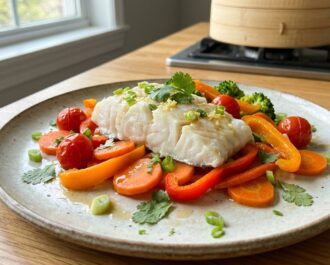
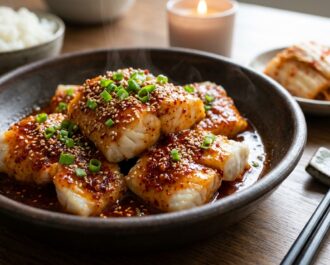
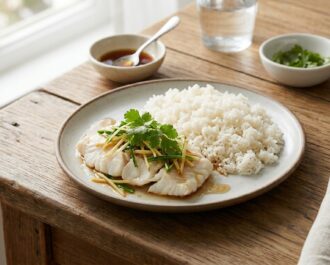
Fish and steamed vegetables are a perfect example of balancing and freshness in the East Asian/ Western Asian style of cooking. Absence of thick sauces or frying process results in the balanced use of diet, texture and natural taste
Steaming seems to be very easy, but once getting the timing right and prepare everything, it is one of the easiest, most healthy meals to make regularly at home with tender fish and cooked vegetables

Anjali Raj Singh
I am a food writer and culinary content creator specializing in global cuisines, traditional recipes, food culture, and cooking techniques. Through extensive research and hands-on recipe analysis, I create accurate, informative, and engaging content that helps readers explore authentic dishes from around the world. My work covers recipe development, food history, ingredient guides, restaurant features, and culture-driven culinary stories.
At Foods Around the World, I focus on delivering well-researched, reader-friendly, and SEO-optimized content that reflects the traditions, flavors, and culinary heritage behind each dish. Every article is carefully reviewed for accuracy and relevance, ensuring readers can discover trusted recipes, cooking insights, and food experiences from diverse cultures worldwide.