
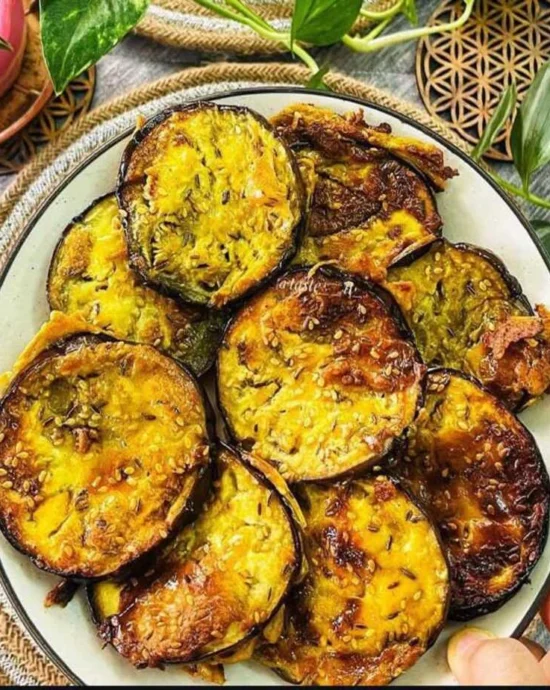

- What is Beguni Pakoda?
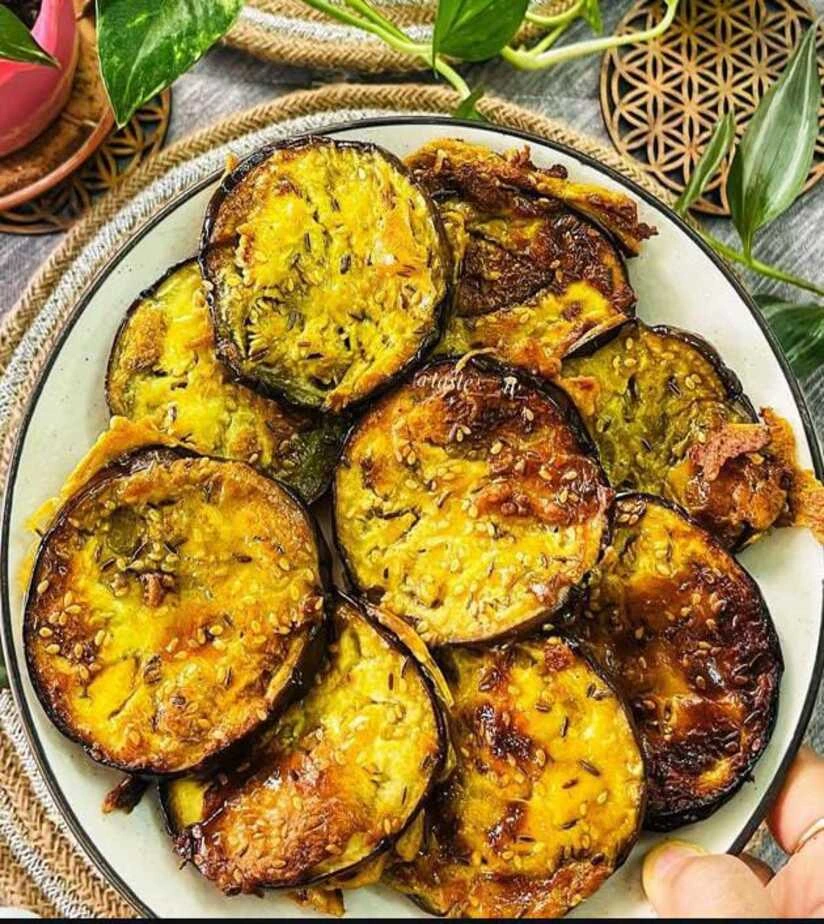
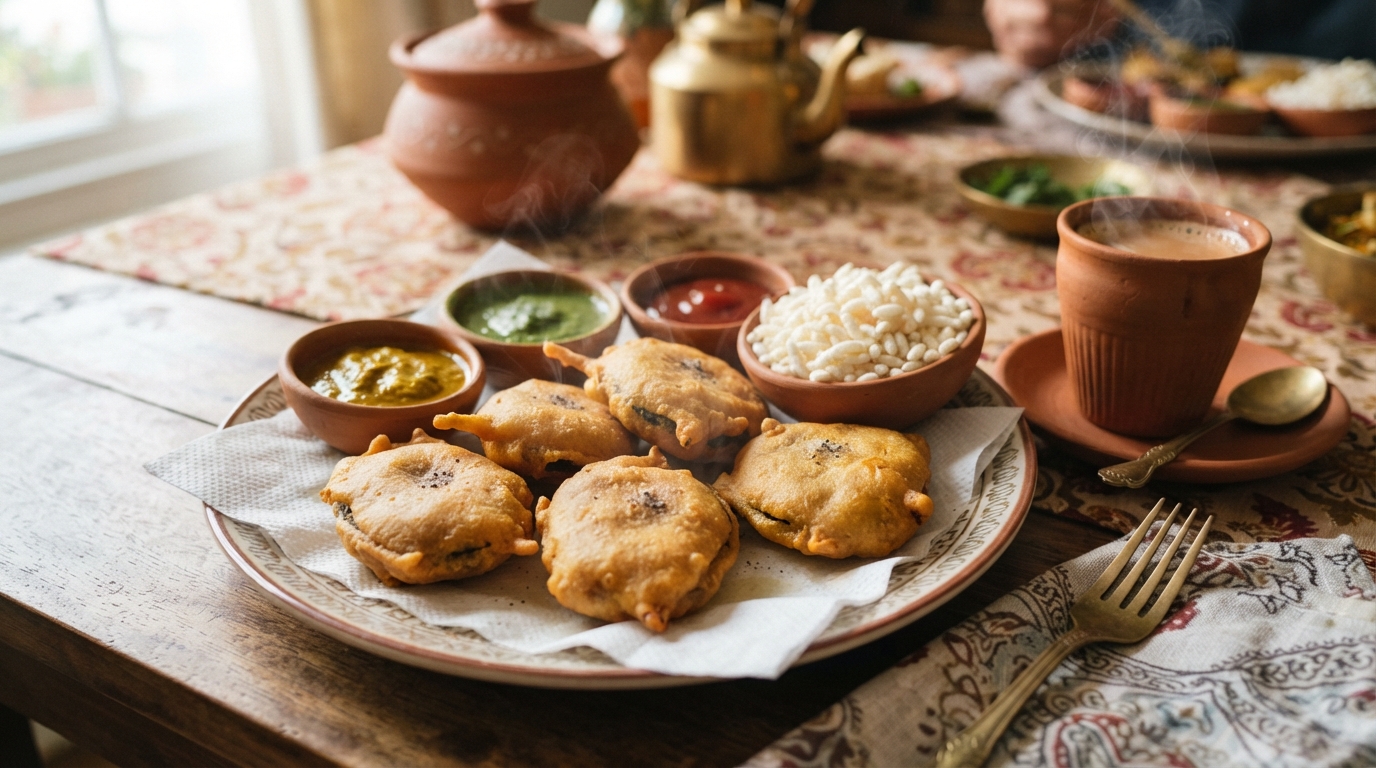
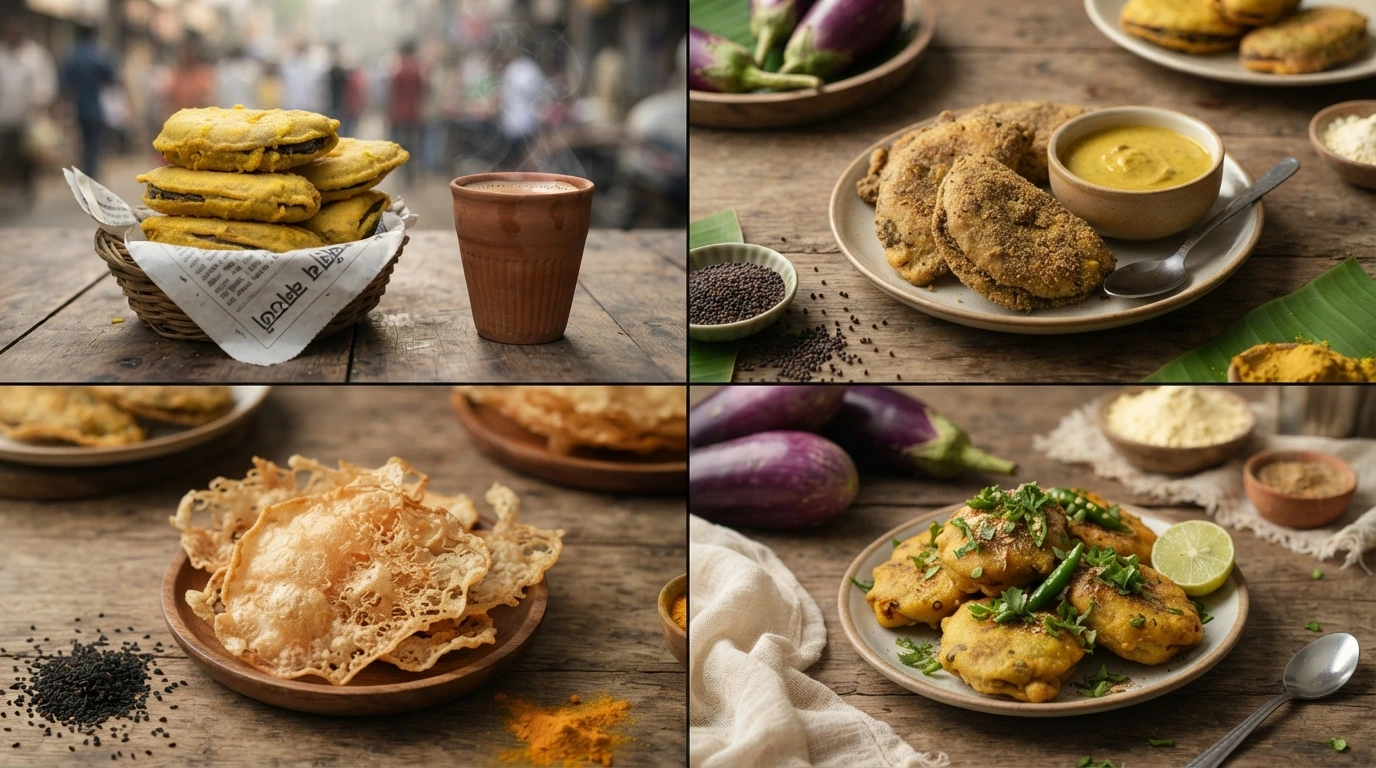
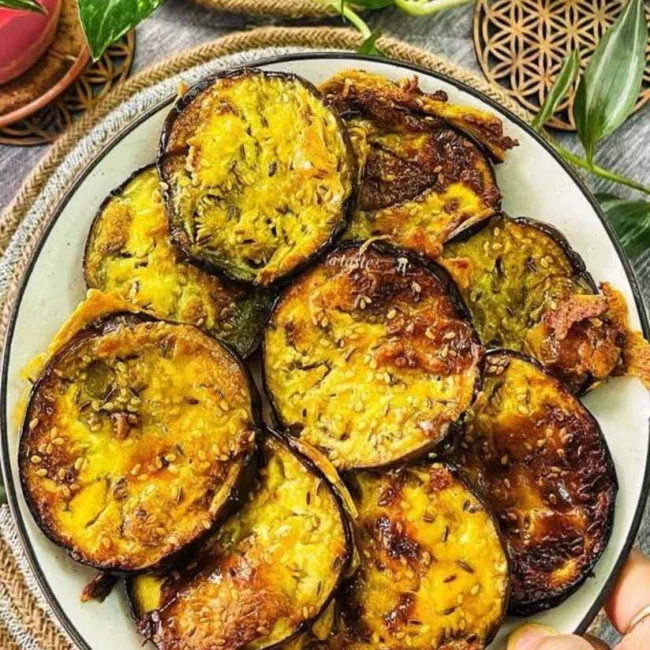
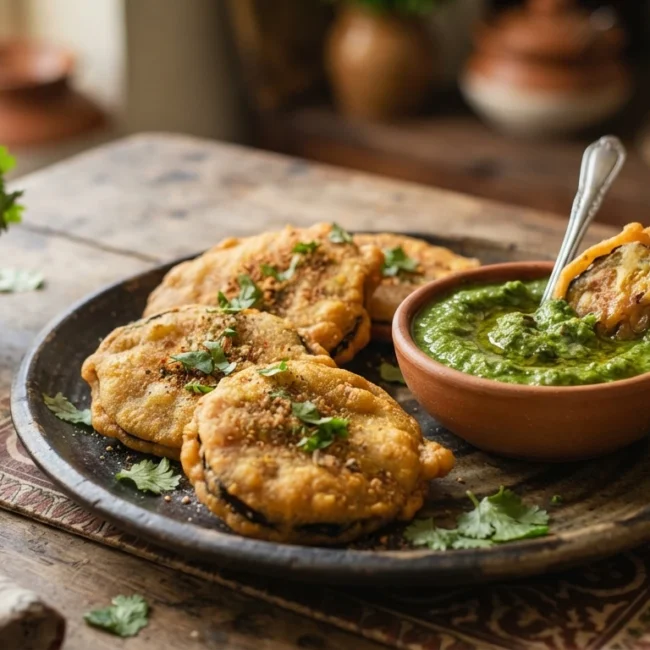
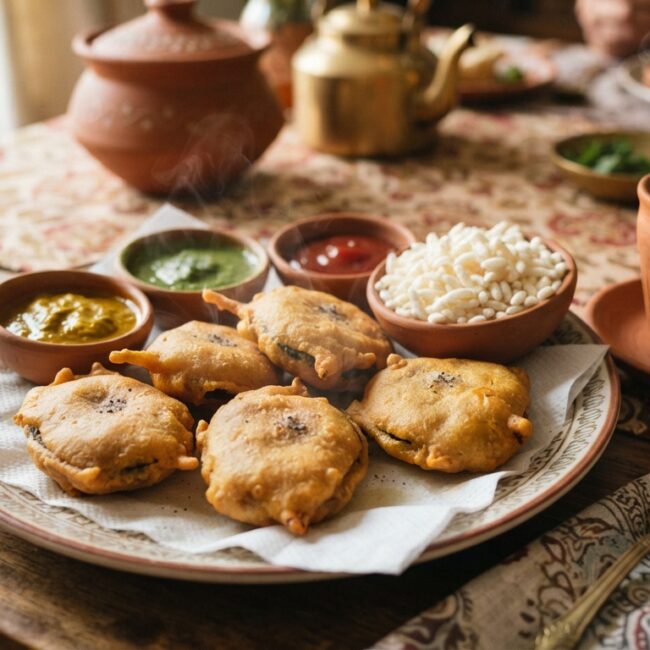
Beguni is a popular Bengali snack where thin slices of eggplant (brinjal) are dipped in lightly spiced gram flour batter and deep fried till crisp and golden. A favourite as a street snack and tea time snack, Begunis are enjoyed particularly during the rainy season and pujas, especially Durga Puja. It is usually eaten with Muri (puffed rice), Kasundi mustard, green chutney or hot masala chai
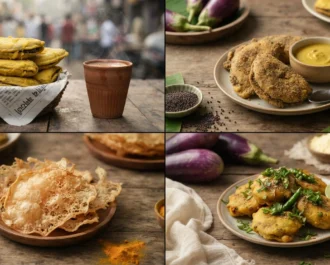
Beguni is the most common type in the state of West Bengal, but variations are made throughout the east and northeast of India, often with distinct batters and seasonings
- Regional Variations

Kolkata Street-Style Beguni
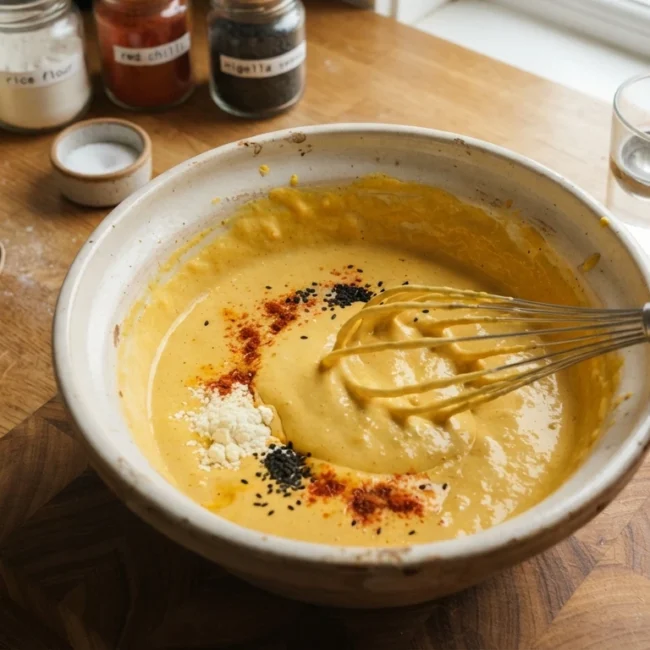
The traditional form from Kolkata is made with fairly thick slices of purple aubergine that are coated in a gram flour batter seasoned with turmeric, red chilli powder, nigella seeds (kalonji) and rice flour for crispness.
Taste Profile
Crispy, spicy, mildly woody
Why It Is Popular
A popular street snack, available at markets, railway stations and most roadside ‘chai’ stops, especially on cold, rainy evenings.
Nutritional Highlights
Rich dietary fibre
Plant-based snack
Antioxidants from eggplant
Shorshe Beguni (Mustard Beguni)
In the areas such as Nadia, Murshidabad and rural West Bengal, the variation was popular, which had the addition of mustard paste or mustard powder, to give a stronger Bengali flavour.
Taste Profile
Lemon-like, sharp, biting, crispy, intense, refreshing, hot, sour
Why It Is Popular
Mustard flavour is the best match to Bengali food and the old Gaya mustard-based curries.
Nutritional Highlights
Rich antioxidants
Traditional flavours
Good fibre
Rice Flour Crispy Beguni
The most common method is to add some extra rice flour or cornflour to produce a layer that is thinner and crunchier. This method is used in many Bengali homes.
Taste Profile
Extra crispy, savoury
Why It Is Popular
Thanks to its long-lasting crispiness, it is ideal for serving guests and festive nibbles.
Nutritional Highlights
Light batter
Crisp texture
Energy-rich snack
Vegetable Masala Beguni
A modern twist can be found at cafes and restaurants in Kolkata and Siliguri, where it is seasoned with chat masala, coriander, green chillies and freshly chopped herbs.
Taste Profile
Hot, fragrant, snap.
Why It Is Popular
Its seasoned profile appeals to the young generation, and at the same time, its flavour is intrinsic to the original Beguni.
Nutritional Highlights
Fresh herbs
Good dietary fibre
Plant-based nutrition
Nutritional Value (Per Serving)
Calories: 220–290 kcal
Protein: 5–7 g
Carbohydrates: 22–28 g
Fat: 12–16 g
Fibre: 4–6 g
Iron: 1–2 mg
- Basic Ingredients Used
Large Eggplant (Brinjal) – 1
Benefits
Rich fibre
Low calories
Natural antioxidants
Gram Flour (Besan) – 1 cup
Benefits
Plant protein
Good carbohydrates
Gluten-free
Rice Flour – 2 tablespoons
Benefits
Crispy coating
Light texture
Turmeric Powder – ½ teaspoon
Benefits
Natural colour
Anti-inflammatory
Red Chilli Powder – ½ teaspoon
Benefits
Mild spice
Rich colour
Nigella Seeds (Kalonji) – ½ teaspoon
Benefits
Traditional Bengali flavour
Digestive support
Salt – To taste
Benefits
Enhances flavour
Water – As required
Benefits
Smooth batter consistency
Oil – For frying
Benefits
Even cooking
Golden crisp texture
- Ingredient Tips
Choose fresh, firm purple aubergines for the best flavour.
Cut the eggplant into even slices so they will all cook in the same amount of time.
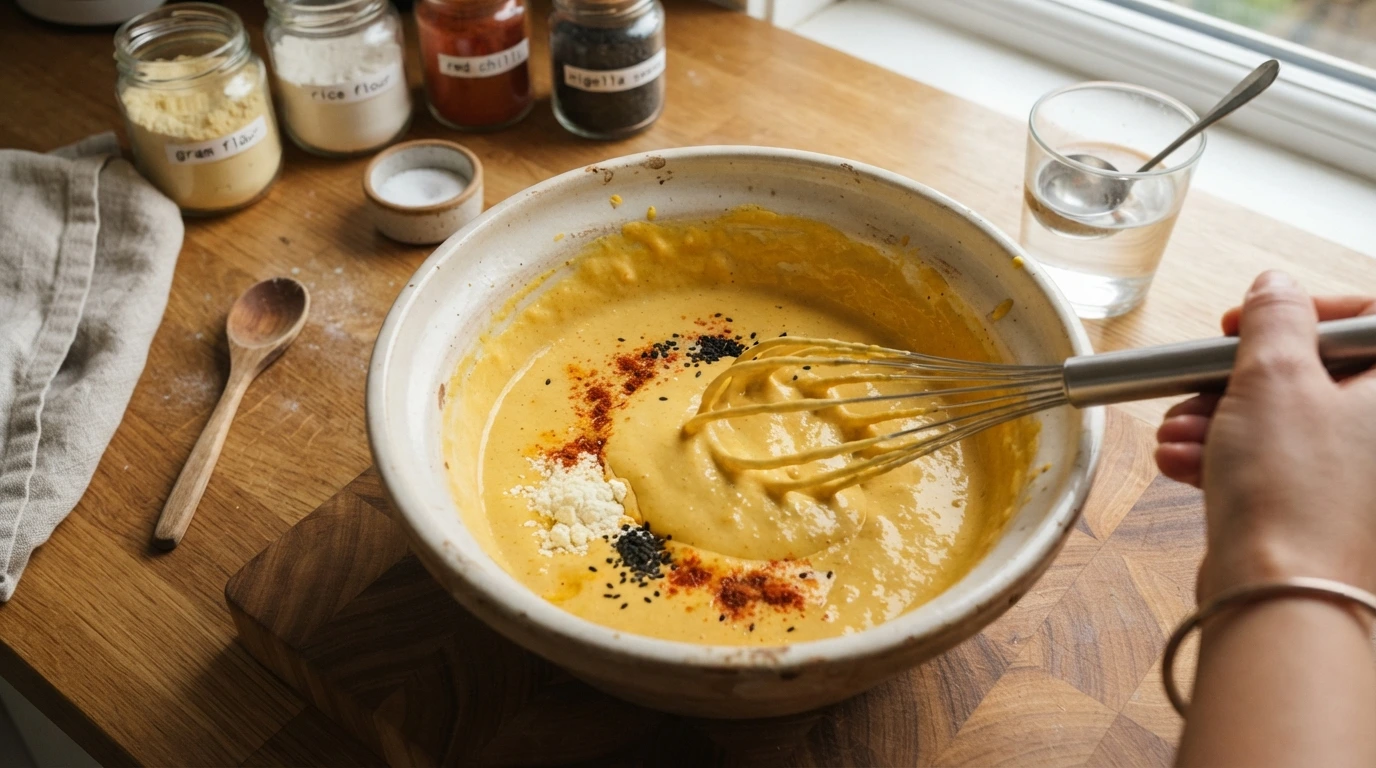
Must remain a thick but pourable consistency so it adheres to each slice evenly without being too heavy.
- How to Prepare Beguni Pakoda
Prepare the Eggplant
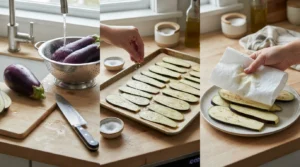
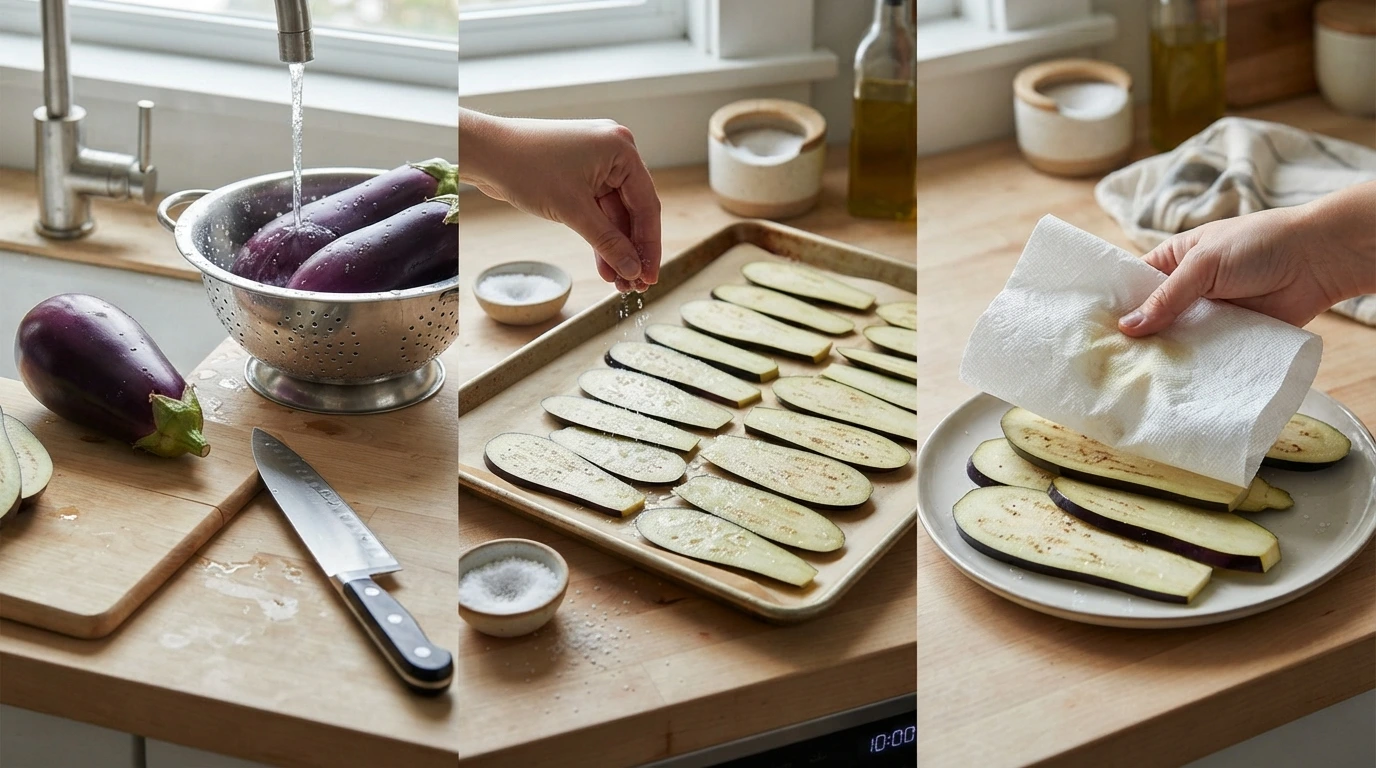
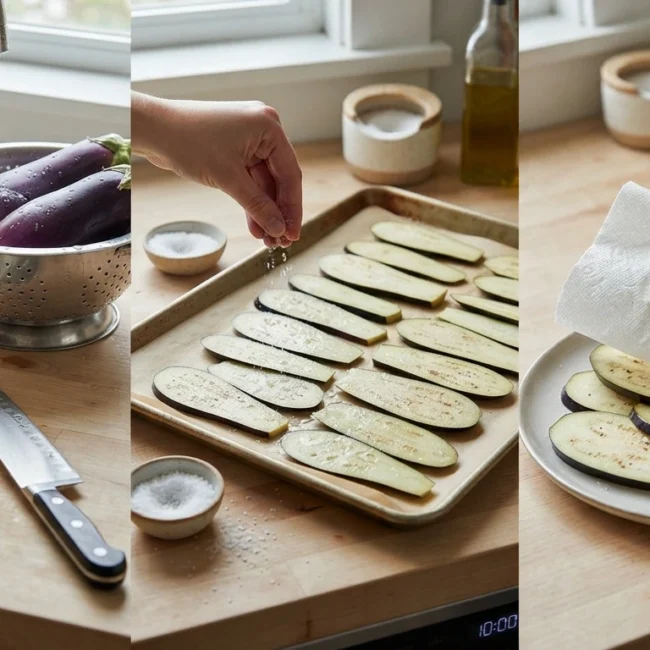
Rinse the eggplant well and cut it lengthwise into thin, uniform slices. Place a small amount of salt on each slice and set aside for about 10 minutes. This will allow the salty water to drain off and decrease the bitterness of the eggplant. Pat the slices dry with a paper towel.
Make the Batter
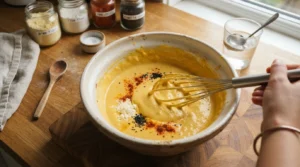
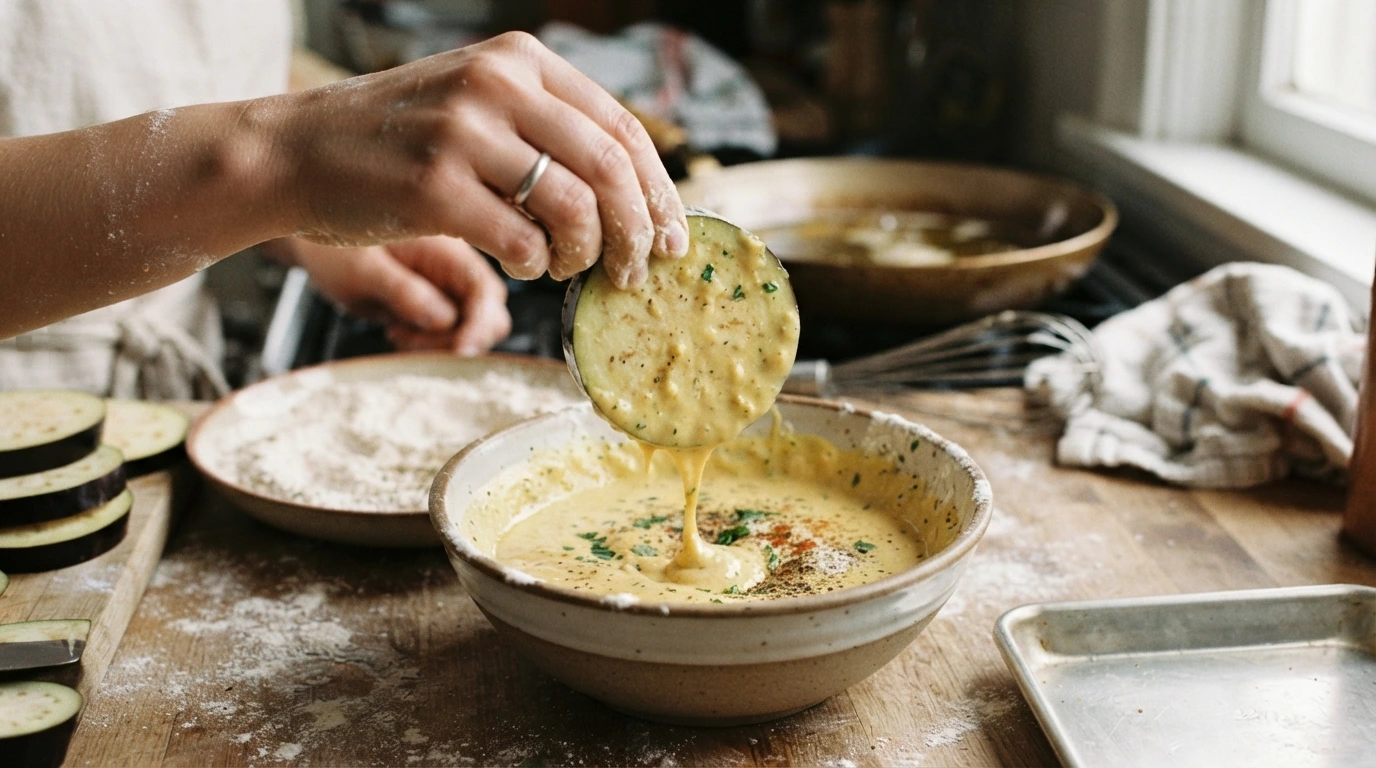
In a mixing bowl, mix gram flour, rice flour, turmeric, red chilli powder, nigella seeds, and salt. Add a little water at a time to make a smooth, lump-free batter. The batter should be consistent enough to stick to the eggplant and not run off. Leave for a few minutes before use.
Coat the Slices

Dip each slice of eggplant in the batter, coating it thoroughly and evenly on both sides. Let any excess batter drain off into the bowl, keeping the coating delicately crispy when fried.
Fry Until Crisp

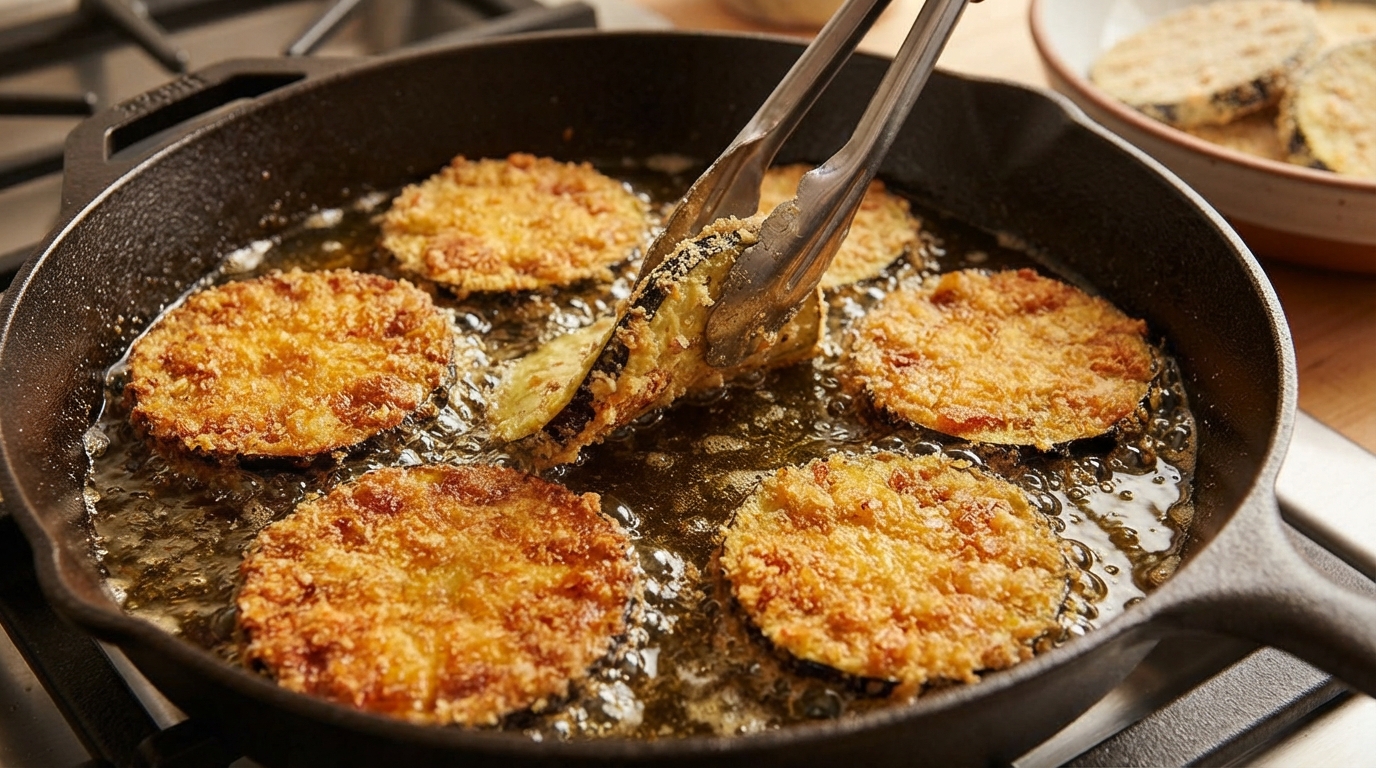
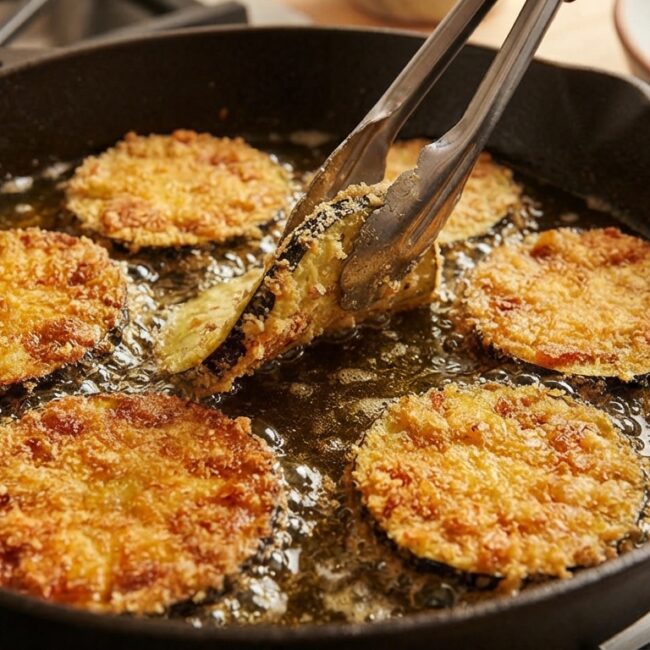
Heat the oil over medium heat, and gently pan fry the coated slices of eggplant in batches until the slices are a golden brown colour and crisp, turning them midway through cooking to maintain even results. Do not overfill the pan (as shown in the photograph) to keep the heat of the oil high.
Serve Hot

Drain the Begunis on a paper towel. Serve hot while crispy with Kasundi, green chutney or tomato ketchup. For a real Bengali flavour, serve with hot tea or a mound of puffed rice (muri).
- Why You'll Love This Recipe
Beguni Pakoda is crispy, delicate and bursting with rich Bengali flavours. It uses ingredients readily available in most home pantries and makes a perfect snack for tea time, family get-togethers or during auspicious celebrations.
Nutritional Advantages
A good source of dietary fibre.
Protein sources derived from plants
Rich in antioxidants
Naturally vegetarian
Filling snack
- Serving Suggestions
Kasundi Mustard Sauce: The real Bangla kasundi imparts a strong, tangy and spicy mustard flavour that works well with the crispy batter and soft aubergine.
Muri (Puffed Rice): Muri, freshly puffed rice, is a must-have in Bengali homes and is the best way to add a light crunch and turn Beguni into a street-style snack.
Green Chutney: The fresh coriander and mint chutney adds flavour to the fried Beguni.
Tomato Ketchup: The slightly sweet flavour of a tangy tomato ketchup provides a nice balance to the savoury crunch of the fritters and is regularly used to bread the diners’ meal.
Masala Chai: Have your warm cup of aromatic masala chai along with your hot Begunis and enjoy the best of tea-time or rainy evenings.
- Expert Tips
Fry on a Medium Heat: Keep the oil at a manageable medium heat to ensure the Beguni is cooked through without soaking up too much oil or becoming too dark.
Prevent the pan from becoming too crowded. Only fry 2 or 3 slices at a time to keep the temperature of the oil high and each fritter crisp evenly.
Add Rice Flour for Crispiness: Flaked rice flour added to the batter gives a lighter, crispier coating that remains crisp for longer.
Serve right away: Serve Beguni immediately after frying when the batter is its crunchiest, and the aubergine inside is soft, creamy and delicious.
- Frequently Asked Questions (FAQs)
Q. What type of eggplant should I use for Beguni?
Eggplant. Big, deep purple, medium-sized eggplants with a lower seed count are used.
Q. Why is My Beguni Not Crispy?
Too thin batter or too low a temperature of oil. The addition of rice flour adds to crispiness.
Q. Is it necessary to air-fry Beguni?
Yes. Grease lightly and air-fry as above until brown, though the standard deep-fried one has the best crispiness.
Q. Which city is known for Beguni?
Beguni is highly popular in Kolkata and also in the whole of West Bengal, especially during the season of Durga Puja and monsoon.

Nutritional Highlights
- Rich in dietary fibre from eggplant and gram flour, supporting healthy digestion.
- Good source of plant-based protein from gram flour (besan).
- Contains natural antioxidants such as nasunin from purple eggplant, which help protect cells.
- Provides complex carbohydrates for sustained energy.
- Supplies iron and folate, contributing to healthy blood cell formation.
- Naturally gluten-free when prepared with gram flour and rice flour.
- A satisfying vegetarian tea-time snack that pairs well with mustard sauce, green chutney, or hot masala chai.
These values are approximate and may vary depending on the amount of oil absorbed during frying, the thickness of the batter, and the size of the eggplant slices.
- Calories:230-290 Kcal
- Protein:6-8 g
- Carbohydrates :24--30 g
- Fat:12-16 g
- Dietary Fibre:5-7 g
- Sugar:3-4 g
- Calcium:25-45 mg
- Iron:1.8-2.8 mg
- Potaasium:280-380 g
- Vitamin C :3-6 mg
- Vitamin A :120-200 IU
- Folate :45-65mcg%
- Sodium:300-450 mg
Beguni Pakoda is one of the best street foods in West Bengal that is relished for its crispy taste and soft, flavoured eggplant centre. It is surely the hot favourite of Kolkatans and can be relished in festival time, on city streets or during tea breaks. It‘s simple to make yet tempting to relish. This traditional Bengali dish is truly a good example of Bengal’s taste and love of culinary delights



Anjali Raj Singh
I am a food writer and culinary content creator specializing in global cuisines, traditional recipes, food culture, and cooking techniques. Through extensive research and hands-on recipe analysis, I create accurate, informative, and engaging content that helps readers explore authentic dishes from around the world. My work covers recipe development, food history, ingredient guides, restaurant features, and culture-driven culinary stories.
At Foods Around the World, I focus on delivering well-researched, reader-friendly, and SEO-optimized content that reflects the traditions, flavors, and culinary heritage behind each dish. Every article is carefully reviewed for accuracy and relevance, ensuring readers can discover trusted recipes, cooking insights, and food experiences from diverse cultures worldwide.