

- What is Appe?

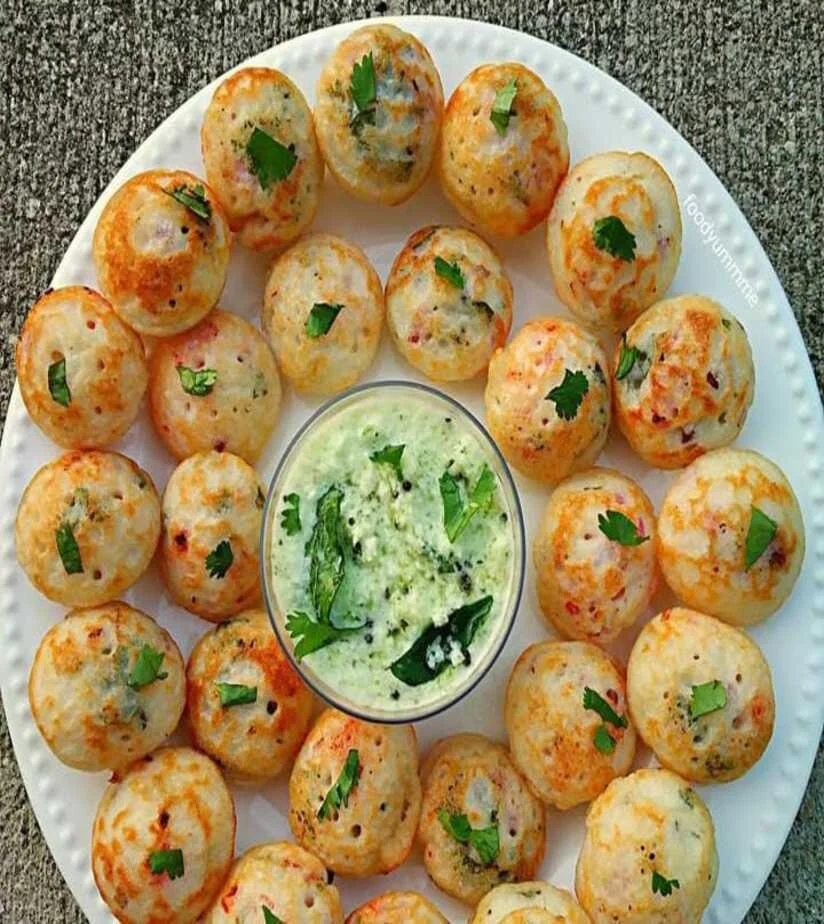
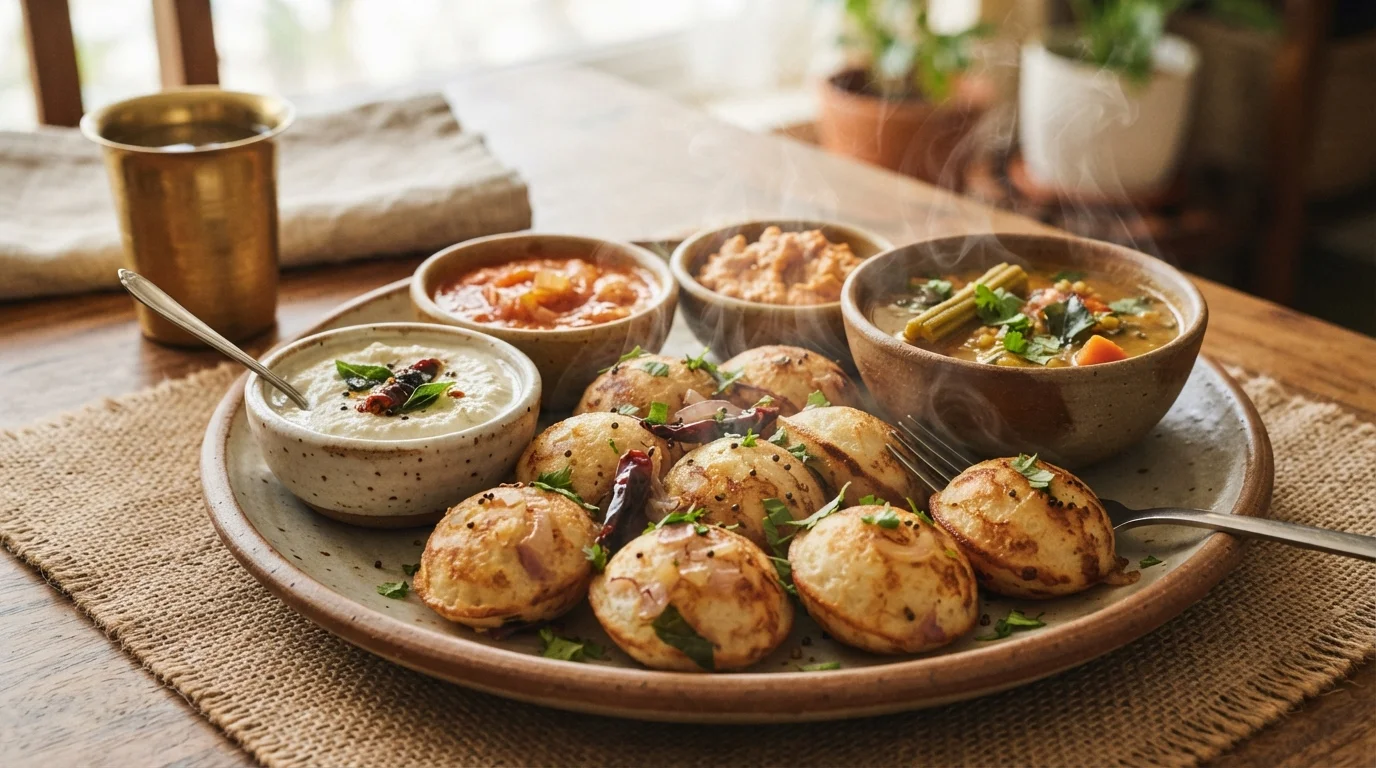
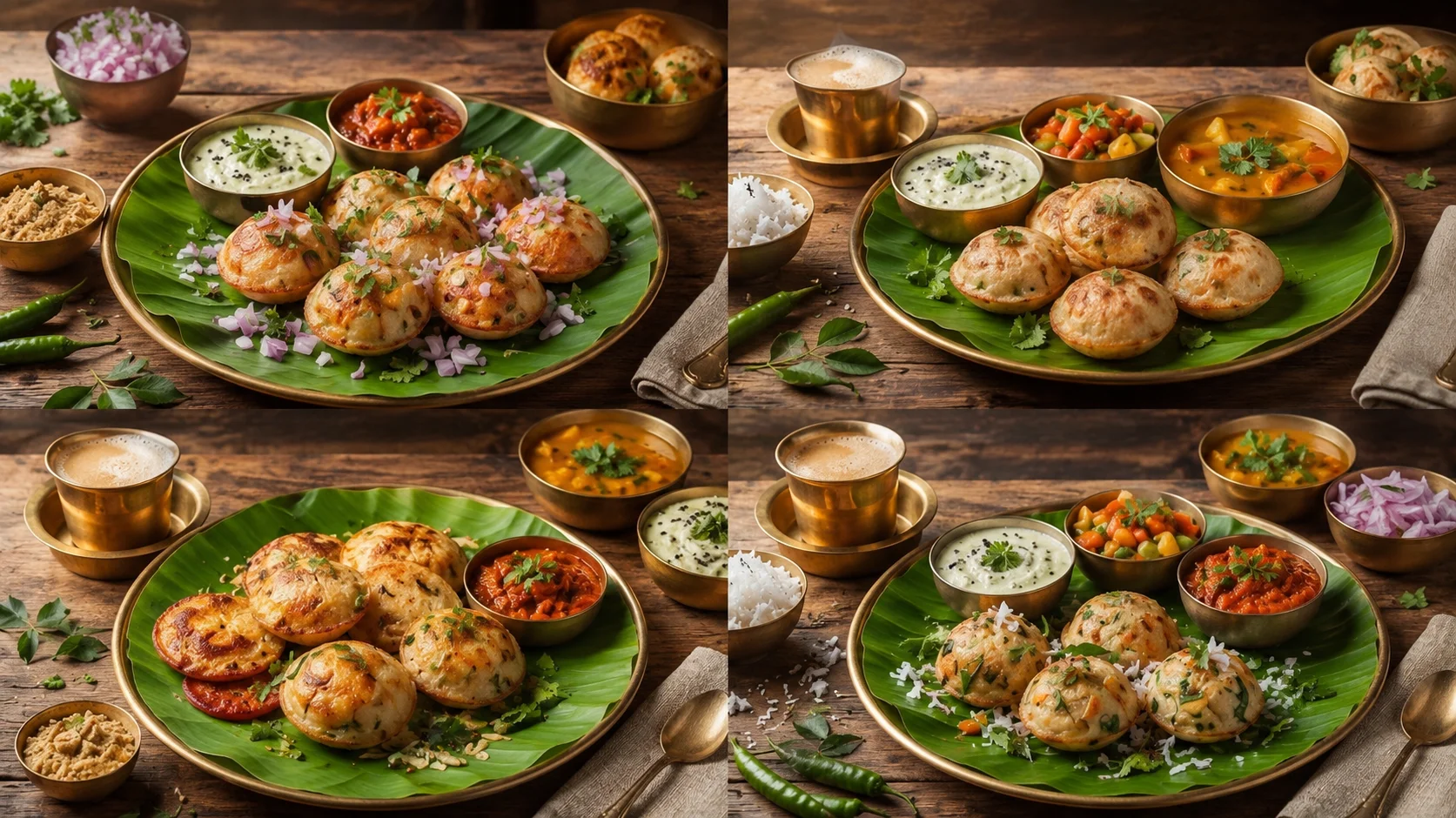
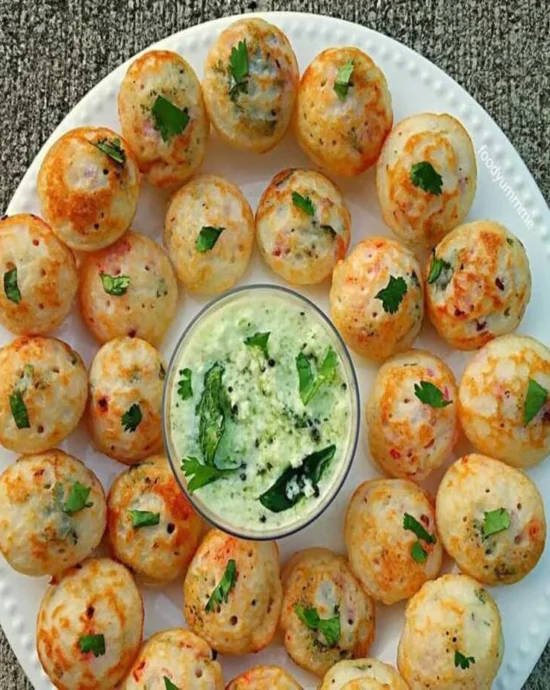
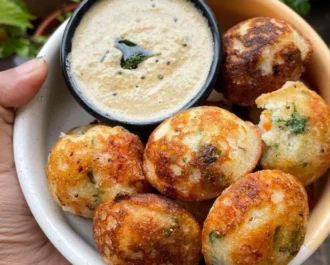
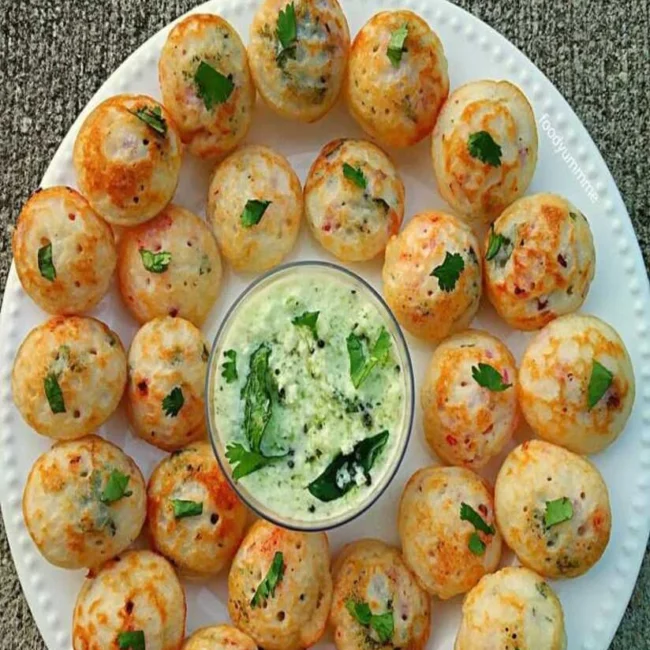
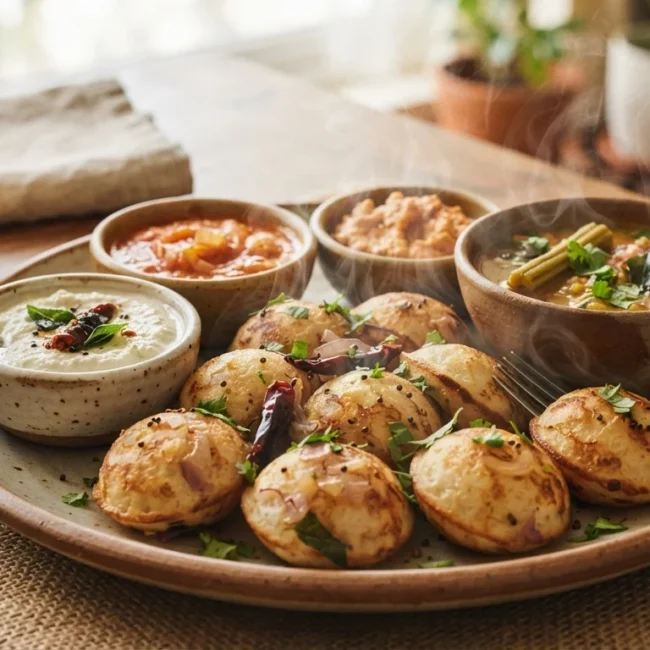
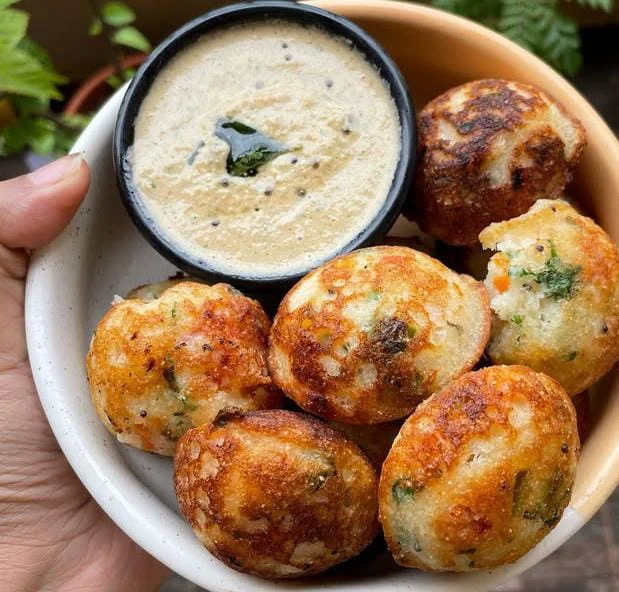
Appe is a popular snack food of South Indian origin. Variations of it are called Paniyaram (Tamil), Paddu (Karnataka), Guliyappa, Gunta Ponganalu or Kuzhi Paniyaram (Telugu). It is made using fermented rice and urad dal batter, traditionally cooked in a special appe pan with round moulds. Originally, the dish is a South Indian delicacy, but its popularity has shot up in many parts of India and the world. Appe is made crispy outside and tender inside, which makes it a healthy snack alternative to fried foods. It is ideally served for breakfast, evening snack, lunch boxes and festival occasions with coconut chutney, tomato chutney or sambar
- Regional Variations of Appe
Karnataka Paddu
A favourite breakfast cuisine in Bengaluru, MYSURU, Mangaluru and Udupi, Paddu is prepared from the fermented idli-dosa batter blended with onion, curry leaves, coriander, grated carrot and green chilli.
Taste Profile
Crispy, soft, mildly spicy
Why It Is Popular
Its crunchy outer and spongy inside make it a breakfast and teatime treat across Karnataka.
Nutritional Highlights
Fermented food
Rich probiotics
Light and filling
Tamil Nadu Kuzhi Paniyaram
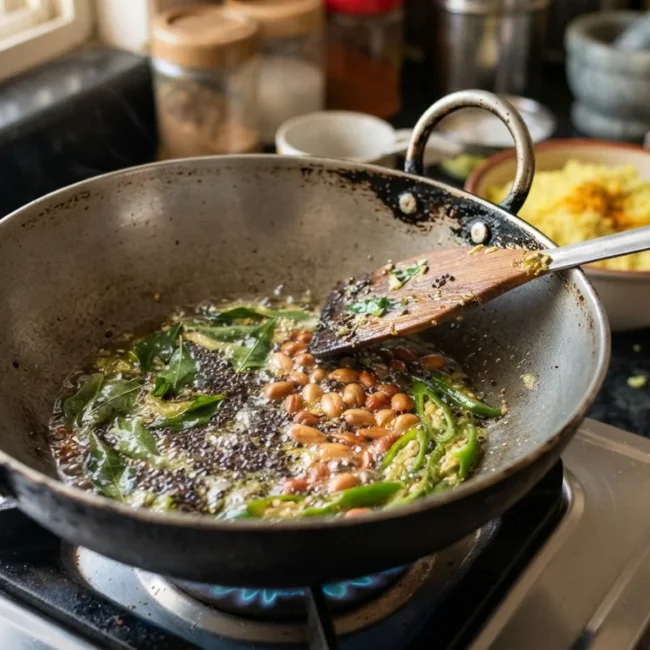
This type has been prepared in the four towns Chennai, Madurai, Coimbatore, and Tiruchirappalli. It includes grated coconut in fermented batter with mustard seeds, onions, and curry leaves.
Taste Profile
Soft, caramel, savoury, aromatic
Why It Is Popular
Traditionally, the batter of dosa or idlis left over is used in making a delicious zero-waste recipe
Nutritional Highlights
Easy to digest
Good carbohydrates
Rich flavour
Andhra Gunta Ponganalu
This type, common at Vijayawada, Visakhapatnam, Guntur, and Tirupati, is made with green chillies, ginger, coriander, cumin, and sometimes stuffed with spicy chutney.
Taste Profile
Spicy, crispy, flavorful
Why It Is Popular
Its strong taste has made it a common evening or breakfast snack throughout Andhra Pradesh.
Nutritional Highlights
Moderate protein
Rich antioxidants
Fermented nutrition
Kerala Vegetable Appe
Made with grated carrots, onions, curry leaves, beans, and fresh coconut, this healthier alternative is available in a lot of places in Kochi, Thiruvananthapuram and Kozhikode.
Taste Profile
Fresh, lightly sweet, savoury
Why It Is Popular
Adds more vegetables to make the food healthy for children and the family.
Nutritional Highlights
Rich dietary fibre
Fresh vegetables
Balanced nutrition
Nutritional Value (Per Serving)
Calories: 220–300 kcal
Protein: 6–8 g
Carbohydrates: 32–38 g
Fat: 7–10 g
Fibre: 3–5 g
Iron: 1–2 mg
- Basic Ingredients Used
Idli-Dosa Batter – 3 cups
Benefits
Fermented food
Good carbohydrates
Easily digestible
Onion – 1 medium (finely chopped)
Benefits
Rich antioxidants
Natural sweetness
Green Chillies – 2
Benefits
Vitamin C
Fresh heat
Ginger – 1 teaspoon (grated)
Benefits
Supports digestion
Anti-inflammatory
Curry Leaves – 10–12
Benefits
Rich antioxidants
Traditional flavour
Fresh Coriander – ¼ cup
Benefits
Vitamin C
Fresh aroma
Mustard Seeds – ½ teaspoon
Benefits
Digestive support
Traditional seasoning
Cumin Seeds – ½ teaspoon
Benefits
Earthy flavour
Supports digestion
Oil or Ghee – 2 tablespoons
Benefits
Crispy texture
Rich flavour
Salt – To taste
- Ingredient Tips
Fermented batter results in the softest and fluffiest Appe.
Film wrap each mould for a uniform golden brown crust.
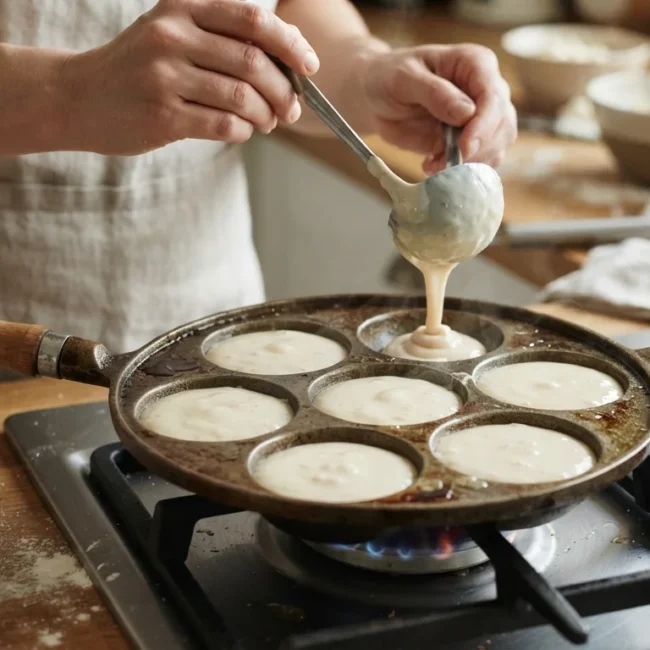
Be careful not to fill the moulds too full, as the batter will expand whilst cooking.
- How to Prepare Appe
Prepare the Batter
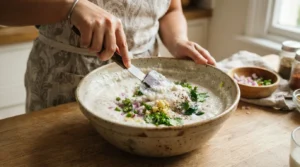
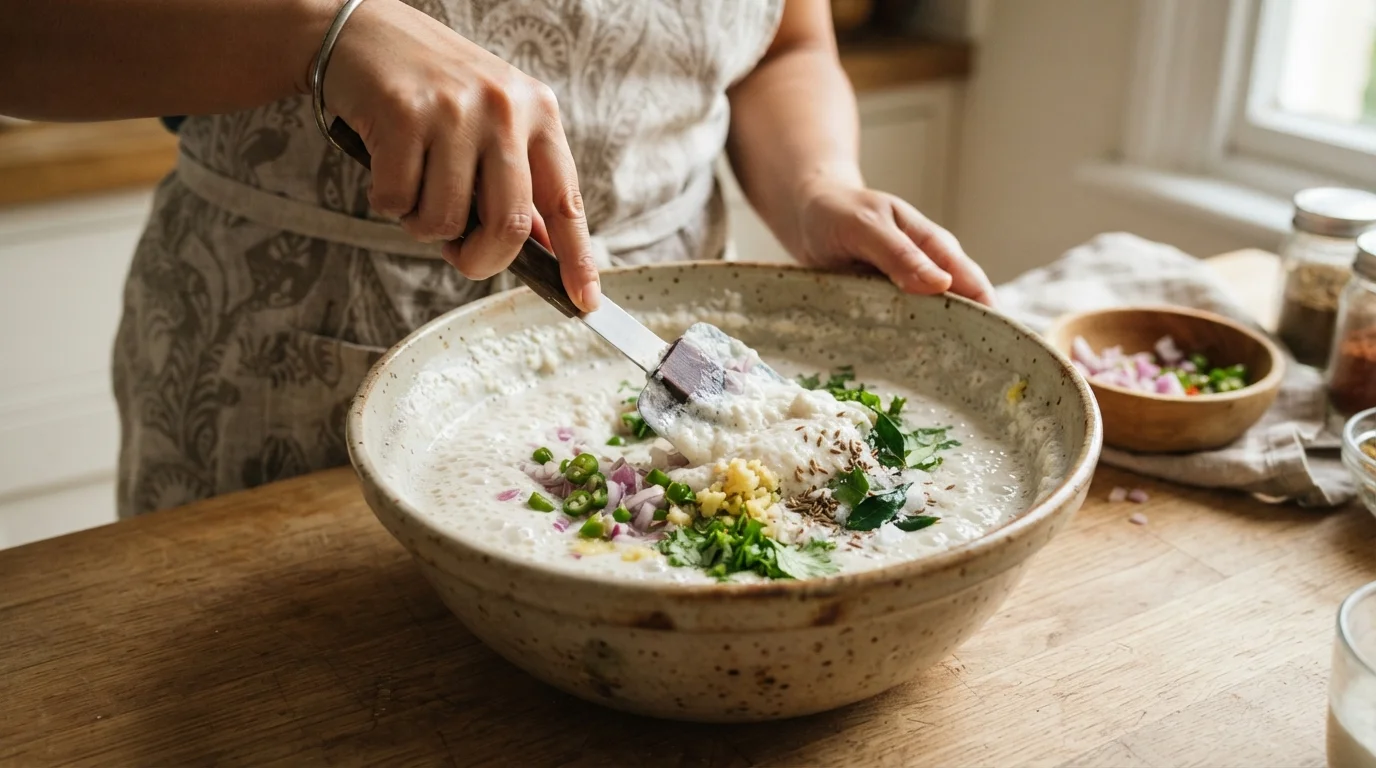
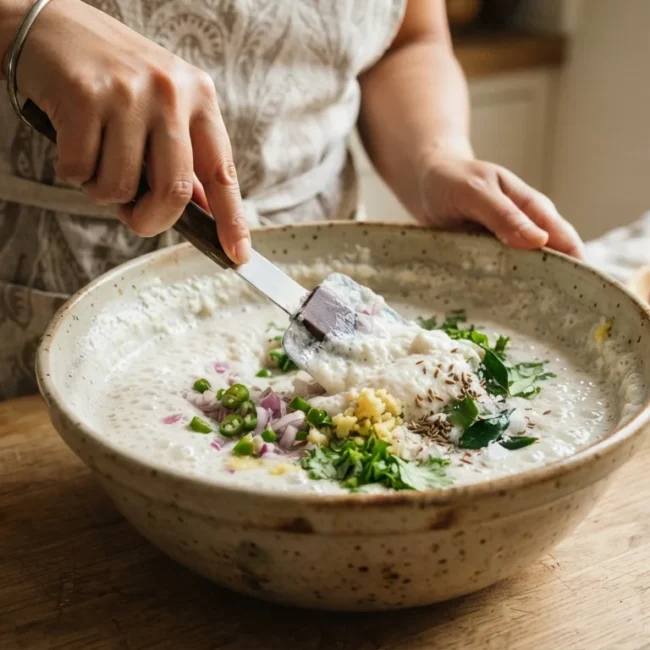
In a large mixing bowl, add the fermented batter along with the chopped onions, green chillis, ginger, coriander, curry leaves, cumin seeds and salt. Fold the ingredients using a spatula to evenly combine without overmixing.
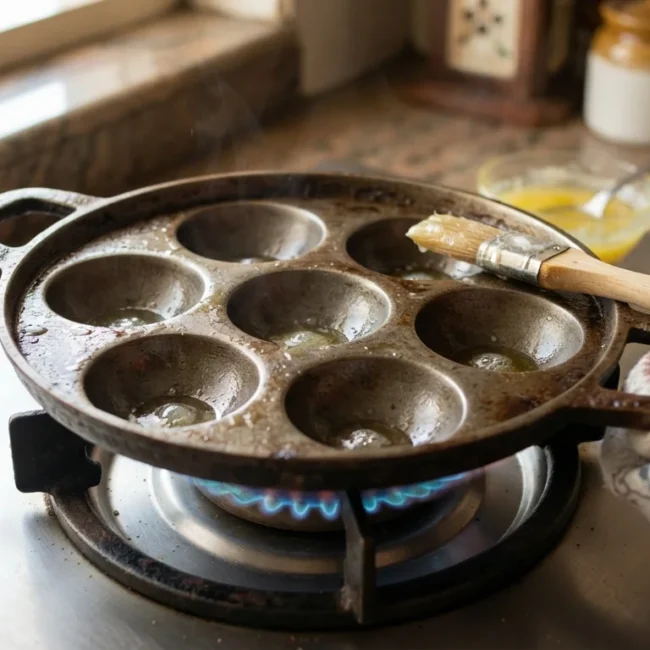
Heat the Appe Pan
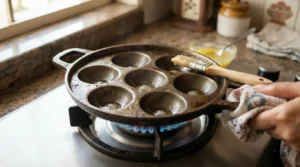
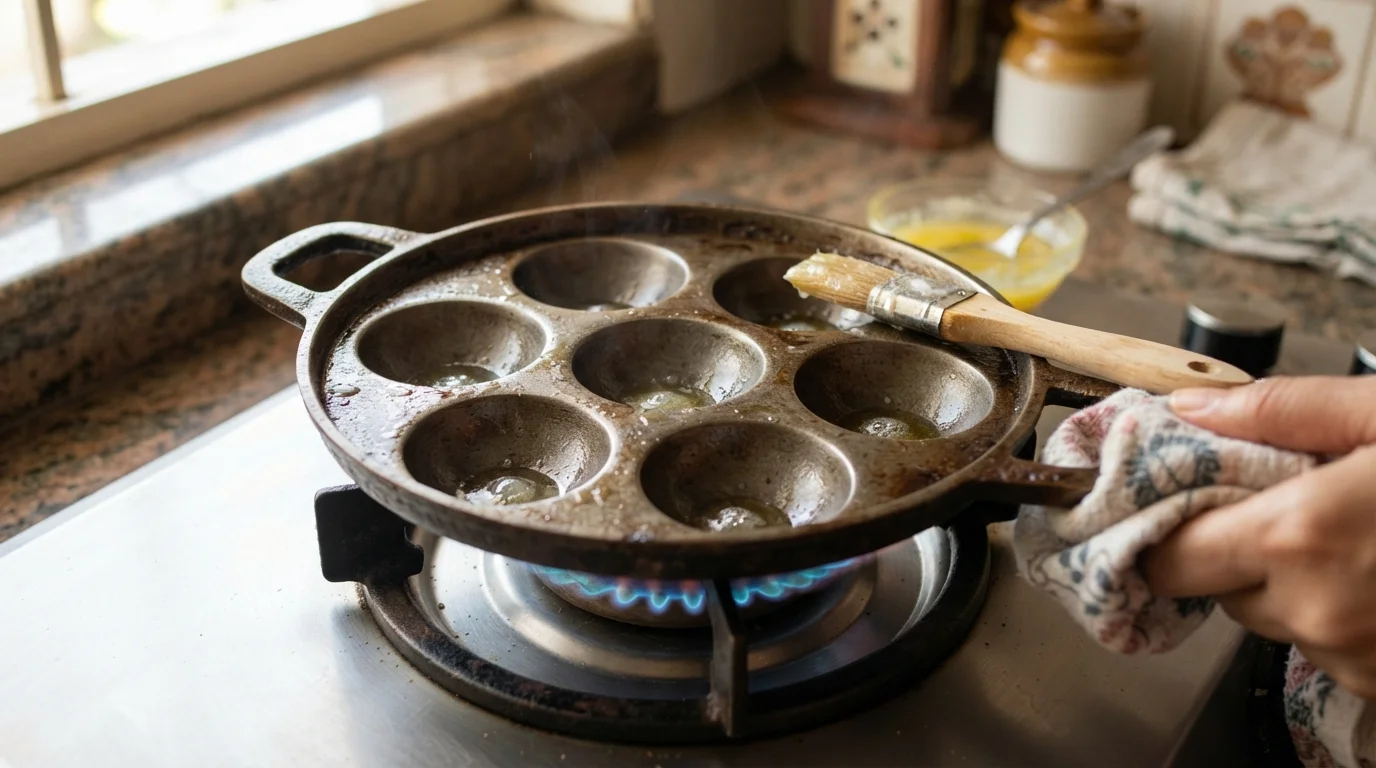
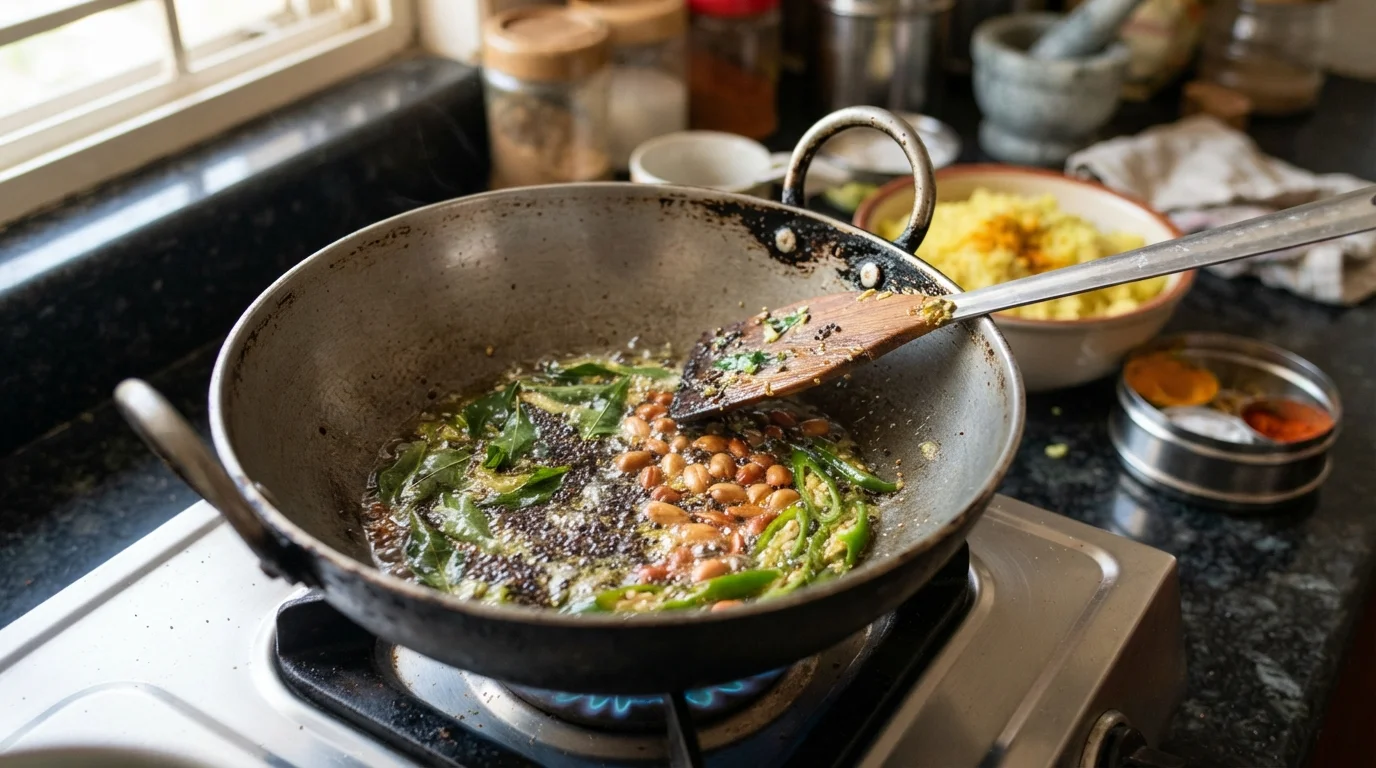
Using a little oil or ghee, brush the outside of each appe pan mould. Place the appe pan on a moderate heat and heat through for a couple of minutes. A dull appe pan will help the appe to cook properly and have a nice golden colour and a crispy crust.
Pour the Batter
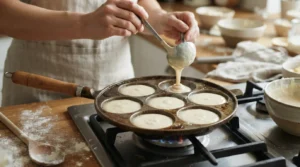
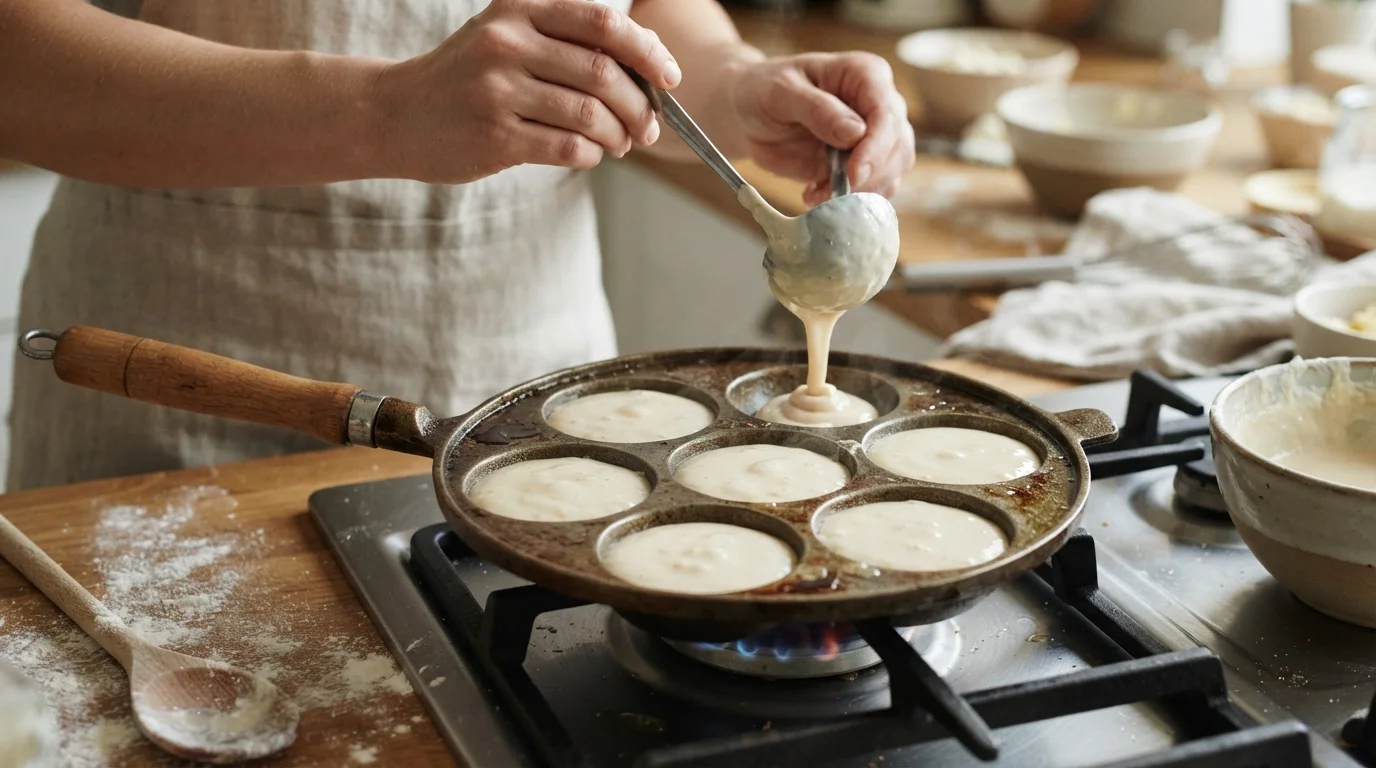
Divide the mixture between the cases, filling each three-quarters full. Be careful not to overfill as the mixture will rise when cooked, and there will be room for it to expand slightly and for the cakes to keep their shape.
Cook Until Golden
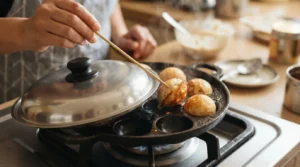
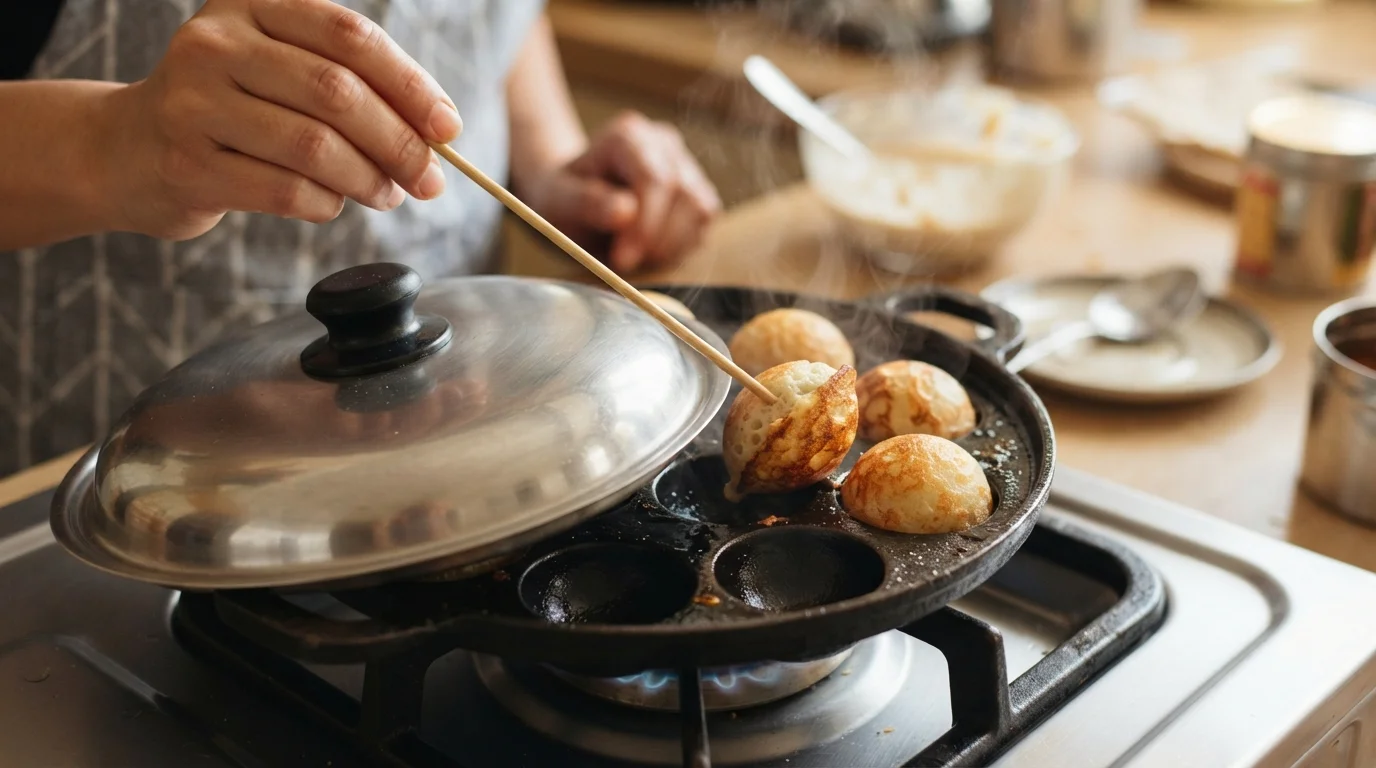
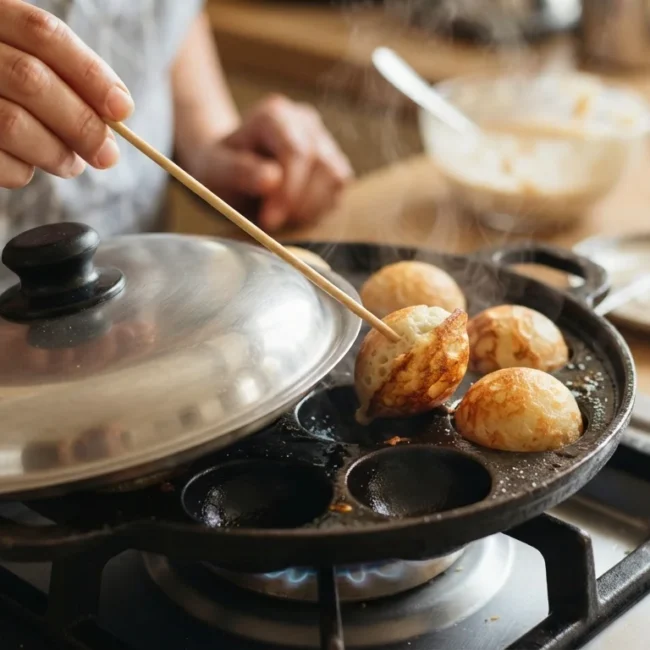
Cover the pan and cook the Appe for 3–4 mins, or until the bottoms are crispy and golden brown. Carefully turn each one over with the help of a skewer or spoon and cook for a further 3–4 mins, until golden brown and cooked through.
Serve Hot
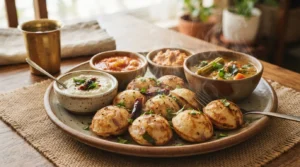
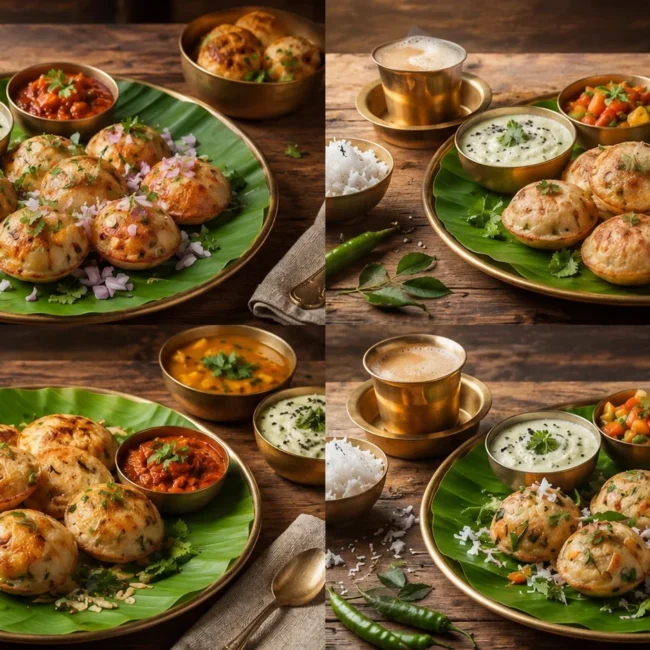
Serve the ready Appe on a plate. Tuck into the Appe while they are hot for the best results. Serve with coconut chutney, tomato chutney, peanut chutney or a bowl of piping hot sambar for a delicious breakfast snack.
- Why You'll Love This Recipe
Appe is ready in a flash and is so low in oil that it has the right crispy edges that contrast with the tender inner layer. Serve for breakfast, snacks, lunch boxes and as a light dinner.
Nutritional Advantages
Cooking with little or no oil
Fermented food benefits
A rich carbohydrate source;
Moderate protein (44 g).
Absolutely digestible
- Serving Suggestions
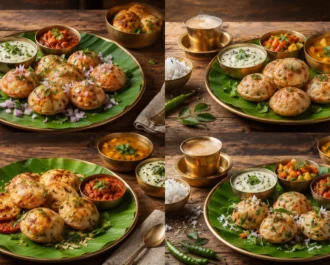
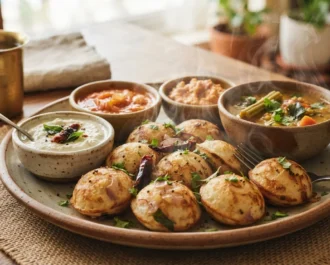
Coconut Chutney: The ever-popular, mild, sweet coconut chutney goes well with Appe. The fresh, sweet flavour of coconut blends nicely with the outside crunch and inside softness of the Pedas
Tomato Chutney: Sharp, mildly hot-tasting, the Tomato Chutney rounds off the taste of the fermented batter and is delicious with each mouthful
Peanut Chutney: Deep, nutty peanut chutney gives a deliciously creamy consistency and savoury flavour to complement the moreish
Appe
Vegetable Sambar: A bowl of steaming vegetable sambar makes Appe a complete meal. This tasty lentil curry provides the necessary protein and goes well with the soft dumplings
Filter Coffee: fresh filter coffee from South Indian style. This pairing makes a real comfort breakfast / evening snack with the Appe
- Expert Tips
Cook on Medium Heat. This way the Appe will cook uniformly and acquire a perfect crunchy golden colour on the outside, while remaining soft and fluffy on the inside.
Flip at the Right Time: Turn over each Appe only when the bottom is golden brown, so they don‘t break, and to finish cooking evenly and crisply.
Add Grated Vegetables. May be added to the mixture--Grated carrots, cabbage, or chopped spinach can be incorporated into the batter for additional nutrients, colour, and flavour.
Fresh Fermented Batter: Properly fermented batter will be airy, light, fluffy and soft with the true tangy taste and just-right density.
- Frequently Asked Questions (FAQs)
Q. Is it the same by the names of Appe, Paddu and Paniyaram?
In fact, they are just the same recipe varying according to South Indian state names. Paddu is the name used in Karnataka, Kuzhi Paniyaram in Tamil Nadu, Gunta Ponganalu in Andhra Pradesh and Vegetable Appe in Kerala. The recipe and flavourings differ a bit from state to state.
Q. Is there a way to do Appe without Appe Pan?
An appe pan is best as it does give the traditional round shape and crispy coating, but with a minimal amount of oil. Without will have to resort to a cake pop maker or similar moulds, but the texture can never be authentic enough.
Q. How far in advance can I make the Appe batter?
Yes. Batter can be stored in the fridge for 2–3 days. Incorporate onion, herbs and vegetables just before you cook to keep the batter fresh and the appe soft.
Q. Why isn't my Alleppeypatty (Appam) not so crispy outside?
Lightly oil, cook on medium heat and make sure they‘re not overcrowding the pan. Wait until the bottom is golden brown before turning. Well-fermented batter will also help create a crisp surface and a soft, fluffy centre.
Nutritional Highlights
- Good source of complex carbohydrates for sustained energy.
- Fermented batter provides beneficial probiotics that support gut health and improve digestion.
- Contains moderate protein from rice and urad dal.
- Rich in dietary fibre when prepared with onions, carrots, beans, and curry leaves.
- Provides antioxidants and Vitamin C from fresh vegetables and herbs.
- Cooked with minimal oil in an appe pan, making it a healthier alternative to deep-fried snacks.
- A light, balanced, and filling meal ideal for breakfast, evening snacks, or lunch boxes.
These values are approximate and may vary depending on the vegetables used, the amount of oil, and regional variations such as coconut, stuffed chutney, or additional ingredients.
- Calories:230-290 Kcal
- Protein:7-9 g
- Carbohydrates :34--38 g
- Fat:7-10 g
- Dietary Fibre :3-5 g
- Sugars:2-3 g
- Calcium:35-60 mg
- Iron:1.5.-2.5mg
- Potassium:180-280 mg
- Vitamin C :8-15 mg
- Vitamin A :150-250 IU
- Folate :25-40 mcg
- Sodium :300-450 mg
Appe is undoubtedly one of the most versatile and nutritious breakfast dishes in South Indian cuisine. Whether you take the crunchy Paddu of Karnataka, the soft Kuzhi Paniyaram of Tamil Nadu, the spicy Gunta Ponganalu of Andhra or the stuffed vegetable-filled of Kerala, each of them displays the Agni of South Indian tradition. Cushy on the outside, soft inside and easy to make, and appe is a hearty dish that can be enjoyed as breakfast, snack or in family gatherings.

Anjali Raj Singh
I am a food writer and culinary content creator specializing in global cuisines, traditional recipes, food culture, and cooking techniques. Through extensive research and hands-on recipe analysis, I create accurate, informative, and engaging content that helps readers explore authentic dishes from around the world. My work covers recipe development, food history, ingredient guides, restaurant features, and culture-driven culinary stories.
At Foods Around the World, I focus on delivering well-researched, reader-friendly, and SEO-optimized content that reflects the traditions, flavors, and culinary heritage behind each dish. Every article is carefully reviewed for accuracy and relevance, ensuring readers can discover trusted recipes, cooking insights, and food experiences from diverse cultures worldwide.