

- What are Soybean Dishes?

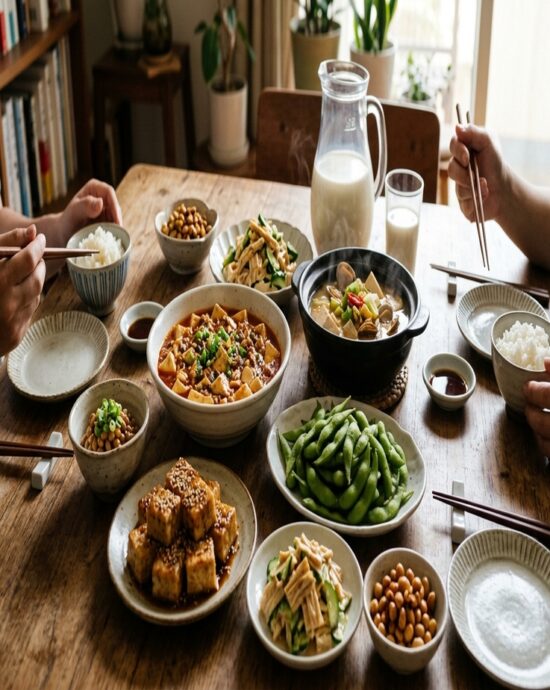
Soy is among the world’s most recognisable and versatile sources of protein, and is used for a wide variety of dishes. Popular, for example, in Asian dishes such as soy milk and tofu, Indian curries, and Western-style protein bowls
The main reason for soybeans being known around the world is their richness in protein, but also their accessibility and multipurpose nature of the soybean. They can be boiled, fermented, turned into tofu or added to curry or snack foods. Whether you live in the NHS or at home with a home-cooked meal or following a diet plan, soy-based foods are very usable
However, unlike quick recipes, soybeans take some time as they need to be soaked properly and cooked. This takes some time, but it is worth it
- Regional Variation and their Food Influence
Brazil – Large-Scale Production & Processed Soy Foods
Brazil is the world’s largest soybean producer, with major production in Mato Grosso and Paraná.
Food Influence: Soy oil, processed soy products Why it matters: Supplies global demand for soy-based foods Best known for: Bulk production and export
United States – Protein-Based Soy Foods
Produced in the US (the second largest producer, in the Midwest):
Food Effect: Soy protein tofu, plant-based meat.
Why this is important: Emphasises the importance of health and fitness foods
Best known for: Soy-based substitutes and ready-to-eat food
Argentina – Soy Processing Hub
Soybeans are a significant Argentine export, and the country is also one of the world‘s leading soya processors.
Food Effects: Soy oil, meal, processed soy foods
Why it matters: Large supplier for the global soy market.
Known for: Processing soy on an industrial scale
China – Traditional Soy Cuisine
The other global leader is China, which is not only the biggest consumer but also the main producer of soybeans.
Food Effect: Tofu, soy milk, soy sauce
Why it matters: Well-established culinary use of soy
Most famous for: Classic soy-centred cuisine
India – Everyday Soy Cooking
India is producing soybeans mostly in Maharashtra and Madhya Pradesh.
Food Influence: Soy chunks curry, soy pulao
Significance: An economical means of intake of protein.
Best known for: “Family” fare; vegetarian diets
- Why You’ll Love This Recipe
This in itself is versatile; chefs and home cooks from all over the world could incorporate this dish into whatever cuisine they are preparing. It is nutritious and inexpensive. It is built to support contemporary living and eating habits. This dish offers the consumer a rich supply of protein and encourages a healthy nutrient balance. It is suitable and easily tailored to vegetarians
- Ingredient Tips
Soak soybeans properly: Minimum 8 hours for better cooking
Use pressure cooking: Reduces cooking time significantly
Balance spices: Soy absorbs flavours well
Use fresh ingredients: Improves taste and nutrition
- How to Cook Soybean Dishes
A. Preparation

Begin by soaking dried soy beans in water for 8–12 hours/overnight, which will soften the beans and also go faster when cooking. Rinse soy beans and pressure cook for 20–25 minutes till soft. Have all vegetables and spices ready to hand
B. Cooking Methods
Soybean Curry (Indian Style)
Prepare base
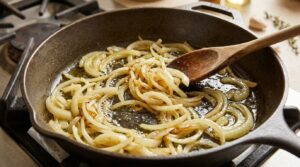
Gently heat oil and cook onions until lightly browned. Light golden onions form the basis for the dish. Ensure continuous stirring so that the onions do not stick to the pan or burn. Light browning of the onions forms the natural sweetness and depth of the dish
Add spices and tomatoes
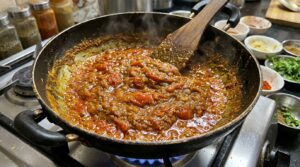
Add ginger-garlic paste, spice powders and tomatoes. Cook till oil separates. This step helps in the proper cooking of masala. Let the tomatoes turn tender to mash well with the rest of the gravy. This step helps in removing the raw flavours of spices from the masala
Add soybeans
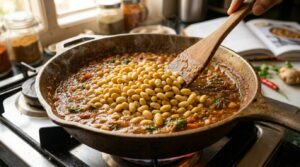
Add the boiled soybeans and mix thoroughly. Cook for 5-10 minutes to allow soybeans to soak up all the flavours. Turn on a gentle heat so that the soybeans are coated with the masala evenly. This resting and cooking step allows the soybeans to soak up as much of the rich curry taste as possible
Add water & simmer

Add water and cook for 15-20 minutes. The longer you cook on a slow heat, the richer the taste and consistency of the curry. Depending on how thick/ light you like the curry, you may want to use more/ less water. Simmer gently on a low heat to allow the flavours to develop and deepen
Soy Stir-Fry (Global Style)
Heat oil

Add the vegetables to the pan of heated oil and cook on medium heat. This way, the vegetables will cook evenly. Make sure to stir the vegetables regularly to prevent burning while keeping the vegetables evenly cooked. Frying on medium heat helps maintain the crunch and colour of the vegetables
Add soybeans/tofu
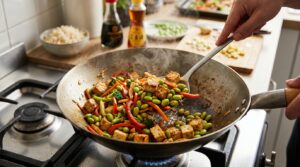
Add cooked soybeans or tofu and continue to stir-fry. Cook for about 8–10 minutes until slightly crisp. Lightly brown the tofu or soybeans for better texture and flavour. Make sure not to overload the wok so all ingredients can be evenly cooked
Add sauces
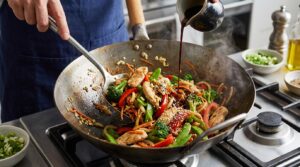
Add soy sauce or additional seasoning and mix thoroughly. Stir fry for a short time to blend the flavours. Keep the sauces from cooking for too long; they will become overpowering or too salty. Turn everything in the wok so the seasoning covers all the ingredients
Soy Milk (Traditional Preparation)
Soak soybeans

Soak overnight for best results. Proper soaking improves texture and taste. It also helps reduce cooking time and makes the soybeans easier to blend. Well-soaked soybeans produce a smoother and creamier soy milk
Blend and strain

Blend soaked beans with water and strain. This creates a smooth liquid base. Use a fine strainer or muslin cloth for a cleaner and silkier texture. Straining properly removes the grainy residue from the milk
Boil
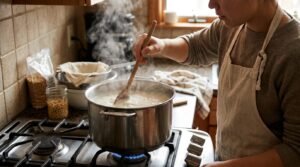
Boil for 15–20 minutes to remove the raw taste. Stir continuously to prevent burning. Boiling also improves the flavour and makes the soy milk safer to consume. Keep the heat on medium so the milk cooks evenly without overflowing
- Variations You Can Try
1.Spicy Indian Soy Curry: Sprinkle in garam masala and chilli powder. This will add to the curry's rich, fragrant and robust flavour. To make the dish hot and spicy, add green chillies. Serve alongside rice or roti to make it a satisfying dish
2.Soy Pulao: Prepare a ‘one-pot’ meal by cooking the soy chunks with rice and spices. The soy chunks take on the spices and make it a hearty, protein-packed meal. It makes a wonderful packed lunch and easy family meal
3.Tofu Stir-Fry: Utilise tofu with vegetables and sauces. This is a fast and healthy dish to make on busy days. The addition of colourful vegetables makes the dish more nutritious and attractive. Serve this dish with noodles or steamed rice
4.Soy Salad: Use boiled soy beans with fresh vegetables. It can be used as a light, protein-rich food or snack. Lemon juice and herbs would add a fresh flavour. It can be best used as a healthy side dish in the summer
5.One-Pot Soy Meal: Cook beans and grains together. Longer cooking time and fewer instruments save time. It is an efficient way for meal prep and busy schedules. Harmonising taste for slow melding is a good reason
- Serving Suggestions
With rice: An ideal accompaniment for the soy curry is rice. The rice is easily steamed using the normal method, and the soy curry is served on top to provide a nourishing and enjoyable lunch
With roti or bread: A good choice as a more traditional Indian meal. Adds some variety and helps to make the curry more filling. Soft rotis or bread are easily used to pick up the rich tomato base. Perfect for general home use
As a bowl meal: Mix soy with grains and vegetables. Will suit today's future health and eating principles. Additionally, sauces, herbs or some seeds can be added for lasting more taste and nutrients. Suitable for meal prep and light lunches
With salad: Gives a lift of freshness and balances the richness. Enhances the overall nutrition and texture. Crunchy vegetables go well with the softness of soy on the body. Light lemon dressing can bring in the theme of freshness and taste
- Expert Tips & Recipe Notes
Do not skip soaking. Enhances digestion and cooking. Adequate soaking helps soften the soy and cut down cooking time, well done. It also helps improve texture and aids the absorption of flavours
Cook thoroughly: Undercooked soybeans can be difficult to chew. Make sure the soybeans are cooked enough so that they are tender and have a good flavour. Cooked soybeans will be tender and more digestible
Use medium heat: Allows for uniform cooking. The cooker is set to medium heat for a reason, so the soy beans or curry do not burn very fast. It also ensures that the flavours are there for long enough to develop old and evenly
Season well: Soy requires adequate flavouring. A mild natural taste of soy is improved by using spices and herbs. It is important to taste the dish as it is cooked
Store properly: Will last longer if stored in the fridge, and should be stored in airtight containers to avoid the product drying out. Storage in the right conditions will also maintain the moisture and flavour of the product to be used at a later date
- Frequently Asked Questions (FAQs)
Q. Is the soy healthy?
A.Yes, they are a good source of protein, fibre and healthy nutrients. They are used broadly in vegetarian as well as healthy diets
Q. How long should soybeans be soaked?
A.One to two hours for the best results (reduce the cooking time). Improves the texture
Q. How can I cook soybeans without soaking?
A.It is possible, but takes much longer and affects the texture. Soaking is preferable
Q. Can I eat soy every day?
A.Yes, in moderation, it‘s very good. It‘s a good source of extra protein and other nutrients
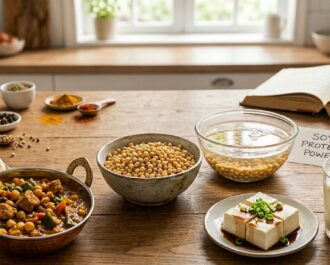

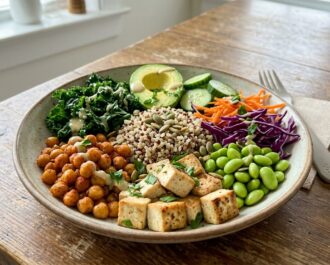
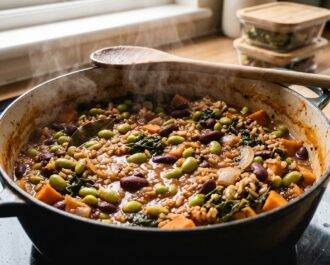
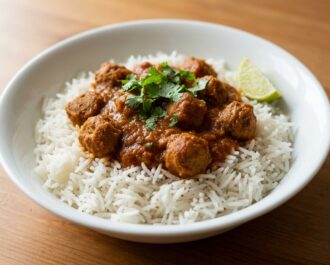
Soybeans have become one of the most significant ingredients for global food production, linking countries such as Brazil, the USA, Argentina, China and India through farming and food. Their versatility in turning into numerous different recipes brings them to the forefront of the kitchen
They take longer to prepare than other recipes; however, due to their nutritional content and versatility, they are well worth the effort. Once you are familiar with how to cook them, soybeans can become an anytime, reliable ingredient in your kitchen

Anjali Raj Singh
I am a food writer and culinary content creator specializing in global cuisines, traditional recipes, food culture, and cooking techniques. Through extensive research and hands-on recipe analysis, I create accurate, informative, and engaging content that helps readers explore authentic dishes from around the world. My work covers recipe development, food history, ingredient guides, restaurant features, and culture-driven culinary stories.
At Foods Around the World, I focus on delivering well-researched, reader-friendly, and SEO-optimized content that reflects the traditions, flavors, and culinary heritage behind each dish. Every article is carefully reviewed for accuracy and relevance, ensuring readers can discover trusted recipes, cooking insights, and food experiences from diverse cultures worldwide.