


- What is Greek Yogurt & How It’s Used in Cooking?

Greek/yogurt strained yoghurt straining is a thick white Irish yoghurt. This ‘straining’ removes part of the watery whey from the yoghurt, making it heavier. Thick, they are heavier and have a slightly more pungent/flavory flavor
Largely known as an ingredient in Greek cooking, it is actually known by many other names depending on the region in which it is used. For instance, in India, it closely resembles hung curd known as chakka and is used in the preparation of shrikhand and raita, in West Asia, it is used as a base for sauces and dips and in the USA and UK, it forms an extremely popular vegetarian breakfast/snack
What attracts me the most to Greek yoghurt is that it is so versatile: you can eat it plain, include it in a savoury meal, blend it in a smoothie or mix it with fruits and seeds for a wholesome snack
- Regional Variations & Popular Usage
Greece & Mediterranean – Traditional Strained Yoghurt
Greece is famous for real strained yoghurt in dips such as tzatziki.
Taste Profile: Thick, tangy, creamy
Why you will love it: Old-style preparation & fermentation, naturally used in the old days.
Advantages: Ideal for: sauces, sides and dips
West Asia – Everyday Cooking Ingredients
West Asia uses sour yoghurt freely in marinades, dips and in foods.
Taste Profile: Mildly sour, rich
Why it‘s popular: Essential part of everyday cooking
Best for: sauces, kebabs and spreads
United States – High-Protein Health Food
The United States has made Greek yoghurt a popular health food.
Taste Profile: Creamy, slightly tangy
Reasons why it is popular: It is high in protein and full of fitness food or bodybuilding food.
Best suited for: Breakfast bowls and snacks
United Kingdom – Greek-Style Yoghurt Trend
The United Kingdom made “Greek-style yoghurt” popular in the modern diet.
Taste Profile: Smooth, rich
Reason a selling point: Packaged product
Suitable for: Desserts and making fast, simple meals
India – Hung Curd (Chakka) Tradition
India uses a similar version called hung curd.
Taste Profile: Thick, mildly tangy
Why it’s popular: Used in sweets & other savoury preparations, ideal for: Shrikhand, raita, marinades
- Why You’ll Love This Recipe
This meal is ideal for contemporary living because it is healthy, full of protein, and can be quickly assembled once the basic yoghurt is prepared. It offers a good trinity of protein, fibre, and healthy fats. The meal is suitable for any age category, and is good for eating on its own at any time of the day as a breakfast, snack, or lighter meal. It is very adaptable according to taste and nutritional requirements.
- Ingredient Tips
Use full-fat milk: Provides a creamier and thicker yoghurt. Can give a creamier texture and smoother mouthfeel if used in full-fat milk. Helps the yoghurt maintain its consistency after straining
Proper fermentation: Keep in a warm place. Regular temperatures promote cell growth and complete fermentation, ensuring all bacteria work at the same time for good flavour production. If not kept in a warm place, it is likely to take longer to ferment
Strain well: Removes the whey and improves texture. Straining is vital to achieve the thick, Greek-style yoghurt. The longer the straining time, the denser and creamier the yoghurt will become
Use fresh starter: Results in improved consistency and flavour. Fermentation is promoted by using a fresh starter culture. Also increases the tanginess and the overall quality
- How to Make Greek Yogurt
A. Preparation

Heat the milk to warm (not boiling). Cool slightly. Mix the yoghurt starter into the milk and beat well. Cover and leave in a warm environment for 8- 12 hours until set as a curd. Place the curd in a muslin cloth. Hang for 2-4 hours to drain
B. Final Process

Once strained, you‘ll be left with thick, creamy Greek yoghurt. Refrigerate for 1–2 hours before use for best texture and flavour
- Variations You Can Try
1.Savoury Indian Raita: Mix in a sprinkle of cucumber, cumin and salt. This makes a cooling side dish to go along with spicy food. You could also add some fresh coriander or mint for more flavour and fragrance
2.Shrikhand Style: Add sugar, saffron, and cardamom to the whipped cream. This will add a luxurious and celebratory dessert-like flavour to the yoghurt. Crushed nuts can be sprinkled on top for a little crunch and flair
3.Smoothie Bowl: Mix yoghurt with fruits. Makes for a thick, nutritious breakfast/snack. Spread seeds and berries on top of this for added nutrition and crunch
4.Mediterranean Dip: Add garlic, olive oil and herbs. This variation is delicious served as a dip for bread and roasted vegetables. The herbs give a refreshing flavour, and the olive oil gives a smooth, rich finish
5.Protein Bowl: Add granola, seeds and nuts. This increases nutritional value (more satisfying for a fitness-conscious diet). It provides a good balance of protein, good fats and fibre
- Serving Suggestions
With fruits and seeds: A healthy choice for breakfast or a snack. Means you can have a nutritious day. Fresh fruit which provide a natural sweet taste; seeds add texture and nutrition. This is a great easy to prepare breakfast for the morning
With paratha or meals:Cool side dish in Indian cuisine. Good balancing to spicy dishes. Goes well with thick curries and stuffed paranthas with its thick and smooth texture. It also helps to make the heavy meals more lite and refreshing
As a dip: When served with snacks or from the grill. It adds richness of texture and flavour. Herbs and spices can be added into the mixture for variety. It is especially good served with bagettes, kebabs or chips
As dessert: Sweetened yogurt can be used as a dessert for a light meal. A healthier option than many heavy sweets. Saffron, fruits or nuts can be added for an extra special treat. Chilled, Greek yogurt based desserts are particularly refreshing in the summer months
- Expert Tips & Recipe Notes
Maintain temperature during fermentation:The too cold-sets slowly. A warm temprature allow a good process of the yogurt culture. An equal heating improves texture and avoids irregularly fermentation
Do not overheat milk: May also affect texture. Too much heat can cause the yogurt to have a grainy texture rather than a smooth, creamy consistency. Wait until the milk has cooled a little before stirring in the yogurt culture
Strain properly: Ensures thick consistency Longer straining is beneficial as more whey is removed resulting in a fuller yogurt. Also, the correct straining results in that desirable silky mouthfeel of Greek yogurt
Use clean cloth:Prevents contamination. A clean cloth will enable the yogurt to stay fresh and maintain food hygiene. The yoghurt will not absorb any unwanted smells or flavours if a clean cloth is used
Store refrigerated:Maintains freshness for a longer period. It helps in preserving good taste as well as retains the thick consistency of the product. Proper refrigeration will also prevent the growth of bacteria and other microorganisms
- Frequently Asked Questions (FAQs)
Q. Is Greek yogurt better for you than regular yogurt?
A.Yes it is higher in protein, has less whey and it is thicker and more filling
Q. How does it last? It can be refrigerated for 3-5 days.
A.Make sure to always keep it airtight.
Q. Is it really good for shedding pounds?
Yes! It is high in protein and it lasts longer. It is frequently included in healthy diet plans.



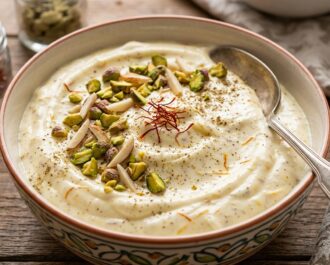

Greek yoghurt can now be found not just in the Mediterranean region but across the globe, from India, America and Britain to West Asia; it is a part of all their menus. From hung curd to yoghurt crumble to breakfast bowls, it fits the old as well as the new diets
Even though fermentation and straining take time, this preparation will give you a nutritious and adaptable ingredient which will enhance boring meals and turn them into healthy, enjoyable meals

Anjali Raj Singh
I am a food writer and culinary content creator specializing in global cuisines, traditional recipes, food culture, and cooking techniques. Through extensive research and hands-on recipe analysis, I create accurate, informative, and engaging content that helps readers explore authentic dishes from around the world. My work covers recipe development, food history, ingredient guides, restaurant features, and culture-driven culinary stories.
At Foods Around the World, I focus on delivering well-researched, reader-friendly, and SEO-optimized content that reflects the traditions, flavors, and culinary heritage behind each dish. Every article is carefully reviewed for accuracy and relevance, ensuring readers can discover trusted recipes, cooking insights, and food experiences from diverse cultures worldwide.