
- What is Dhokla?

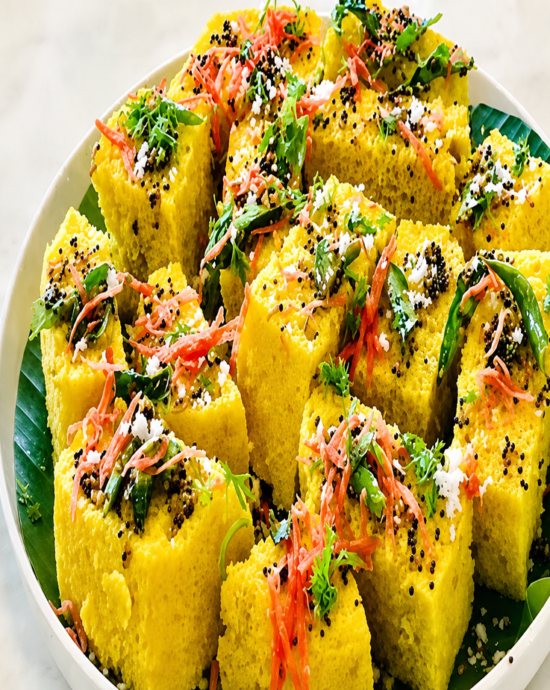
Dhokla is probably the most famous, most popular South Indian snack in Gujarat. Dhokla is a soft, spongy type of snack with a slightly sour flavour. Dhokla is made from grain flour (besan) and is not deep-fried. Instead, the Dhokla snack is cooked by steaming
Its bright yellow colour, softness and aromatic tempering make it a favourite among breakfast, tea time snacks, lunchboxes and celebrations
Thus, we observe the journey of a simple dish from India to the world. Today, dhokla is relished all across the globe as a healthy vegetarian snack
- Regional Variations of Dhokla
Khaman Dhokla (Most Popular)
It gets its widest range of distribution in shops.
Taste: Soft, slightly sweet, tangy
Why It Is Popular: The texture is so much more delicate that the crumb has a very fine and light dust. The bread has a very soft texture, more so than normal due to the very fine nature of the crumb and crust.
Rapid preparation
Appropriate for all ages.
Nutritional Highlights
Rich in plant protein
Moderate fibre
Steamed preparation reduces fat
Nylon Khaman
Famous for its extra-smooth mouthfeel.
Taste Profile: Light and airy
Why It Is Popular: Melts on the palate
(Available in the sweet shop in Gujarat)
Nutritional Highlights
Low oil content
Easy digestion
Light meal option
Sandwich Dhokla
Prepared in a number of coloured layers.
Taste Profile: Slightly spicy and tart.
Why It Is Popular: Attractive presentation
Popular at festivals
Nutritional Highlights
Similar protein content
Additional vegetables often included
Rasiya Dhokla
Conventional Gujarati making.
Taste Profile: Tangy and moist
Why It Is Popular: The empirical family recipe in the old days.
Cultural importance
Nutritional Highlights
Good fibre content
Fermented ingredients aid digestion
Nutritional Value (Per Serving)
Nutritional Value
Calories: 160–220 kcal
Protein: 7–9 g
Carbohydrates: 22–28 g
Fat: 5–7 g
Fibre: 3–4 g
Calcium: 50–80 mg
- Ingredient Tips
Use Fresh Gram Flour and Fresh Yogurt : Use of fresh, quality gram flour (besan) enhances the flavor and mouth feel of the final Khaman, making it more soft and aromatic. Fresh yogurt is used to impart the characteristic slight sharpness to the Khaman along with the probiotics and calcium to enhance digestion and bone strength
Add Eno Last : A quick addition of Eno powder just before steaming ensures the Khaman to be spongy and soft. This action helps the batter in getting a good fluff resulting in spongy and soft Khaman. This is a good factor
- How to Make Dhokla
Prepare the Batter
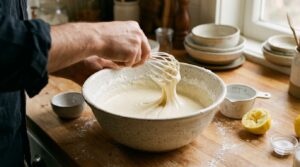
In a large bowl, add the flour, yoghurt, water, salt, and lemon juice. Whisk to combine until the mixture is free of lumps and is just the right consistency to flow and steam evenly, as well as have a soft texture.
Nutritional Benefits
Protein-rich base
Calcium from yoghurt
Good fibre content
Add Eno

Add Eno just before steaming & fold in gently so the batter is broken down so it can be worked into the Eno. Too much folding will flatten the rise given from the Eno.
To cook: When the mixture is ready, the batter must be immediately poured into a decked steaming tray, preferably not too deep, greased and steamed immediately. This will give a moist, light and spongy consistency.
Nutritional Benefits
Creates an airy texture
No nutritional change
Improves digestibility
Steam the Batter
 Pour the batter into a greased steaming tray. Evenly spread the batter. Place the tray in a steamer in a preheated oven. Cover with a lid.
Steam (15 – 20 min.) or until a toothpick or knife inserted in the centre comes out clean. Allow the Khaman to cool slightly before cutting into squares or cutting out any shapes you like with a cookie cutter.
Nutritional Benefits
No deep frying
Lower fat content
Better nutrient retention
Check for Final

After steaming, let the dhokla sit to cool for a few minutes. Allow the dhokla time to rest; it will set in the pan and will be firmer. When cutting the cake into pieces, allow it to be easier to be in a more presentable shape. Allow the texture of the dhokla to harden.
Pour it onto a steam tray, let it cool down and cut it into squares or diamonds. Now our soft and elastic dhoklas are ready for tempering and garnishing.
Cut Into Pieces

Allow the Khaman to cool slightly. If the Khaman isn't cooled, it will be too soft to cut without it lumping into bits. Once the mixture is cooled, cut the Khaman pieces into bite-sized squares or diamonds using a sharp serrated knife. Transfer the pieces to a serving platter and prepare for the tempering or garnish toppings.
Preparing the Tempering

Gently heat a small pan and add the oil. When heated, add the mustard seeds. Once they begin to splutter, add the curry leaves and green chillies and leave to infuse an aroma into the oil.
Pour the hot tempered mixture evenly all over the dhokla. Let it stand for a few minutes, until the flavours have been soaked through the delicate, soft and spongy pieces.
Nutritional Benefits
Mustard Seeds
Minerals
Antioxidants
Green Chillies
Vitamin C
Antioxidants
Curry Leaves
Digestive support
Iron
- Why You'll Love This Recipe
Khaman's popularity stems from the fact that it is soft and spongy with a desirable, light yet nutritious texture. It can be prepared quickly, is more healthful when compared to other fried snacks, and is among the most loved snack items by all age groups.
- Variations You Can Try
Cheese Dhokla
Sprinkle grated cheese over the dhokla as it is hot/warm. The warmth and heat will melt the cheese and add additional richness and creaminess to the soft and spongy dhokla.
By introducing this variation, we make it a richer snack with the light texture of regular dhoklas. The mild cheese and the tangy dhokla together will be liked by kids and cheese lovers.
Nutritional Value
More protein
Additional calcium
Higher calories
Vegetable Dhokla
Add grated carrots and spinach before steaming to add colour, flavour and nutrients. They are good additions to the soft dhokla and give it visual appeal.
The added vegetables increase the fibre, vitamin and mineral content of the dish and provide a healthier alternative, which is both nutritious and tasty for children and adults.
Nutritional Value
More fibre
Extra vitamins
Improved micronutrient profile
Green Chutney Dhokla
Serve the dhokla along with the spicy mint chutney, which provides a means of balancing the soft and sweet taste of the dish with the zing of the chutney. The delicious taste of the chutney is an excellent pairing with the mild spice of the dhokla.
Nutritional Value
Vitamin C
Antioxidants
Improved flavour
- Serving Suggestions
Fresh and spicy taste of green chutney: Enhances the mellow and soft flavour of dhokla.
Tamarind chutney: Adds a tasty sweet-and-sour taste, giving a lovely balance of flavours.
Served with a hot cup of masala tea: The dhokla is a delightful pair for either breakfast or evening tea-time.
Nutritional Benefits
Additional antioxidants
Improved digestion
Enhanced flavour
Fresh coriander garnish: Improves the appearance and taste with its fresh aroma and colour.
- Expert Tips & Recipe Notes
Do Not Overmix After Adding Eno : After adding Eno, mix the batter very gently and briefly. Be cautious not to overmix, as this can expel the entrapped air bubbles that are responsible for the soft and spongy texture. Be gentle while handling so that the rise of dhokla is perfect
Steam Immediately : Add Eno and pour the batter immediately into the steaming tray, as delay causes the baking leavening not to work well and thus the dhokla would not rise well.
Immediate steaming is when you steam it immediately after combining the ingredients. This helps to keep the trapped air in the dhokla and also produces the maximum softness
Use Medium Steam : Steam the dhokla on a moderate heat. If you overheat it, the dhoklas may cook unevenly. For instance, if you use a very hot, high heat to cook the dhoklas, their surface can cook while the inside remains uncooked
Add Tempering While Warm : Pour the tempering immediately on the dhokla while it is still hot so that flavors can be soaked in better. The hot insides create a uniform spreading of spicy seasoned oil on the dhokla
- Frequently Asked Questions (FAQs)
Q.What has made my dhokla dense?
Dhokla if not aerated enough or over-mix the batter after adding Eno, it tends to be a little dense. The over-mixing will result in 10 12co2 escaping from the entire mixture when beating which will make it dense. Steaming straight away with the aerated mixture will give the ideal denseness.
Q. How healthy is Dhokla?
Yes, dhokla is on the list of healthy snack options. As it is steamed, it has less oil than many of the other Indian snacks and is high in protein. It is full of fibre, low in fat and the ingredients used in the recipe are light and nutritious.
Q. Is it possible to prepare dhokla without yogurt?
Yes, you can make dhokla without yogurt, by substituting lemon juice for the acid. The lemon juice will make the leavening work and add a lemony tang in addition.
Q. What makes dhokla yellow?
The golden yellow that dhokla possesses comes mostly from gram flour and a little turmeric, together imparting a lovely colour to the raw batter. The intensity of the colour also increases after steaming and tempering.
Q.Is Dhokla gluten free?
Yes, the dhokla itself is gluten free as it is made from gram flour which does not contain gluten. So dhokla itself is a healthy snack that can be consumed on a gluten free diet. Confirm that the ingredients used are not contaminated.


Dhokla, known as a much-loved snack originating from Gujarat, is undoubtedly the most popular food item amongst our traditional selections. The appeal of Dhokla lay in its lightness but full-flavoured taste, whether eaten for breakfast, during tea or for special holiday festivities. Being relatively light, unsaturated and flexible to make, Dhokla is an ideal choice of snack in terms of healthiness, cost and taste. The fact that Dhokla can be eaten plain or served as a side dish with various relative accompaniments made it an iconic staple in any Gujarati household

Anjali Raj Singh
I am a food writer and culinary content creator specializing in global cuisines, traditional recipes, food culture, and cooking techniques. Through extensive research and hands-on recipe analysis, I create accurate, informative, and engaging content that helps readers explore authentic dishes from around the world. My work covers recipe development, food history, ingredient guides, restaurant features, and culture-driven culinary stories.
At Foods Around the World, I focus on delivering well-researched, reader-friendly, and SEO-optimized content that reflects the traditions, flavors, and culinary heritage behind each dish. Every article is carefully reviewed for accuracy and relevance, ensuring readers can discover trusted recipes, cooking insights, and food experiences from diverse cultures worldwide.