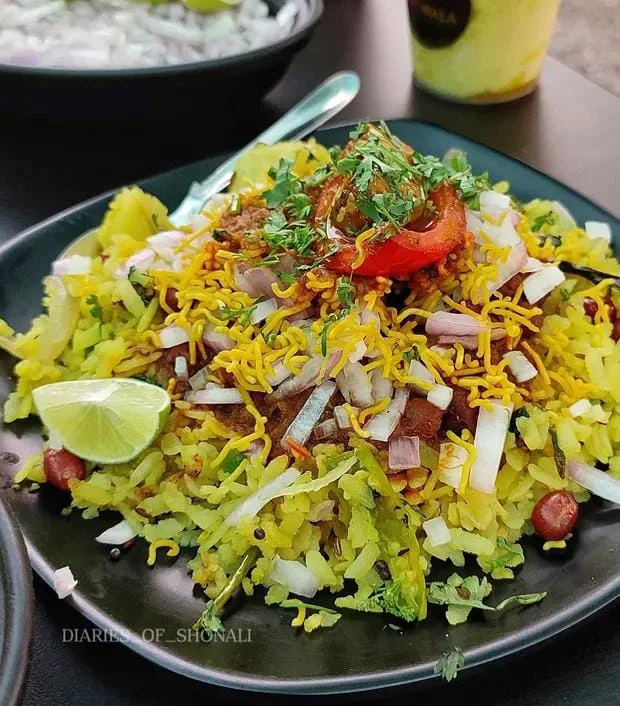


- What is Poha?

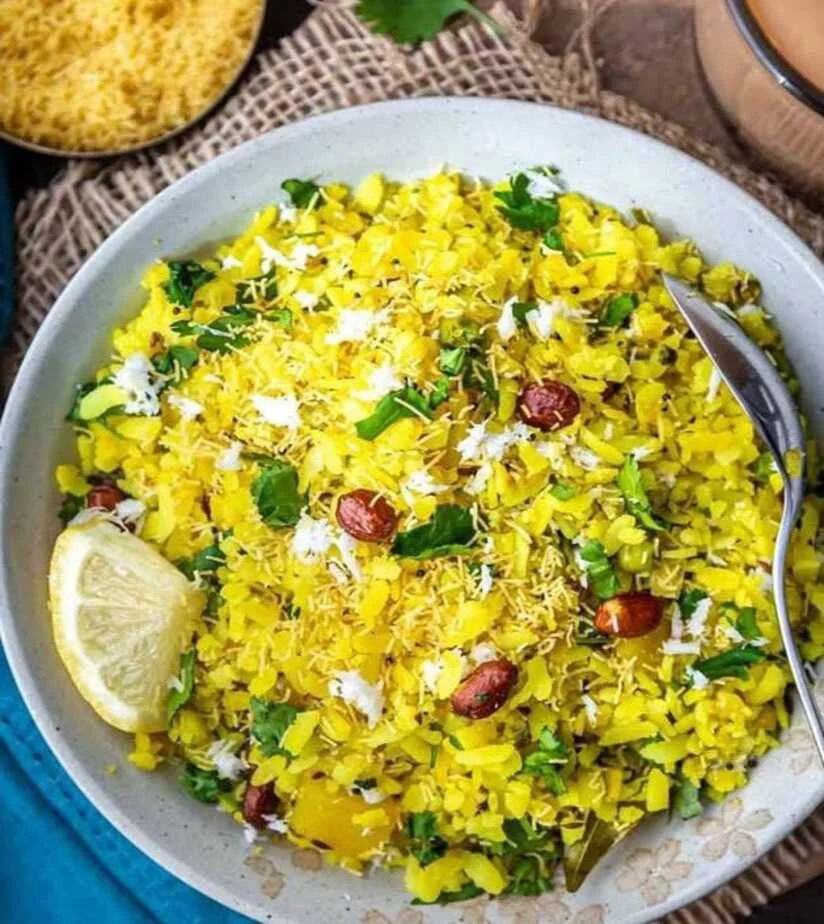
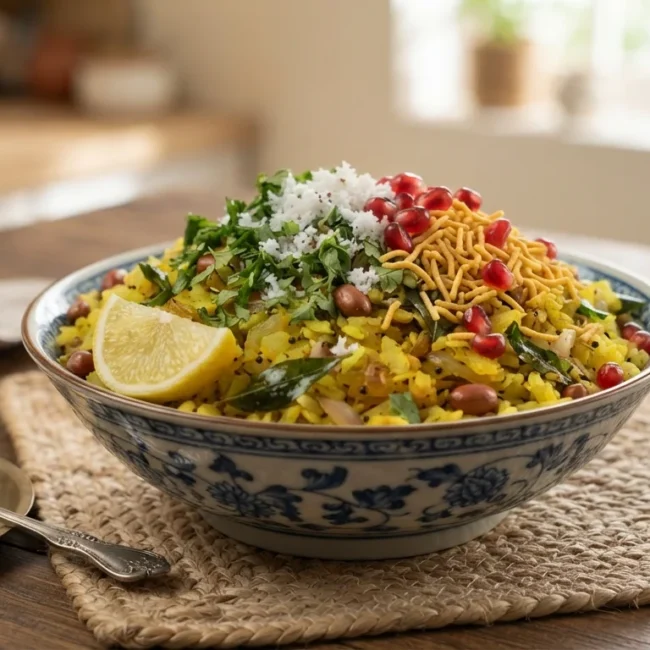
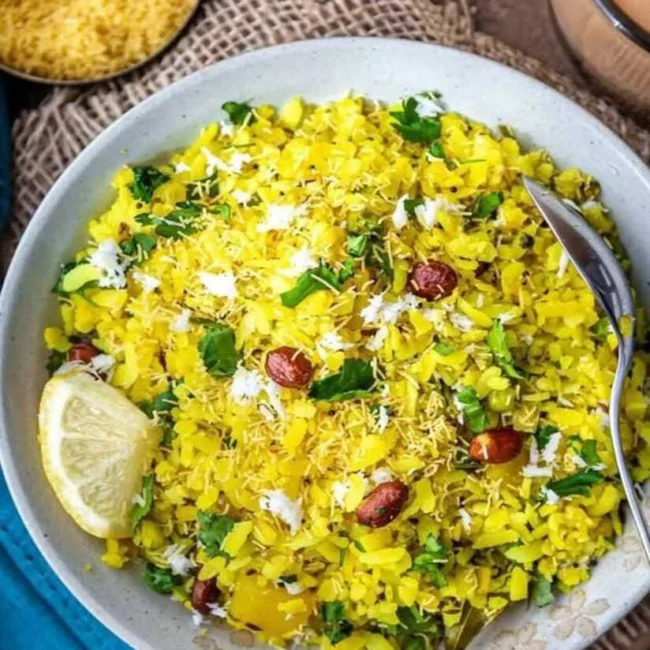
Poha is a widely loved morning delicacy throughout India. It is made with flattened rice beads, vegetables, unsalted peanuts and a dash of Indian spices. It‘s light and healthy, easy to prepare and is quite filling, making for a great breakfast across the length and breadth of India. In different parts of India, Poha is all topped with fresh coriander, grated coconut, sev, lemon juice and pomegranates. It is frequently administered in various forms in all the states of India.
- Regional Variations of Poha
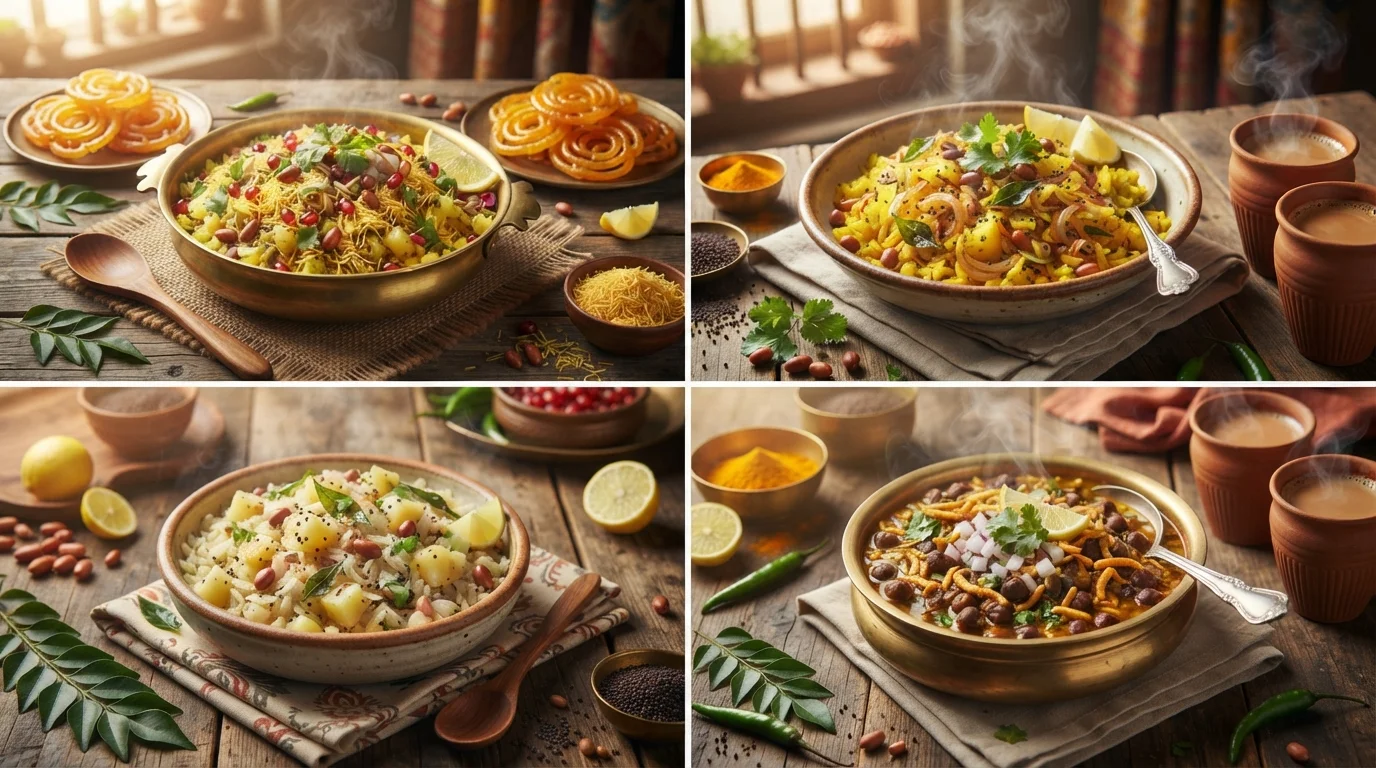
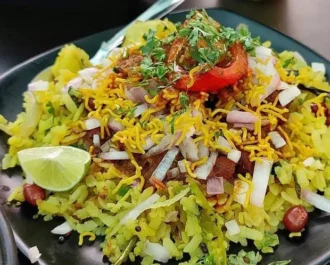
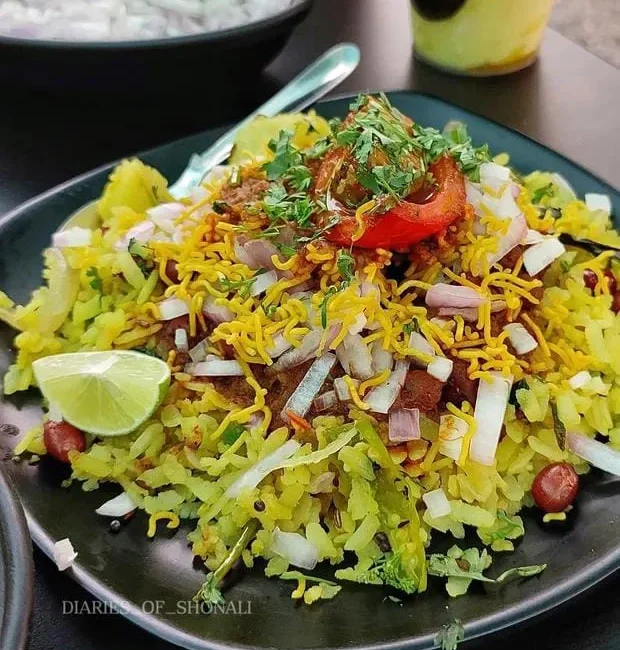
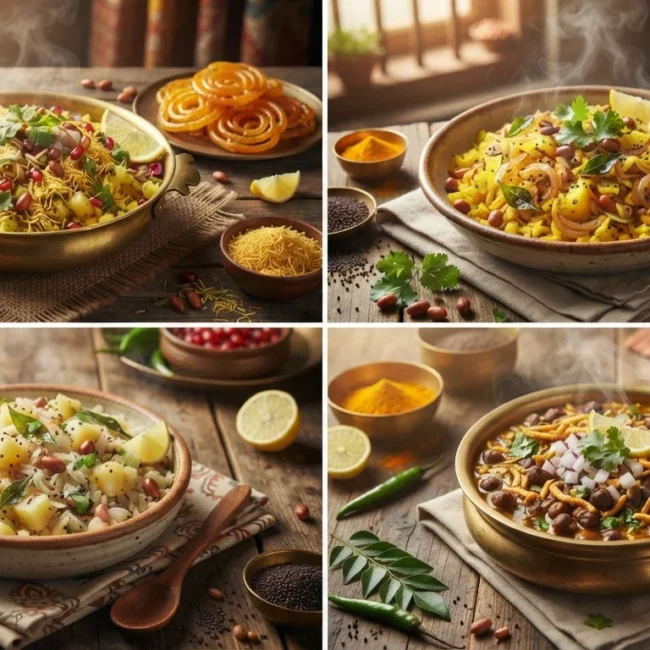
Indori Poha (Madhya Pradesh)
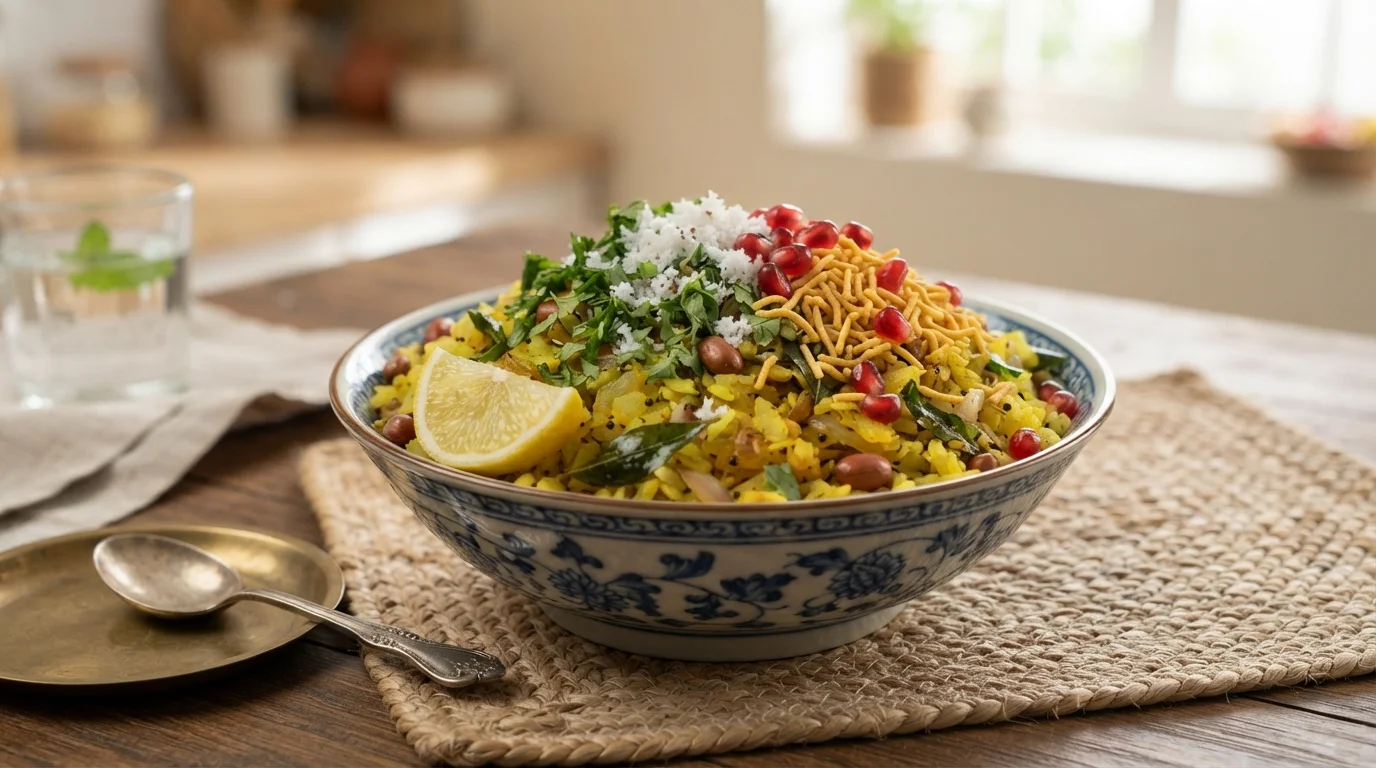
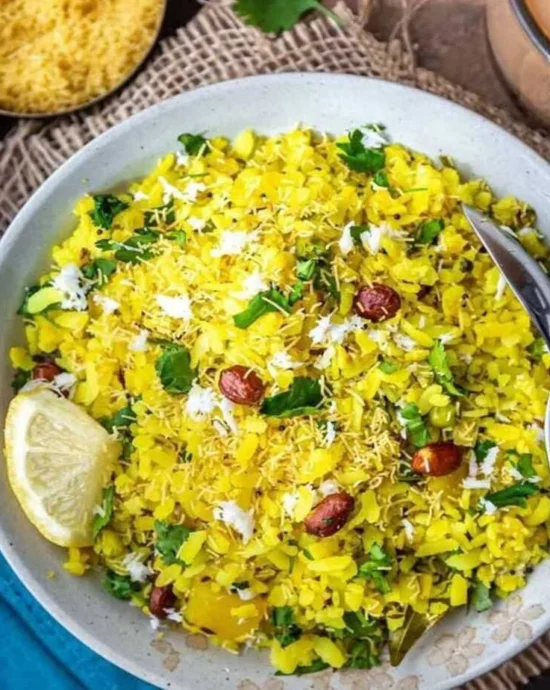
The most popular one is the Indore style, which is prepared with beaten rice, turmeric, onions, fennel seeds, fried peanuts, and green chillies. It has been garnished with sev, pomegranate seeds, coriander leaves & lemon juice.
Taste Profile
Light, a little sweet, sour, crisp
Why It Is Popular
Indori Poha is one of the most famous street breakfasts in India and is served traditionally along with crispy jalebi, thus providing the distinct sweet and salty flavour.
Nutritional Highlights
Light breakfast
Good dietary fibre
Healthy fats from peanuts
Maharashtrian Kanda Poha
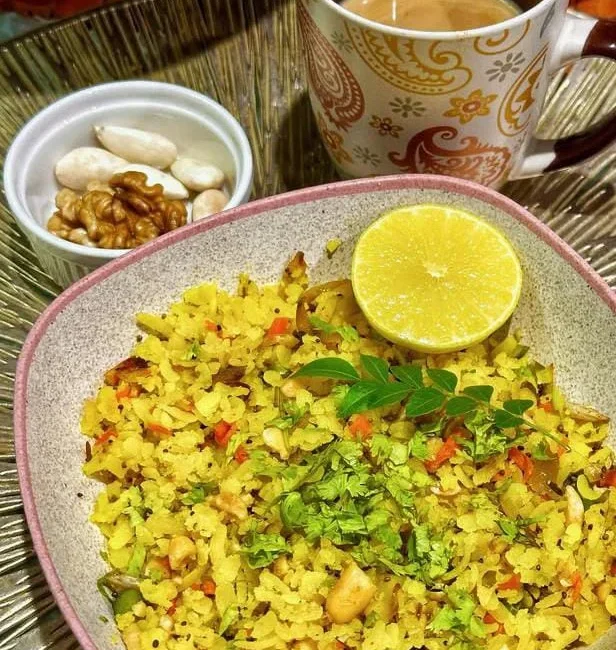
Kanda Poha, another variation of poha that is popular in Mumbai, Pune, Nagpur and Nashik, is served with onions, fresh coriander leaves, mustard seeds, curry leaves, turmeric and groundnuts.
Taste Profile
Soft, savoury and mildly spicy.
Why It Is Popular
Because of its ease of preparation and its balanced and healthy nutritional contents, this snack is popular for breakfast and tea-time.
Nutritional Highlights
Rich carbohydrates
Plant protein
Good source of iron
Gujarati Batata Poha
In this variation, you have peanuts, curry, leaves, mustard seeds, lemon, and sugar with dices.
Taste Profile
Sweet, tangy, slightly spicy
Why It Is Popular
The balance of sweet and savoury flavours and the characteristic Gujarati touch would ensure your family breakfast is comforting.
Nutritional Highlights
Energy-rich meal
Good fibre
Vitamin C
Nagpur Tarri Poha
A Nagpur invention, this is served with a spicy chickpea (Tarri) and a garnish of onions, farsan, coriander, and lemon.
Taste Profile
Known for being on the spicy, rich and tangy side.
Why It Is Popular
All three take the humble Poha and turn it into a satisfying selection of daily meal options.
Nutritional Highlights
Higher protein
Fibre-rich
Long-lasting energy
Nutritional Value (Per Serving)
Calories: 280–360 kcal
Protein: 6–8 g
Carbohydrates: 45–50 g
Fat: 8–12 g
Fibre: 3–5 g
Iron: 2–3 mg
- Basic Ingredients Used
Thick Poha (Flattened Rice) – 2 cups
Benefits
Easy to digest
Rich carbohydrates
Quick energy
Onion – 1 large (finely chopped)
Benefits
Rich antioxidants
Natural sweetness
Potato – 1 medium (optional)
Benefits
Potassium
Filling ingredient
Peanuts – ¼ cup
Benefits
Healthy fats
Plant protein
Vitamin E
Green Chillies – 2
Benefits
Vitamin C
Natural heat
Mustard Seeds – 1 teaspoon
Benefits
Traditional flavour
Digestive support
Curry Leaves – 10–12
Benefits
Rich antioxidants
Fresh aroma
Turmeric Powder – ½ teaspoon
Benefits
Natural colour
Anti-inflammatory
Lemon Juice – 1 tablespoon
Benefits
Vitamin C
Fresh flavour
Fresh Coriander – ¼ cup
Benefits
Antioxidants
Fresh garnish
Salt – To taste
- Ingredient Tips
Use thick Poha for the best texture.
Rinse gently to prevent the flakes from breaking.
Roast peanuts separately for extra crunch.
- How to Prepare Poha
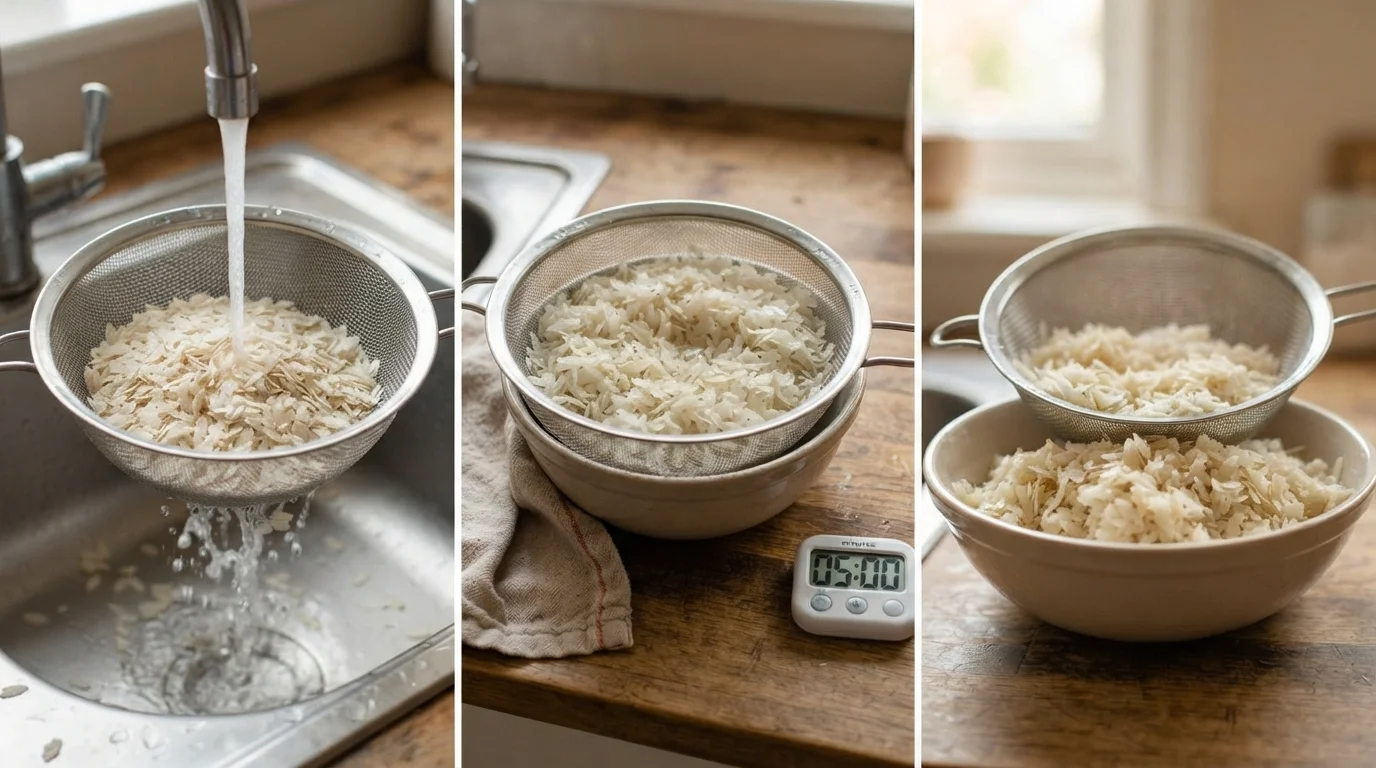
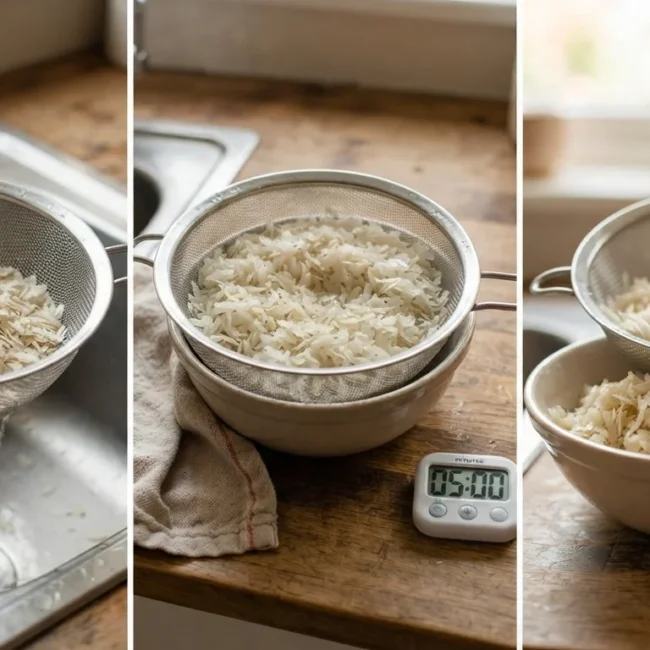
Prepare the Poha
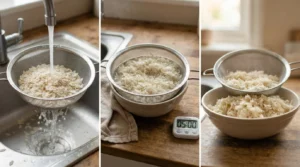
Wash the flattened rice under running water and leave it for 5 minutes. When softened, remove the watery mash.
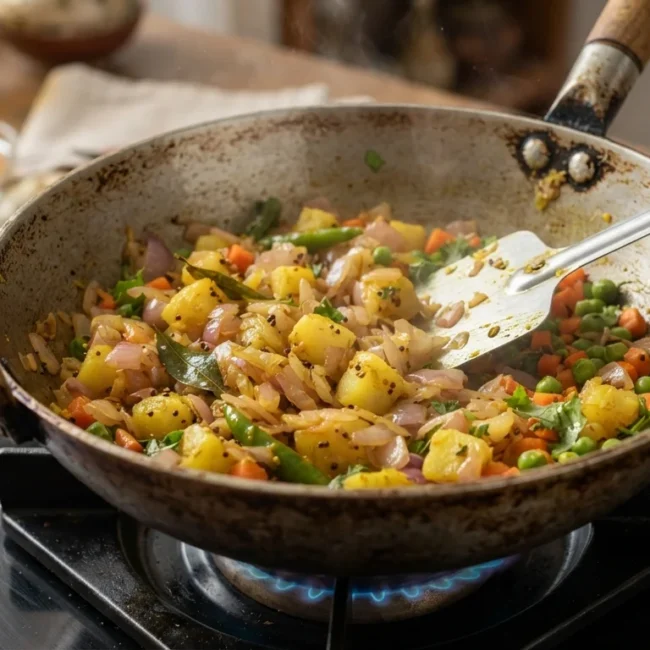
Cook the Tempering
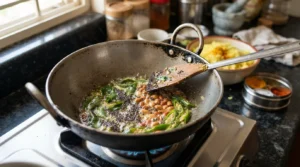
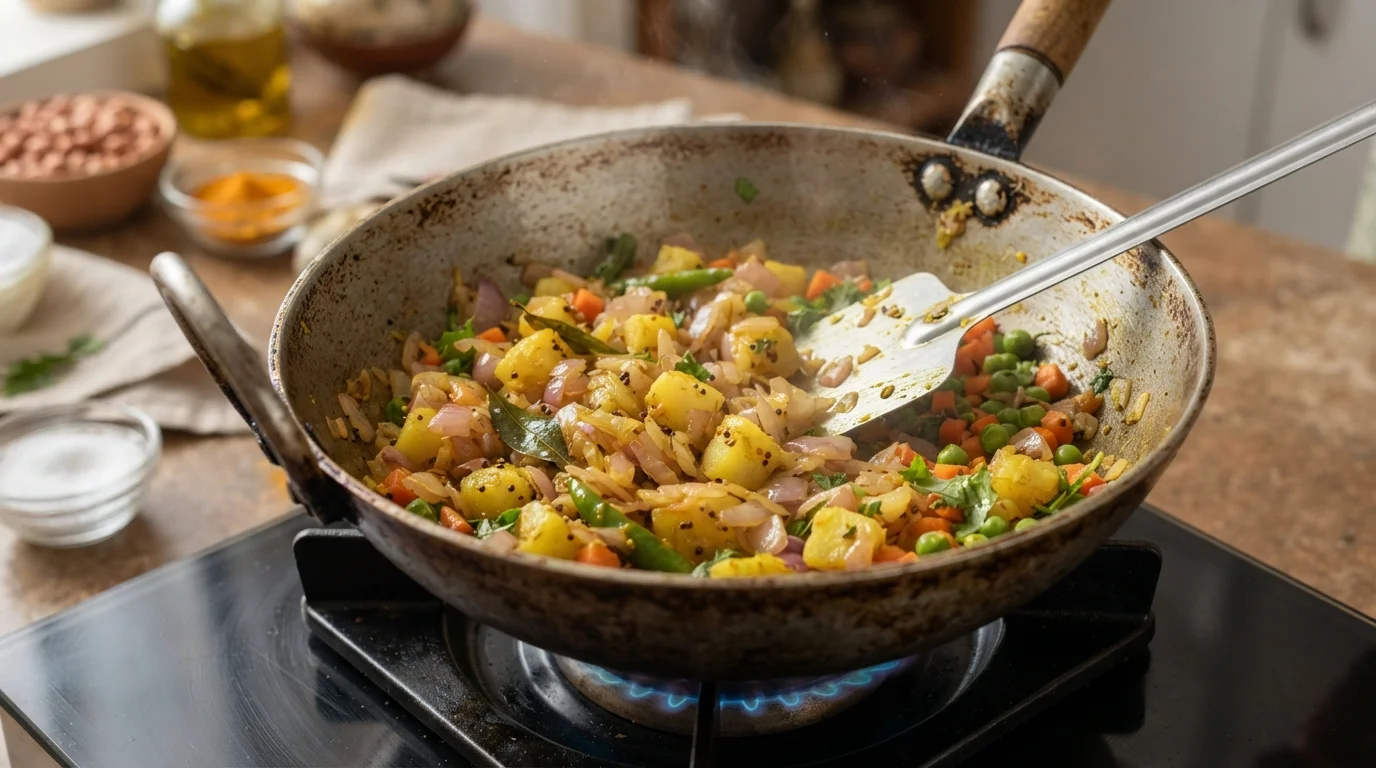
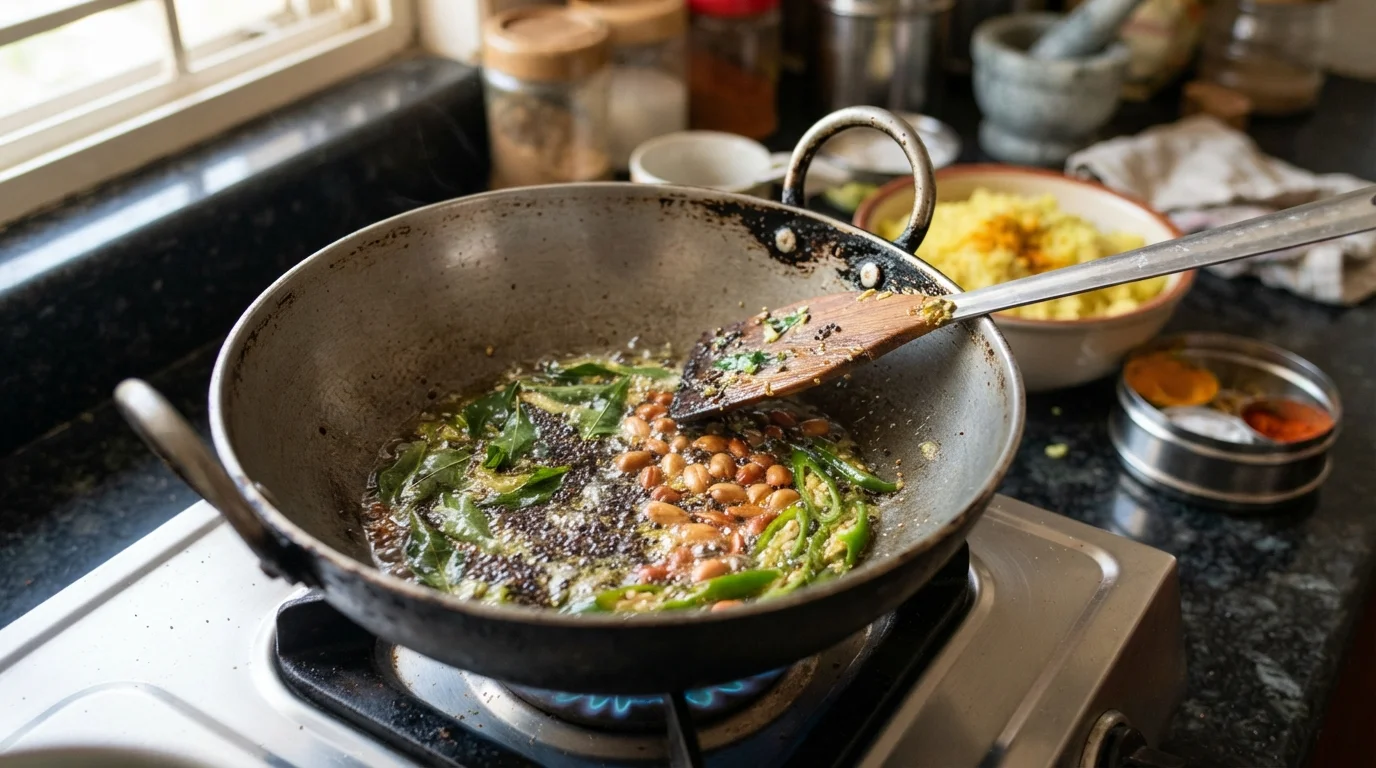
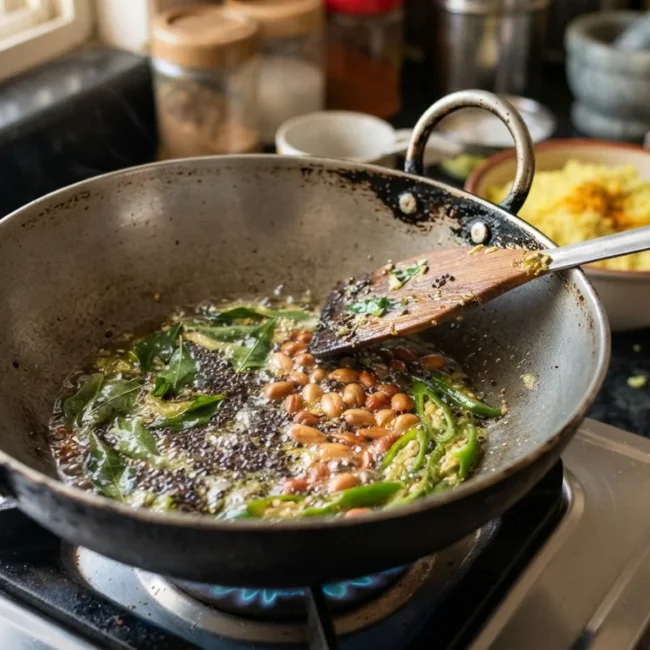
Fry mustard seeds, curry leaves, peanuts and green chillies in hot oil until fragrant.
Add Vegetables
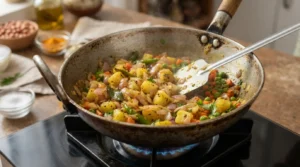
Cook onions until translucent. Add potatoes if using and cook until tender.
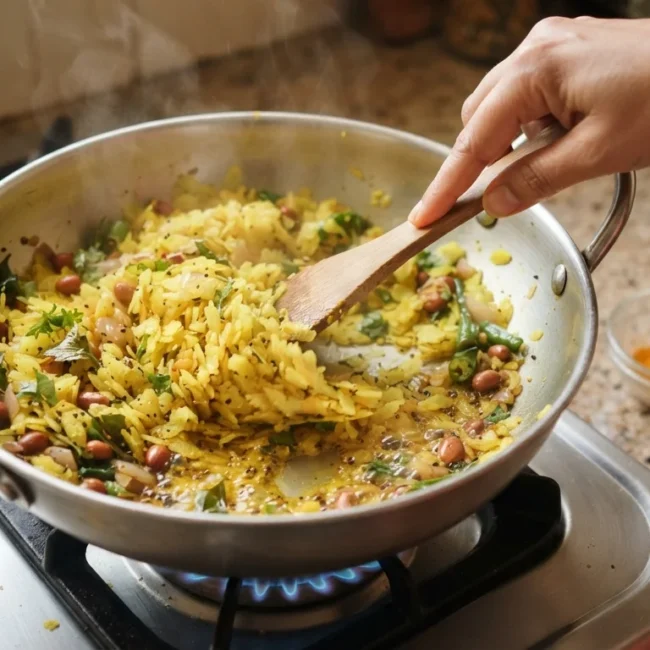
Mix the Poha
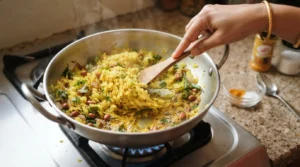
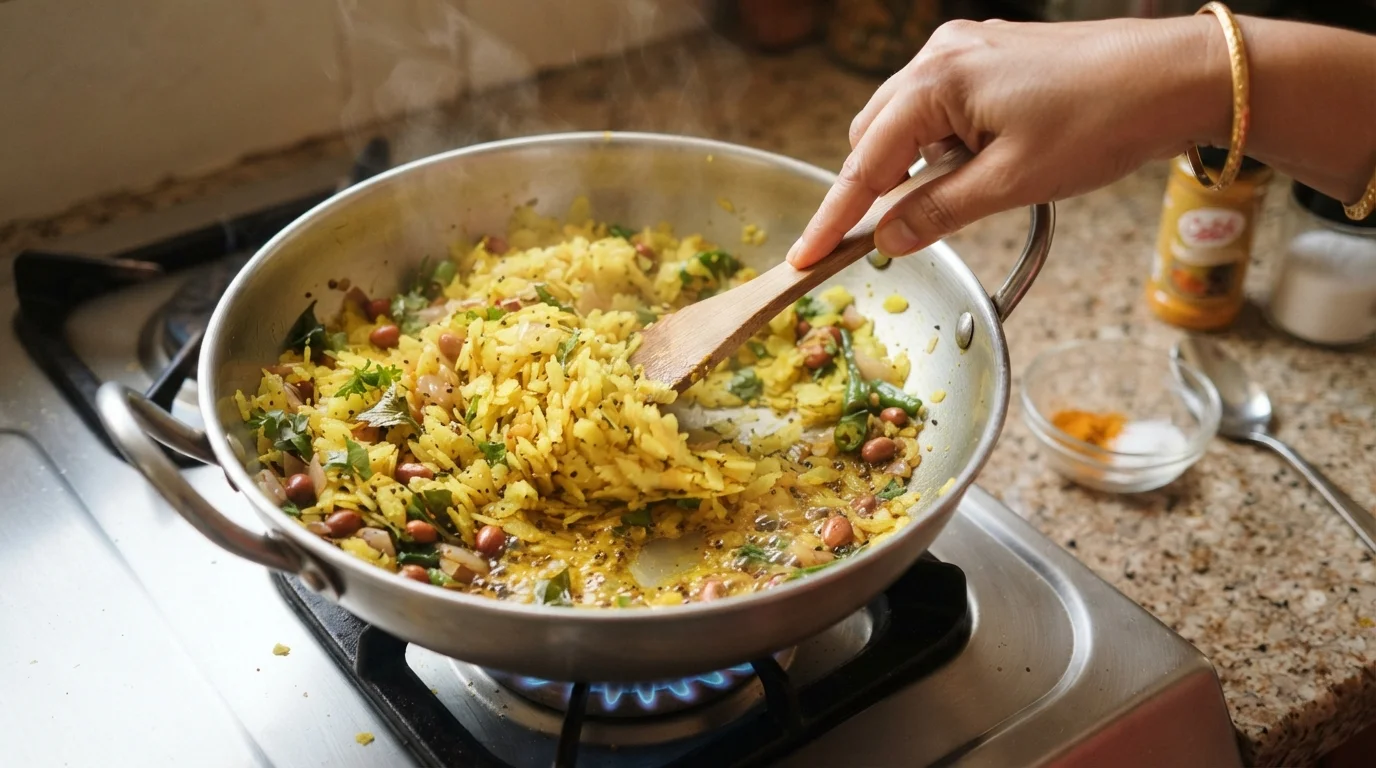
Sprinkle in some turmeric and salt, and fold in the Poha without breaking it up. Cook for 2-3 minutes on low heat.
Garnish and Serve
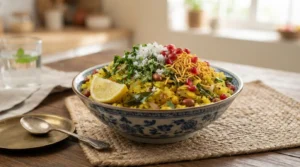
End the dish with coriander, lemon juice, freshly grated coconut, sev or pomegranate as per your regional flavour.
- Why You'll Love This Recipe
Poha is light, healthy, easy to cook, and incredibly versatile. You can add vegetables, sprouts, paneer or local topping and treat your taste buds any time of the day for breakfast, brunch or an evening snack.
Nutritional Advantages
Easily digestible
High carbohydrate content
Adequate dietary fibre
Good fats
Protein in moderation.
- Serving Suggestions
Jalebi (Indore Style): Crunchy, syrup-drenched jalebi makes an inspiring partner to Indore-style poha. The sweet-salty blend produces the city‘s renowned food pairing.
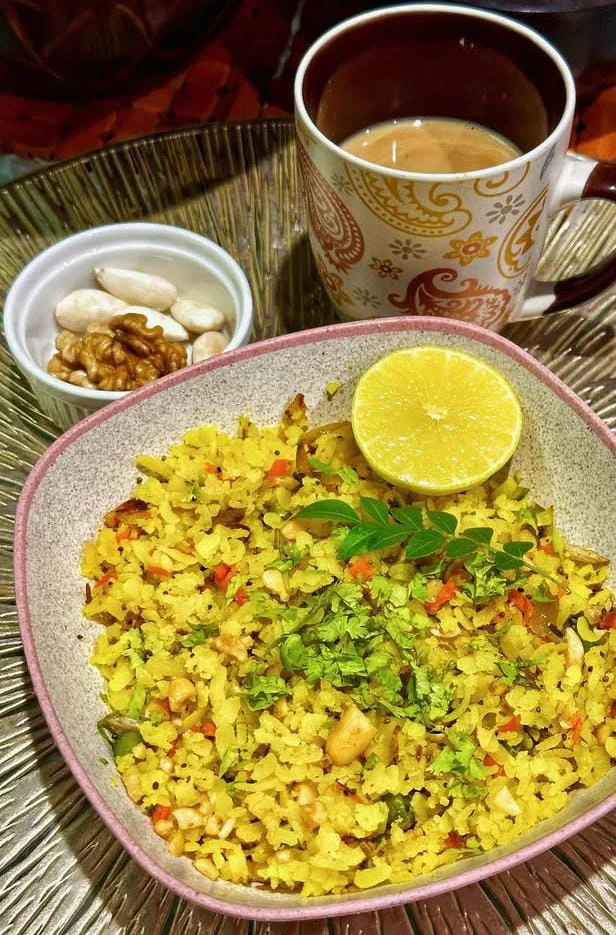
Masala Chai: Masala chai served hot and aromatic is an excellent match for a mild, delicate morning snack or evening snack such as poha.
Fresh Curd: Cool, savoury curd quenches the heat of the spices and adds a soothing freshness to the soft and fluffy poha.
Sprouts Salad: A fresh sprouts salad adds crunch, protein and nutrients, making poha richer and filling the tummy up way more.
Coconut Chutney: Creamy, smooth coconut chutney provides a delicately sweet and creamy flavour to go with the spiced and peanutty poha.
- Expert Tips
Don‘t Over-Soak the Poha: Whip the poha quickly with water and drain right away so the flakes stay soft but loose and not mushy.
Cook on Low: Once you add the poha, stir everything on low heat so you will give time for the flakes to absorb the flavours without breaking.
Add lemon juice at the end: Fresh lemon juice is best added at the very end, off the heat, to keep the sharp zing.
Garnish: Just before serving it, give it a sprinkle of fresh coriander, grated coconut, sev or pomegranate. This will help to keep it fresh and enhance the appearance.
- Frequently Asked Questions (FAQs)
Q. What type of Poha should I use for this recipe?
Thick Poha works well because it remains soft even after soaking.
Q. How can I make Poha without using onions?
Yes. Several traditional recipes avoid onions during festivals and fasting.
Q. Is Poha healthy?
Yes. It is light to eat, nutritionally-dense and provides carbohydrates, fibre, vitamins and good fats when made with peanuts and vegetables.
Q. Which city is known for Poha?
Indore (Madhya Pradesh) has been referred to as the Poha capital of India by many, and other regional variations are also famous in Nagpur, Mumbai, Pune, Ahmedabad and Vadodara.
Nutritional Highlights
- Rich in complex carbohydrates for sustained energy.
- Good source of dietary fibre, promoting healthy digestion.
- Provides plant-based protein from peanuts.
- Contains healthy unsaturated fats and vitamin E from peanuts.
- Rich in antioxidants and vitamin C from onions, green chillies, coriander, and lemon juice.
- Supplies potassium from potatoes and flattened rice.
- Light, easily digestible, and ideal for a wholesome breakfast or evening snack.
These values are approximate and may vary depending on the quantity of oil, peanuts, optional potatoes, and toppings such as sev, grated coconut, or pomegranate used.
- Calories::300-360 Kcal
- Protein:7-9 g
- Carbohydrates:45-50 g
- Fat:9-12 g
- Dietary Fibre:4-6 g
- Sugars:3-5 g
- Calcium:35-55 mg
- Iron:2.5.-3.5 mg
- Potassium:300-450 mg
- Vitamin C :18-30 mg
- Vitamin A :180-300 IU
- Vitamin E :2-3 mg
- Folate:30-50 mcg
- Sodium:350-500 mg
Poha is among the country‘s favourite breakfast dishes, eaten in the chaos of the streets of Indore and even in the kitchens of Maharashtra, Gujarat and Central India. Whether you like your crunchy Indori Poha, the soothing Kanda Poha, the sweet and spicy Gujarati Batata Poha or the fiery Nagpur Tarri Poha, it embodies the versatility of Indian cooking. Quick to cook, nutritious and delicious, Poha is a breakfast hit with Indian families.

Anjali Raj Singh
I am a food writer and culinary content creator specializing in global cuisines, traditional recipes, food culture, and cooking techniques. Through extensive research and hands-on recipe analysis, I create accurate, informative, and engaging content that helps readers explore authentic dishes from around the world. My work covers recipe development, food history, ingredient guides, restaurant features, and culture-driven culinary stories.
At Foods Around the World, I focus on delivering well-researched, reader-friendly, and SEO-optimized content that reflects the traditions, flavors, and culinary heritage behind each dish. Every article is carefully reviewed for accuracy and relevance, ensuring readers can discover trusted recipes, cooking insights, and food experiences from diverse cultures worldwide.