

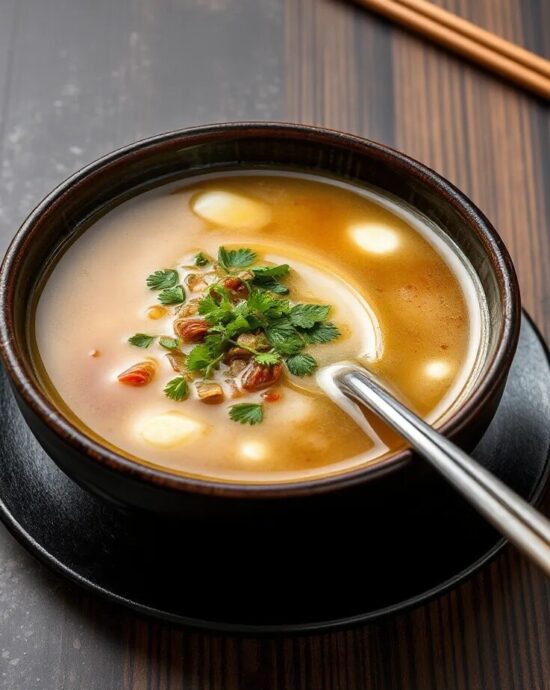

Before sharing the recipe for this comforting and flavourful soup, I would like to share a story. While writing this blog, I remember about my college life. So, read it attentively. I had my exams. One day, my father received a call where his aunt informed us of a medical emergency. Thus, my parents decided to leave without me since I had exams. After a discussion, my parents allowed me to stay alone. During that period, whenever I felt hungry, I would drink a bowl of lip-smacking miso soup.

Oh yes, you must be wondering – She should have ordered food then. Oh yes, I could have, but I don’t like restaurant food. Thus, I prepared my favourite miso soup in bulk. Till my parents returned, I relied on a bowl of miso soup – so comforting and flavourful. And yes, I did not get bored of drinking miso soup every day. If you ask me about my favourite Japanese cuisine, miso soup will rank first. So, let’s learn how to prepare this healthy miso soup. Follow my plain miso soup recipe and prepare an authentic miso soup at home from scratch. If it turns out perfect, I suggest you try my other miso soup recipes like:
- Kabocha miso soup
- Kenchinjiru
- Tonjiru
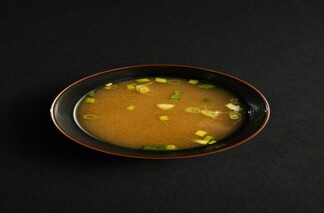
What is Miso Soup?
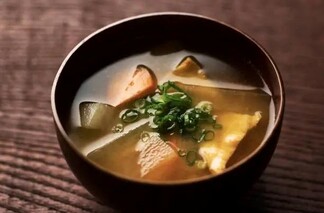
Miso paste is the key ingredient of the miso soup, and it is mixed with dashi and simmered. Other ingredients include green onions, seaweed, tofu, and veggies, such as mushrooms, cabbage and carrots. You can enjoy this dish best as a side dish combined with hearty Japanese meals.

What are the basic ingredients used for making miso soup?
Check out the list of the basic ingredients used for making miso soup:
- Dashi
- Dried wakame seaweed
- Chopped green onions
- Miso paste
- Tofu
3 Easiest Ways to Prepare Miso Soup
The simplest ways to prepare miso soup include:
- Making dashi, which takes up to twenty minutes.
- Adding miso, which takes up to two minutes.
- Simmering the soup by adding wakame and tofu, which takes up to five minutes.
So see, it didn’t take you even half an hour to make your beloved miso soup from scratch.
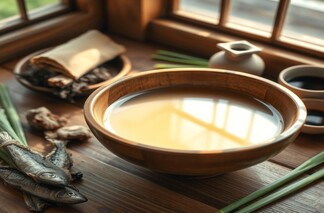
Step 1: Preparing Dashi
Explore Japanese food blogs. Comment if you find even a single blog where you have not read dashi as a key ingredient. Dashi is a key component of Japanese cuisine, and preparing it does not require even half an hour. For an authentic flavour and the best taste, dashi is a must.
- Awase Dashi
It is the most popular and commonly used dashi, encompassing dried bonito flakes (katsuobushi) and kombu (kelp).
- Iriko Dashi
Dried anchovies provide a rich and salty taste to the iriko dashi.
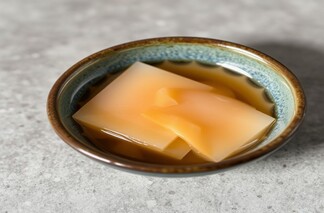
- Kombu Dashi
This plant-based dashi consists solely of kombu (kelp).
- Vegan dashi
Encompassing dried shiitake mushrooms and kombu, this is the most prevalent dashi among those who follow veganism.
You can make homemade dashi, which provides the best flavour, or you may use a dashi packet or dashi powder. A dashi packet or dashi powder may be your go-to choice for multitaskers or if you prefer instant options. However, I do not employ any of these methods.

Whenever making miso soup, I prepare homemade dashi for the best taste and flavour. My fellow home cooks, who opted for packet dashi or powdered dashi, expressed dissatisfaction with the taste.
To avoid these issues, I suggest preparing dashi in bulk and stock it in the freezer for later use. If you have homemade dashi handy with you, the next time you crave homemade miso soup, you don’t need to make dashi.

Step 2: Adding Miso Paste
Miso consists of barley or steamed rice, koji culture (a fermentation starter), and soybeans.
In supermarkets, you will find different types of miso. Thus, when buying miso, novices get perplexed and cannot identify which miso to buy. The best way to identify miso is by its colour. For instance:
- Red (aka) miso
It provides an intense and rich flavour.
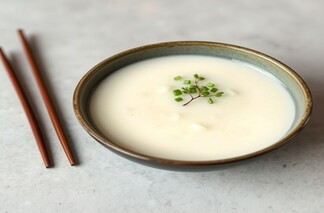
- White (shiro) miso
Contradictory to red miso, this provides a mild and sweet flavour.
- Yellow (awase miso)
It is the best miso one should consider using for its balanced flavour. I mostly use yellow miso in my homemade miso soup for the perfect taste.
In my previous blogs, several readers have asked me which miso I use. So, I regard kodawattemasu to be the best and use it in my recipes. If you prefer making everything from scratch, you may make homemade miso. If you choose shortcuts, you may use dashi-included miso, which I never recommend to anyone unless necessary.
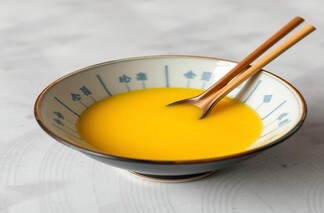
How Much Miso Paste to Add?
For an authentic taste, add approximately 18 grams (1 tablespoon) of miso paste to 200 ml (1 soup bowl). Before adding the paste to the soup, turn off the gas. Never add the miso paste directly to the soup. Mix it in another bowl and then gradually pour it into the soup.
When to add miso paste? Add miso paste to the dashi before serving the soup to retain its comforting flavour and aroma.
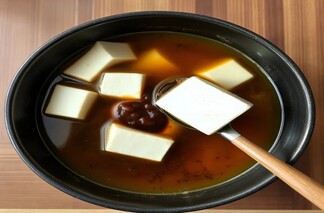
Step 3: Adding Tofu
To prevent the tofu from disintegrating, add tofu into the soup after diluting the miso paste.
Pro Tip
Japanese cut tofu on their palms. They do not require any chopping board or any such tool. However, I suggest novices use a cutting board. After pouring the tofu, add green onions and dried wakame. Enjoy it warm.
What if the Miso Soup Cools Down?
If you are a gastronome seeking authentic flavour and taste, I would suggest drinking it when it is piping hot. However, if it cools down, lightly warm it. However, do not boil it. In that case, add approximately one tablespoon of miso paste to retain its flavour.
How to Store Miso Soup?
When the soup’s temperature is normal, refrigerate for up to four days. If you want to stock it for longer (say fifteen days), remove tofu from the soup and add it when reheating.
Pro Tip
If you are making this soup in bulk, DO NOT add miso paste. Instead, add miso paste before serving for an enhanced test. Adjust the consistency of the soup according to your choice.
Benefits of Drinking Miso Soup
These days, healthcare professionals recommend multivitamins and calcium capsules. However, I do not need these capsules as I regularly have a bowl of the tastiest and healthiest miso soup. Come! Let us see how drinking miso soup is good for health:
- Drink a bowl of miso to get all the vital nutrients your body needs, like zinc, vitamin K, protein, magnesium, and copper.
- After thirty, when the bone density decreases, doctors recommend taking calcium pills and a store-bought protein shake. However, instead of relying on medicines and those so-called protein shakes, why not drink authentic miso soup?
- A bowl of miso soup contains vital compounds, such as linoleic acid, vitamin K2, and saponin, which elevates heart health.