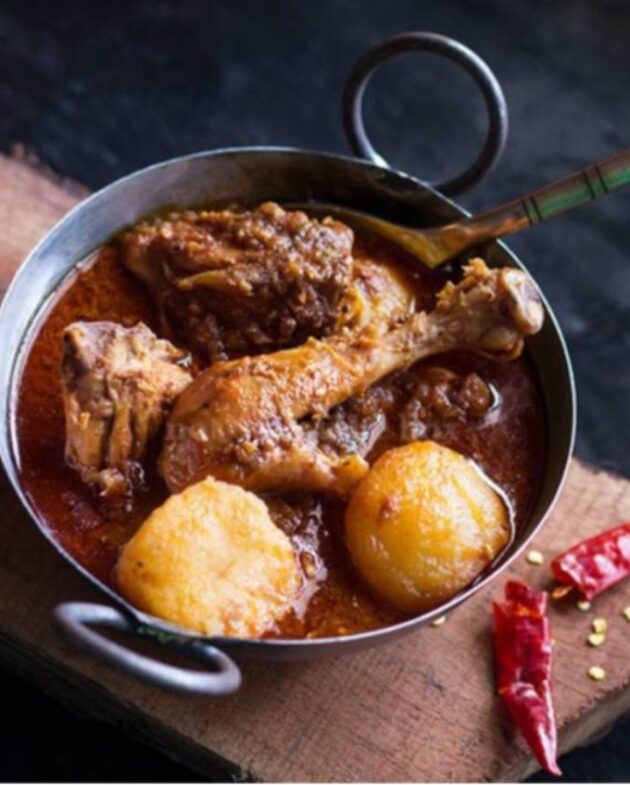
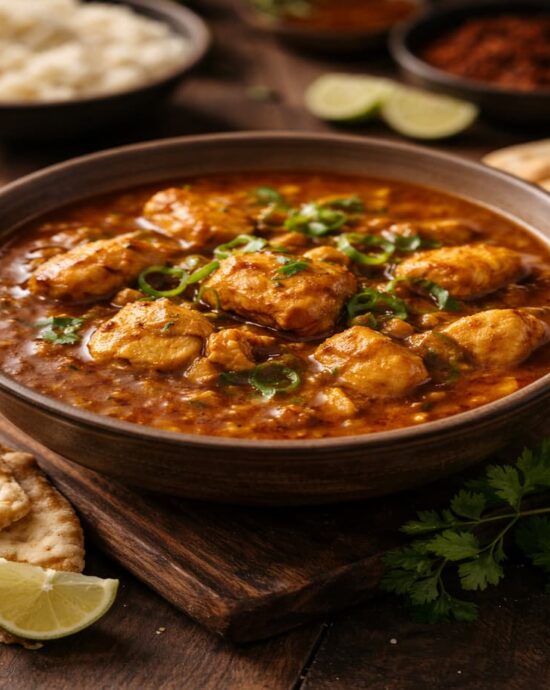

- What is Chicken Masala?

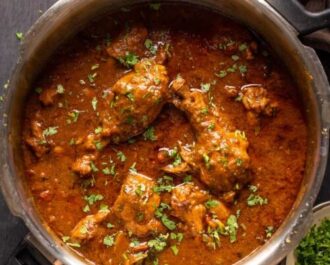
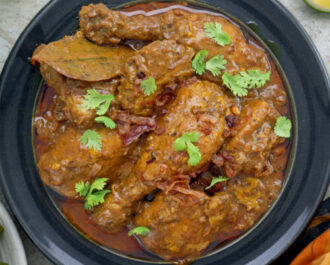
Chicken masala is a dish prepared with basic ingredients such as onions, tomatoes that are sautéed, thereupon mix with ginger-garlic masala mixture that contains some essential Indian spices such as coriander, turmeric, cumin, and garam masala.
It has a unique masala base similar to a caramel sauce that has been mixed with rich and slowly cooked ingredients. There are many variations of chicken masala based on the location where it is made.
- Regional Varations
North India:
Uses a thick, rich gravy made with ghee, garam masala, and often kasuri methi (dried fenugreek leaves). The flavor is creamy, aromatic, and slightly buttery.South India:
Uses curry leaves, coconut (paste or milk), and mustard seeds. The taste is more bold, slightly spicy, and has a fresh, earthy flavor.East India:
Often uses mustard oil and a spice mix called panch phoron. The curry can have a mild sweetness, and potatoes are commonly added along with the chicken.West India:
Uses a variety of ground spices along with ingredients like coconut and poppy seeds, giving the dish a rich and slightly nutty flavor.Overall, chicken masala is popular all over the world, but each region adds its own ingredients and style, creating different tastes and flavors.
- Why You’ll Love This Recipe
- This recipe is basic, and since it uses ingredients easily available at home kitchen, it is easy to cook chicken masala
- The onions are finely chopped before being added to the oil and being sauteed for a long time. This, combined with the roasted whole spices, makes the dish flavourful
- It is a versatile recipe. You can make it creamy with coconut, spicy, or keep it simple
- It works with bone-in skinless chicken, and it’s easy to make in a Kadhahi or pressure or slow cooker
- Ingredient Tips
- With bone chicken: ideal for slow cooking
- Boneless chicken: cooks quicker
- Garam masala: Fresher and spicier when homemade
- Tomatoes: Chopped tomatoes give a textured feel; pureed tomatoes give a smoother gravy
- How to cook chicken masala?
A. Preparation
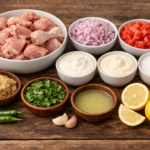
B. Prepare the Marinade
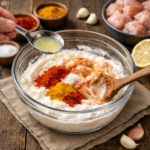
Take thick curd (yogurt) in a bowl—enough to fully coat all the chicken pieces. Add a little salt, some turmeric for color, and red chili powder for spice. If you prefer less heat, you can skip the chili powder and use lemon juice instead.
Mix everything well to make a smooth marinade. Then add the chicken and coat each piece properly so it’s fully covered. This marinade will help add flavor and keep the chicken soft and juicy when cooked.
B. Marination
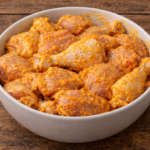
Coat each chicken piece properly with the marinade so it’s fully covered on all sides. Then keep it aside for at least 30 minutes. This resting time helps the chicken absorb all the flavors.
Marinating is important because it makes the chicken more flavorful and also helps it turn soft and juicy when cooked.
1. Heat oil & bloom whole spices
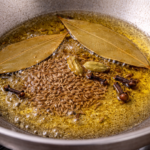
2. Sauteing onions
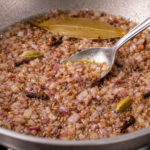
Add chopped onions to the pan. Cook them on medium heat and keep stirring so they don’t burn.
You want the onions to turn a light golden-brown color. If the heat is too high, they can burn quickly, so adjust the flame if needed. If they start sticking to the pan, lower the heat a bit and keep stirring.
Properly cooked onions add sweetness and depth to the dish, so take your time with this step.
3. Adding ginger-garlic paste
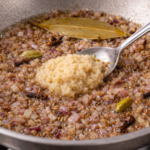 Add ginger-garlic paste to the pan after the onions are cooked. Keep the flame on medium and stir it continuously so it mixes well with the onions and doesn’t stick to the bottom.
At first, you’ll notice a strong, raw smell this is normal. Let it cook for a few minutes, and keep stirring. Slowly, that sharp smell will fade, and a rich, pleasant aroma will start to come out. This means the paste is properly cooked.
This step is very important because ginger and garlic form the base flavor of the dish. Cooking it well removes the raw taste and brings out a deep, savory flavor that blends perfectly with the spices and onions. If it’s undercooked, the dish can taste raw or harsh, so give it enough time until the aroma becomes mild and inviting.
4. Adding ground spices
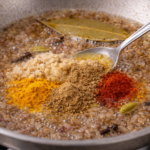
If the mixture starts sticking to the pan or looks too dry, add a little water or a bit more ghee/oil. This helps prevent the bottom from burning or forming a black layer.
Now add the powdered ingredients ,nut powder (like cashew or almond), turmeric, coriander powder, cumin powder, and chili powder. Mix everything well so the spices coat the onion and ginger-garlic mixture evenly.
Cook (roast) this mixture on medium-low heat in the ghee or oil. Keep stirring so it doesn’t burn. After a few minutes, the spices will cook properly, lose their raw taste, and release a rich aroma. This step helps deepen the flavor and gives the curry a thicker, more flavorful base.
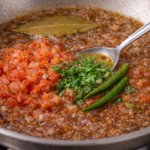
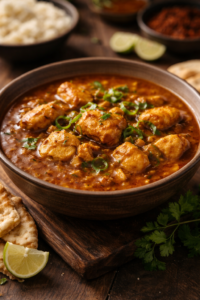
5. Adding the other ingredients
- Chicken Masala Variations
1. Creamy Chicken Masala Add a little cream cream or cashew nut paste in the dish at the end and mix it properly. This is the great option if you enjoy a creamy gravy.
2. Boneless Chicken Masala Prefer to use thigh portion of the chicken as it cooks quickly and remain moist
3. Coconut Masala Chicken Replace the curd with coconut milk to give tropical region flavour and bring some sweetness to the curry. Moreover, add some curry leaves to provide south Indian flavour.
4. Nut-paste Masala For this one, soak some cashews or almonds and blend them to create a paste. Add this paste to the masala before you cook the chicken. This gives a thick and rich texture to the dish.
5. Pressure Cooker Method Cook the chicken with masala in pressure cooker after making the masala like normal process as described above. With boneless chicken, it should take one whistle to cook, if with-bone chicken, give it 2 or 3 whistles so it turns tender.
6. Slow Cooker Method Combine all your ingredients and cook them on low heat for around 6 hours or on high heat for around 3 hours, and if required for more hours. This gives the dish a wonderful & rich flavour, and the chicken will be soft & tender.
- Serving Suggestions
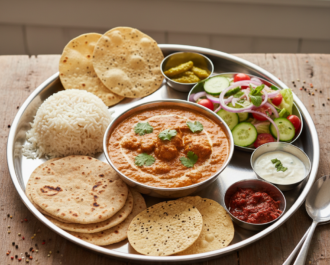
- Serve with rice: Chicken Masala with steamed basmati rice, jeera rice, or a simple vegetable pulao. The grains soak up the spicy gravy beautifully and balance the meal
- Serve with Roti / Chapati: Enjoy it with naan, chapati, tandoori roti, bajra roti or any other type of roti as per your taste. These rotis complement the rich masala and help scoop up every bit of flavour
- Add fresh sides: Fresh kachumber salad, onions with chat masala & lemon, or a bowl of raita adds a cooling contrast to the warm spices of the masala
- Optional extras: Serve with pickles or papad to add extra texture and enhance the meal experience
- Expert Tips & Recipe Notes
- Brown onions properly: Take your time sauteing onions until it turns golden brown. It helps in building the deep flavour to chicken masala
- Avoid curdling the curd: Always lower the heat before adding curd and stir continuously. Whisk the curd well to make it smooth
- Thicken the gravy naturally: Simmer the dish uncovered for a richer consistency as the extra water will evaporate, or stir in nut paste
- Layer spices correctly: Whole spices go into hot oil, ground spices are added after onions, and garam masala is sprinkled at the end for maximum aroma
- Boost flavours: A spoon of ghee added in the final moments enhances taste and fragrance
- Frequently Asked Questions (FAQs)
Q. Can I use canned tomatoes?
A. Yes, you can replace fresh tomatoes with canned tomato pureeQ. How spicy is chicken masala?
A. It has moderate heat. Adjust by increasing or reducing red chili powder or green chilies or adding coolers such as nut paste or coconut milk or milk creamQ. How do I store it?
A. Refrigerate for 2-3 days or freeze for up to a month. It tastes even better the next day as flavours deepenQ. How do I prevent curd from curdling in masala?
A. Use low heat and whisk the yogurt well before adding. Add it slowly while stirring continuously.Q. Can I make it dairy-free?
A. Absolutely. Replace curd with coconut milk for a creamy & dairy free versionQ. Which chicken is better – with bone or boneless?
A. With bone gives deeper flavour whereas boneless cooks faster. Both work well depending on your preferenceQ. How can I thicken the masala?
A. Simmer it longer, blend part of the masala, or mix in nut paste to provide thickness to the masalaQ. Can I cook chicken masala in advance?
A. Yes, it tastes fantastic when prepared ahead, as the flavours blend and intensifyQ. What should I serve Chicken Masala with?
A. Rice, naan, roti, millet bread, raita, salad, papad, pickles are excellent accompaniments
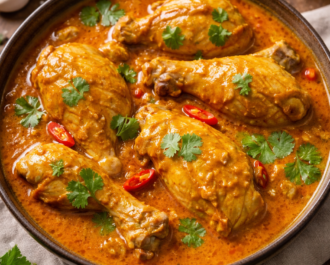
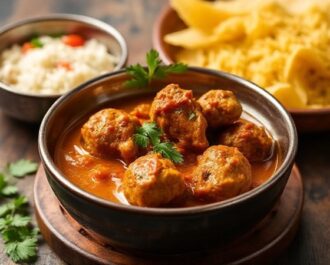
Chicken Masala is a super popular must try dish. It can be prepared with basic ingredients commonly available in kitchen, and is delicious. This tasty Indian chicken curry is made with slow cooked onions, tomatoes and mix of spices. It is full main course meal that can be prepared with thick masala best served with roti or with curry style that goes best with rice.