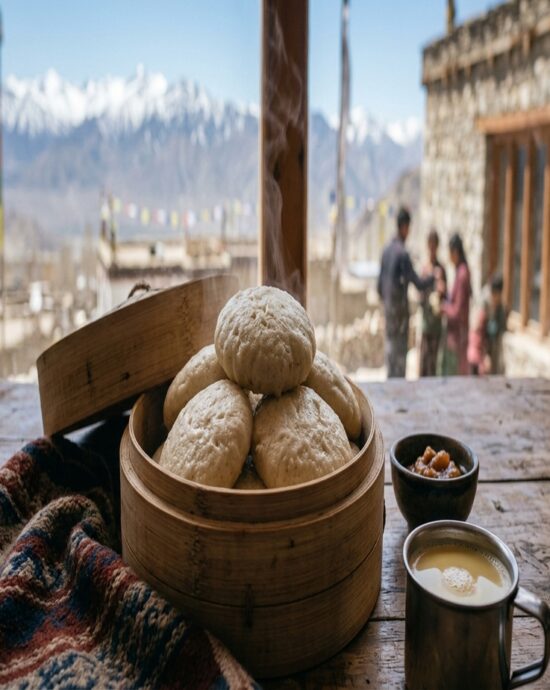

- What is Phakse?

Phakse, a steamed bun, is a traditional staple food of the Himalayan region of Ladakh. It is traditionally made from wheat or whole wheat flour and baker‘s yeast, fermented lightly, then moulded and steamed until soft and fluffy. The steaming process imparted the shape of the which it was moulded and the resultant spongy texture. Dipped in butter tea (Gur Gur Chai), or served with vegetable curries, lentils or meat stews or ‘khamis’ (homemade chutney)
The cold environment of Ladakh creates a perfect climate for Phakse. As a high-energy, filling “staple”, Phakse can fill you up for hours and delivers sustained energy release. The consistency and ease of cooking make it a revered “comfort food” for Ladakhi families
- Regional Variations of Phakse
Traditional Ladakhi Phakse
The traditional version is one that is prepared all over Ladakh, with wheat flour and water, yeast, and then steamed until it becomes soft and tastes good.
Taste Profile
The soft, slightly salty, healthy.
Why It Is Popular
Its soft nature and the provision of good accompaniment to nearly all Ladakhi curries have made it one of Ladakh‘s standard fare breads.
Nutritional Highlights
Highly complex carbohydrates
Good energy source
Low oil preparation
Whole Wheat Phakse
Made with whole wheat flour for a healthier alternative, high in fibre.
Taste Profile
Nutty, earthy, soft
Why It Is Popular
Healthier whole wheat to give the traditional flavour remains a favourite among health-conscious families.
Nutritional Highlights
High fibre
Rich in B vitamins
Sustained energy
Butter Phakse
Served generously with newly made yak butter or cow ghee around the outside, just after removing it from the steamer.
Taste Profile
Rich, buttery, creamy.
Why It Is Popular
The melted butter helps the soft loaf and also adds extra warmth during the brutal winter weather of Ladakh.
Nutritional Highlights
Healthy fats
Energy-rich
Rich flavour
Herb Phakse
A contemporary twist on the bread by adding coriander, spring onions, garlic and Himalayan herbs into the dough.
Taste Profile
Fresh, fragrant, slightly hot
Why It Is Popular
Further herbs can be used to enhance the existing flavour or to simplify the traditional way of preparation.
Nutritional Highlights
Rich in antioxidants
Fresh herbs
Additional vitamins
Nutritional Value (Per Serving)
Nutritional Value
Calories: 260–340 kcal
Protein: 8–11 g
Carbohydrates: 48–55 g
Fat: 3–7 g
Fibre: 5–7 g
Iron: 2–3 mg
- Basic Ingredients Used
Wheat Flour
Quantity:3 cups
Nutritional Value (100 g)
Calories: 340 kcal
Protein: 13 g
Fibre: 10 g
Nutritional Benefits
Rich complex carbohydrates
Sustained energy
Good fibre source
Whole Wheat Flour (Optional)
Quantity: 1 cup
Nutritional Benefits
High fibre
Rich minerals
Better digestion
Dry Yeast
Quantity: 1 teaspoon
Nutritional Benefits
Helps fermentation
Soft texture
Better flavour
Warm Water
Quantity: 1 cup
Nutritional Benefits
Activates yeast
Soft dough
Moist texture
Salt
Quantity: 1 teaspoon
Nutritional Benefits
Enhances flavour
Balances dough
Sugar
Quantity: 1 teaspoon
Nutritional Benefits
Activates yeast
Mild sweetness
Butter or Ghee
Quantity: 2 tablespoons
Nutritional Value (100 g)
Calories: 900 kcal
Nutritional Benefits
Rich flavour
Healthy fats
Soft texture
Garlic
Quantity: 3 cloves (optional)
Nutritional Benefits
Supports immunity
Improves flavour
Antioxidants
Fresh Coriander
Quantity: 2 tablespoons
Nutritional Benefits
Vitamin C
Fresh aroma
Antioxidants
Spring Onions
Quantity: 2 tablespoons
Nutritional Benefits
Fibre
Vitamins
Fresh flavour
Black Pepper
Quantity: ½ teaspoon
Nutritional Benefits
Digestive aid
Mild spice
- Ingredient Tips
Yeast should be activated with warm, not hot water, for a soft and spongy result
Make sure that the dough is well rested before steaming so that it is light in texture.
- How to Make Phakse
Prepare the Dough
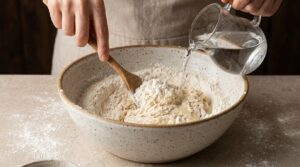
In a bowl, mix the wheat flour, yeast, sugar and salt with the warm water to make a soft dough. Knead for 8–10 minutes.
Nutritional Benefits
Soft texture
Better fermentation
Easy digestion
Rest the Dough
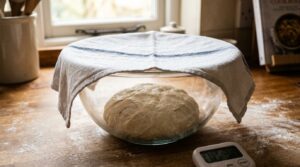
Cover and leave the dough to prove for 1/2 hours or until doubled in size by half. The dough should be soft, light and slightly swollen.
Nutritional Benefits
Improved flavour
Better texture
Shape the Bread
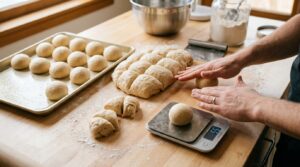
Break into equally sized pieces and roll into round or oval-shaped buns. Try to make all the pieces similar in size so they cook evenly and have a uniform texture.
Nutritional Benefits
Even cooking
Soft interior
Steam the Phakse
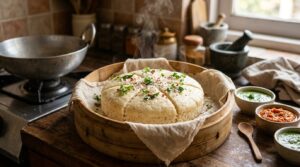
Steam for 20–25 minutes until fluffy and fully cooked.
Nutritional Benefits
Low-oil preparation
Retains nutrients
Healthy cooking method
Brush with Butter
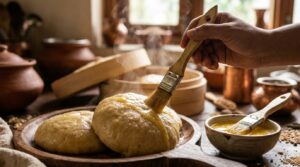
Use butter or ghee as soon as you steam the Siddu. Applying butter or ghee at the right time also helps to keep the Siddu soft, moist and enhances its rich traditional aroma.
Nutritional Benefits
Improved flavour
Rich traditional finish
- Why You'll Love This Recipe
Phakse is melting, satisfying and soulful. Because it is easy to prepare, good for you and adaptable in its use, it also works well with curries, stews, dips and Ladakhi butter tea.
Nutritional Advantages
Low-oil preparation
High fibre
Good plant protein
Long-lasting energy
Easily digestible
- Serving Suggestions
Butter Tea (Gur Gur Chai); The traditional Ladakhi match that is to be enjoyed with the soft bread. A salty, gooey taste to the butter adds to the fresh flavour of the house-made Phakse.
Vegetable Stew: Delicious vegetable curry takes the bread to new heights. The slightly spicy, comforting gravy is understatedly excellent with the soft and fluffy texture of Phakse.
Dal: Nutritious complete meal. A pot of warm, nutritious, flavoursome dal sits happily at the centre of each tasty dish.
Butter a homemade way: A fresh homemade butter will melt so well in this hot Phakse. In the hot bread, spread some butter before serving for a more authentic and tasty flavour.
- Expert Tips
Do Not Overproof: Excess fermentation may cause the bread to collapse while steaming. Proof the dough just until it doubles in size for the best texture
Steam on Medium Heat: Gentle steaming produces an even, fluffy texture. Avoid high heat, as it can cook the outside too quickly while leaving the inside underdone
Brush immediately with Butter: This prevents the bread from drying out. It also adds a rich flavour and gives the bread a soft, glossy finish
Serve Fresh: Phakse is best enjoyed warm immediately after steaming. Freshly steamed Phakse has the softest texture and the most delicious flavour
- Frequently Asked Questions (FAQs)
Q. Is Phaske baked or steamed?
The conventional method is by steaming, not baking, Phakse.
Q. Is it possible to prepare without yeast?
Yes. Certain separate process recipes use natural fermentation instead of commercial yeast.
Q. Am I able to use wholemeal (wheat) flour exclusively?
Yes. The entire wheat makes an appropriate one (slightly thicker).
Q. What are Phakse eaten with?
Served with burkah (a type of bread), butter tea, curries, pulse, vegetable stew and chutney.
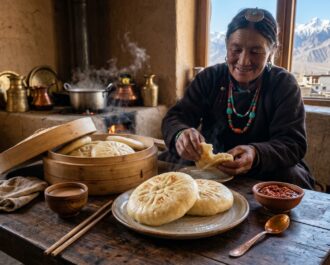
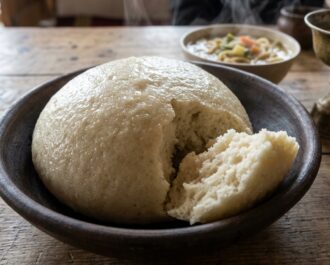
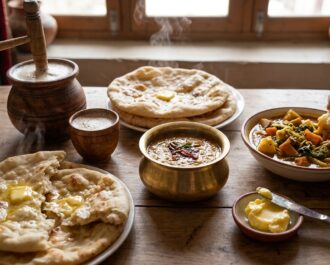
Phakse is one of Ladakh’s most comforting traditional breads, reflecting the simplicity and warmth of Himalayan cuisine. Whether enjoyed in its authentic steamed form, enriched with butter, prepared using whole wheat flour, or flavoured with fresh herbs, every version offers wholesome nutrition and satisfying flavour. Soft, nutritious, and easy to prepare, Phakse remains an important part of Ladakhi culinary heritage

Anjali Raj Singh
I am a food writer and culinary content creator specializing in global cuisines, traditional recipes, food culture, and cooking techniques. Through extensive research and hands-on recipe analysis, I create accurate, informative, and engaging content that helps readers explore authentic dishes from around the world. My work covers recipe development, food history, ingredient guides, restaurant features, and culture-driven culinary stories.
At Foods Around the World, I focus on delivering well-researched, reader-friendly, and SEO-optimized content that reflects the traditions, flavors, and culinary heritage behind each dish. Every article is carefully reviewed for accuracy and relevance, ensuring readers can discover trusted recipes, cooking insights, and food experiences from diverse cultures worldwide.