
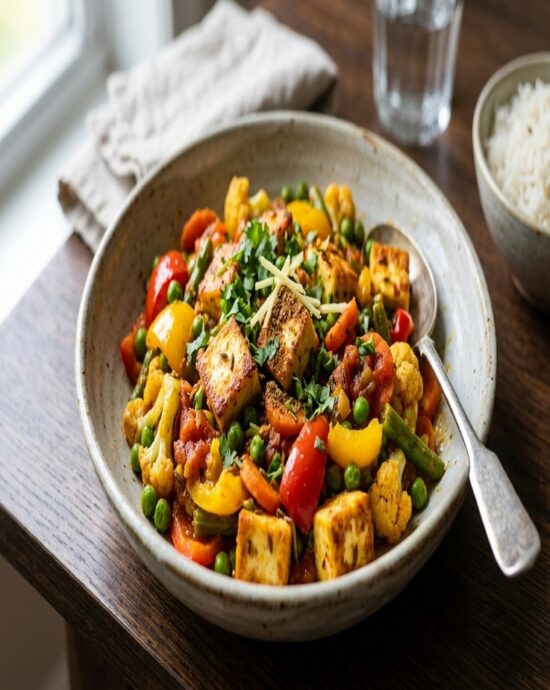

- What is Paneer with Mixed Vegetables?

Mixed veggie paneer is a healthy Indian curry made with soft cubes of delicious mixed vegetables like peas, carrots, beans, capsicum, cauliflower, and potatoes in a slightly spiced onion-tomato gravy
This food is very common in an Indian home, this is because it is the deliciousness of just paneer, the desire to fill it with nutritional value and the texture of vegetables. Unlike a restaurant curry, where the paneer can be thick and creamy, and no vegetable can be seen or tasted, this is well-balanced and filling
The dish is particularly interesting for several reasons; firstly, they are ideal for families seeking a one-dish veggie option that contains everything from proteins to vegetables and comforting flavours. Secondly, they work for all occasions, from packed lunch through to dinner and festivities.
While the dish appears quite simple, the preparation time is more realistic and is because the vegetables require chopping and the vegetable preparation needs gentle handling, as well as the slow cooking time of the masala base
- Regional Variations of Paneer with Mixed Vegetables in India
Delhi – Dhaba-Style Paneer Veg Curry
Delhi is also known for rich roadside-style paneer curries, which are prepared with butter, onion, tomatoes, and a mixture of aromatic spices.
Taste Profile: Rich, spicy, buttery
Why it‘s popular: Rich flavours and restaurant-style consistency. Most suitable for: Family meals and social meetings
Punjab – Creamy North Indian Style
Punjab is the heaviest user of dairy products, thus making paneer curries more luxurious and creamy.
Taste Profile: Creamy with a mild spicy kick, a real comfort</p>
What makes it popular: Paneer is an essential ingredient used in Punjabi cuisine. Ideal for: Roti, naan and celebration food
Mumbai – Quick Urban Home Cooking
Mumbai kitchens have some lighter paneer vegetable (curry) for on the go.
Taste Profile: Balanced, lightly spiced
Why it‘s popular: Easy to cook, available ingredients, quick to make
Ideal for: Every day for lunch or dinner
Kolkata – Mildly Sweet Vegetable Paneer Curry
The Kolkata variants may have a slightly sweeter onion-tomato base with soya, potatoes and peas.
Taste Profile: light, lightly sweet, full-bodied
Why it‘s popular: The mix of hints of spice and nice comfort.
Best for: Rice dishes
Rajasthan – Spiced Dry-Style Paneer Veg
Here are some more examples of change in Rajasthan due to climatic factors. Rajasthan generally cooks a lot drier and spicier paneer-vg.
Taste Profile: Spicy, earthy, aromatic
Reasons for popularity: This cuisine is pungent and tends to use long- shelf- life cooking styles.
Best for: Traditional meals and Bajra roti
- Why You’ll Love This Recipe
This dish lends itself well to Indian home-cooked meals and, as it contains a good combination of protein (the paneer) as well as diverse and nourishing vegetables, can be served as a suitable, complete and balanced meal. It is suitable to be served as a comforting, hearty dish, which can be made to individual taste and for special occasions. The curry could be made as lacking in richness and fullness as the home-style recipe or as indulgent as a restaurant dish, depending on the choice of ingredients and spices. This curry also lends itself well to vegetarians looking for wholesome, tasty and satisfying dishes with minimal effort.
- Ingredient Tips
Ingredient Tips
Use fresh paneer: Home-made (or softer) paneer. Better mouthfeel incorporates gravy and remains moist while cooking. It can be directly added to gravy. It enhances the colour and improves the softness and richness of the final product
Do not over-fry paneer: Over-frying can toughen and make the paneer rubbery in texture. Add a few drops of oil to the oil before frying or add directly to the gravy to retain softness. The paneer should be cooked just enough to absorb flavours
Cut vegetables evenly: Ensures even cooking of all vegetables. Pieces uniform in size look better and have a more even texture. It also avoids some pieces being overcooked while others are undercooked
Cook tomatoes properly: Helps avoid raw-tasting gravy. Good cooking of the tomatoes results in a more sumptuous and richer masala base. When the oil float pressure is reached, it indicates further cooking to deepen and balance out the flavour
- How to Cook Paneer with Mixed Vegetables
A. Preparation

Wash and cut all vegetables into medium-sized pieces so they cook more evenly. If vegetables are uneven in size, some will be simmering down to mush while others will stay hard
Slice the paneer into cubes and place it for a few minutes in some warm water if being used straight from the fridge; this will keep the paneer moist and prevent it from drying out during cooking. Prepare the ingredients for the onion-tomato masala in advance, as Indian style curries tend to be easiest when prepared beforehand
B. Cooking Method
Prepare the Base

Fry ghee or oil in a deep pan, on medium heat. Fry cumin seeds for five minutes, allowing them to crackle. Combine the chopped onions and fry till a rich brown colour. This is a vital step, as browned onions provide a sweetness and an aroma to the gravy
Add Ginger-Garlic Paste

Next, add ginger-garlic paste, and fry till the raw smell vanishes. Proper cooking will intensify the aroma and enhance the taste of the dish
Add Tomatoes & Spices

Add the tomatoes and mix in the turmeric, coriander powder and salt. Sauté at a low heat until the tomatoes are thoroughly soft and the oil is separating from the masala. This should take about 8–10 minutes, but it is an important stage of preparation
Cook the Vegetables

Add the firmer vegetables (carrots, beans, cauliflower) first. Cover and cook for 8 12 minutes so the vegetables soften slowly, allowing some texture. Add the softer vegetables (peas, capsicum) a little later
Add Paneer
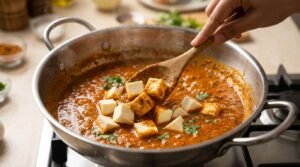
Add the paneer (cubes) and stir gently (be very gentle! Paneer breaks easily). The gravy should be left for 5–7 minutes so that the paneer cube can soak up the flavours properly
Final Touch

Add garam masala and fresh coriander leaves towards the end. Rest the curry for 2–3 minutes after adding everything so that flavours settle naturally before serving
- Variations You Can Try
1.Restaurant-Style Creamy Version: Add cream or cashew paste for richer gravy. This creates a smoother and more luxurious texture. The creamy base balances spicy flavours and gives a restaurant-style finish. This version pairs especially well with naan, butter roti, or jeera rice
2.Spicy Dhaba Style: Increase chilli powder and use butter generously. This gives bold roadside-style flavours. Extra green chillies and garam masala enhance the smoky and spicy taste further. It is ideal for people who enjoy rich and heavily seasoned North Indian meals
3.Healthy Low-Oil Version: Use less oil and increase the vegetable quantity. Ideal for lighter everyday meals. This variation keeps the dish nutritious while maintaining good flavour balance. Adding vegetables like spinach, peas, or capsicum improves fibre and texture
4.Dry Paneer Vegetable Sabzi: Reduce water and cook into a semi-dry consistency. Works well with roti and lunch boxes. The thicker texture makes it easier to pack and carry without spilling. Dry-style sabzi also allows the spices to coat the paneer and vegetables more intensely
5.Coconut-Based South Indian Twist: Add coconut milk and curry leaves. This creates a softer, mildly sweet flavour profile. The coconut milk gives the curry a smooth and comforting texture. Curry leaves and mustard seeds add an authentic South Indian aroma and flavour
- Serving Suggestions
With roti or chapati: Soft Indian breads pair perfectly with paneer curry. This creates a balanced and satisfying meal. The bread helps scoop up the rich gravy and vegetables easily. This combination is one of the most common and comforting Indian meal pairings
With jeera rice : The mild cumin flavour complements the rich gravy well. Perfect for lunch or family dinners. The rice absorbs the paneer gravy beautifully, making every bite flavorful.This pairing creates a filling and comforting complete meal
With naan or kulcha : Restaurant-style breads make the meal more indulgent. Ideal for gatherings and festive occasions. Soft naan or stuffed kulcha pairs especially well with creamy paneer gravies.Brushing the bread with butter enhances the flavour and richness further
With salad and raita : Fresh salad balances the richness of paneer. Raita cools down the spice and improves the texture contrast. Crunchy vegetables add freshness and make the meal feel lighter This combination also helps balance heavy or spicy curry flavours naturally
- Expert Tips & Recipe Notes
Avoid overcooking paneer:The paneer can also get a little chewy if cooked for too long. So to soften it, add it later in the cooking process. A soft paneer absorbs the flavours and moisture gets removed out from it, resulting in better texture and richness in the dish
Cook masala patiently: It also affects the accuracy of masala preparation, quick frying gives lack of depth in flavour, slow cooking of various ingredients releases aroma and richness in a natural way. Correct cooking to release the juice and flavours of the onion‘s and tomatoes allows creation of a good gravy base. Allow spices to thoroughly roast, not raw
Use medium heat: Too high heat can burn spices and onions, but medium heat allows evenly cooked ingredients and facilitates the development of flavour. The controlled heat will allow the gravy to stop sticking to the surface of the pan
Add vegetables in stages: All vegetables take different lengths of time to cook. Putting them in at the right times avoids the ‘mushiness’ of overcooked vegetables. The softer vegetables should be added later and not cooked for as long. This will keep the vegetables vibrant colours, natural and slightly crispy
Rest before serving: Rest the curry for a few mins to help aromas and flavours to infuse and blend together. Also the gravy will thicken up. Resting while the paneer absorbs the aromas and spices better as well, so a couple of mins really helps to round up the curry
- Frequently Asked Questions (FAQs)
Q. Is it possible to use frozen vegetables?
Yes, as they are easy to use in convenience cooking, but, fresh veg are normally better in textural and flavour quality. It is recommended to drain and thaw frozen vegicles well to prevent wateriness in the curry.
Q. How do I maintain the softness of paneer?
Soften the paneer by immersing it in hot water. Don‘t fry for long. Incorporate the paneer at later stage to retain its texture.
Q. Would it be possible to adapt this vegan?
Yes, It‘s pretty much the same replacing paneer by tofu. The basis in the curry is similar too, so can use coconut milk or cashew paste in the place of dairy.
Q. What are the best vegetables?
Common vegetables include peas, carrots, beans, cauliflower and capsicum (chilli). Adjust according to vegetables available. The more colourful the vegetables the more nutritious and more attractive they will look.
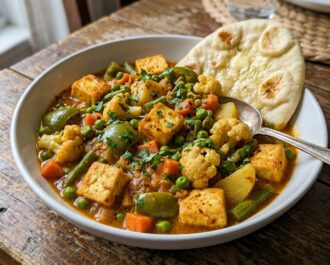
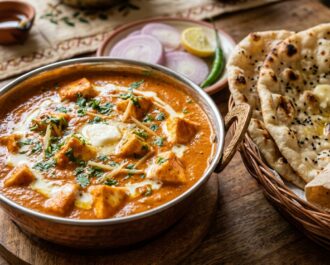
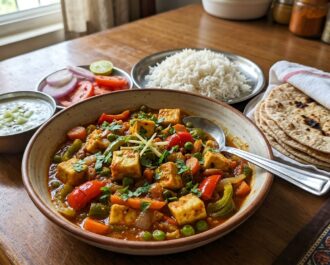
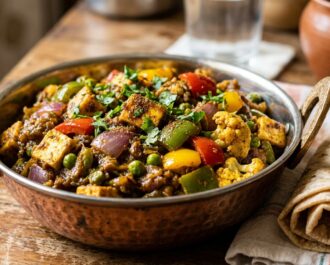

The mix vegetable with paneer is like the essence of comfort food in Indian cuisine, everyday ingredients become a hearty, healthy and delicious meal. Whether it‘s Delhi or Punjab or Mumbai or Kolkata or Rajasthan, it truly would be how the local palate prefers, and needs to be cooked gently, which takes time, but it‘s worth it in the end. Once you are comfortable with the preparation of the masala and the cooking of the vegetables, this is easily one of the most reliable and flexible vegetarian curries you could make

Anjali Raj Singh
I am a food writer and culinary content creator specializing in global cuisines, traditional recipes, food culture, and cooking techniques. Through extensive research and hands-on recipe analysis, I create accurate, informative, and engaging content that helps readers explore authentic dishes from around the world. My work covers recipe development, food history, ingredient guides, restaurant features, and culture-driven culinary stories.
At Foods Around the World, I focus on delivering well-researched, reader-friendly, and SEO-optimized content that reflects the traditions, flavors, and culinary heritage behind each dish. Every article is carefully reviewed for accuracy and relevance, ensuring readers can discover trusted recipes, cooking insights, and food experiences from diverse cultures worldwide.