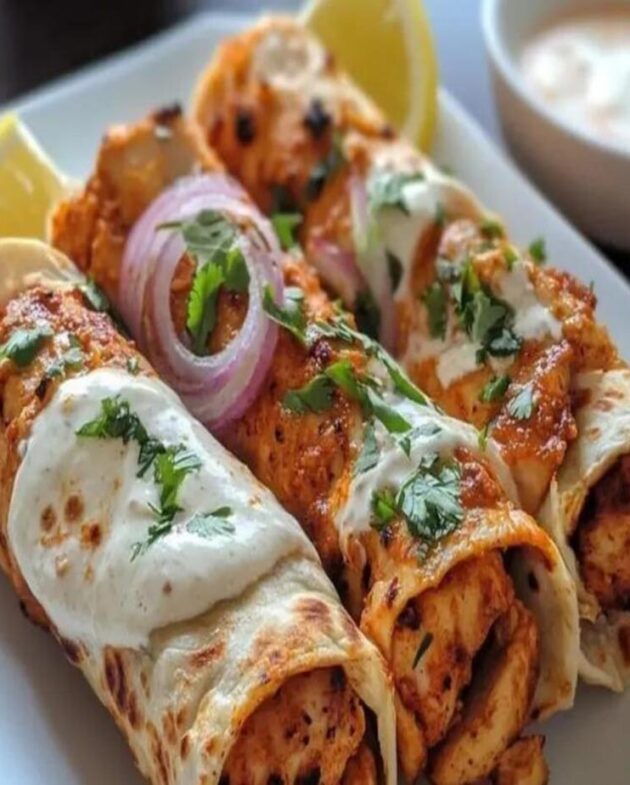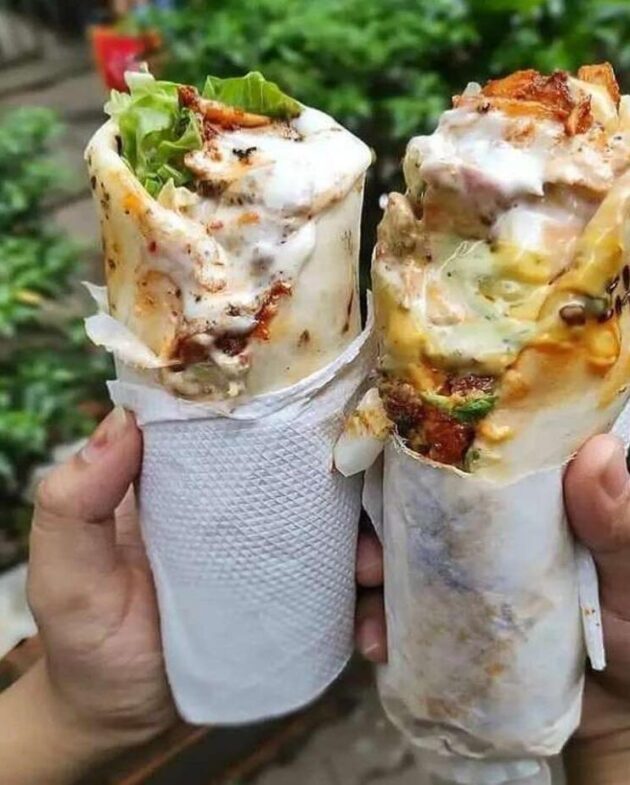

- What is Chilla?
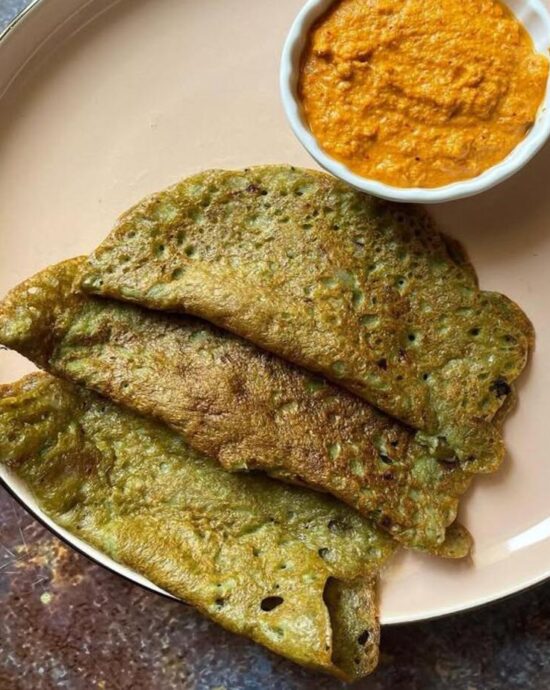
Chilla (sometimes also called Cheela) is a well-known Indian salted pancake made of different flours and grains. It can be made from gram flour (called besan), semolina (called suji), rice flour, moong dal or a mixture of other lentils. It is eaten as a breakfast, evening snack or a light meal in North India.
It is popular for its easy, convenient, nutritious, and rapidly prepared food. The Chilla is filling, and could be made with vegetables, spices, herbs, and various fillings of non-vegetarian or vegetarian types
- Regional Variations of Chilla

Delhi Besan Chilla
The most popular kind, found in homes and on street food stalls across Delhi. Made from gram flour, onions, coriander, and spices.
Taste Profile
Savoury, mildly spicy, aromatic.
Why It Is Popular
It‘s also convenient to prepare and high in protein, so it is a popular breakfast/snack option for many people. It is relatively cheap and easily adaptable for use with many different vegetables.
Nutritional Highlights
Rich in plant protein
Moderate fibre
Quick energy source
Rajasthan Moong Dal Chilla
A typical dish from Rajasthani, prepared using ground and soaked moong dal.
Taste Profile
Nutty, savoury. Wholesome
Why It Is Popular
Moong Dal Chilla is considered a good source of protein and is very filling. It is often considered to be a healthy breakfast or a light meal.
Nutritional Highlights
High protein
Good fibre content
Sustained energy release
Uttar Pradesh Suji Chilla
The other one was made by using semolina (suji) and some vegetables. This version would be a quick breakfast.
Taste Profile
Soft, not too spicy, a good comfort food
Why It Is Popular
So simple and quick to make, it is perfect for busy weekday mornings. Adding vegetables also provides extra taste and nutrients.
Nutritional Highlights
Moderate carbohydrates
Easy digestion
Light meal option
Gujarati Rice Chilla
A slightly lighter version made with rice flour and spices served with chutneys.
Taste Profile
Crispy, light, slightly tangy
Why It Is Popular
Its crisp texture and minimum ingredients make it a popular snack and breakfast.
Nutritional Highlights
Light texture
Good carbohydrate source
Easy to prepare
Nutritional Value (Per Serving)
Nutritional Value
Calories: 180–280 kcal
Protein: 8–15 g
Carbohydrates: 20–30 g
Fat: 4–8 g
Fibre: 3–6 g
Iron: 1–3 mg
- Basic Ingredients Used
Gram Flour (Besan)
1 cup
Nutritional Value (100g)
Calories: 387 kcal
Protein: 22 g
Fibre: 10 g
Nutritional Benefits
Rich plant protein
High fibre
Gluten-free ingredient
Moong Dal
Nutritional Benefits
Excellent protein source
Supports satiety
Easy digestion
Onions
Nutritional Benefits
Fibre source
Antioxidants
Adds flavour
Fresh Coriander
Nutritional Benefits
Vitamin C
Fresh aroma
Antioxidant properties
- Ingredient Tips
Use fresh batter: For batter, the better the texture and flavour. It will also help the Chilla cook evenly and keep the pancake from becoming dense or chewy.
Mix in Finely Chopped (preferably grated) vegetables: Grated or small, evenly chopped vegetables cook quickly and are mixed well into the pancake. They make the final Chilla more nutritious, stop the pancake falling apart and ensure the taste in every mouthful is even.
- How to Make Chilla
Prepare the Batter
Combine any mixture of gram flour, rice flour, semolina or ground lentils with water, salt and spices until a smooth consistency. Be sure to whisk the mixture well enough to avoid lumps that will make a final chilla that doesn‘t cook evenly and is soft instead of having the desired texture.
Nutritional Benefits
Protein source
Balanced nutrition
Easy digestion
Add Vegetables
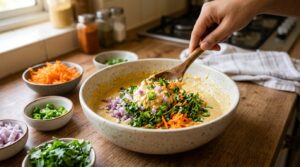
Add other vegetables such as onions, coriander, green chillies, grated carrots or others to improve the flavour, texture and nutritive value of the chilla and increase its attractiveness with a fresh and natural colour.
Nutritional Benefits
Additional fibre
Vitamins
Improved flavour
Heat the Pan
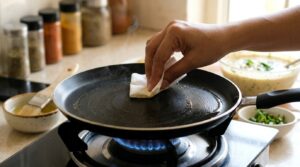
Lightly grease a non-stick pan and place it on a medium flame. Wait until the pan is evenly heated through before pouring in the mixture so the chilla is cooked evenly and to a light golden brown on both sides.
Nutritional Benefits
Requires less oil
Healthier preparation
Spread the Batter
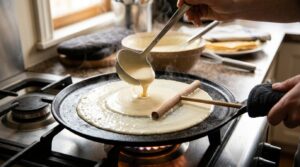
Pour the batter and spread it into a thin, even circle.
Nutritional Benefits
Even cooking
Better texture
Cook Until Golden
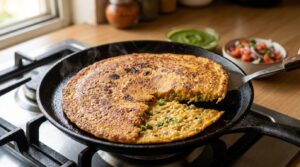
Cook well on both sides until lightly crisp and golden brown. The Chilla will have a fine golden crust on the outside, but will still be soft, moist and flavoursome on the inside.
Nutritional Benefits
Crisp texture
- Why You'll Love This Recipe
Chilla is healthy, convenient, and easy to make. They are very healthy and can be eaten at any time of day, and particularly make a heavier snack and a light bite to eat during the day with a suitable combination of protein, fibre and carbohydrate content.
Nutritional Advantages
Protein-rich
Good fibre content
Low oil requirement
Filling and satisfying
- Serving Suggestions
Green Chutney: A fresh, lively flavour goes well with the savoury Chilla. The coriander and mint, combined with the spices, give a cooling, revitalising flavour
Garlic Chutney: Adds a spicy zest, and its powerful flavour complements the mild flavour of Chilla very well. It is best suited for you if you feel like a spicy snack
Yoghurt: Yoghurt helps to counteract the chilli heat by providing a cool, creamy element to the dish. It provides extra protein and bulks up the meal
Masala Tea: Pair this with a hot cup of masala Chai along with fresh Chilla, a traditional spicy tea, and you are ready for a perfect breakfast or evening snack
- Expert Tips
Maintain Proper Batter Consistency: The batter should be smooth and pourable. A very thick batter can produce dense Chillas, while a thin batter may break during cooking. This helps achieve a soft interior and evenly cooked texture
Cook on Medium Heat: Medium heat ensures even cooking and prevents burning while allowing the Chilla to become crisp. It also helps the batter cook thoroughly without becoming dry.
Do Not Overcrowd with Vegetables: Too many vegetables can make flipping difficult and affect texture. Using a balanced amount ensures the Chilla remains intact and cooks evenly.
Serve Fresh: Chilla tastes best immediately after cooking when it is hot and crisp. Freshly served Chilla offers the best flavour, texture, and overall eating experience.
- Frequently Asked Questions (FAQs)
Q.Is Chilla good for you?
Yes. Chilla, on the other hand, is high in protein and fibre as long as it is made with the besan or lentils filled with a lot of veg.
Q.Is Besan Chilla gluten-free?
Yes. Gram flour (“Besan”) is completely gluten-free on its own.
Q. Are Chilla prepared without vegetables?
Yes. Can also be made with nothing but the batter and some spices; vegetables will simply make it tastier and healthier.
Q.Which Chilla is the richest source of Protein?
Moong dal chillas would generally be the highest in protein because of the lentil base.
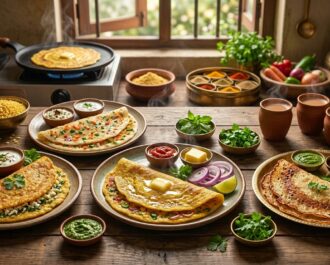
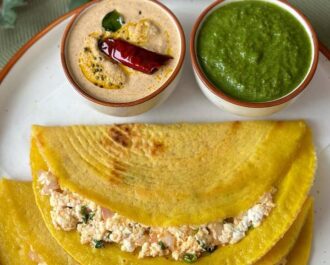
Chilla is among India‘s most healthy and nutritious traditional foods. Be it Rajasthan‘s protein-filled Moong Dal Chilla, Delhi‘s well-loved Besan Chilla, Uttar Pradesh‘s hearty Suji Chilla or Gujarat‘s crispy Rice Chilla, each brings the perfect fusion of taste, health and ease. Simplicity and adaptability of the dish are the main reasons for the popularity of Chilla among Indian homes and eateries

Anjali Raj Singh
I am a food writer and culinary content creator specializing in global cuisines, traditional recipes, food culture, and cooking techniques. Through extensive research and hands-on recipe analysis, I create accurate, informative, and engaging content that helps readers explore authentic dishes from around the world. My work covers recipe development, food history, ingredient guides, restaurant features, and culture-driven culinary stories.
At Foods Around the World, I focus on delivering well-researched, reader-friendly, and SEO-optimized content that reflects the traditions, flavors, and culinary heritage behind each dish. Every article is carefully reviewed for accuracy and relevance, ensuring readers can discover trusted recipes, cooking insights, and food experiences from diverse cultures worldwide.