
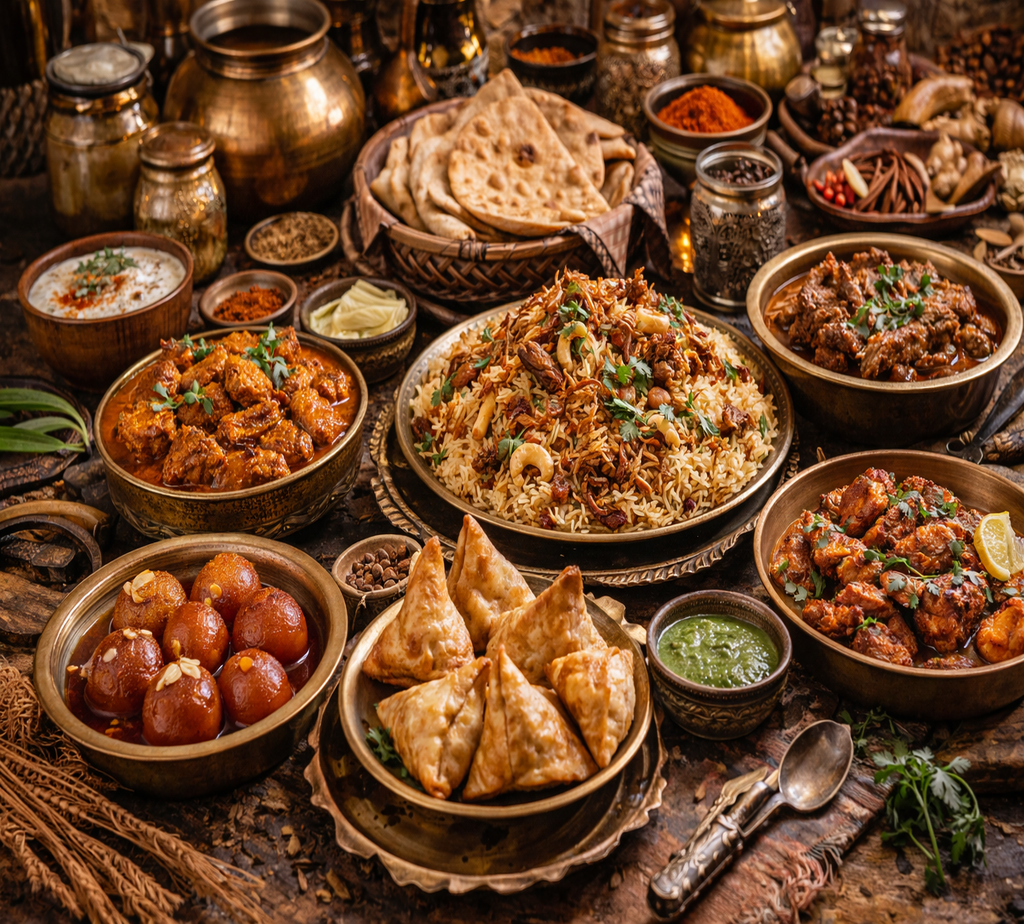
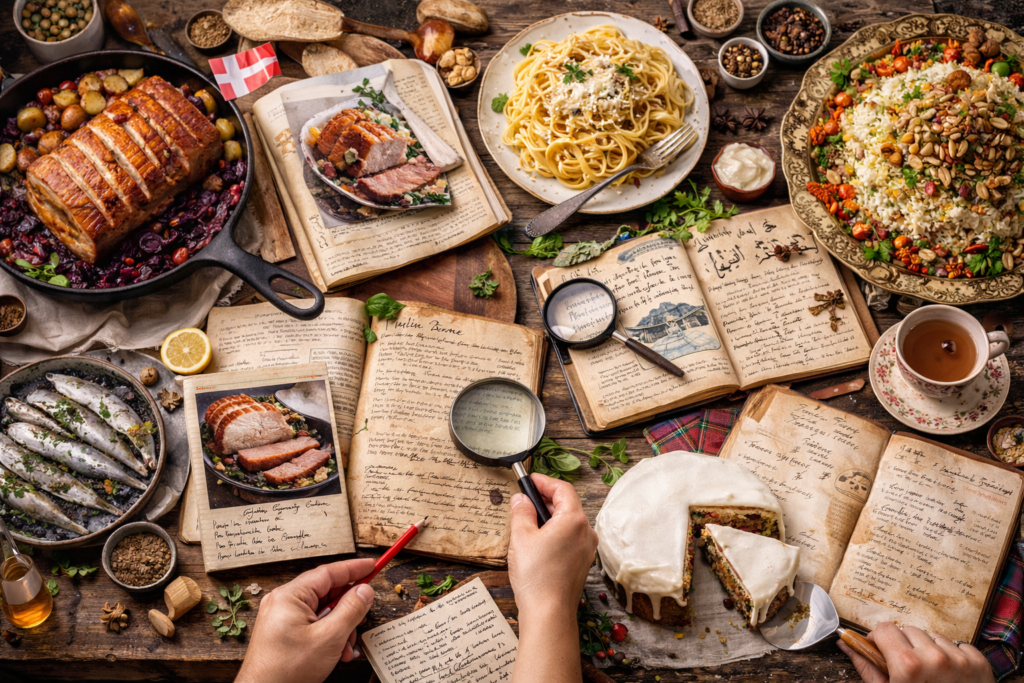
The process of creating traditional recipes requires more than just documenting recipe components and cooking methods. The practice of memory preservation exists as a demonstration of history preservation through understanding the reasons for a dish’s existence beyond its cooking methods. The practice of memory preservation exists as a demonstration of history preservation through understanding the reasons for a dish’s existence beyond its cooking methods
Our exploration of Danish pork dishes, Italian pasta traditions, and Middle Eastern celebratory rice and festive fruit cakes gives us more than just recipe collections. The documentation process establishes our identity
Food contains narratives which describe how people moved between places and how they experienced different climate conditions, religious practices, festive celebrations and essential life struggles. The process of curation requires researchers to conduct studies while they simultaneously listen to different viewpoints and evaluate cultural differences with sensitivity. The upcoming section will present an in-depth breakdown of the entire operational procedure.
Oral Tradition & Family Heritage
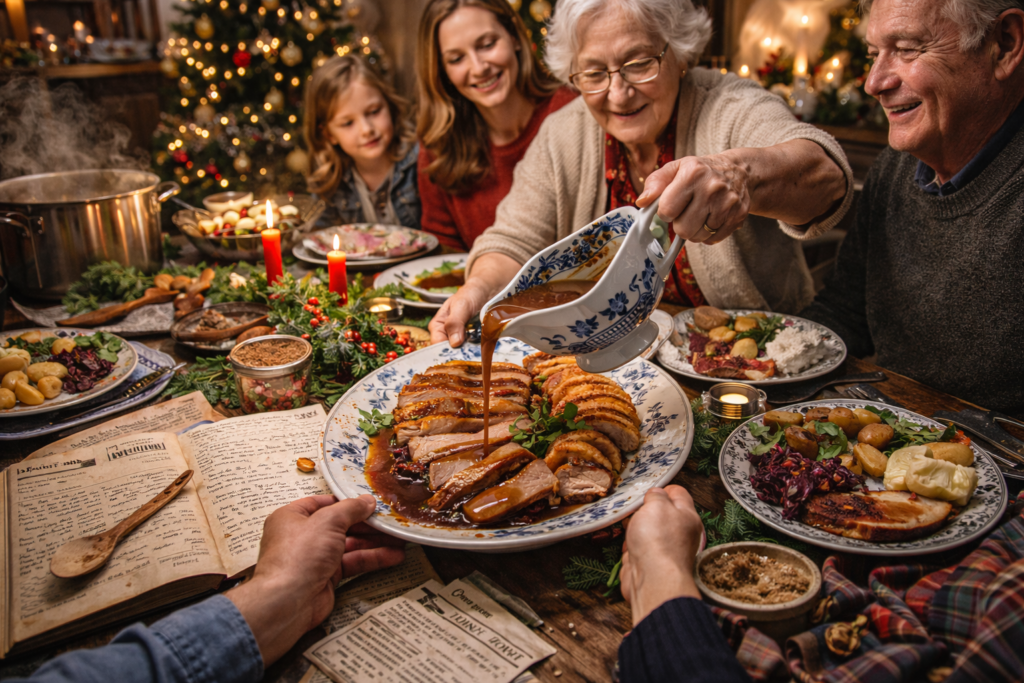
Recipes existed in kitchens before cookbooks because people shared recipes through spoken word, practical demonstrations and memory. Grandmothers did not measure ingredients. They used phrases like “a handful,” “until golden,” or “cook until it smells right.” The oral traditions hold important value because they show authentic human experience instead of fixed, established processes.
We select traditional recipes through our family storytelling process. The discussions show:
- Why were certain spices added
- Which ingredient substitutions happened during shortages
- How have cooking techniques adapted over time
- Special rituals connected to serving
The process of documenting these stories helps to maintain authentic historical records. The film shows the food together with its emotional connections. Every Danish household makes Christmas gravy differently, but the shared December cooking tradition holds greater value than precise recipe details
Each generation usually introduces minor changes to existing traditions. We follow the changes which people made instead of saying they should be ignored. The minor changes which occur in traditions show us how traditions develop through time while maintaining their core elements. Many societies pass down their cooking methods from one generation to the next. The practice of recording oral traditions protects culinary knowledge so that it remains available for future generations.
Regional Ingredients
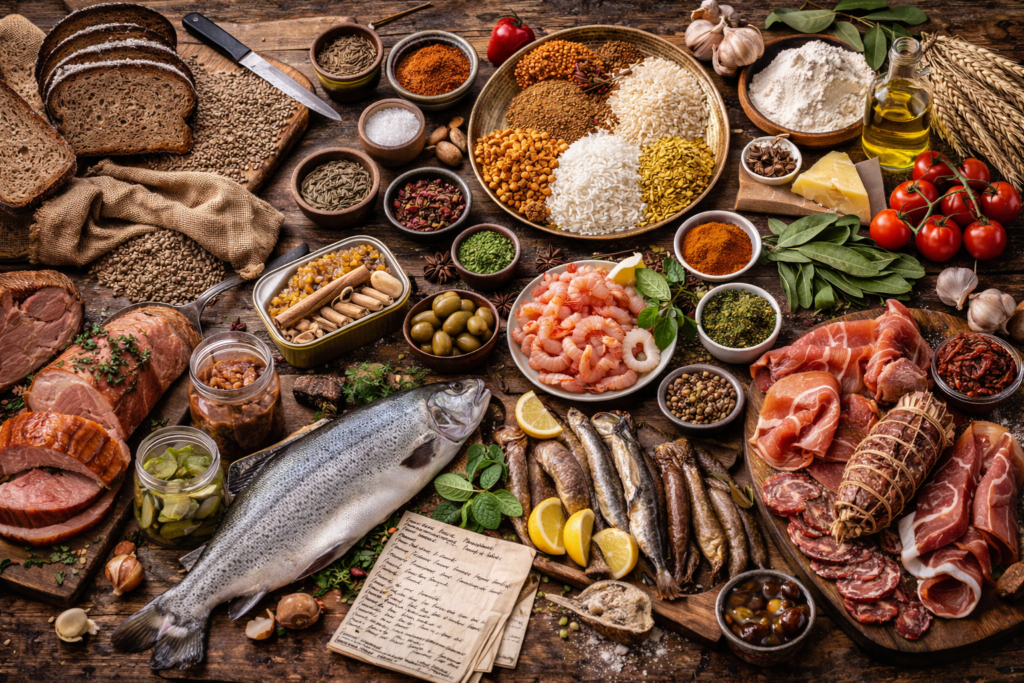
Every traditional dish begins with geography. Climate, agriculture, and trade routes shape flavor
When curating recipes, we study:
- Local grains (rye in Denmark, rice in the Middle East, wheat in Italy)
- Regional herbs and spices
- Availability of livestock or seafood
- Preservation methods (fermentation, drying, curing)
The dense structure of Danish rye bread results from its use of cold-climate grains. Middle Eastern saffron rice reflects the historical development of spice trade routes. Italian olive oil-based sauces reflect agricultural practices in the Mediterranean region. Authentic curation requires understanding these connections. When people replace ingredients without knowledge about their origins, they create a dish which lacks its original identity. The respectful adaptation process requires knowledge about an ingredient’s importance to the original recipe.
We ask questions like:
- Is this spice symbolic or functional?
- Does this grain represent economic history?
- How did trade influence this recipe?
The land tells a story. And we listen.
Festive & Ritual Context
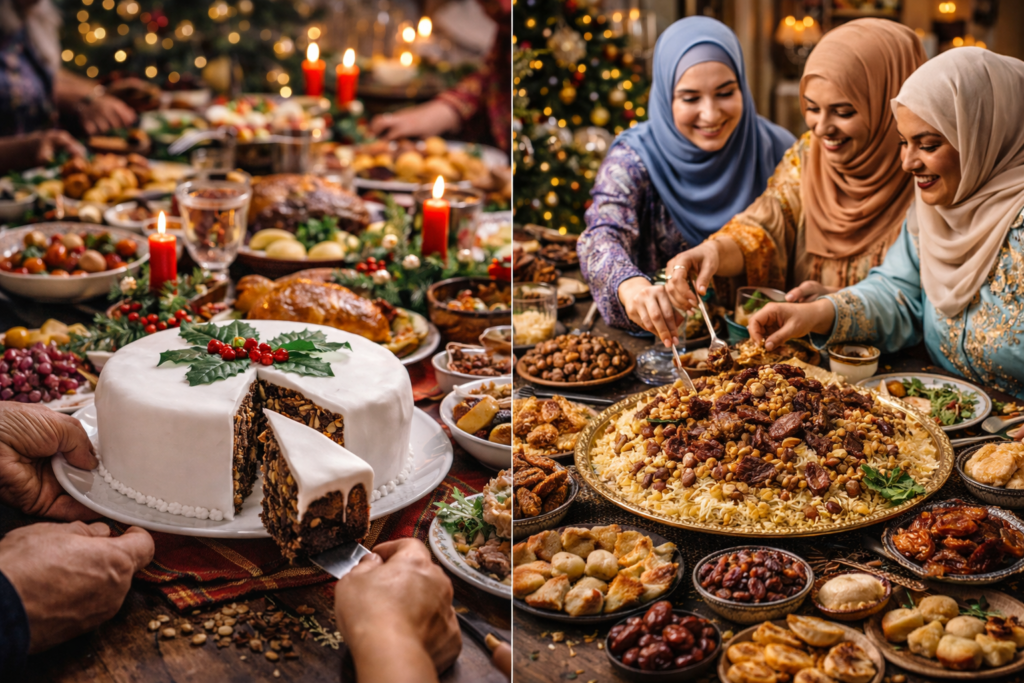
Traditional recipes are not every day fare but symbols of celebration
Gorgeously crafted Christmas cakes become symbols of light and good, patience, and abundance
Eid is another marker of bounty —meals and what we serve to those who visit us indicate comfort and largesse
We talk about rice along with profuse sweets for the ladies in Hunar. Stocking the pantry can signify the storage of a perfect combination of power, wisdom, and sweetness. Allowing space for the cultivation of satiation?
We explore:
- When the dish is served
- Who prepares it
- How it is presented
- Whether it is eaten communally
Jordanian people consume Mansaf by using their right hand to eat from a communal serving dish. The yoghurt sauce has the same cultural value as the ceremonial practice which accompanies its use. A recipe needs to have its ritual context included because that element makes the recipe complete. Food customs connect to religious events, agricultural harvest periods, and important family occasions. Authenticity remains intact when people honour that traditional framework.
Historical Records

Tracing recipes through time
While oral tradition is powerful, written records provide additional clarity
We consult:
- Old cookbooks
- Handwritten family manuscripts
- Temple kitchen archives
- Royal banquet records
- Agricultural documents
Historical texts show the progression of recipes from their original state to modern times. The research demonstrates how colonisation, trade expansion, and industrialisation brought about changes in ingredient availability.
For instance
- Tomatoes entered Italian cuisine after the 16th century.
- Spices reshaped European baking traditions.
- Sugar availability transformed festive desserts.
The process of comparing historical records with present-day practices enables researchers to identify genuine cultural traditions that have been subjected to contemporary reinterpretation. Authentic curation requires a perfect balance between preserving personal experiences and maintaining historical records.
Community Collaboration
No recipe exists in isolation
Food historians, chefs, cultural scholars, and home cooks all bring valuable perspectives.
We collaborate to:
- Cross-check ingredient lists
- Validate preparation methods
- Confirm regional accuracy
- Avoid cultural misrepresentation
The public provides feedback which helps create recipes that show authentic cooking methods instead of current food trends. The process of documenting Middle Eastern rice dishes depends on family input from Jordan, Saudi Arabia, and Lebanon to achieve accurate and detailed representation. The process of authentic curation requires multiple people to work together.
Adaptation for Modern Kitchens
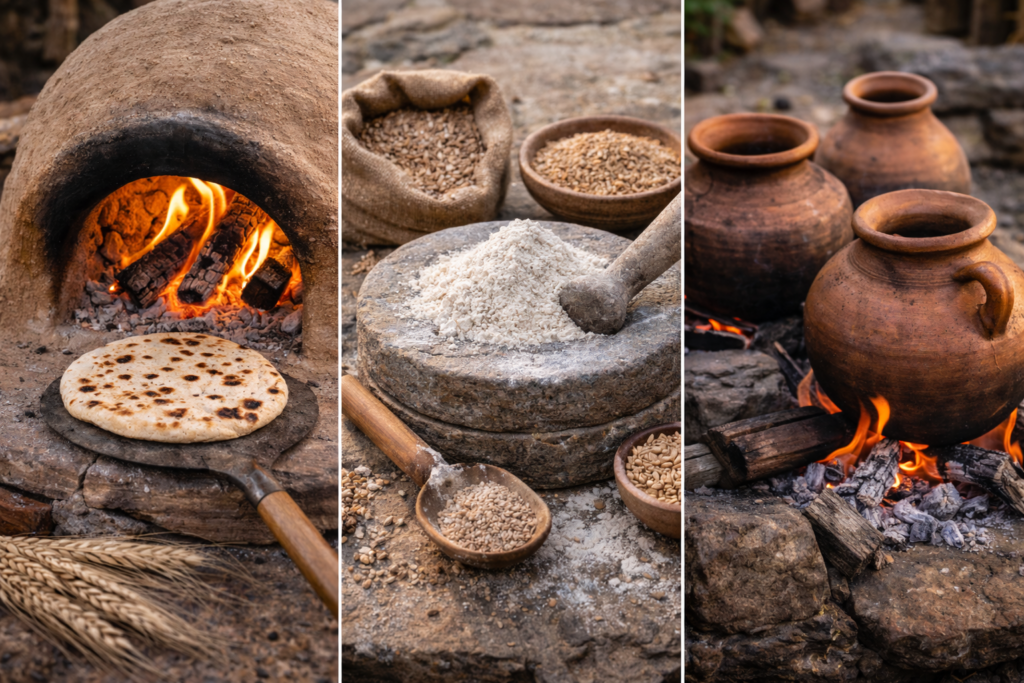
Honoring tradition while embracing practicality
While authenticity is vital, accessibility matters too.
Modern kitchens may not have:
- Wood-fired ovens
- Stone grinding tools
- Traditional clay pots
So we thoughtfully adapt while preserving essence.
This may include:
- Using a stand mixer instead of hand-kneading
- Substituting locally available grains
- Simplifying long fermentation processes
The goal is not to erase tradition, but to make it achievable for today’s home cook. Respectful adaptation ensures that traditions continue to exist instead of vanishing from existence.
Finding Common Threads Across Cultures
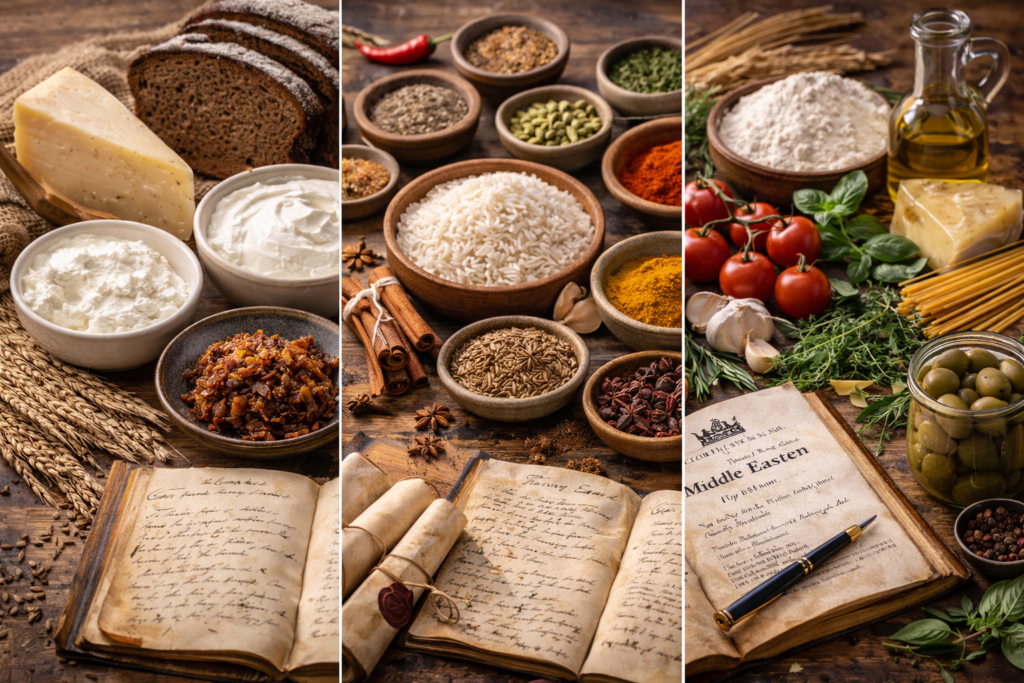
Shared humanity on a plate
As you’ve explored Danish, Italian, Middle Eastern, and festive recipes, patterns begin to emerge.
Use of Grains
Rye, rice, wheat — every culture builds its foundation around staple grains. These grains reflect climate, economy, and history.
Flavor Bases
Spices in Middle Eastern dishes. Herbs in Italian cooking. Fermented dairy in Nordic cuisine. Each culture builds flavour from foundational elements tied to its land.
Celebratory Symbolism
The themes of abundance, hospitality and family unity spread throughout the world. A Christmas cake in Europe and a rice feast in Jordan may look different, but both symbolise generosity.
The practice of comparative curation demonstrates the cultural differences which exist between societies and their common bonds.
Respecting Cultural Ownership
Why ethical curation matters
When documenting recipes from different cultures, respect is essential.
We avoid:
- Oversimplifying complex traditions
- Removing dishes from their context
- Rebranding cultural food without acknowledgement
Instead, we:
- Credit origins
- Preserve original names
- Explain cultural significance
Food is heritage. Treating it responsibly matters.
Preserving Technique, Not Just Taste
Traditional dishes depend on culinary techniques instead of their actual ingredients. The technique of steaming rice together with cheese emulsification into pasta and spice toasting at specific times creates authentic cooking methods.
We document:
- Cooking order
- Heat control
- Textural cues
- Sensory signals (“until fragrant,” “until glossy”)
Technique ensures replication with integrity.
Conclusion: Curating With Care and Curiosity
The process of curating traditional recipes requires skills that extend beyond cooking. The process requires active listening, together with deep research work, respectful collaboration and careful thinking to develop suitable changes.
Each dish carries:
- Memory
- Geography
- Celebration
- Survival
- Identity
The preservation of these layers enables us to share more than just culinary instructions because it protects cultural stories. Your exploration of Danish comfort dishes and Italian simplicity, Middle Eastern abundance, and festive baking traditions will reveal to you that every recipe exists to tell its own unique tale. We need to present the story exactly as it happened.

Anjali Raj Singh
I am a food writer and culinary content creator specializing in global cuisines, traditional recipes, food culture, and cooking techniques. Through extensive research and hands-on recipe analysis, I create accurate, informative, and engaging content that helps readers explore authentic dishes from around the world. My work covers recipe development, food history, ingredient guides, restaurant features, and culture-driven culinary stories.
At Foods Around the World, I focus on delivering well-researched, reader-friendly, and SEO-optimized content that reflects the traditions, flavors, and culinary heritage behind each dish. Every article is carefully reviewed for accuracy and relevance, ensuring readers can discover trusted recipes, cooking insights, and food experiences from diverse cultures worldwide.