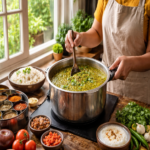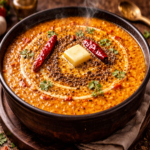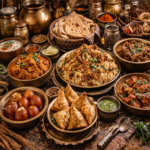


The bowl of green moong dal provides a comforting experience to those who consume it. Its straightforward nature provides essential sustenance through its unpretentious design. This dal serves as the preferred meal choice for Indian households which seek lightweight but fulfilling food options
The dish provides gentle flavoring which prevents excessive spice use while creating an inviting taste experience through its complete dish. Whole green moong (sabut moong) is known for being easy on the stomach. The dish provides a complete nutritional experience through its combination of rice for lunch and soft phulkas for dinner, yet maintains a light dining experience. The best part of the process is that people can easily create the dish by learning its fundamental cooking methods
Why Green Moong Dal is So Loved
Green moong dal has been part of Indian kitchens for generations. The food is appreciated for its flavour and its effects on the body after consumption.
- Naturally rich in plant protein
- High in fibre and easy to digest
- Suitable for light meals or recovery days
- Common in everyday Indian home cooking
- Gentle enough for both children and elders
It’s the kind of dish that feels like home food — comforting, balanced, and dependable.
Ingredients

- 1 cup whole green moong dal (soaked overnight)
- 3 cups water (for pressure cooking)
- ½ teaspoon turmeric (haldi)
- Salt to taste
For the tempering (tadka)
- Fresh coriander leaves for garnish
- 1–2 tablespoons oil or ghee
- 1 teaspoon cumin seeds
- 1 inch of ginger, finely chopped
- 1 small onion, finely chopped
- 1 green chilli (optional, slit)
- 1 small tomato (optional, finely chopped)
Steps to Follow for Preparing Dal

Step 1: Soaking the Dal
The green moong dal should be rinsed under running water until the water becomes clear. The dal needs to be soaked in water for a full night or a minimum duration of 6 to 8 hours.
Soaking helps in:
- Reducing cooking time
- Improving digestion
- Making the dal softer and creamier after cooking
- If you’re short on time, soaking for 3–4 hours in warm water can also work, though overnight soaking is ideal.

Step 2: Pressure Cooking the Dal
Drain the soaked dal and transfer it to a pressure cooker. Add:
- 3 cups water
- Turmeric
- Salt
You should close the lid and cook the food on medium heat until 3 to 4 whistles sound. The pressure should be permitted to release on its own. The dal should become soft during cooking, but must remain intact when you open the cooker
The grains should maintain their structure so that they can be easily crushed between your fingers. You should continue to simmer the dish without a lid for additional time if necessary

Step 3: Make the Tadka (Tempering)
This is where the flavour builds.
- Heat oil or ghee in a pan. Once hot:
- Add cumin seeds and let them splutter.
- Add chopped ginger and sauté briefly.
- Add onions and cook until they turn light golden.
- Add green chilli if using.
- Add tomatoes (optional) and cook until soft.
- The aroma at this stage is what gives the dal its character—warm, earthy and inviting.
Now pour this tempering directly into the cooked dal. Stir gently.

Step 4: Final Simmering and Adjustments
The cooking procedure requires you to turn off the heat and wait for two minutes before you begin serving the food
You should heat the dal again on low temperature while it cooks for 5 to 7 minutes
The dish requires hot water to reach the proper thickness because its current state is excessively dense
Green moong dal has a standard consistency which exists between its two extreme states of being excessively watery and excessively thick
The dish requires salt tasting to determine whether more salt needs to be added
The daal ends with the addition of freshly chopped coriander leaves
Important Tips for Green Moong Dal
- You must cook the dal until it becomes softer than its original state, but not beyond complete softness
- The dal requires hot water to be added until it reaches the desired thickness
- You should add a small amount of ghee at the end to elevate the dish’s flavour
- You should keep leftover food for two days by storing it in an airtight container, which you should place in the refrigerator
- The stovetop requires you to heat the food slowly, and you should add water only when necessary
Serving Suggestions

Green moong dal pairs beautifully with:
- Steamed plain rice
- Jeera rice
- Soft phulka or roti
- A side of pickle and papad
It also works well as part of a simple thali with sabzi and curd.
Variations You Can Try
- Tomato-based version: The recipe requires additional tomatoes, which will create a subtle, tangy flavour
- Garlic Tadka: The dish requires chopped garlic to be added with cumi,n which will produce a richer taste
- South Indian Style: The tempering process requires both curry leaves and a small amount of hing to be added
- No-Onion Version: The dish becomes more lightweight when you remove onions because it creates a sattvic cooking style
Moong Dal Khichdi: The recipe needs you to combine rice with cooking to create a comforting one-pot dish.
Nutritional Advantages
Green moong dal is valued for its balanced nutrition.
- Good source of plant-based protein
- High in fibre
- Light and easy to digest
- Supports overall gut health
It provides nourishment without heaviness, which is why it’s often added in regular meal rotations.
Conclusion
The green moong dal has a hidden beauty that others miss because of its lack of obvious visual appeal. The dal offers complete nourishment, sustaining physical health while balancing mental well-being. Some people need nothing more than basic foods mixed with mild seasonings, which create comfort in a hot soup.