
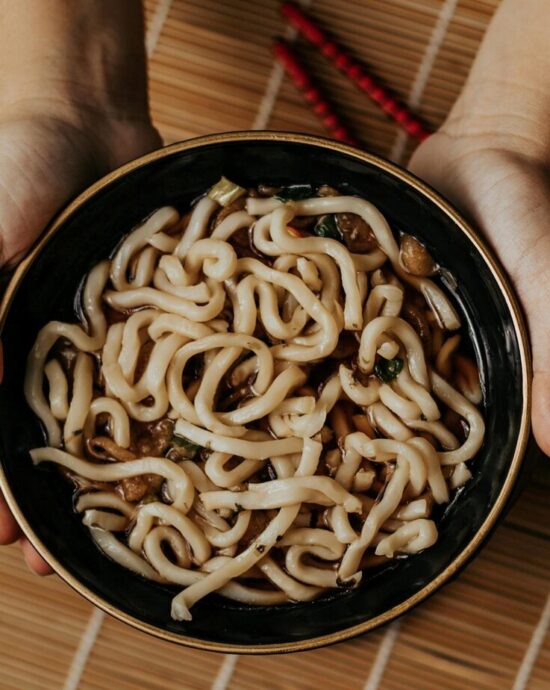

Noodles are popular among everyone, especially the younger generation, for their comforting flavour. However, our well-wishers often suggest we avoid noodles since they are made of refined flour and are unhealthy. However, today, in this article, noodle lovers will discover something intriguing that will cheer them.
After reading this article, you can regularly enjoy noodles without worrying about their effect on your well-being. Though less known, udon may be healthier than regular noodles. Yes, you heard it right. Listen carefully! To enjoy udon without compromising your diet, you may use whole wheat flour instead of all-purpose flour. Alongside sharing the udon recipe, this article will discuss how udon originated. So, let’s begin!
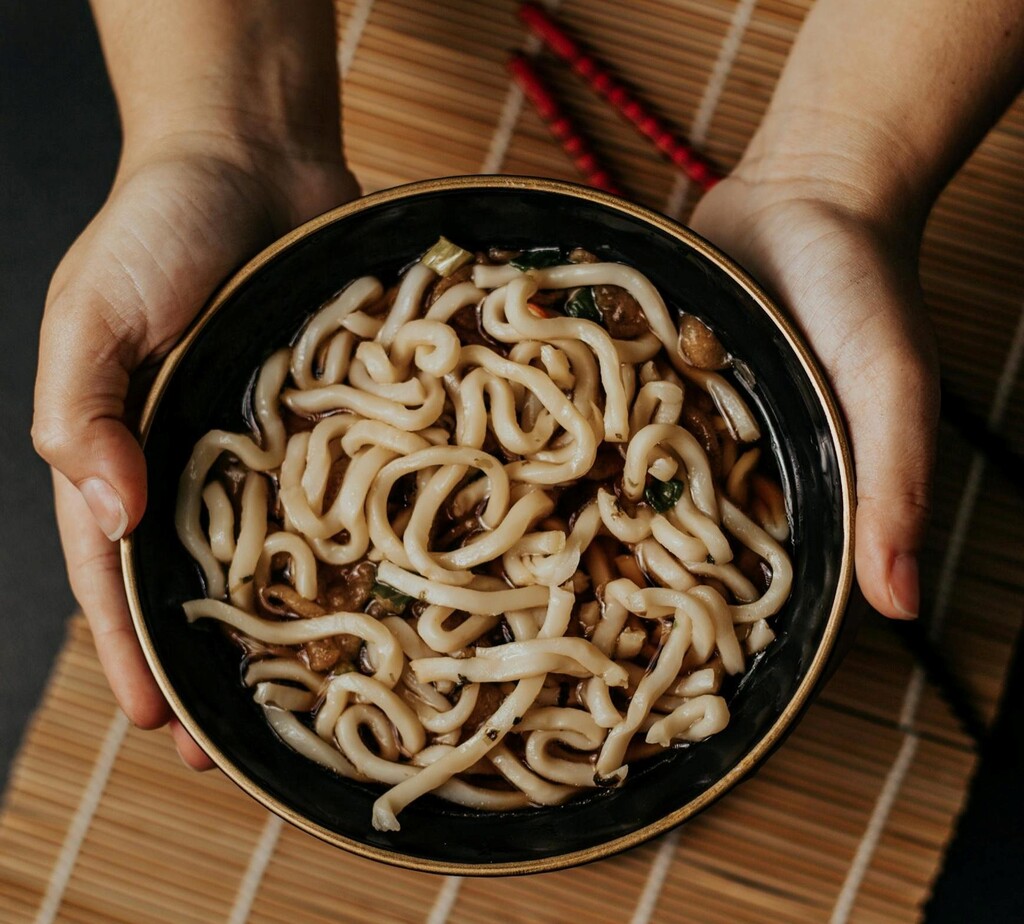
Origin of Udon
Udon, a popular Japanese delight, originated when a monk proposed wheat noodles to Japan. The aristocrats liked this concept and included wheat noodles, i.e., udon, in their meals. Eventually, the monastics offered it as a sacred offering in the monastery.
Sooner, the Japanese included udon in their staple, contributing to the acceptance of udon as a Japanese meal. The locals wholeheartedly accepted this dish and demonstrated their creativity while trying to make it unique. Since its popularity, the Japanese served it at auspicious events, like New Year parties and weddings. This dish is available at a fair price in Japanese eateries. However, several food enthusiasts aspire to recreate this dish from scratch.
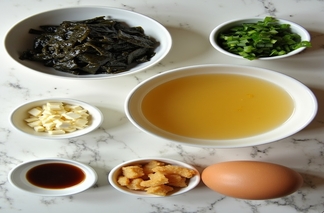
Ingredients
Yields up to 2 servings
For making noodles
- 2 cups plain flour
(To make it healthy, use whole wheat flour instead of plain flour.)
- ½ teaspoon Kosher salt
- 3/4th cup water
- Cornstarch/ potato starch for dusting and rolling
For the broth
- ½ teaspoon sugar
- 2 tablespoons soy sauce
- 1 tablespoon mirin
- 4 cups vegetable broth/ dashi stock
Toppings (Optional)
- Chopped scallion
- Kamaboko slices
- Poached or boiled egg
- Tempura bits
- Wakame or nori seaweed
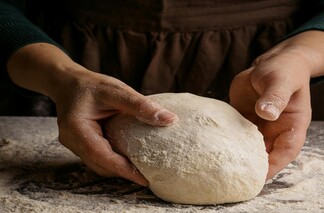
Directions to Make Udon
After gathering the ingredients, it’s time for preparation. For this:
- Make a dough by mixing plain flour and saltwater. Keep mixing until the dry flour disappears, cover it and put it to rest for around half an hour.
- Now, place the dough in a food-grade plastic bag. Lay a kitchen towel on the surface. Keep the dough in the middle. Now step on to it. No, don’t hesitate! It is the precursor for kneading the dough nicely. Using your heels, spread the dough from the centre to the edges so that it takes a circular shape.
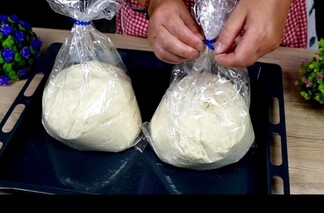
However, if you are still uncomfortable with continuing the process from your heels, you may do it from your hands. However, note that it is time-consuming. Repeat the process till the dough becomes flat.
- Place the dough in a food-grade plastic bag again and repeat the process until your dough softens.
- Once the dough becomes soft, rest it for at least three to four hours.
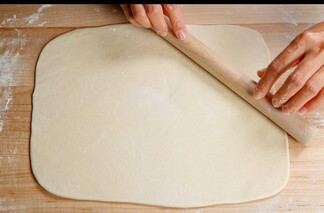
- Once the dough is ready, roll it with a rolling board and pin. Before shaping the dough, dust the rolling board with cornstarch/ potato starch and give it a rectangular shape. The dough’s thickness should be around 3 mm and 12 inches long.
- Fold the dough at least twice and cut it to make noodles. Your noodles’ thickness should not be less than at least 3 mm. Use the sharpest knife in your kitchen to cut the dough and make noodles.
- Whenever necessary, spread some cornstarch or potato starch to avoid stickiness. You may use it immediately, or if you want, you may refrigerate it. No, don’t worry! You can refrigerate the uncooked noodles in an airtight container for up to 1 month. But yes, it tastes better when served fresh.
- Now, boil the noodles for around 10 minutes without adding salt. Once cooked, remove extra water and wash it nicely to remove extra starch.
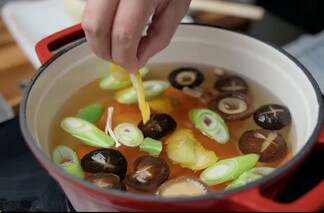
- To make broth, combine the broth ingredients and boil it.
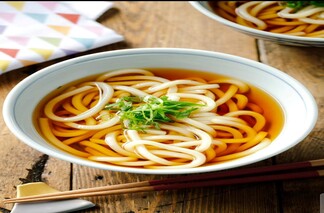
Serving Options
• Udon tastes best when added to stir-fries.
• You can serve udon alongside the tempting tempura dipping sauce or relish it chilled with tsuyu.
• Udon tastes the best when served in a luscious noodle soup.
Chikara udon, kitsune udon, tempura udon, etc., are regarded as the most popular udon noodle soup items.