
- What is Dhuska i?

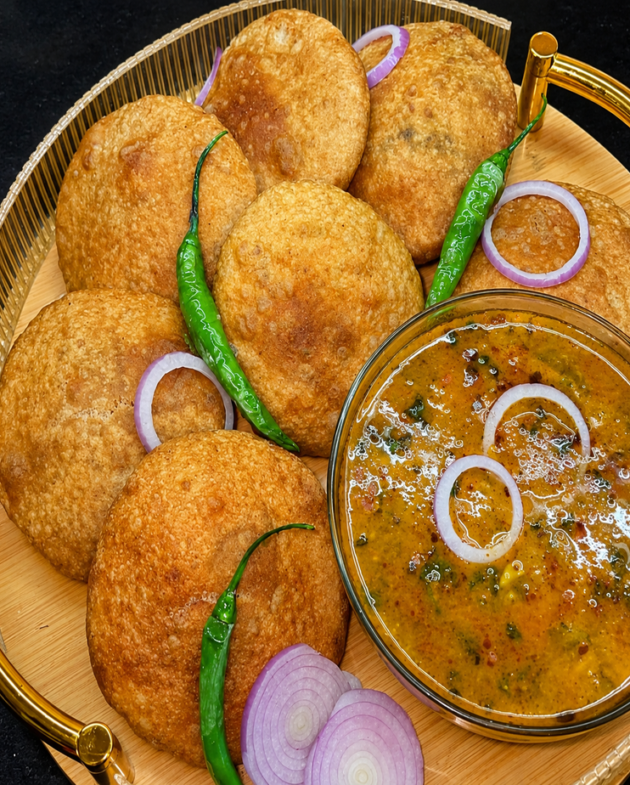
Dhuska is among the most celebrated traditional cuisines of Jharkhand and is also common in some regions of Bihar and Eastern U. P. It is a deep-fried, delicious bread prepared by making a dough of fermented rice and lentil batter, which is then deep-fried.
Mostly served with hot Spicy Ghugni or Potato-curry or sour Chutneys, Dhuska is one of the favourite items of breakfast, a festival special and one of the popular street-food snacks. The ingredients used are so simple, and the mighty filling and goodness have made it a signature dish of Jharkhand.
- Regional Variations of Dhuska
Traditional Jharkhand Dhuska
The genuine version is prepared with soaked rice and chana dal. Lightly seasoned with ginger, garlic and green chillies and then deep fried.
Taste Profile
Crunchy, tender, slightly spicy
Why It Is Popular
The light and flaky texture of its shell, combined with the interior just right to satisfy as breakfast, makes it ideal and complements Ghugni. It is still one of the most popular traditional dishes all over Jharkhand.
Nutritional Highlights
Rich plant protein
Good carbohydrate source
Filling breakfast
Ranchi Street-Style Dhuska
A popular roadside version with snacking traders with spicy Ghugni and sliced onion salad.
Taste Profile
Spicy, crispy, aromatic
Why It Is Popular
The eating of the hot Dhuska topped with the spicy Ghugni is one of the most well-known ‘delicacies’ of the street foods of Jharkhand.
Nutritional Highlights
Balanced meal
Rich fibre
Good protein
Bihari Dhuska
Prepared with an addition of garlic, cumin, coriander and green chilli.
Taste Profile
Earthy and savoury with a little bit of spice.
Why It Is Popular
This spicier mixture makes this version more popular during festivals and family get-togethers.
Nutritional Highlights
Traditional spices
Sustained energy
Rich flavour
Vegetable Dhuska
Made by adding grated carrots, spinach, coriander, onion and green peas to the batter.
Taste Profile
Fresh, delicious, mildly spicy
Why It Is Popular
Fresh vegetables will add nutrition and keep the Dhuska soft & tasty.
Nutritional Highlights
Rich vitamins
Additional fibre
Balanced nutrition
Nutritional Value (Per Serving)
Nutritional Value
Calories: 280–360 kcal
Protein: 8–11 g
Carbohydrates: 38–45 g
Fat: 10–15 g
Fibre: 4–6 g
Iron: 2–3 mg
- Basic Ingredients Used
Rice
Quantity: 2 cups
Nutritional Value (100 g)
Calories: 365 kcal
Carbohydrates: 80 g
Protein: 7 g
Nutritional Benefits
Excellent energy source
Easy digestion
Soft texture
Chana Dal
Quantity: ½ cup
Nutritional Value (100 g)
Calories: 364 kcal
Protein: 20 g
Fibre: 17 g
Nutritional Benefits
Rich plant protein
High fibre
Keeps you full longer
Urad Dal
Quantity: ¼ cup
Nutritional Benefits
Improves texture
Good protein
Better fermentation
Ginger
Quantity: 1 tablespoon (grated)
Nutritional Benefits
Aids digestion
Anti-inflammatory
Rich aroma
Garlic
Quantity: 5 cloves
Nutritional Benefits
Supports immunity
Natural antioxidants
Traditional flavour
Green Chillies
Quantity: 2–3 finely chopped
Nutritional Benefits
Vitamin C
Fresh heat
Rich antioxidants
Cumin Seeds
Quantity: 1 teaspoon
Nutritional Benefits
Supports digestion
Earthy aroma
Coriander Leaves
Quantity: ¼ cup chopped
Nutritional Benefits
Vitamin C
Fresh flavour
Antioxidants
Turmeric Powder
Quantity: ½ teaspoon
Nutritional Benefits
Natural colour
Anti-inflammatory
Antioxidants
Salt
Quantity: 1 teaspoon
Nutritional Benefits
Enhances flavour
Water
Quantity: As required
Nutritional Benefits
Batter consistency
Soft texture
Oil
Quantity: For deep frying
Nutritional Benefits
Crispy finish
Even cooking
- Ingredient Tips
Cook the rice and lentils in a bowl of water for at least 6 hours; this will give the batter a smooth consistency and Dhuska a soft texture.
The batter should be a fairly thick pouring consistency so it makes light bread with a crispy crust.
- How to Make Dhuska
Soak the Rice and Lentils
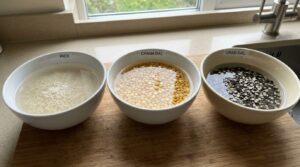
Wash and soak rice, chana dal, and urad dal for about 6 hours or overnight.
Nutritional Benefits
Better digestion
Softer texture
Improved cooking
Prepare the Batter
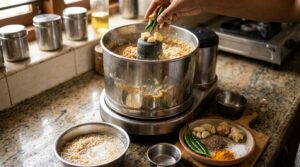
Grind the soaked ingredients along with the ginger, garlic, green chillis, cumin, turmeric, salt, and a little water to make a fine paste.
Nutritional Benefits
Rich protein
Balanced nutrition
Traditional flavour
Rest the Batter
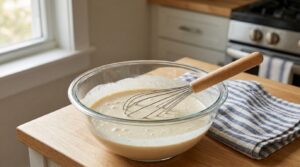
Allow the batter to rest for 20–30 minutes before frying.
Nutritional Benefits
Better texture
Improved flavor
Fry the Dhuska
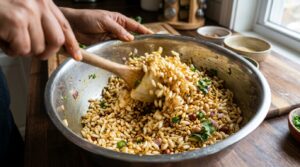
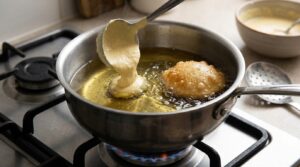
In a saucepan, heat oil over medium flame, ladle in a portion of batter, then fry till both sides are browned and crisp.
Nutritional Benefits
Crisp exterior
Soft interior
Satisfying texture
Drain and Serve

Remove onto absorbent paper and serve immediately while hot.
Nutritional Benefits
Less excess oil
Fresh flavour
- Why You'll Love This Recipe
Dhuska is crispy, flaky, healthy and more than a crowd-pleaser. The basic ingredients & cooking style of Dhuska is so good that it can be had for breakfast, a special, a day‘s meal or anything else in between.
Nutritional Advantages
Good plant protein
Rich complex carbohydrates
High fibre
Long-lasting energy
Filling meal
- Serving Suggestions
Spicy Ghugni: A traditional Jharkhand mix that can add the finishing touch to Dhuska. The thick gravy is spicy, which soaks into the Dhuska and when eaten hot, gives a really fulfilling bite
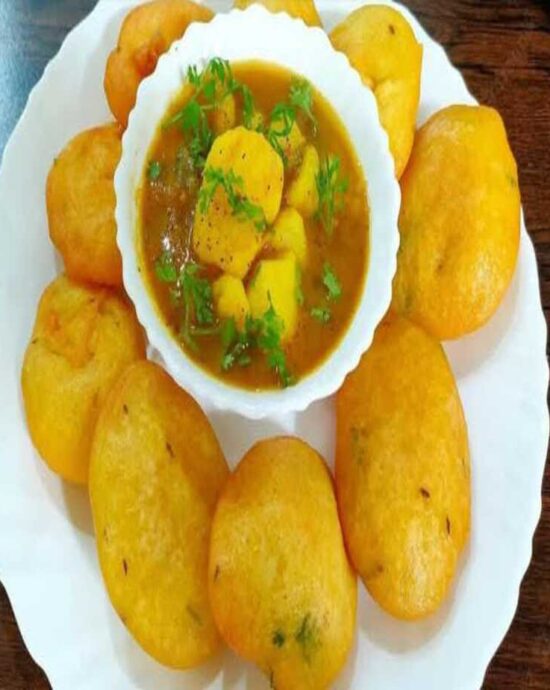
Aloo Dum: If you like potatoes, then this is the dish for you. The spicy potato curry is delicious with the crispy bread. The fragrant spices and cooked potatoes are so worth a good breakfast or light lunch
Tomato-Garlic Chutney: Gives a tangy heat and contributes an earthy flavour. It is also quite smoky in taste and really makes a good thing to contrast the Dhuska, which is quite mild and crispy
Sweet Jaggery Tea: A sweet addition traditionally served to counter the palate's spice. Naturally sweet jaggery complemented the spicy flavours, creating a delightful combination
- Expert Tips
Make a Smooth Batter: A well-ground batter makes the Dhuska soft inside and evenly cooked.
Keep a medium oil temperature: If it is too hot, the outside of the piece of product will brown before the insides are cooked.
Avoid Very Thin Batter. Thin batter will soak up too much oil. Also, Dhuskas will be flat.
Serve As Soon As Possible: Dhuska is at its best when it is served immediately from the frying pan.
- Frequently Asked Questions (FAQs)
Q. Is Dhuska fermented?
Dhuska is traditionally rested mildly after grinding (though some recipes involve a gentle fermentation to make it even softer).
Q. Can I make Dhuska without urad dal?
Yes. Chana dal and rice were the only ingredients present in many of the authentic recipes.
Q. Is Dhuska gluten-free?
Yes. It is actually made with rice and lentils; it is naturally free from gluten.
Q. Why is Dhuska eaten along with the Ghugni?
The protein-loaded Ghugni complements the crunch of rice bread, forming a wholesome dish.
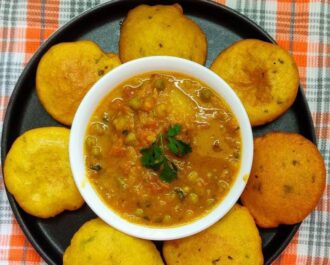
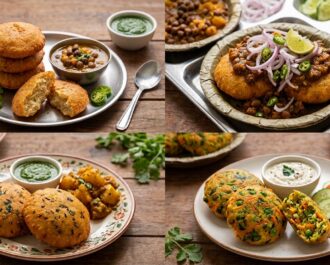
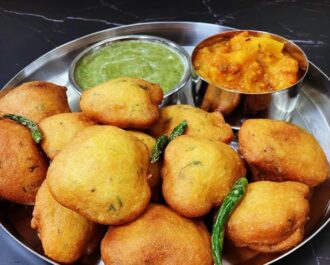
A favourite traditional food in Jharkhand, Dhuska is popular and much loved for its crispiness, healthy ingredients and rustic taste. From village-style Dhuska, street food-style Dhuska in Ranchi, spicy Bihari-style Dhuska, to full-vegetable Dhuska, each variation of Dhuska is an excellent expression of the country’s culinary culture. Dhuska served with Ghugni or spicy potato gravy is a delicious breakfast and street food staple

Anjali Raj Singh
I am a food writer and culinary content creator specializing in global cuisines, traditional recipes, food culture, and cooking techniques. Through extensive research and hands-on recipe analysis, I create accurate, informative, and engaging content that helps readers explore authentic dishes from around the world. My work covers recipe development, food history, ingredient guides, restaurant features, and culture-driven culinary stories.
At Foods Around the World, I focus on delivering well-researched, reader-friendly, and SEO-optimized content that reflects the traditions, flavors, and culinary heritage behind each dish. Every article is carefully reviewed for accuracy and relevance, ensuring readers can discover trusted recipes, cooking insights, and food experiences from diverse cultures worldwide.