
- What is Laphang?

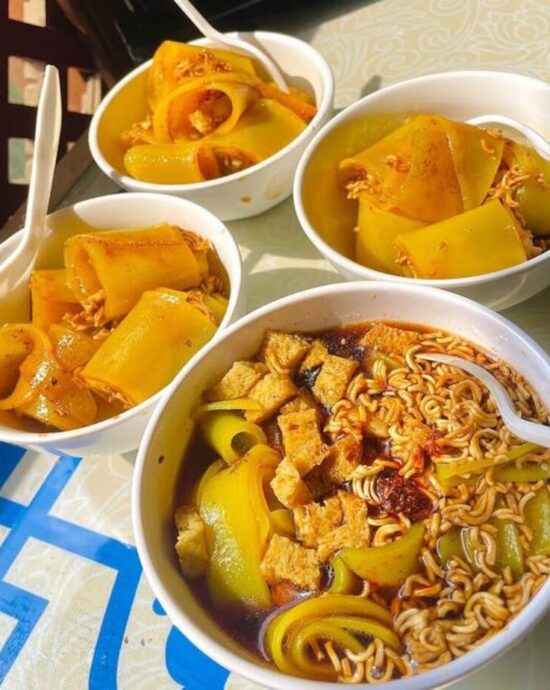
One of the most popular chilled dishes from Sikkim and the Tibetan peoples of the Himalayan region is Laphang, prepared with transparent mung bean or potato starch glass noodles coated with fragrant garlic, soy sauce, vinegar, chilli oil, sesame oil, fresh herbs and crunchy vegetables. Refreshing and subtly-flavoured, Laphang is usually eaten as street food, a summer meal or an appetiser
Laphang is a chewy snack with spicy dressing, which is gaining popularity all over NE India, on account of its refreshing flavour and speedy preparation
- Regional Variations of Laphang
Traditional Sikkimese Laphang
This original version was used in Gangtok and other areas of Sikkim and consisted of dry noodles, chilli oil, garlic, coriander and simple spices.
Taste Profile
Full of heat, sharp and invigorating!
Why It Is Popular
Because it is cooling in character and has the punch of Himalayan flavours, chana masala is a popular street snack in warm weather. It is light, filling and takes little time to prepare.
Nutritional Highlights
Low-fat preparation
Good vegetable content
Light meal option
Tibetan Style Laphang
Having been completed with prepared extra sesame oil, roasted sesame seeds and traditional Tibetan herbs.
Taste Profile
Nutty, mildly spicy, aromatic
Why It Is Popular
The roasted sesame oil and roasted seeds give a strong aroma with the freshness of the noodles.
Nutritional Highlights
Healthy fats
Rich antioxidants
Balanced nutrition
Vegetable Laphang
Packed with shredded carrots, cabbage, cucumber, spring onions and loads of fresh herbs.
Taste Profile
(Taste) fresh, crunchy, sharp
Why It Is Popular
Adding the coloured vegetables increases the nutritional value, as well as texture in the recipe, making it a healthy and filling dish.
Nutritional Highlights
High fibre
Rich vitamins
Fresh vegetables
Spicy Chilli Laphang
Another spicy version robustly made with additional chilli oil, crushed red chillies, and Sichuan pepper.
Taste Profile
Hot, smoky, very spicy, acidity
Why It Is Popular
They are ideal for those who love heat, the pungent aroma of the Himalayas and warming spices.
Nutritional Highlights
Antioxidant-rich spices
Low oil
Light yet satisfying
Nutritional Value (Per Serving)
Nutritional Value
Calories: 220–300 kcal
Protein: 5–8 g
Carbohydrates: 35–45 g
Fat: 6–10 g
Fibre: 3–5 g
Iron: 1–2 mg
- Basic Ingredients Used
Glass Noodles (Mung Bean or Potato Starch)
Quantity: 200 g
Nutritional Value (100 g)
Calories: 351 kcal
Protein: 0.2 g
Carbohydrates: 86 g
Nutritional Benefits
Light energy source
Gluten-free (mung bean noodles)
Easy to digest
Garlic
Quantity: 5 cloves
Nutritional Benefits
Natural antioxidants
Supports immunity
Adds bold flavour
Soy Sauce
Quantity: 2 tablespoons
Nutritional Benefits
Rich umami flavour
Traditional seasoning
Enhances taste
Rice Vinegar
Quantity: 1 tablespoon
Nutritional Benefits
Tangy freshness
Supports digestion
Balances flavours
Chilli Oil
Quantity: 2 tablespoons
Nutritional Benefits
Adds heat
Rich aroma
Improves flavour
Sesame Oil
Quantity: 1 tablespoon
Nutritional Benefits
Healthy unsaturated fats
Rich nutty flavour
Contains antioxidants
Roasted Sesame Seeds
Quantity: 1 tablespoon
Nutritional Benefits
Calcium-rich
Healthy fats
Crunchy texture
Carrot
Quantity: 1 small (julienned)
Nutritional Benefits
Vitamin A
Fibre
Natural sweetness
Cucumber
Quantity: 1 medium
Nutritional Benefits
Hydration
Low calories
Refreshing crunch
Cabbage
Quantity: 1 cup shredded
Nutritional Benefits
Fibre
Vitamin C
Antioxidants
Spring Onions
Quantity: ¼ cup chopped
Nutritional Benefits
Vitamins
Fresh flavour
Antioxidants
Fresh Coriander
Quantity: 2 tablespoons
Nutritional Benefits
Vitamin C
Fresh aroma
Rich antioxidants
Red Chilli Flakes
Quantity: 1 teaspoon
Nutritional Benefits
Adds spice
Rich antioxidants
Boosts flavour
Salt
Quantity: To taste
Nutritional Benefits
Enhances flavour
- Ingredient Tips
Immediately rinse the cooked rice noodles in cold water to prevent the cooking process and keep their resilient, sticky consistency
Use freshly prepared chilli oil and good-quality sesame oil for the best Himalayan taste
- How to Make Laphang
Cook the Glass Noodles
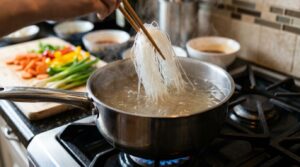
Boil the glass noodles until just tender. Drain thoroughly and refresh in cold water.
Nutritional Benefits
Light meal base
Easy digestion
Low-fat preparation
Prepare the Dressing
In a small bowl, stir together soy sauce, rice vinegar, chilli oil, sesame oil, garlic, chilli flakes, and salt.
Nutritional Benefits
Rich flavour
Healthy fats
Aromatic seasoning
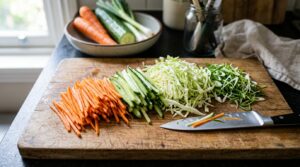
Prepare the Vegetables
Cut the carrots, cucumber, cabbage, and spring onions into thin strips.
Nutritional Benefits
Extra fibre
Vitamins
Refreshing texture
Toss Everything Together
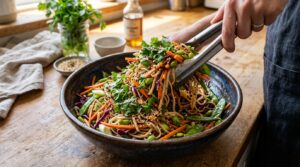
Toss together the noodles, vegetables, dressing, sesame seeds and coriander.
Nutritional Benefits
Balanced meal
Colourful nutrition
Fresh ingredients
Chill Before Serving
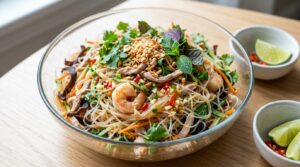
Refrigerate for 10–15 minutes before serving to allow the flavours to blend.
Nutritional Benefits
Refreshing taste
Better flavour absorption
- Why You'll Love This Recipe
Laphang is a delightful meal with fresh, vibrant taste, and overall very simple to prepare. The combination of hearty, chewy noodles, refreshing vegetables, and fiery sauce makes it a tasty treat ideal for summer days or throughout the day as a snack.
Nutritional Advantages
Low-oil preparation
Rich in fresh vegetables
Good fibre content
Light and refreshing
Easy to digest
- Serving Suggestions
Spicy Tibetan Chilli Sauce: A great addition of heat for those who like it spicy. It also offers more genuine Himalayan taste and a richer, smoky kick that complements the mild noodles and all inside the deep-fried Laphang.
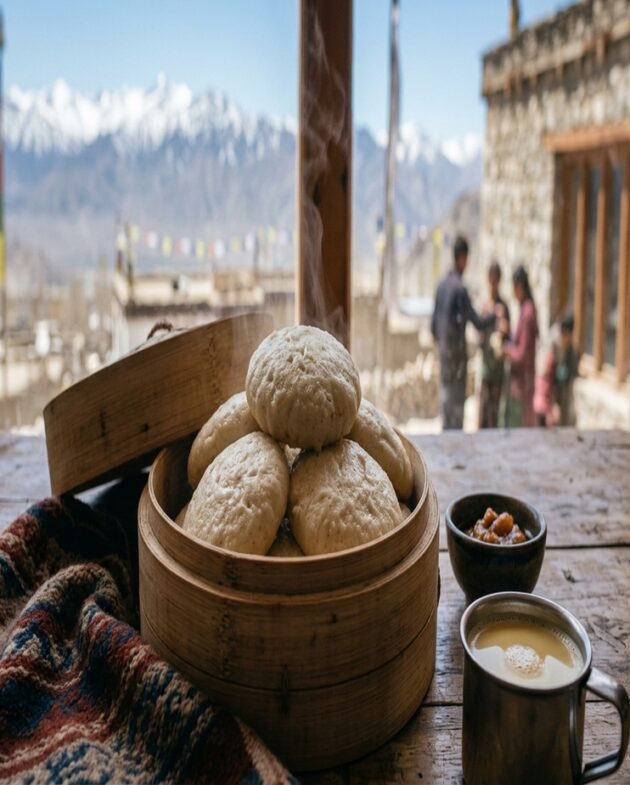
Steamed Momos. A must-order dish is often a traditional street-food snack such as Laphang with vegetable or chicken momos (dumplings). The succulent, soft dumplings work well with the chewy noodles.
Hot Clear Soup: The light broth is the ideal match for the cold noodles. The warmth and widely comforting aroma is a nice counterpoint to the refreshing spicy Laphang.
Lemon Wedges: Squeeze fresh lemon juice to get just the right flip to the flavours and some refreshing, “tangy” acidity. The fresh lemon juice also offsets the richness of the chilli oil and sesame dressing, making each bite more dynamic.
- Expert Tips
Skip overcooking the noodles: slightly al dente noodles give the correct texture and don‘t make the salad too soggy. Cook until a little underdone, then rinse in cold water to stop them from cooking any further
Fresh Vegetables: Crunchy vegetables make the best texture contrast to the warm noodles. In addition, fresh ingredients will taste better and add colour and nutritional value to the salad
Adjust the Spice Level: Add or take out chilli oil to suit your palate without upsetting the flavour. Taste the dressing after the tasting before you mix it into the noodles
Serve Chilled: Laphang is at its best when served chilled, after a few minutes cooling in the fridge. A few minutes resting in the fridge, chilling, allows the noodles to soak in the flavours and become more refreshing
- Frequently Asked Questions (FAQs)
Q. What kind of pasta is used in Laphang?
Normally, glass noodles are made from mung bean starch or potato starch.
Q. How is Laphang served? Cold or hot?
Traditionally, the Laphang is served cold or slightly chilled.
Q. Can Laphang be vegetarian?
Yes. The simple version is vegetarian, with a few recipes using shredded chicken or meat.
Q. Is it possible to pre-make the Laphang?
Yes. It can be made some hours in advance and kept refrigerated until needed.
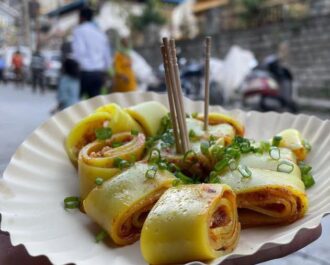
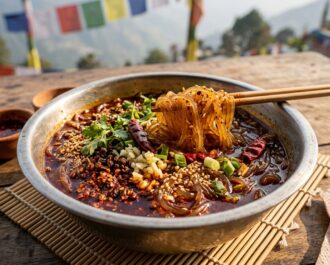
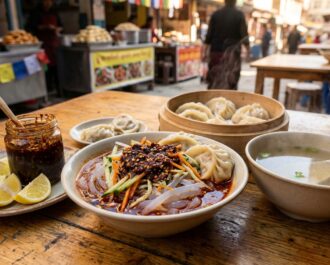
Laphang (or Laphing) is one of the most delicious and refreshing street foods you can find in the Himalayas. From its original Sikkimese roots, to the delicious Tibetan version, to the multi-coloured vegetarian Laphang or the outrageously fiery Chilli Laphang, all versions will provide you with indulgent sticks of chewy noodles, fresh crunchy veggies and strong seasoning. Light, healthy and one of the easiest dishes to put together, Laphang is yet another example of the tasty Himalayas

Anjali Raj Singh
I am a food writer and culinary content creator specializing in global cuisines, traditional recipes, food culture, and cooking techniques. Through extensive research and hands-on recipe analysis, I create accurate, informative, and engaging content that helps readers explore authentic dishes from around the world. My work covers recipe development, food history, ingredient guides, restaurant features, and culture-driven culinary stories.
At Foods Around the World, I focus on delivering well-researched, reader-friendly, and SEO-optimized content that reflects the traditions, flavors, and culinary heritage behind each dish. Every article is carefully reviewed for accuracy and relevance, ensuring readers can discover trusted recipes, cooking insights, and food experiences from diverse cultures worldwide.