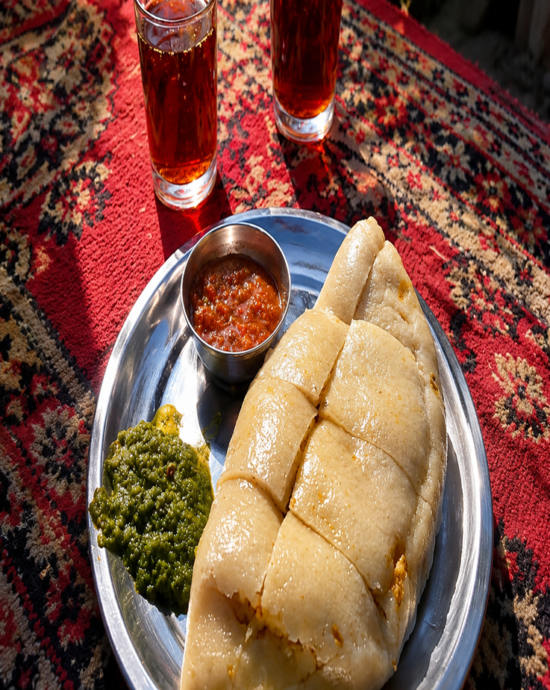

- What is Siddu?

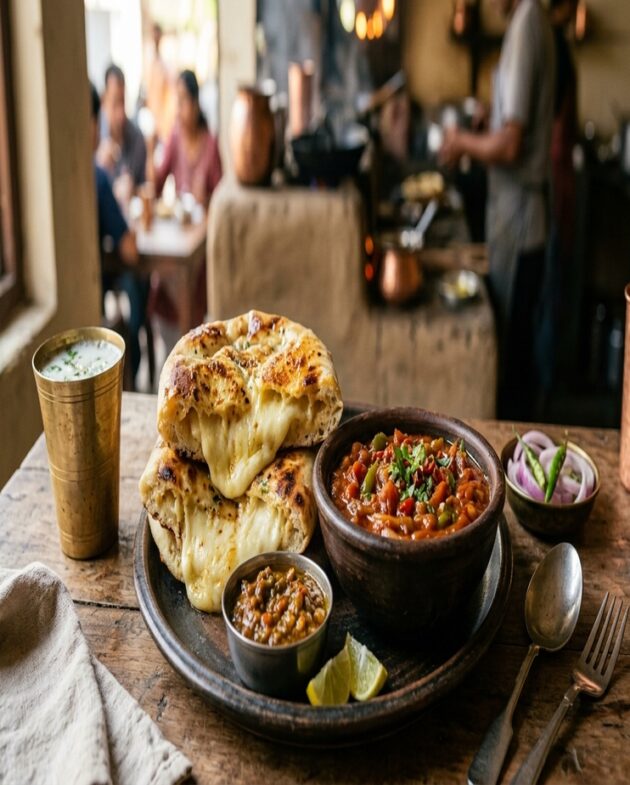
Siddu is among the most renowned of the traditional Himachali dishes. It is a soft, glazed, “blown-up” steamed bread made out of fermented dough of wheat flour filled with various delicious fillings like poppy seeds, walnuts, roasted peanuts, sesame seeds, or spicy lentils. Steamed Siddu is lighter than fried loaves, although it is heavy and healthy
Siddu was so far a preparation made during the winter season by the people living in the hilly regions of Himachal Pradesh, though it is now originating in different parts of the state. It is generally accompanied by lots of home-made ghee, green chutney, dal, or mutton curry. Its fullness in taste, tenderness, and nutritiveness has made it the topmost delicacy of the state
- Regional Variations of Siddu
Traditional Kullu Siddu
While the original version is made throughout the Kullu Valley, during fermentation, the Kheer wheat flour paste is packed with roasted walnuts and sesame seeds.
Taste Profile
Soft, nutty, faintly spicy, but creamy.
Why It Is Popular
The naturally fermented dough results in a fluffy texture of Siddhu, and the nutty filling brings in the hearty traditional taste. It still is one of the most loved festive delicacies of Himachal Pradesh.
Nutritional Highlights
High in complex carbohydrates
Good source of healthy fats
Rich in dietary fibre
Shimla Walnut Siddu
This version is widely used in Shimla. Making its filling using crushed walnuts ground together with herbs and spices.
Taste Profile
Rich, nutty, slightly crunchy
Why It Is Popular
With walnuts found in the area, this version is very nutritious and lends itself well to a naturally rich taste.
Nutritional Highlights
Rich in Omega-3 fats
High in antioxidants
Good protein source
Mandi Poppy Seed Siddu
Prepared with roasted poppy seeds mixed with herbs and spices throughout the Mandi district.
Taste Profile
Nutty, lightly spicy and fragrant
Why It Is Popular
The roasted poppy seed stuffing creates a distinct aroma for bread and has a hearty oriental flavour that combines well with ghee.
Nutritional Highlights
Calcium-rich filling
Healthy fats
Good dietary fibre
Kangra Mixed Nut Siddu
A more substantial variation with walnuts, roasted peanuts, sesame seeds, coriander and spices.
Taste Profile
Crunch, buttery, savoury.
Why It Is Popular
Its healthy stuffing is an additional source of nutrients. It is a good meal for drinking cold.
Nutritional Highlights
Protein-rich
Healthy fats
Energy-dense meal
Nutritional Value (Per Serving)
Nutritional Value
Calories: 320–420 kcal
Protein: 10–14 g
Carbohydrates: 45–55 g
Fat: 10–15 g
Fibre: 6–8 g
Iron: 2–4 mg
- Basic Ingredients Used
Wheat Flour
Quantity: 2 cups
Nutritional Value (100 g)
Calories: 340 kcal
Protein: 13 g
Fibre: 10 g
Nutritional Benefits
Rich in complex carbohydrates
Good fibre source
Provides sustained energy
Dry Yeast
Quantity: 1 teaspoon
Nutritional Value (100 g)
Calories: 325 kcal
Protein: 40 g
Nutritional Benefits
Helps fermentation
Improves dough texture
Supports better digestion
Warm Water
Quantity: ¾–1 cup
Nutritional Benefits
Activates yeast
Creates soft dough
Maintains moisture
Salt
Quantity: 1 teaspoon
Nutritional Benefits
Enhances flavour
Balances fermentation
Ghee
Quantity: 2 tablespoons (plus extra for serving)
Nutritional Value (100 g)
Calories: 900 kcal
Fat: 100 g
Nutritional Benefits
Adds richness
Traditional source of healthy fats
Improves flavour
Poppy Seeds (Khus Khus)
Quantity: ½ cup
Nutritional Value (100 g)
Calories: 525 kcal
Protein: 18 g
Calcium: 1438 mg
Nutritional Benefits
Excellent calcium source
Rich in healthy fats
Adds a nutty flavour
Walnuts
Quantity: ¼ cup (chopped)
Nutritional Value (100 g)
Calories: 654 kcal
Protein: 15 g
Nutritional Benefits
Rich in Omega-3 fats
Supports heart health
High antioxidant content
Roasted Peanuts
Quantity: ¼ cup
Nutritional Benefits
High protein
Healthy fats
Adds crunch
Sesame Seeds
Quantity: 2 tablespoons
Nutritional Benefits
Rich in calcium
Good healthy fats
Mineral-rich
Cloves
Quantity: 4 cloves
Nutritional Benefits
Natural antioxidants
Enhances flavour
Supports immunity
Ginger
Quantity: 1 teaspoon (grated)
Nutritional Benefits
Aids digestion
Adds warmth
Anti-inflammatory properties
Green Chillies
Quantity: 2 finely chopped
Nutritional Benefits
Rich in Vitamin C
Fresh spicy flavour
Natural antioxidants
Fresh Coriander
Quantity: 2 tablespoons
Nutritional Benefits
Rich in Vitamin C
Fresh aroma
Antioxidant properties
Cumin Seeds
Quantity: 1 teaspoon
Nutritional Benefits
Supports digestion
Traditional spice
Rich aroma
- Ingredient Tips
Let the dough ferment completely for a soft, fluffy Siddu with authentic taste.
Toast poppy seeds, sesame seeds, walnuts and peanuts before milling.
- How to Make Siddu
Prepare the Dough
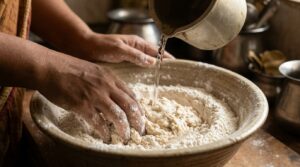
Mix the wheat flour, yeast, salt and the warm water to make a soft dough. Cover and leave to prove for about 2 hours, until doubled in size.
Nutritional Benefits
Better digestion
Improved texture
Soft bread
Prepare the Stuffing
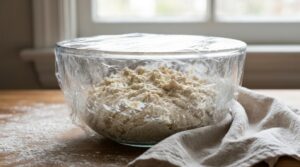
To roast poppy seeds, sesame seeds, walnuts, peanuts, cumin, garlic, ginger and green chillies. Make a coarse powder of the roasted ingredients and blend with chopped coriander.
Nutritional Benefits
Protein-rich filling
Healthy fats
Rich aroma
Fill the Dough

Separate the fermented dough into parts. Roll it down gently. Place the filling, close, and form into oval dumplings.
Nutritional Benefits
Balanced nutrients
Rich flavour
Steam the Siddu

Steam for 20–25 minutes until completely cooked through and tender. Test if cooked in the centre with a toothpick or knife if it comes out clean with no sticky dough.
Nutritional Benefits
Low-oil cooking
Retains nutrients
Healthier preparation
Serve Hot
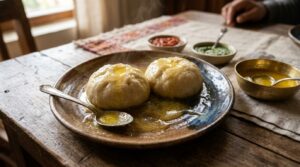
Spread some more melted ghee all over before you serve. Serve warm when it‘s soft.
Nutritional Benefits
Better flavour
Traditional serving style
- Why You'll Love This Recipe
The siddu is soft, filling and really tasty. With its steamed filling, it is healthier in comparison to many other fried bread types, while the filling is good for you, too! Goes well with dal, chutneys or curries and can be eaten for breakfast, lunch or dinner.
Nutritional Advantages
High protein
Rich dietary fibre
Healthy fats
Steamed preparation
Filling meal
Good mineral content
- Serving Suggestions
Ghee made at home: Warmed ghee makes this so flavourful and soft. Pour plenty of melted ghee on hot Siddu before eating, and you‘ll find it tastier and aromatic
Green Chutney: Mint-coriander chutney, so fragrant and fresh, cutting through the creaminess. The zinginess of the herby taste
Himachali Dal: The homemade dal we had was a traditional mixture of lentils. Goes great with the steamed bread. Very filling with mild spicing, and gave the meal a wholesome feeling
Mutton Curry: A traditional Himachali partner for celebrations. The thick, rich, tasty gravy complements the soft and airy texture of Siddu for an authentic Mountain style
- Expert Tips
Proper Fermentation: Siddu is the softest if properly fermented dough is used, and hardiest if it is not fermented enough. Let the dough rise naturally to get aroma and good texture
Steam, not boiling: Steaming maintains the texture and will result in a light, fluffy loaf. Ensure there is a constant stream of steam during the cooking process
Fill the Well of Filling: The seal ensures the filling does not weep while steaming. Squeeze the edge tightly, ensuring the filling stays inside as the dough swells
Serve straight away: Most of the food is best served hot with generous lashings of melted ghee. Siddu is at its softest and most delicious shape when steamed fresh
- Frequently Asked Questions (FAQs)
Q. Is Siddu healthy?
Yes. Being a steamed product with whole nuts and wheat as ingredients, it is indeed a healthy and traditional meal.
Q. Is it possible to make Siddu without using yeast?
Yes. In general, commercial yeast is replaced by natural fermentation.
Q. Are alternative fillings available?
Sure. Walnut, poppy seed, sesame seed, roasted peanut, lentil and sometimes even paneer filling are used.
Q. Why is it steamed instead of baked?
Steaming produces the characteristic wetness and soft nature of Siddu, as the flour becomes moist.

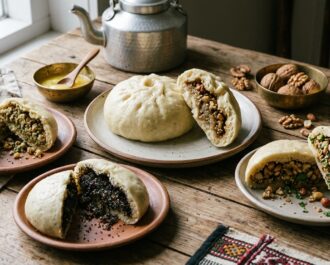
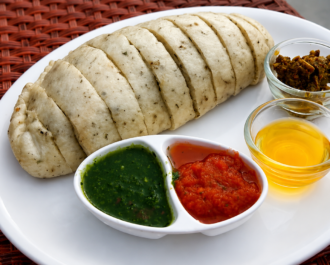
Siddu is a signature cuisine of Himachal Pradesh and stands out as one of the very best traditional foods of the region. Using time-tested methods and local ingredients, the healthy filling and pre- prepared wraps offer something truly special. The Kullu preparation, the Shimla walnut filling, the Mandi et al poppy seed Siddu or the filling of Kangra mixed nuts, each variant is a treat to the palate. Soft, healthy, filling and satisfying, a taste of Siddu is a taste of the Himalayan way of life

Anjali Raj Singh
I am a food writer and culinary content creator specializing in global cuisines, traditional recipes, food culture, and cooking techniques. Through extensive research and hands-on recipe analysis, I create accurate, informative, and engaging content that helps readers explore authentic dishes from around the world. My work covers recipe development, food history, ingredient guides, restaurant features, and culture-driven culinary stories.
At Foods Around the World, I focus on delivering well-researched, reader-friendly, and SEO-optimized content that reflects the traditions, flavors, and culinary heritage behind each dish. Every article is carefully reviewed for accuracy and relevance, ensuring readers can discover trusted recipes, cooking insights, and food experiences from diverse cultures worldwide.