
- What is Rice Dhokla?

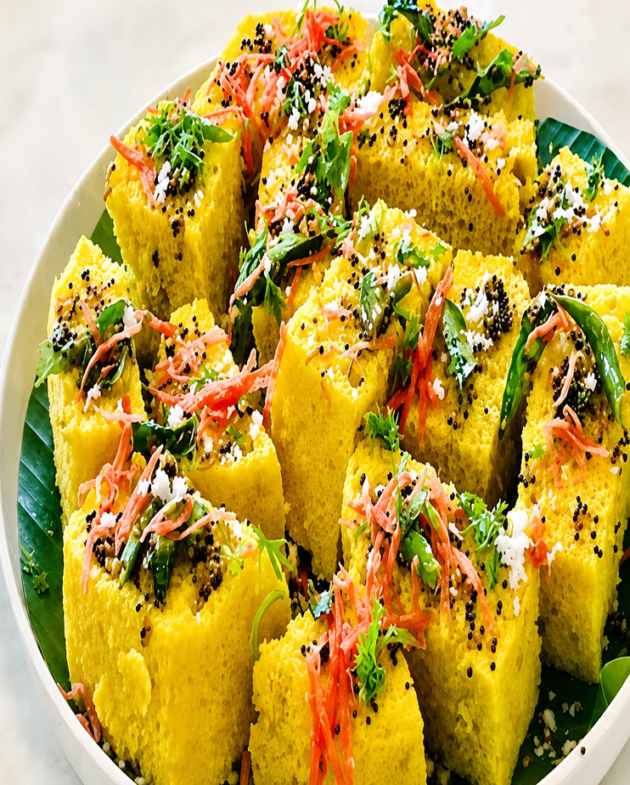
Rice Dhokla is a familiar Gujarati flat, risen snack. Preparatory fermented batter of rice and pulses is used as an ingredient of this Dhokla. It is similar to Khaman Dhokla; however, gram flour is not used in it. It is fermented with a mild tangy taste.
An age-old dietary practice among Gujarati homes is the production of Rice Dhokla to be had as a morning meal, an evening snack or festive food. Due to its easy, light constitution and healthy ingredients, it is immensely nourishing and comforting. The process of fermentation improves flavour and enhances digestibility, as well as increasing absorption of nutrients.
- Regional Variations of Rice Dhokla
Traditional Gujarati Rice Dhokla
Traditional Gujarati Rice Dhokla is believed to be the most original form of this traditional Gujarati dish. Made from a fermented rice and lentil mixture, it produced a softer-textured, slightly tangy, and more flavoursome Dhokla. This is how Dhokla has been traditionally made and most often served during breakfast, festivals and family gatherings in Gujarat.
Taste Profile: Mild, slightly tangy
Why It Is Popular
Traditional family recipe
Naturally fermented
Soft texture
Nutritional Highlights
Rich in complex carbohydrates
Easy digestion
Good source of plant protein
Kathiyawadi Rice Dhokla
Kathiyawadi Rice Dhokla is a spicier version of the traditional dhokla, which is distinguished by its stronger flavours, a slightly rough texture, and the addition of more spices. The ingredients of rice and lentils impart a unique taste to this variety that has gained enough popularity owing to its especially strong taste.
Taste Profile: Tangy and spicy
Why It Is Popular
Bold flavours
Popular in rural Gujarat
Nutritional Highlights
Digestive spices
Fermented nutrition
Moderate fibre content
Instant Rice Dhokla
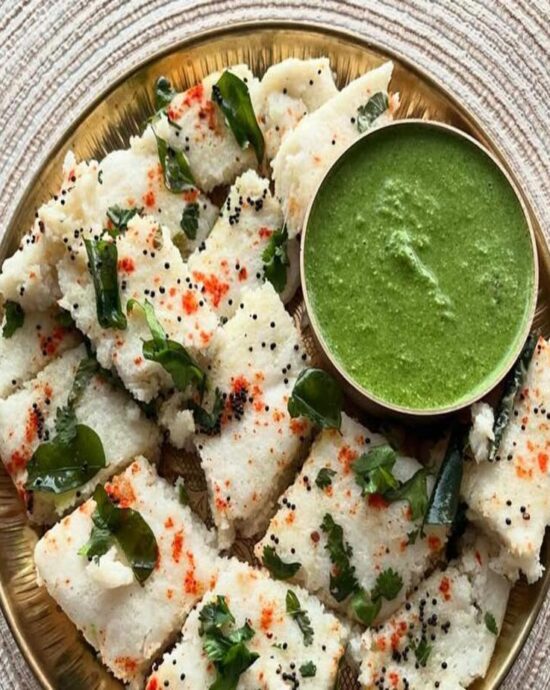
Instant Rice Dhokla is a quick-to-make, modern adaptation of the wholesome traditional dish, allowing busy households to enjoy the same soft, fluffy texture and delicious taste in less time using rice flour and minimal spices. With its no-fuss and tasty recipe, Instant Dhokla has become a breakfast and snack phenomenon for mealtime snacking.
Taste Profile: Mild and soft
Why It Is Popular
Faster preparation
Convenient for busy households
Nutritional Highlights
Lower fermentation benefits
Good carbohydrate source
Light meal option
Nutritional Value (Per Serving)
Nutritional Value
Calories: 180–240 kcal
Protein: 5–7 g
Carbohydrates: 30–35 g
Fat: 4–6 g
Fibre: 2–3 g
Calcium: 40–60 mg
- Basic Ingredients Used
Rice
2 cups rice
Nutritional Value (100g)
Calories: 130 kcal
Carbohydrates: 28 g
Protein: 2.7 g
Fat: 0.3
Urad Dal
½ cup urad dal
Nutritional Value (100g)
Calories: 341 kcal
Protein: 25 g
Carbohydrates: 59 g
Fibre: 18 g
Iron: 7.5 mg
Yoghurt (Optional)
½ cup yogurt
Nutritional Value
Protein
Calcium
Probiotics
Tempering Ingredients
Mustard seeds
Curry leaves
Green chillies
Oil
Nutritional Benefits
Antioxidants
Healthy fats
Digestive support
- Ingredient Tips
Use Good Quality Rice: If high-quality rice is used to make Rice Dhokla, then a soft and more uniform product will be obtained. Fresh rice will promote better fermentation and higher quality of flavour, texture and aroma
Ferment Properly: The way you ferment your Rice Dhokla is crucial for having a light, fluffy and tasty snack. Correctly fermented Rice Dhokla is easier on digestion, provides better nutrient assimilation, and the end product has the unique sour taste that makes this snack delectable
- How to Make Rice Dhokla
Soak Rice and Dal
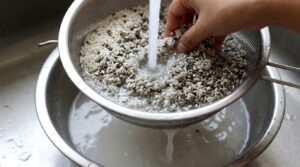
Rinse rice and urad-dal under running water to wash away dust and contaminants and any excess sugar. Soak together in plenty of cold water for 6-8 hours or overnight, until they are soft and pliable enough to be ground. This enhances the consistency of the batter and aids fermentation.
Nutritional Benefits
Easier digestion
Improved nutrient availability
Better fermentation
Grind Batter
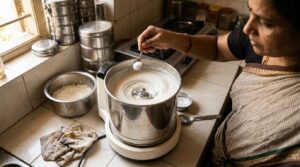
Grind the soaked rice to a smooth batter, free from any lumps. If the batter is not grounded well, it will leave pimples on the back of the papads. The batter should be of a smooth consistency. Mix salt properly so it is uniformly distributed before fermentation or steaming.
Nutritional Benefits
Balanced carbohydrates
Plant protein
Natural energy source
Ferment
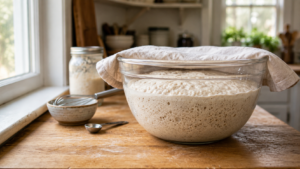
Allow the Batter to ferment overnight or 8-12 hrs in a warm place. This fermentation allows the naturally present microorganisms to assist in creating a delicate light texture and tangy flavour in the Dhokla. The Batter will have risen and be a little bubbly and soft, the key to a good soft texture of Rice Dhokla.
Nutritional Benefits
Improved gut health
Better mineral absorption
Easier digestion
Steam
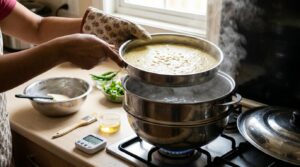
Pour the batter into a greased steaming tray and level it. Place the steaming tray in the steaming vessel and cook for 20–25 minutes or until the dhokla is set and a toothpick inserted in the centre comes out clean
Nutritional Benefits
Low-flame cooking method
Preserves nutrients
Light meal option
Prepare Tempering
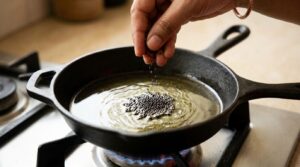
Heat oil in a small pan and add mustard seeds. Once they begin to splutter, add curry leaves and green chillies, allowing their flavours to infuse into the oil. Pour the hot tempering evenly over the dhokla while it is still warm so that the flavours are absorbed well throughout the dish.
Nutritional Benefits
Digestive support
Added antioxidants
Improved flavour
- Why You'll Love This Recipe
Rice Dhokla is popular for using naturally fermented batter, which imparts a characteristic flavour and is easier to digest. Fluffy texture and authentic taste give a delightful eating experience. Light yet filling, it is an ideal breakfast/snacks/festival eating option.
Nutritional Advantages
Moderate protein
Good carbohydrates
Easy digestion
Lower fat than fried snacks
- Serving Suggestions
Green Chutney: Provides a fresh and tangy taste that balances the soft texture of Rice Dhokla.
Garlic Chutney: Strong fiery flavour mixed with strong garlic smell, complementing the bland taste of dhokla marvellously.
Masala Tea: A steaming cup of Masala Tea complements Rice Dhokla beautifully and is best served for Breakfast, Evening Snacks or in the Tea-Times.
Fresh Coriander Garnish: Presents lively colour, clear taste and a wonderful aroma, helping dish presentation.
Nutritional Benefits
Additional antioxidants
Improved flavour
Extra vitamins
- Expert Tips
Use Proper Fermentation: The fermentation stage is key to getting soft and fluffy Rice Dhokla. Leave the batter to ferment for at least 8 hours in a warm place. It should be bubbly and smelling a little sour; this will ensure the resulting Dhokla is softer, full of flavour and easier to digest
Grind the Batter Smoothly: A smooth batter will give a smooth and fine texture once steamed. The dhokla will be coarse if there are coarse rice particles, so get rid of the large ones. The finer the batter, the softer the dhokla will be
Maintain the Right Batter Consistency: The batter may be thick or flow easily. When dhokla is too thick, it becomes too dense, and if the batch is very thin, it will affect it in other ways. Dhokla will speak and even cook
Steam on Medium Heat: Medium steaming allows the dhokla to be cooked through, but not dry or over-cooked. Overcooking with too much heat can cause cracks and rubberiness, but not enough heat takes too long and steams the dhokla unevenly
- Frequently Asked Questions (FAQs)
Q. Is it possible for me to prepare this without urad dal?
Nevertheless, as stated earlier, you can prepare Rice Dhokla without urad dal, but the presence of the dal significantly influences the resulting lightness and fluffiness of the texture. It also aids fermentation and the overall framework of the dhokla. The use of this dal yields superior results.
Q.Is Rice Dhokla healthy?
Yes, Rice Dhokla is a healthy snack as it is easy to digest and low in fat. The fermentation increases its nutrients, and energy-rich rice and lentils make it an energy-rich snack. It is light in texture and nutritious, which makes it perfect for daybreakings.
Q.Can I keep it?
Yes, you can absolutely keep it in the fridge for 2–3 days. Packing the dokhla in an airtight container is the best way to keep it fresh and soft. Reheat the rice dhokla by steaming or heating in the microwave if you want to make it a little softer again.
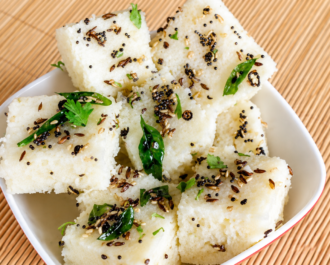
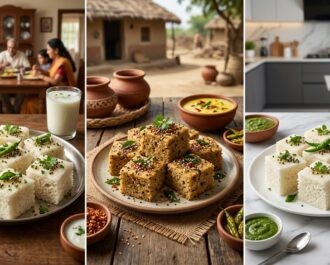
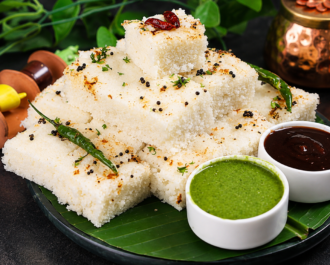
Rice Dhokla is an example of the art of traditional Gujarati food. It uses basic ingredients and relies on natural fermentation to produce a light and healthy snack, which is still loved by so many generations, generation after generation. Its gentle taste, spongy texture and healthy substance make a perfect breakfast or evening tea

Anjali Raj Singh
I am a food writer and culinary content creator specializing in global cuisines, traditional recipes, food culture, and cooking techniques. Through extensive research and hands-on recipe analysis, I create accurate, informative, and engaging content that helps readers explore authentic dishes from around the world. My work covers recipe development, food history, ingredient guides, restaurant features, and culture-driven culinary stories.
At Foods Around the World, I focus on delivering well-researched, reader-friendly, and SEO-optimized content that reflects the traditions, flavors, and culinary heritage behind each dish. Every article is carefully reviewed for accuracy and relevance, ensuring readers can discover trusted recipes, cooking insights, and food experiences from diverse cultures worldwide.