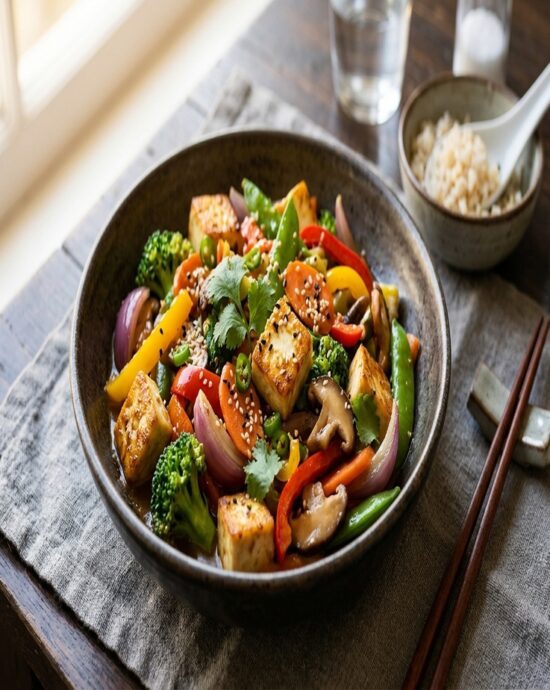

- What is Paneer and Vegetable Stir-Fry?

Paneer and vegetable stir-fry is a contemporary Indian-style recipe that consists of soft paneer cubes with colourful cooked vegetables, medium to high heat, using spices, herbs and light sauces. Unlike heavy gravies or thick curries, this preparation tends to be quick-cooking, textured and well-balanced in its flavours
This dish has grown more and more popular in Indian cities due to the fact that it fits in with hectic lifestyles, but it just tastes like the whole home-cooked thing. It has the protein of the paneer combined with the goodness and crunchiness of the vegetables... perfect for lunch, dinner, or to be prepared as a meal
A simple thing which people don‘t realise is what it takes to actually prepare the dish. Even cutting vegetables uniformly takes time, marinating paneer for a while and the right moment to stick them in, cooking vegetables such that they don‘t go soggy all need time and patience
Paneer stir-fry is one of the easiest Indian fusion dishes for beginners, health-conscious families, working people and students
- Regional Variations of Paneer Stir-Fry in India
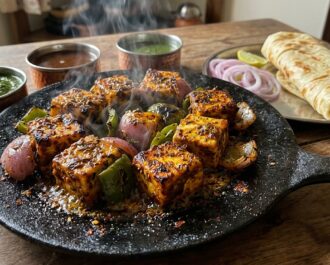
Delhi – Street-Style Spicy Paneer Stir-Fry
Delhi has rich, bold North Indian tastes and extra use of spices, ghee, butter and smoky paneer.
Taste Profile: Spicy, smoky, rich
What makes it popular: Chewy Tawa kind of preparation and the strong chutney taste.
Best for: evening snacks, wraps and fast dinners
Mumbai – Indo-Chinese Paneer Stir-Fry
Among others, Mumbai made popular paneer chilli stir fry with sauces.
Taste Profile: Tangy, a bit spicy, flavorful
Why it‘s popular: quick time-to-table for the busy city lifestyle. Most suitable for: Quick Restaurant-Style Meals
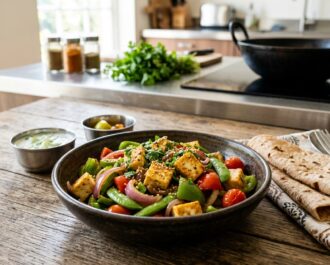
Bangalore – Healthy Paneer Veg Bowl Style
Bangalore pay more attention to light oil use, colourful vegetables and health-related food.
Taste Profile: Slightly spicy, fresh, balanced
Why it‘s Popular: Contemporary food culture focuses on healthy eating
Best for: Meal prep and healthy, balanced diets.
Kolkata – Sweet & Savoury Stir-Fry Influence
Kolkata tend to have sweeter onion-based flavours with softer paneer.
Taste Profile There was little heat, mainly mild heat with perhaps some slight sweetness from the saffron.
Why it‘s popular: Rounded tastes and a filling feel. Suitable for: Family dinners and combination lunch.
Hyderabad – Spicy Paneer Pepper Stir-Fry
Hyderabad, on the other hand, uses spice blends with a varied amount of peppers and aromatic herbs.
Taste Profile: Peppery, bold, aromatic
Reasons for popularity: Cultivated taste for typical pungent flavour and strong spicy culture.
Ideal for: Those who love spicy
- Why You’ll Love This Recipe
This is a recipe that suits the contemporary Indian kitchen perfectly: fast, vibrant, nourishing and flexible. It has protein (paneer), fibre (from the vegetables) and none of that ungodly heaviness of the gravy. It is suitable for lunch, dinner, wraps, meal prep or party starters. It is easy enough for a modern novice but adaptable enough to try alternatives with the sauce and spices. The ultimate solution for the crowd pleasing ‘what do I cook quickly!
- Ingredient Tips
Use fresh paneer: Soft paneer provides superior mouth feel and flavour absorption. It is tender after stir-frying and blends smoothly with the sauces. Softer paneer increased the richness and mouthfeel
Cut vegetables evenly: Helps ensure even cooking and texture. If the vegetables are of the same size, they will cook evenly and look more attractive. This will also avoid uneven cooking
Do not overcrowd the pan: Prevents vegetables from becoming waterlogged and limp. Too many ingredients all at once will exude water and take away from the texture of a stir-fry. To stir fry, serve in smaller batches, keeping them fresh and semi-crunchy
Cook on high-medium heat: Builds flavour without boiling. Caramelisation occurs at an appropriate temperature. Maintains the popular smoky taste of stir-fry while keeping vegetables firm. Ensures glassy consistency of sauce and even presentation
- How to Cook Paneer and Vegetable Stir-Fry
A. Preparation
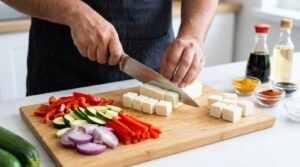
Begin by chopping the paneer into med cubes, and the vegetables into similarly sized slices. Ensure uniform chopping as the various slices of vegetables would have different cooking times and impact the texture profile
Keep the refrigerated paneer in warm water for around 10 minutes before cooking. This will help to make the paneer soft and will not turn into rubbery lumps when added to stir fry. Prepare all sauces and spices in advance, as stir-frying takes a short time once the pan is heated
B. Cooking Method
Heat the Pan Properly
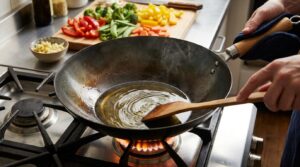
Begin heating oil or butter in a large pan or wok over medium-high heat. Being able to heat this quickly means that the vegetables will cook rapidly but will stay a little firm. If not hot enough, the vegetable will simply soften and will stew in its own water
Cook the Aromatics

First, add ginger-garlic paste and onions. Cook until onions are lightly softened but not browned, as this imparts a flavour base that stays fresh in the stir-fry
Add Vegetables
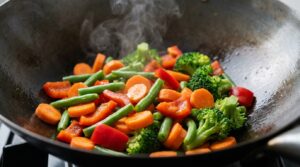
Add carrots, capsicum, beans, broccoli, or other vegetables. Cook on medium-high and stir constantly. Don‘t cover the pan, as trapped steam will mush the vegetables
Add Paneer
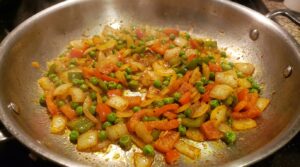
Gently add paneer cubes after the vegetables are partially cooked. Stir carefully to prevent paneer from breaking. Cook for 4–6 minutes so paneer absorbs spices without becoming tough
Season & Finish

Sprinkle some salt, pepper, chilli flakes, and any optional gravy. Stir everything well for a uniform taste. Fry a little further for 2–3 minutes and then switch off the stove
- Variations You Can Try
1. Spicy Tawa Paneer Stir-Fry: Increase the amount of chilli powder and pav bhaji masala used to get the taste of the Delhi stalls with an added punch. Additional butter and green Chilli give it a further street food dimension. Goes particularly well with pav, roti or some quick evening snacks
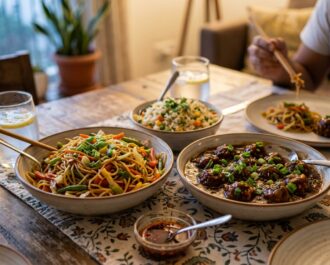
2. Indian-Chinese Paneer Variation: Combine soy, chilli, and spring onion. This is a tangy flavour similar to the hotels. The sticky sauces have a sweet and smoky Indo-Chinese flavour. If you are looking for a speedy supper or a Chinese take-away style meal at home, this is a good one to go for
3. Healthy Low-Oil Version: Add very little oil, and boost the amount of steamed vegetables. Best suited for low-calorie diets. Light spicing preserves the freshness and prevents the dish from becoming filling. This version is perfect for the diet-conscious and healthy-eating everyday diets
4. Butter Garlic Paneer Stir-Fry: Cook with garlic and butter. It will add an aroma and a touch of velvety texture. A garlic bath gives an experienced dimension, enriches the paneer, and perfectly combines with heavy pasta, rice or toasted bread
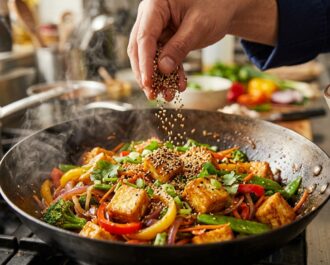
5. Paneer with Sesame Stir-Fry: Finally, sprinkle toasted sesame seeds. These give the soup a nutty flavour and a crunch. Sesame oil is also useful for a more subtle, deeper Asian style aroma. The crunchy sesame seeds add extra texture and improve presentation
- Serving Suggestions
With roti or paratha: Soft flatbreads go well with stir-fried spicy paneer and vegetables. This makes a very satisfying Indian style family meal. The breads are perfect for mopping up all the delicious juices and vegetables. This dish is ideal for midweek family cooking or as a lunch
With fried rice or noodles: The Indo-Chinese dishes are delicious with either rice or noodles. This adds to the restaurant-style feel to the meal and is very satisfying. The sauces from the stir fry go very well with the fried rice or noodles. (This is very good for a weekend meal or in more casual settings)
In wraps or rolls: Incorporate the stir fry as a filling for wraps and rolls. Good for pack-ups and fast eating in the car, sort of eating! Serve with sauce and fresh lettuce for an even better texture and freshness. Lightly charred on the grill adds texture and enhances flavour
With soup or salad: Lighter soups or salads to offset the rich flavour of Paneer. Excellent for a lighter evening meal or a meal balanced from the middle. Fresh vegetables added for a crunching sensation and to keep the meal lighter. Suitable for health-conscious and modern style
- Expert Tips & Recipe Notes
Do not overcook paneer: It is important to note that overcooked paneer will become rubbery. The paneer should only be cooked until heated through and coated lightly with spices. The paneer quickly absorbs the flavour and so does not need to be cooked for long. Therefore, it is added towards the end of the cooking process
Use high-medium heat: A good temperature maintains even crispness and freshness to the vegetables. Insufficient heat causes vegetables to melt down to release excess water. The right heat can also bring out the mild smoky aroma to the stir-fry & the flavours in the sauces adhere evenly to all ingredients, while the texture will not turn soft
Stir continuously: Make sure that nothing sticks by stirring regularly. This is almost essential when using the wok. It enables the food to cook uniformly, but not catch on and burn the bottom of the dish. Vegetables stay bright and firm, and it also helps the spices and sauce from catching in the bottom of the pan
Add sauces carefully: Be cautious not to add too much sauce, as it will overpower the vegetables and paneer. Use only a small amount at first, as a little goes a long way. Very well-balanced seasoning allows the freshness of the vegetables to be apparent. Add the sauces little by little to make it easier to control the saltiness and consistency
Rest briefly before serving: Let the result rest for 1–2 minutes before serving. This ensures the flavours are evenly distributed. Resting allows any excess steam to be released so the peppers are not too soggy. The texture after resting is more pleasant
- Frequently Asked Questions (FAQs)
Q. Can I use frozen vegetables?
Yes, frozen vegetables work well for quick cooking. However, fresh vegetables provide better texture and flavour. Thawing and draining them properly helps avoid excess moisture during stir-frying.Q. Why does paneer become rubbery?
Overcooking or cooking on very high heat can harden paneer. Adding paneer later in the cooking process helps prevent this. Gentle cooking keeps the paneer soft while still allowing it to absorb flavours.Q. Is this dish healthy?
Yes, it combines protein and vegetables in one meal. Using less oil makes it even healthier. The dish can easily be adjusted for balanced and fitness-focused diets.Q. Can I prepare this ahead of time?
Yes, you can chop vegetables and paneer in advance. However, stir-frying fresh gives the best texture. Preparing ingredients beforehand also helps speed up cooking during busy schedules.
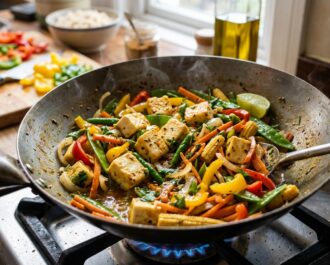
Paneer and vegetable stir-fry: Indian food is one of those cuisines that lends itself to a take-easy and time-saving approach. Over the years, there has been a development of regional variations for dishes such as this, spread throughout Delhi, Mumbai, Bangalore, Kolkata, and Hyderabad and kept it simple enough to be found in most Indian homes
After you‘ve mastered heat control, timing and ingredient balance, stir-frying really is one of the simplest, and the most satisfying, methods of cooking

Anjali Raj Singh
I am a food writer and culinary content creator specializing in global cuisines, traditional recipes, food culture, and cooking techniques. Through extensive research and hands-on recipe analysis, I create accurate, informative, and engaging content that helps readers explore authentic dishes from around the world. My work covers recipe development, food history, ingredient guides, restaurant features, and culture-driven culinary stories.
At Foods Around the World, I focus on delivering well-researched, reader-friendly, and SEO-optimized content that reflects the traditions, flavors, and culinary heritage behind each dish. Every article is carefully reviewed for accuracy and relevance, ensuring readers can discover trusted recipes, cooking insights, and food experiences from diverse cultures worldwide.