


The design of British cakes remains intentionally simple and understated. The cakes serve as essential treats for teatime chats and local bakery sales and for all celebrations which happen in daily life. The cakes show their unique character through the particular locations which link them to different towns and regions and baking customs which continue to influence their present-day preparation and consumption
The six classic British cakes that deserve your attention show their origins through their regional bakery traditions and their ongoing significance to modern society.
Victoria Sponge – London & Southern England

The Victoria sponge stands as the fundamental cake of British cake traditions. The cake which bears Queen Victoria’s name gained popularity during the 19th century because people started drinking afternoon tea. The traditional recipe uses butter, sugar, eggs, and flour in equal amounts to create a batter which chefs use to make the dessert jam and cream filling. Southern English bakeries still keep it simple—no heavy frostings, no layers stacked too high. The dish maintains its freshness because it combines lightness with balanced flavors and presents a dish which people can share. A good Victoria sponge feels effortless, which is exactly the point.
Bakewell Tart – Derbyshire

The dish called Bakewell tart maintains its ties to the Peak District through its Bakewell town source as one of Britain’s most locally specific desserts. The dish consists of short crust base which supports a jam layer and frangipane filling, topped with flaked almonds. The local bakeries compete to prove their claim to prepare the “authentic ” recipe, yet this rivalry enhances the dessert’s appeal. Derbyshire bakeries serve traditional almond-flavored desserts which do not use icing.
Carrot Cake – Nationwide (Modern British Bakeries)

Carrot cake may not feel authentically British, but it became mainstream in the UK during the late 20th century as baking moved toward moist sponges and spiced flavors
American desserts are sweeter than British desserts which use walnuts and gentle spices and limited cream cheese frosting as their vital ingredients
The UK has made the café and bakery product into a common item which independent shops that prioritize comfort over decoration especially use.
Sticky Toffee Pudding Cake – Cumbria

Sticky toffee pudding introduced in Cumbria, and modern bakeries now serve it as cake despite its authentic form as a hot dessert. The cake is prepared with dates and rich toffee sauce thrives in northern England because of the region’s cold weather. Regional bakeries prepare the dish as loaf slices and traybakes instead of serving it as plated desserts.
The dish remains famous because it offers a luxurious experience that suits cold afternoon weather and extended walking excursions.
Battenberg Cake – Southern England

The Battenberg cake presents its pink-and-yellow checkered interior as a recognizable element which people associate with its royal marzipan-covered form. The royal marriage which the 19th-century dessert creation commemorated became a popular novelty food item. The dessert presents an artistic appearance which people can easily prepare through its three main components of almond sponge and jam and marzipan. Traditional bakeries which respect their historic baking methods and their exacting baking techniques continue to offer this product.
Bara Brith – Wales
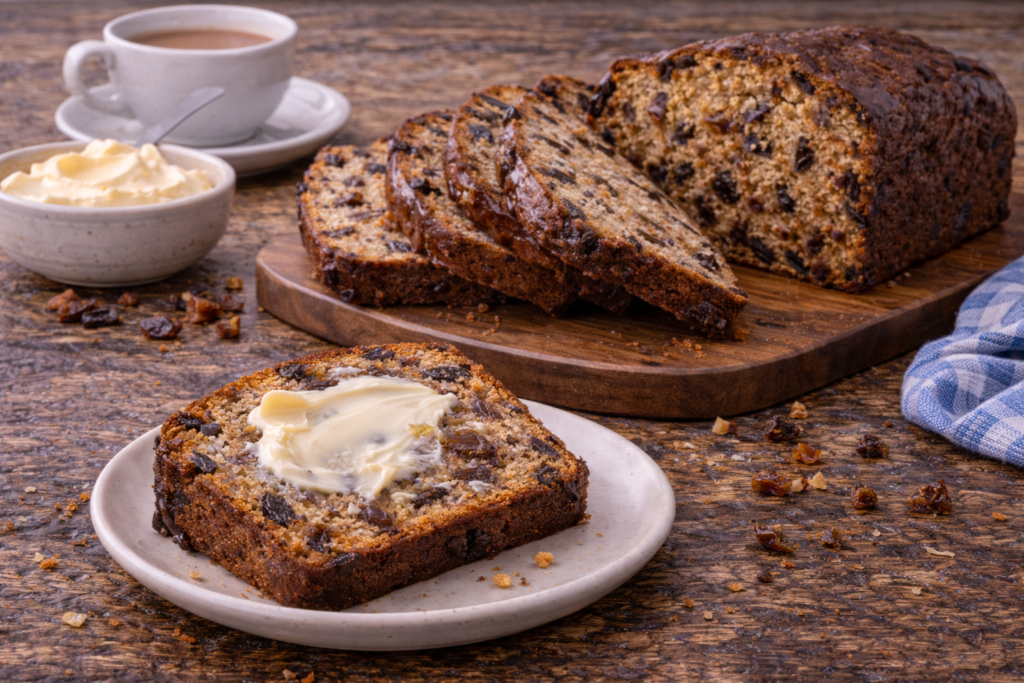
Bara brith functions as a daily baking item because it looks like a cake but exists as a Welsh fruit loaf. The dish has thick slices of dried fruit that has been tea-soaked and lightly spiced, which visitors can enjoy with butter. Throughout the year, people in Wales consider it a basic food item, which they use at Welsh bakeries and home kitchens during cold weather. The product achieves extended shelf life because it maintains optimal freshness while its flavor grows better with age and it mixes well with tea.
Why British Cakes Endure
British cakes succeed because they:
- Are tied to daily life, not just celebrations
- Reflect regional baking habits
- Value texture and balance over excess sweetness
They’re meant to be eaten, not admired.
Final Thoughts
British cakes tell their stories by describing the tea breaks which people take between their work in bakeries and their time spent at local tea houses. The cakes from neighbourhood shops and Welsh bakeries both provide comfort through their familiar taste because they include Victoria sponge and bara brith. British baking today requires local knowledge for its complete understanding. The best cakes are often the ones baked closest to home.