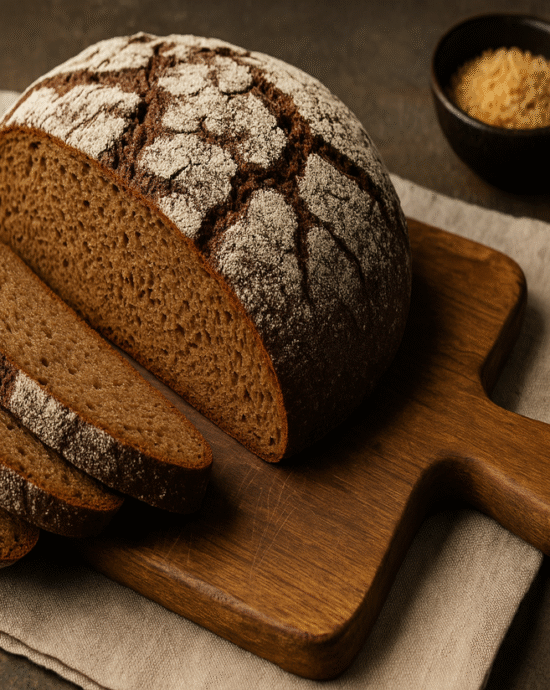

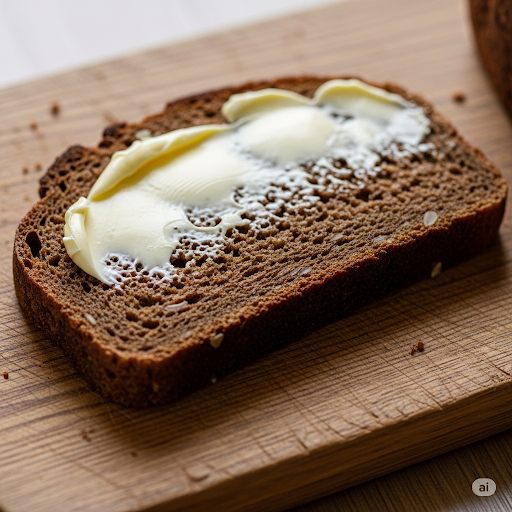
When you have previously visited Finland, you must have had a taste of the slice of ruisleipä at nearly every one of your repasts. A staple of the Finnish diet, this heavy, rye bread is embedded so firmly into the culture that people tend to say they could not imagine their lives without it. It is not a soft, sweet bread that you get in any bakery, at least; it is dark, heavy, almost sour, and characterised. To Finns, ruisleipä isn’t just bread—it tastes like childhood, like family, like the very idea of home
A Brief History of It
Ruisleipä is a very old bread type that is cooked in Finland as far back as centuries ago, even before the popularity of wheat bread. The rye was easily cultivated in the harsh northern climate, whereas wheat could hardly be cultivated at all; as such, rye soon became the foundation of Finnish baking. Historically, families would store a starter and often continue to use this even after many decades. This made the bread distinctive in taste for each family. To this day, when the Finns go travelling abroad, they usually tend to take a loaf of rye bread along, just to have a bit of ‘home comforts with them.
Ingredients
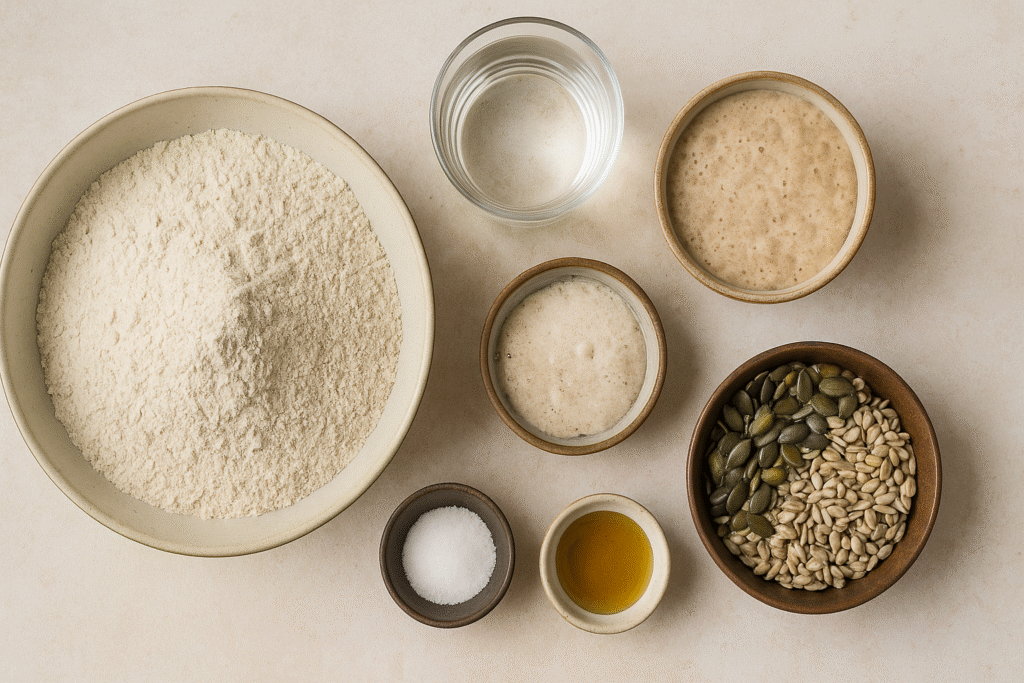
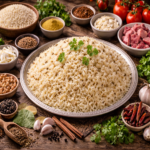
- Rye flour (roughly 500 g / 4 cups) – the show-stopper. And in case you cannot find the 100 per cent rye flour, make a combination of rye and whole wheat
- Warm water (very roughly, 350 ml / 1 1 / 2 cups) – assists in making dough.
- Rye sourdough starter (about 100 g / 1/2 cup) acts as an active starter; that is what gives the bread its characteristic tang. If you don’t have a starter, you can make one from scratch or use a little yeast, though the flavour will be milder
- Salt (1–2 teaspoons) – for balance
Optional:
- A pinch of honey or molasses (1 tablespoon) adds softness to the rye effect and adds a hint of sweetness
Seeds (sunflower, pumpkin or flax seeds) are placed to complete the texture as well as to give a modern feel
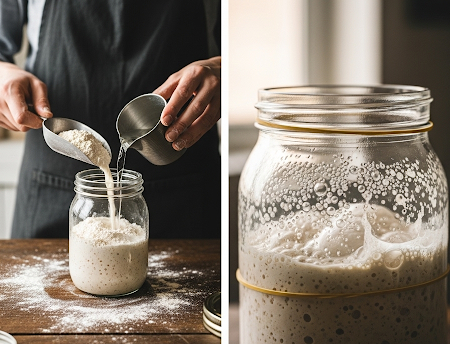
Step 1: Make sure your sourdough starter is bubbly and lively—like a tiny yeast party at peak energy—before you begin mixing. This makes your bread rise
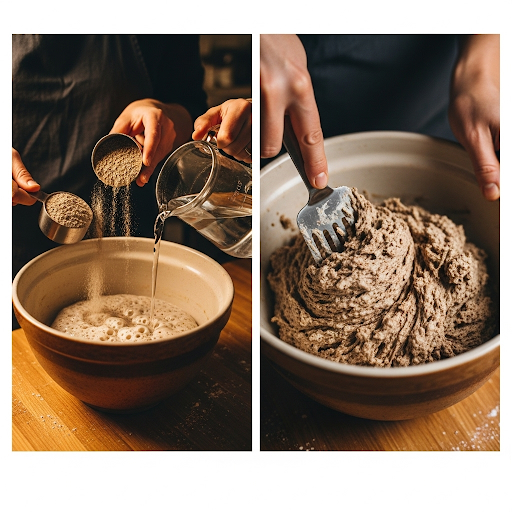
Step 3: Place the rye flour, warm water, starter and salt together in a large mixing bowl. Mix until it makes a sticky, shaggy dough. The Rye dough will not be as smooth as the wheat one- it is denser and slightly sticky. It is normal, nothing to worry about
Step 4: Place the bowl covered with a clean kitchen towel and rest the dough at room temperature for 6-8 hours (or overnight). In the process, it will gradually come up and take on flavour
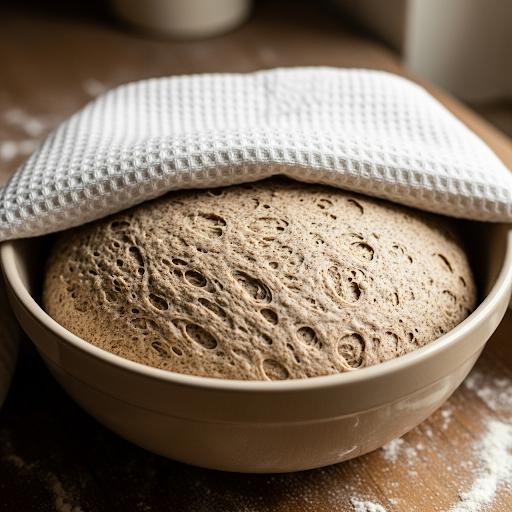
Step 5: Place the bowl covered with a clean kitchen towel and rest the dough at room temperature for 6-8 hours (or overnight). In the process, it will gradually come up and take on flavour
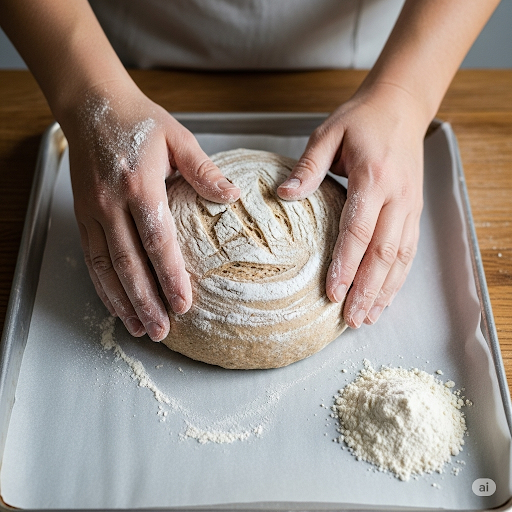
Step 6: Flour your hands a little and roll the dough into round or oval loaves. Put them on a parchment-skirted baking sheet
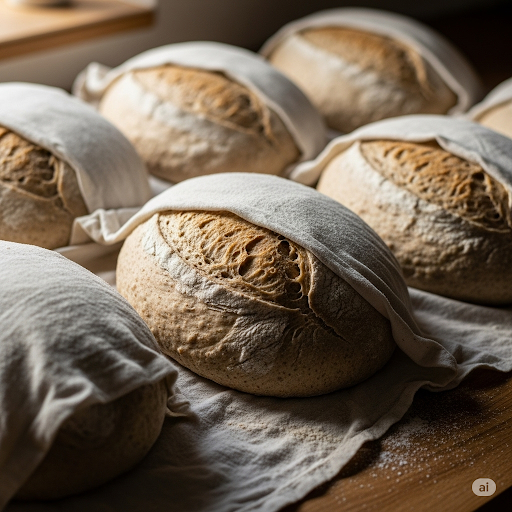
Step 7: Leave the loaves to rise again, covered this time for 1-2 hours, so they are a bit puffed. Rye bread does not increase tremendously compared to wheat bread, and there is no cause for alarm
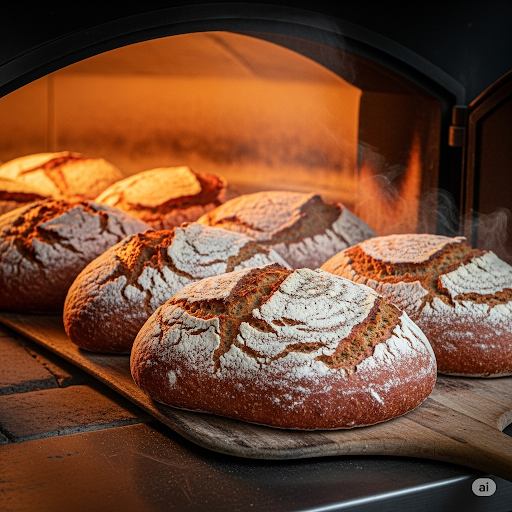
Step 8: Preheat your oven to 220°C (430°F). Slide the loaves in and bake for 40-50 minutes—you’ll know they’re done when the crust turns deep brown and tapping the bottom gives a hollow thump
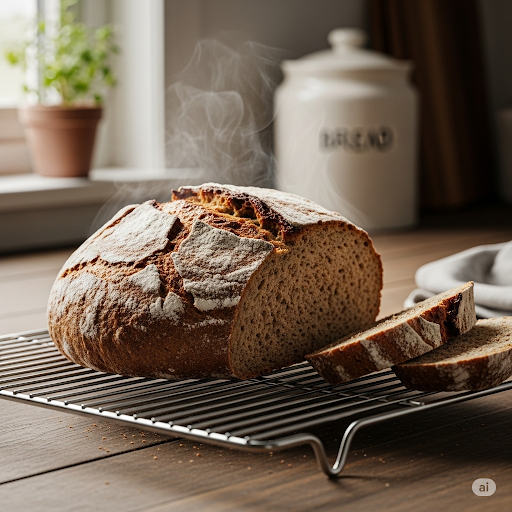
Step 9: And this is the most difficult one: Wait till the bread is entirely cooled down, before you slice it. The bread turns sticky on the inside when slicing is too soon
Serving Tips
- Traditional Finnish touch: Have it on a slab of butter and a block of cheese, or add cold cuts, cucumber slices and a boiled egg
- The contemporary revision: Grill the slices, then liberally top them with avocado or smoked salmon
- Sidekick: Serve alongside soups, stews, or even with just a glass of cold milk – that’s how many Finns enjoy it
Precautions
- Be patient with fermenting the bread, and take the time it needs to work its magic in making rye bread taste so good
- Do not add too much flour during the shaping process; rye dough is supposed to be a sticky dough
- Not to slice when hot; patience is the only key to the finest texture
More About Rye Bread
Ruisleipä is bread and also Finnish survival in a food nugget. Rich, sour and healthful, it has seen generations through long winters, and is a favourite to this day. Although baking yourself could last you all day and take some effort, when you finally munch on that earthy flavour accompanied by a smear of butter, you will realise why it is close to the heart of Finns. A single bite, and it is not only bread that you are eating, but you are savouring a tradition.