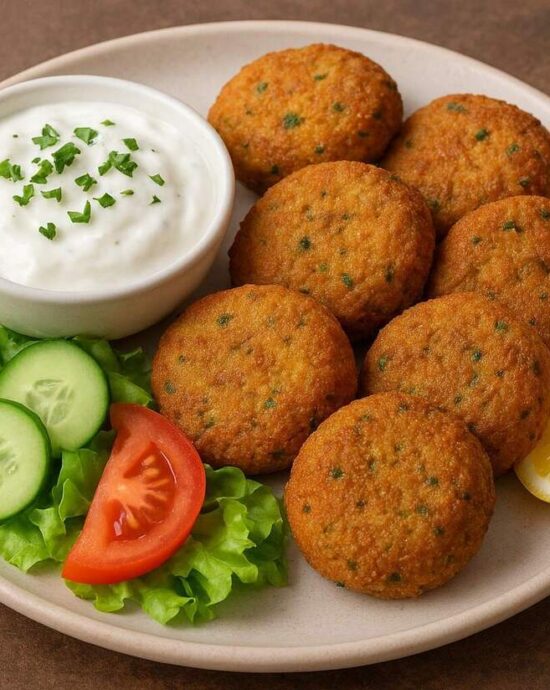

Munch on the fried golden and crunchy goodness of the Turkish Falafel, a
traditional Middle Eastern and Turkish chickpea patties bar-type food. This mixture
of ground chickpeas, herbs and spices fried in the form of small patties/patties,
known locally as Nohut Köftesi, makes a delightful combination.
Chickpea patties like Turkish falafels are vegan, as well as high-protein since they
are commonly found in the mezze platter or stuffed pita pockets with fresh
vegetables, pickles and tahini yoghurt sauce, which makes it the best snack or a
complete meal with zero guilt whatsoever.
The difference between the Turkish falafel and other variants lies in its spice level, which tends to be less than the rest,
and the idea of complementing the chickpea with parsley, mint or onion to breathe
the Mediterranean freshness.
Falafel is one of the most popular Turkish vegan recipes and street food favourites
in Turkey, which are typically served on corners of food in Istanbul or can be offered
with warm pita, hummus, and salad to make a complete homemade taste.
What is Turkish Falafel?

Although being primarily Egyptian and Levantine in origin, Falafel has easily found
its way into Turkish households and food markets, predominantly in cosmopolitan
areas.
These Vegan chickpea kofta are usually prepared by hand or falafel scoop
and deep-fried in oil till crisp. Nohut Köftesi tarifi tends to be lighter and soft as compared to the dense varieties found in other regions, making it most appropriate when used together with flaky flatbreads or taken cold in a vegetarian
dish
Although Turkish falafel or Nohut Köfte also includes chickpeas, garlic, herbs, and
spices as the basic elements, it is possible to find regional adjustments that involve
fresh mint and dried red pepper flakes, on which rare, even bulgur and onion might
appear
Traditional Turkish chickpea patties without meat are usually served during
Ramadan and are wrapped in durum (Turkish wrap), or served with pilaf
Ingredients and Substitutes
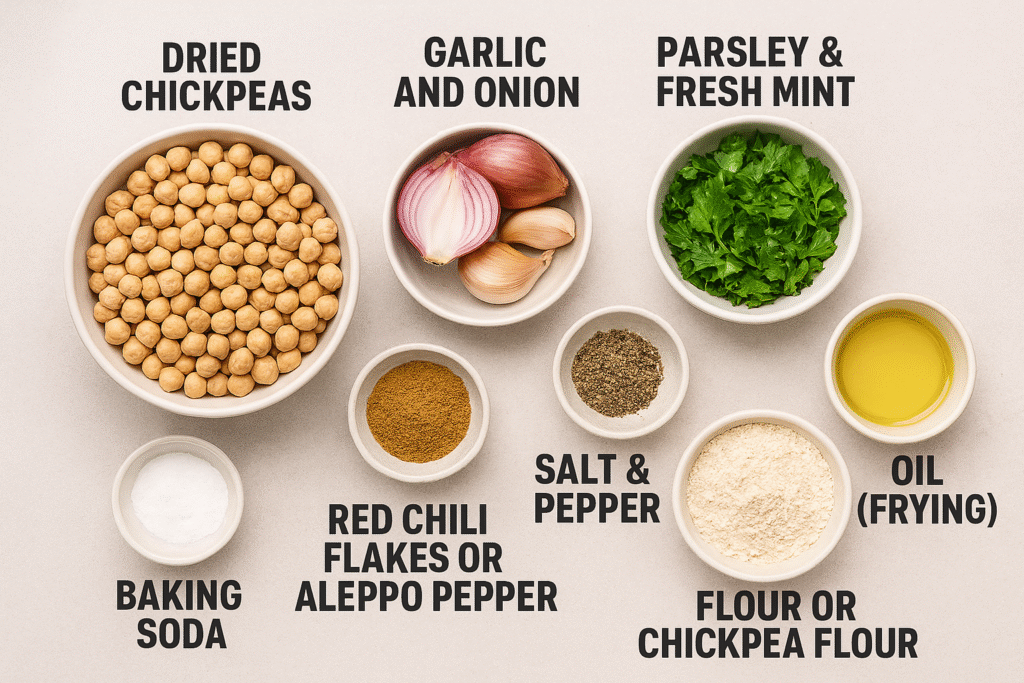
- Dried Chickpeas: These are the main ingredient of chickpea patties. To keep them separate, soak overnight (and don’t cook). Canned chickpeas are far too soft and possibly lead to a soggy falafel, whereas traditional Nohut Köftesi is strictly made from dried store-bought chickpeas
- Garlic and onion: Add body and flavour. Both can be used in Turkish falafel for a powerful, earthy taste. You may add a sweet touch with red onion
- Parsley & Fresh Mint: The falafel gets its fresh green colour as well as an uplifting flavour. In Turkish recipes, mint is more prominent as compared to other versions
- Cumin Powder: Cumin is a traditional seasoning used in falafel and brings a nutty flavour and earthiness. It is possible to add a pinch of coriander or paprika too
- Red Chilli Flakes or Aleppo Pepper: The taste of Turkey, although you can hardly notice it, doesn’t overshadow the herbs
- Salt & Pepper: Just normal seasoning to bring out all the other flavours
- Baking Soda: This makes the falafel a bit fluffier and does not allow it to be too compact. The smallest pinch will do
- Flour or Chickpea Flour: A Small quantity is added to make the mixture sticky in case it is too damp
- Oil (frying): An unflavored oil such as sunflower or canola is best used in deep frying. Olive oil is splendid for shallow frying or baking
How to Make Turkish Falafel
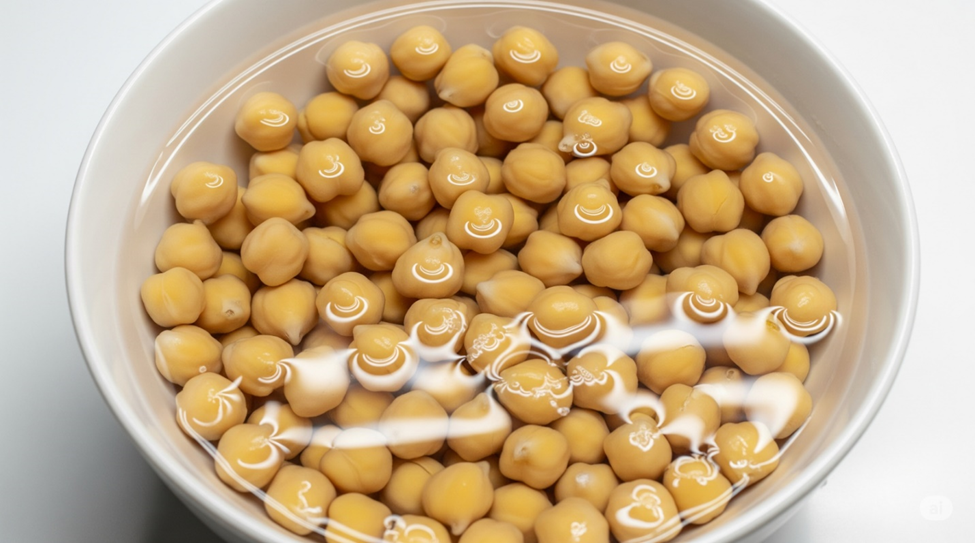
Soak up the Chickpeas
To begin with, put 1 cup of dried chickpea in enough water and leave it soaking
overnight (8–12 hours) Drain well and rinse before use. (Do not cook them)
Falafel Mixture Preparation
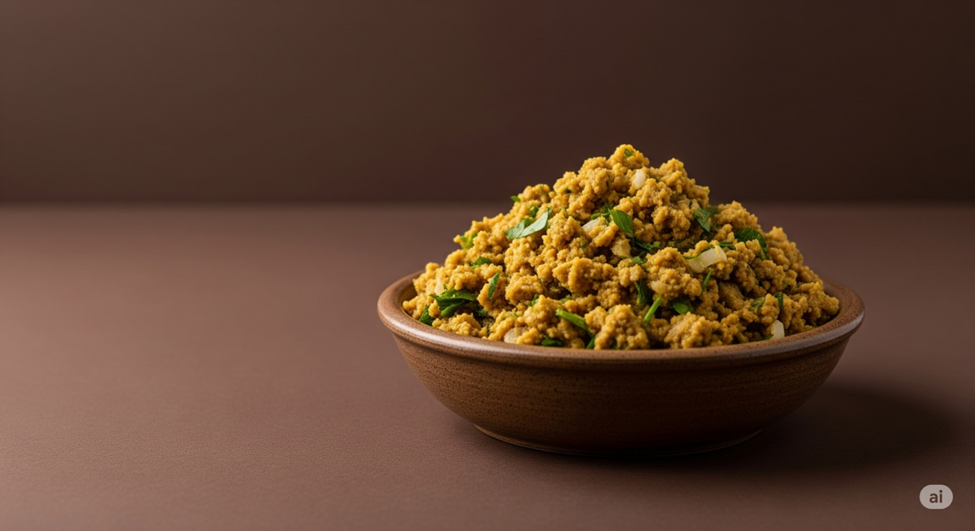
In a food processor, put:
- 1 cup chickpeas, soaked (drained)
- 1 chopped up onion (small)
- The garlic: 2–3 cloves
- Half a cup of fresh parsley
- A 1/4 cup of fresh mint (optional)
- 1 tsp of cumin powder
- 1/2 tsp red chilli flakes / Aleppo pepper
- To taste salt and pepper
- A little baking soda
Blend till they turn into a rough paste. You are supposed to be able to roll it into the
shape of a ball. Test the mixture by squeezing a bit of it in your hand, and correct it
by adding 1–2 tablespoons of chickpea flour or common flour in case it’s too wet or
crumbly.

Put the Mixture to Rest
Post the mixture to a bowl, cover and leave it to rest for 30–60 mins in the fridge. This
aids it in becoming firm and absorbing flavours
Fry and Shape
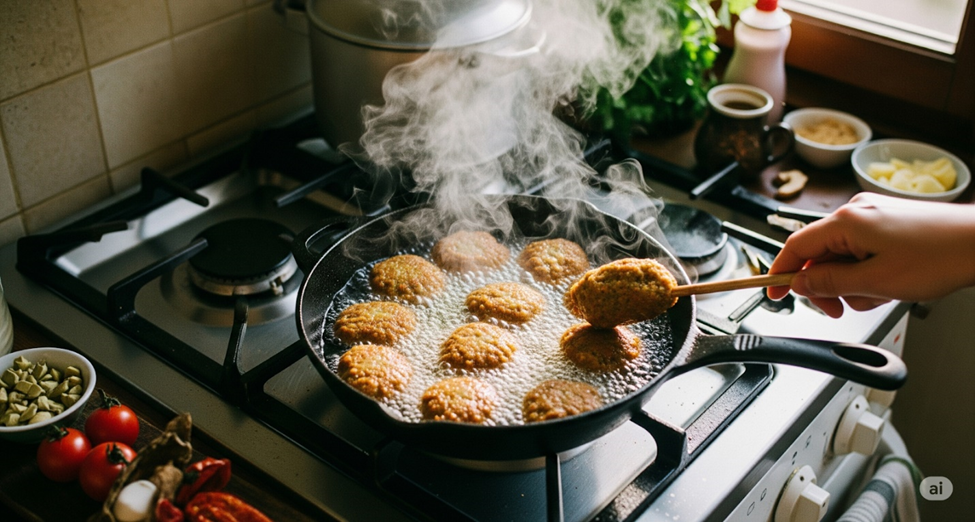
- Shape the mixture into small balls or disks, around 1.5 inches wide. You may make it by hand or with a falafel scoop
- In a deep pan, fry oil on medium heat. Then turn the heat on high and once hot (about 170–180°C or 340°F), slide in a few falafels at a time and fry 3–4 minutes on each side till deep golden and crispy. Wipe with a paper towel

Plate and Garnish
Serve smoking hot with:
- Tahini–yoghurt sauce (or plain tahini)
- Chopped iceberg-type lettuce, tomato and cucumber sanctions
- Pita bread/flatbread
- Turnips or pickled onions, Lemon wedges
- Add some chopped parsley or sumac before serving
Any good falafel with wraps or lunchbox or as the main dish accompanied with
herbed rice or Mediterranean chickpea dish like bulgur pilaf is a good
accompaniment. And to make it even healthier, oven-baked chickpea koftesi for a
healthy dinner is a great low-oil version, still the taste remains unaltered.