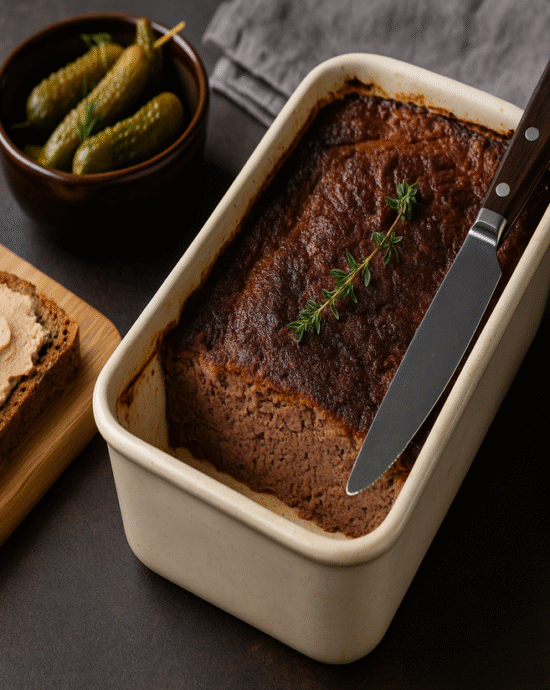

Let’s be honest, liver pâté isn’t the kind of thing that makes everyone’s eyes light up at first glance. But in Denmark, Leverpostej isn’t just “some spread.” It’s the spread. A part of childhood lunchboxes, weekend smørrebrød, holiday tables — and yes, even midweek dinners when comfort is all that matters.
It is rich, soft and earthy, and it also reminded me of a warm blanket on a side of Russian rye bread. Cold or hot and sometimes garnished with either pickled beets or crunchy fried onions, Leverpostej does not appear to be a very fancy dish, yet it has decades of history, tradition, and flavour behind its back.
I did not have it growing up, but the moment I tried homemade Leverpostej, I got an idea of something that had been missing in my winter culinary repertoire all this time, something that was soulful and wholesome.
A Little Bit on the History of This Filling Danish Classic
Leverpostej was stirred in the Danish kitchens by the end of the 1800s, and it is also based on the style of French and German liver pate. But the Danes, as you know, have turned it into something of their own- quieter and more peasantry, and with a much more countrified respect and complacency built into it, and assimilated to the everyday.
It has been popularised initially in Copenhagen bakeries, when people used to queue to get a piece of it still hot out of the oven. Eventually, it acquired the status of a household name nationwide. By the mid twentieth century, it had its little canister in almost every Danish kitchen refrigerator, probably purchased in the store, but lovingly prepared
To this day, it is still one of the most popular spreads in Denmark- consumed during lunches, as well as on general holidays. This may not seem dazzling, but it has pride of place in the Danish table.
Ingredients
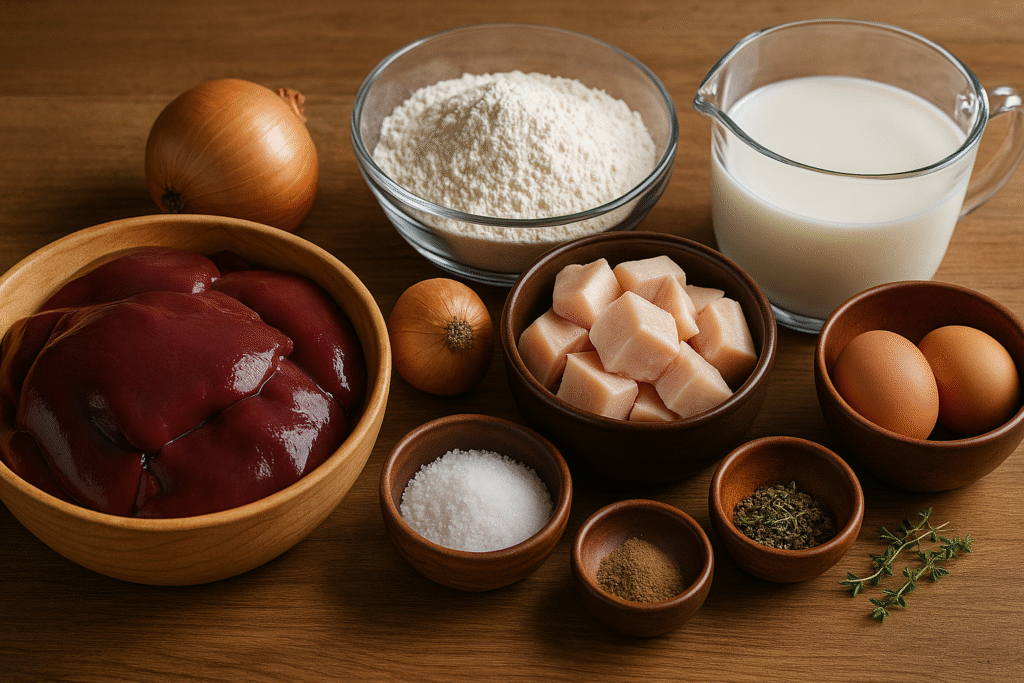
- 500g pork liver
Substitute: Chicken liver if you want something milder
- 200g pork fat or lard
- Or just use butter or a mix of butter and olive oil
- 1 medium onion, roughly chopped
- 100g all-purpose flour (to bind)
- 300ml milk (whole milk for richness)
Dairy-free? Try unsweetened oat milk or nut milk, though the texture may vary
- 1–2 eggs
- 1½ tsp salt
- ½ tsp pepper
Optional: a pinch of allspice or thyme for deeper flavour
When to Make Leverpostej
- Leverpostej is especially popular in Denmark:
- During Christmas lunches (Julefrokost)
- As a cosy winter dish
- In open-faced sandwiches for everyday lunch
- As a starter at dinner parties, with warm rye and a pickle tray
- Even at breakfast, for those who grew up with it — yes, really!
- It’s best made a day ahead, so the flavours have time to settle
Instructions
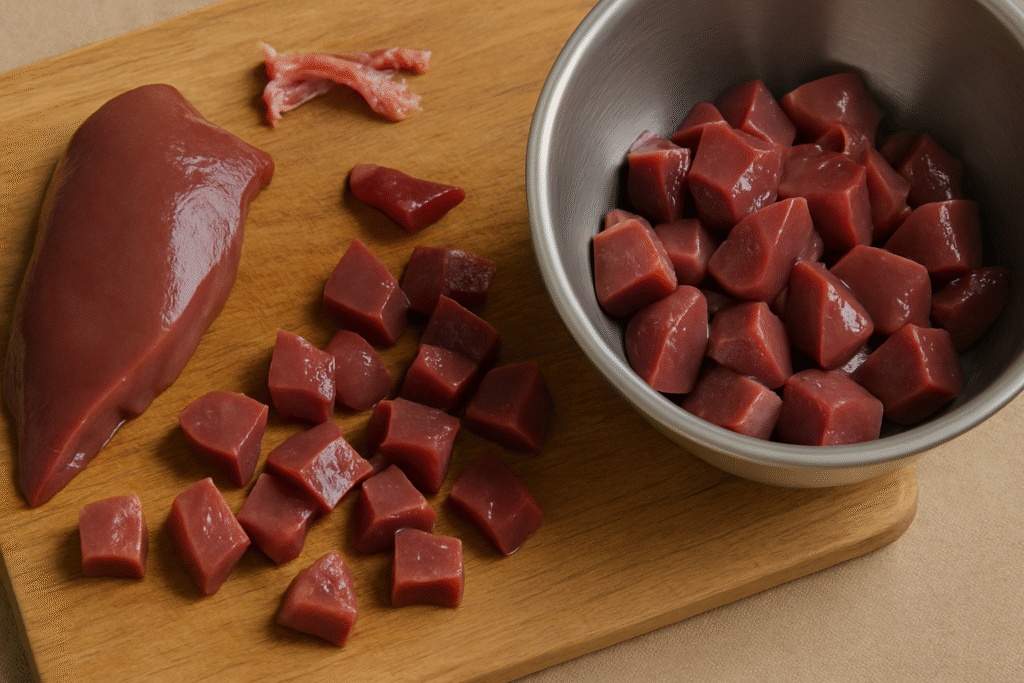
Step 1: Wash the pork liver after pouring cold water. Cut out all sinew or hard pieces. Cut it into small bits roughly so that it is easier to blend
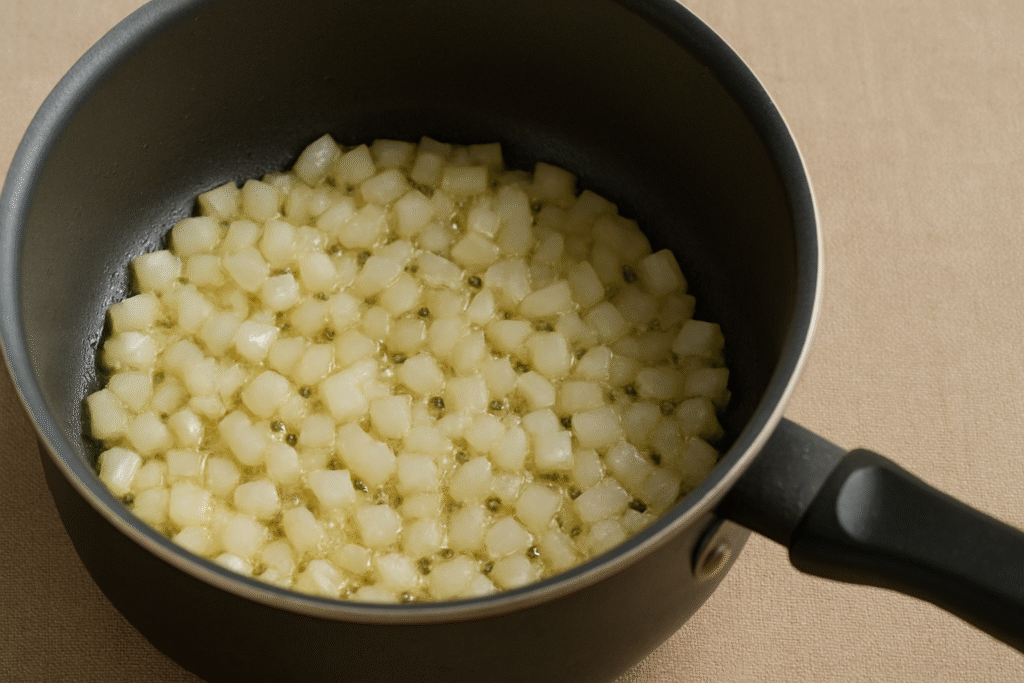
Step 2: Into a pan, pour some of the pork fat or butter. Cook chopped onion until it becomes soft and transparent (not browned). Allow it to become a little cooler

Step 3: Put into a blender or a food processor:
- Pork liver
- Sautéed onions
- Remaining pork fat or butter
- Milk
- Flour
- Eggs
- Salt, pepper and spices
- Mix and make liquid and creamy like cake batter thick.
Hint: If the mixture feels too thick, just stir in a splash of milk to loosen it up
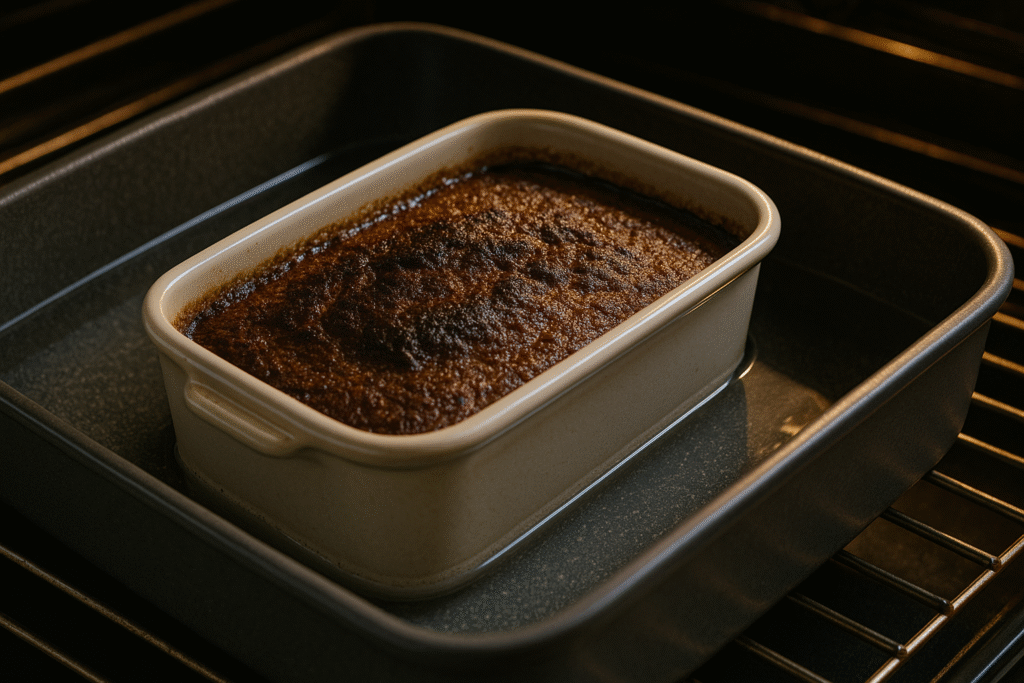
Step 4: Preheat your oven to 175°C (350°F) befor e bakingPour the batter into a greased loaf pan or ceramic terrine dish.
Place the filled pan inside a larger roasting dish. Pour hot water into the outer dish until it reaches halfway up the side. By doing this, it creates a gentle water bath, preventing it from drying. This procedure prevents the pate from drying out or cracking
For richness, use all butter. For depth, try a 50/50 mix of butter and olive oil
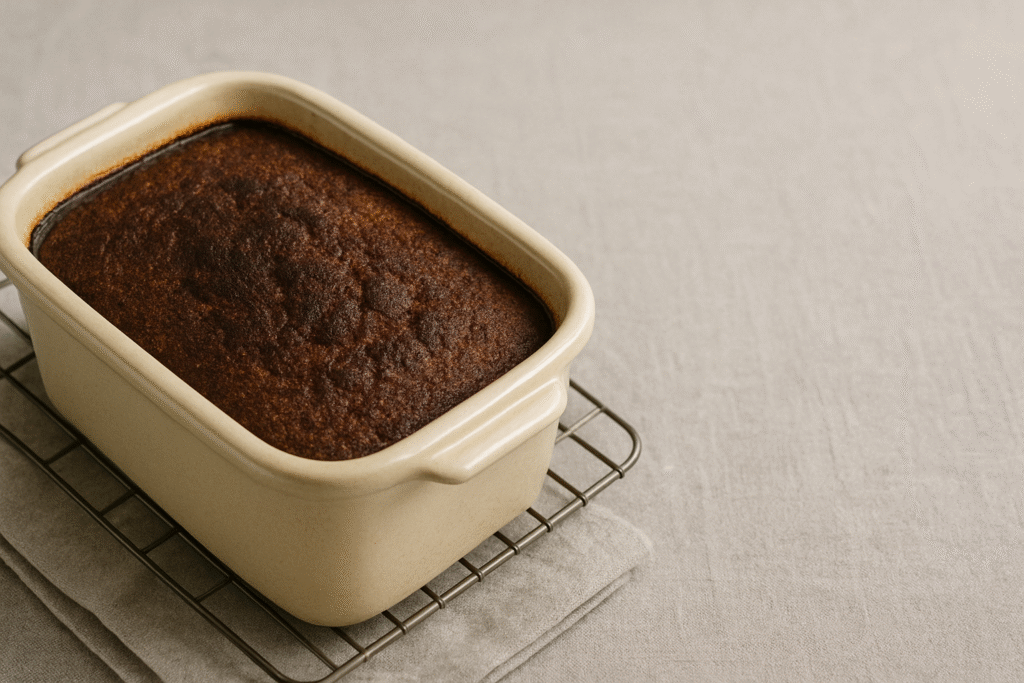
Step 5: Take it out of the oven and leave it to cool off. Refrigerate 4 hours or more (overnight is best)
It can be eaten cold or warm, by reheating in the oven with slices
Serving Tips

- Pickled red beets
- Fried onions
- Sliced pickles
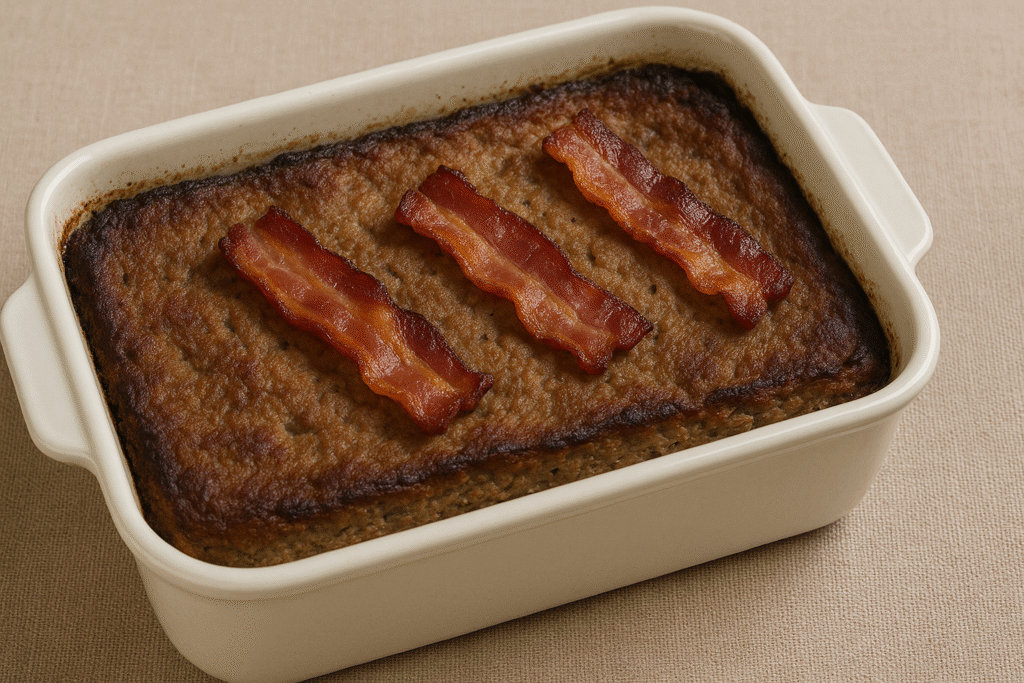
Optional add-ins: Crispy bacon and sautéed mushrooms for a savoury boost.
- The cold version is smoother and great for lunch
- Warm version is more welcoming, to spend some cold evenings
- It is an excellent accompaniment with smorrebrod boards and it goes well with cheeses, meats and garnishing
Precautions
- Don’t skip the water bath. Without it, the texture turns grainy and dry
- Use fresh liver. If it smells too strong, it’ll overpower the dish
- Don’t overbake. Keep an eye on it – once the top firms up, it’s done
- Let it rest. Freshly baked Leverpostej is too soft to slice properly. It needs a chilling time.
- Avoid too much seasoning. Let the liver and onions shine and keep the spices subtle.
More About Leverpostej
Leverpostej isn’t loud. It doesn’t arrive on the table with garnish piled high or any grand announcement. But it stays. In your memory. In your cravings. In the way, it makes a simple piece of rye bread feel like home
It’s old school, yes. Maybe even a little misunderstood outside Denmark. To people familiar with it, though, it can be comfort food. That brings back to the memory of frigid winters and toasty kitchens, of second helpings that nobody could see
So give it a try — slow down, blend it up, and bake it with love. Maybe, just maybe, you’ll find a new kind of comfort food hiding in that loaf pan.