
Food is something sacred that not only nourishes the belly but does something to the soul. We can hardly think of a better dish that evokes the food as the solution, than Hangi in New Zealand, where the form of a traditional Maori cuisine draws people, the land, and the history altogether in one, smoky, steaming dish
This is not fast food. It is not even slow food. It is home food, food prepared with a certain reverence for nature and establishment that is shared between the cook and is contained within each mouthful
A Bite of History That Was Buried with the Earth
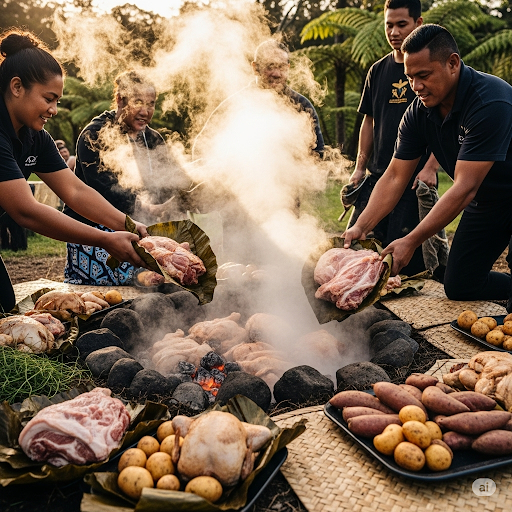
Hangi is over a millennium old. Before ovens, stoves or even pots, Māori communities had only what was available; they used blocks of hot stones, earth and time to cook their food. They dug big holes, heated rocks in volcanoes until they were hot, then they placed these rocks in the holes to steam their resources, which were buried in the ground. The result? A deliciously smoky, smelly, and food-like feast
In earlier days, the food was wrapped in leaves like puka or flax. Today, it’s often wrapped in foil or placed in wire baskets lined with wet cloths or sacks, but the magic remains the same. The method hasn’t changed — it’s still the earth doing the cooking.

You don’t need a fancy shopping list — the beauty of a Hāngi lies in its simplicity and its generous spirit.
- Meat: The most used are lamb, chicken and pork. In this instance, bone-in cuts work well as they maintain moisture and flavour
- Vegetables: The rich foods are kumara (sweet potato), pumpkin, cabbage, potatoes, carrots and onions
- Stuffing: And there is the occasional herby bread stuffing or the classic steamed pudding, as well as a further comfort food to add to the mix
- Optional ingredients: The seafood may also be incorporated into it, or even make boiled dumplings using flour and water
Substitutes
Leaves of flax (traditionally used to wrap the dish) can be substituted with cabbage leaves or banana leaves to get an easier-to-reach, earthy smell
In case of a lack of kumara, orange sweet potatoes may be used.
When to Prepare
Hangi is occasionally reserved for special occasions, such as weddings, funerals, tribal assemblies (hui), or holidays in the country, like Waitangi Day. It is not a daily food. It is the food you can prepare when the family gathers, when the stories are told and when the clock does not matter
Even in contemporary urban settlements, people still manage to reconstitute the same, but in some cases using steel steam boxes or patented electric Hangi cookers. However, the old way, the pit, the stones, the earth, still holds more universal significance.
Instructions
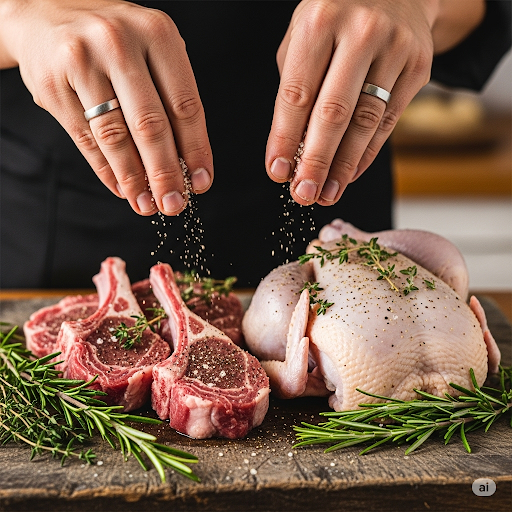
Step 1: Salt, pepper, and herbs such as rosemary or thyme season lamb chops or cut up chicken. Soak overnight, if at all possible
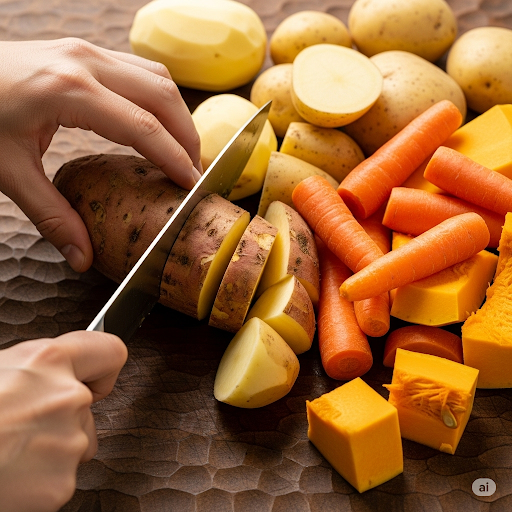
Step 2: Peel kumara, potatoes, carrots and pumpkin and cut them into big pieces
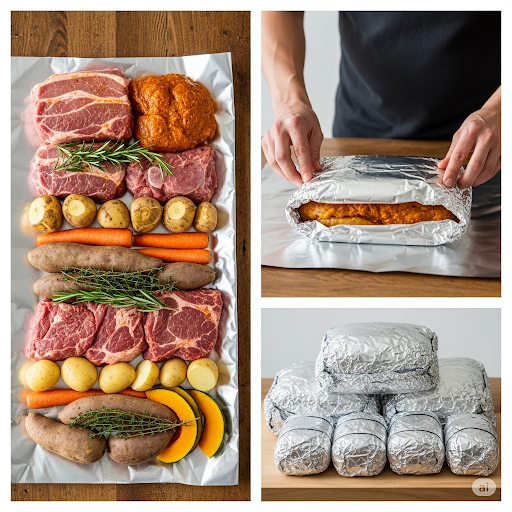
Step 3 : Put the vegetables and meat on the foil (or use a roasting pan and cover with foil). Should it be cooked in the oven or saturate a piece of cloth and then put that on top of it if that is the case

Step 4 : Braise at 160 (320) in the oven until everything is nicely tender and smells like a warm campfire hug, or so, hopefully, around 3-4 hours
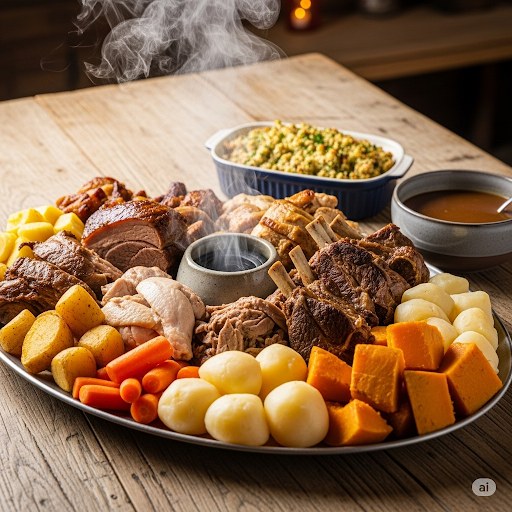
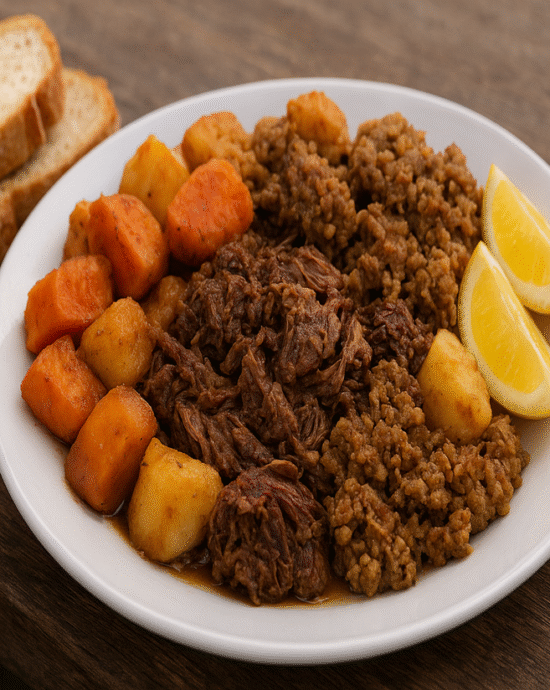
Step 5: Pile it high on a plate. Add a spoon of stuffing or even gravy if you like. Don’t forget to invite someone to share it with — this meal tastes better with company
Serving Tips
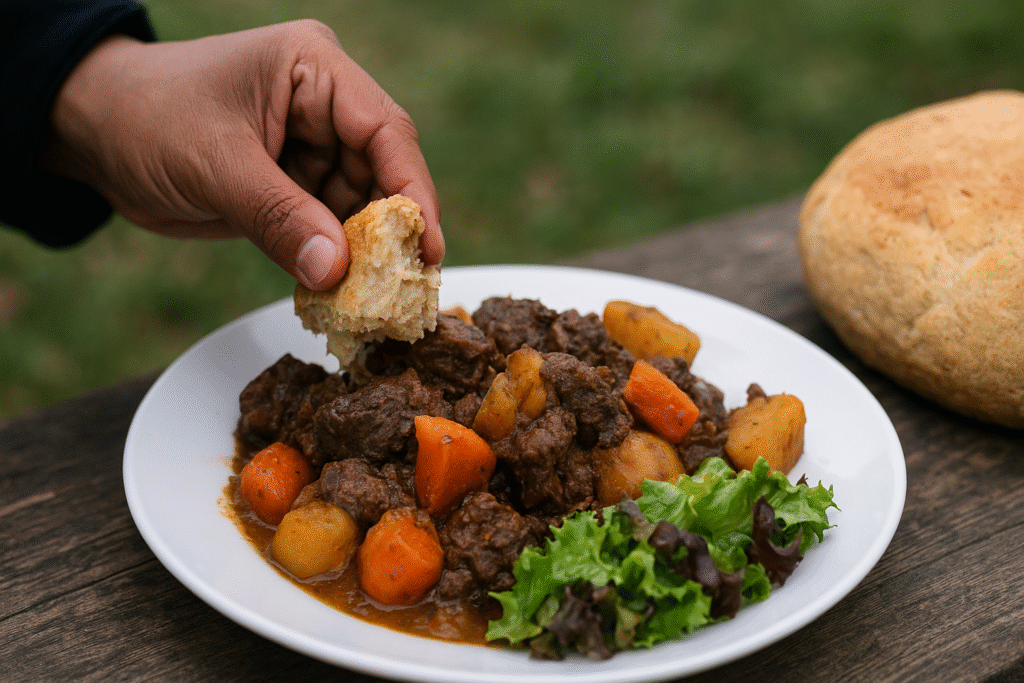
- Use your hands when eating when dining out with family or with close friends, they are country food, there is nothing to be embarrassed about eating
- Serve with rewena bread (Māori sourdough potato bread) or a fresh salad to cut the richness of the meat and root vegetables
- They liked best when it was outdoors, under the sky as in earlier times
Precautions
- When you make a true Hangi, never use rocks that you find in a river, as you do, a volcanic rock will last longer, but it shouldn`t explode under the pressure of heat
- To protect kids and pets, do not allow them too close to the cooking pit which may be deadly hot long after the meat is cooked
- When cooking using a current oven technique, everything should be covered up well so that the steam could be stored in it, otherwise there would be no taste of the H22 capital increase
More About Hangi
Hangi is not just a meal it is a call to pause, to bond and to dinner tradition. It is a style of cuisine that creates a meal to remember. And so, whether it be that you are in Rotorua being surrounded by geysers and steam or in your own back yard far across the waters of New Zealand, Hangi brings you into the very center of Aotearoa with every tender bite
Kia ora — and enjoy your feast.