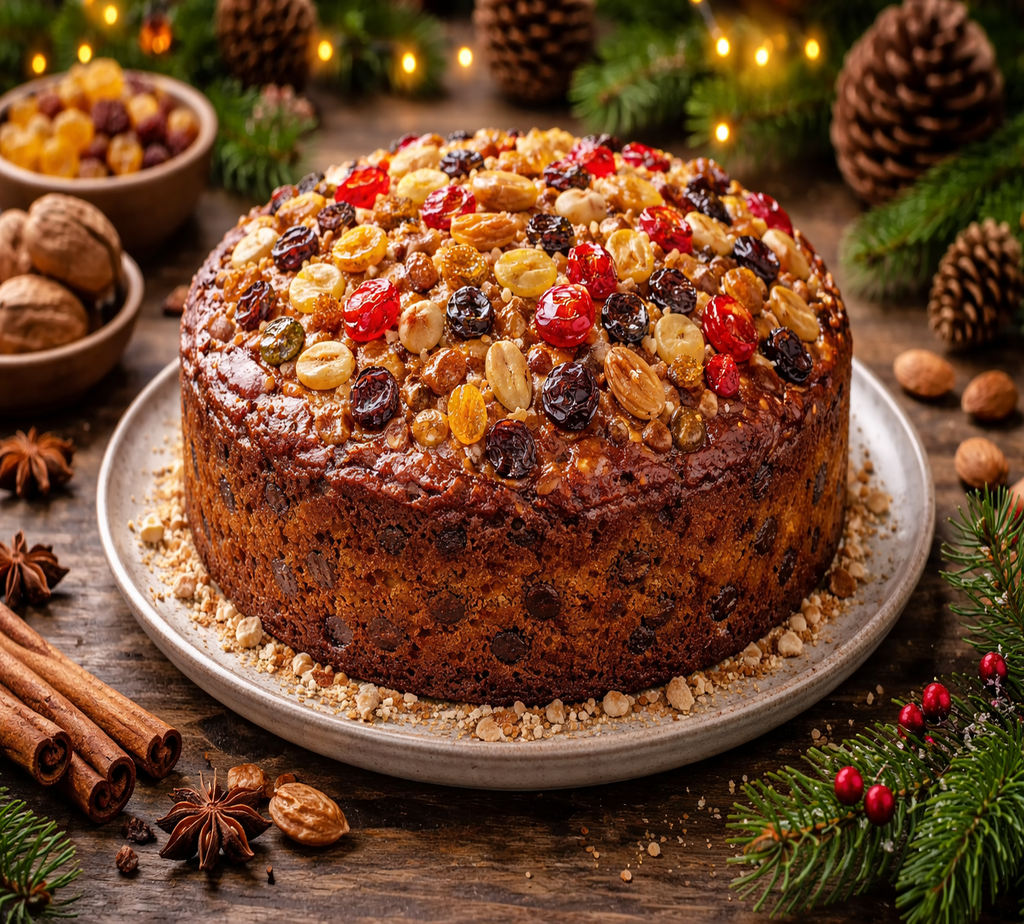
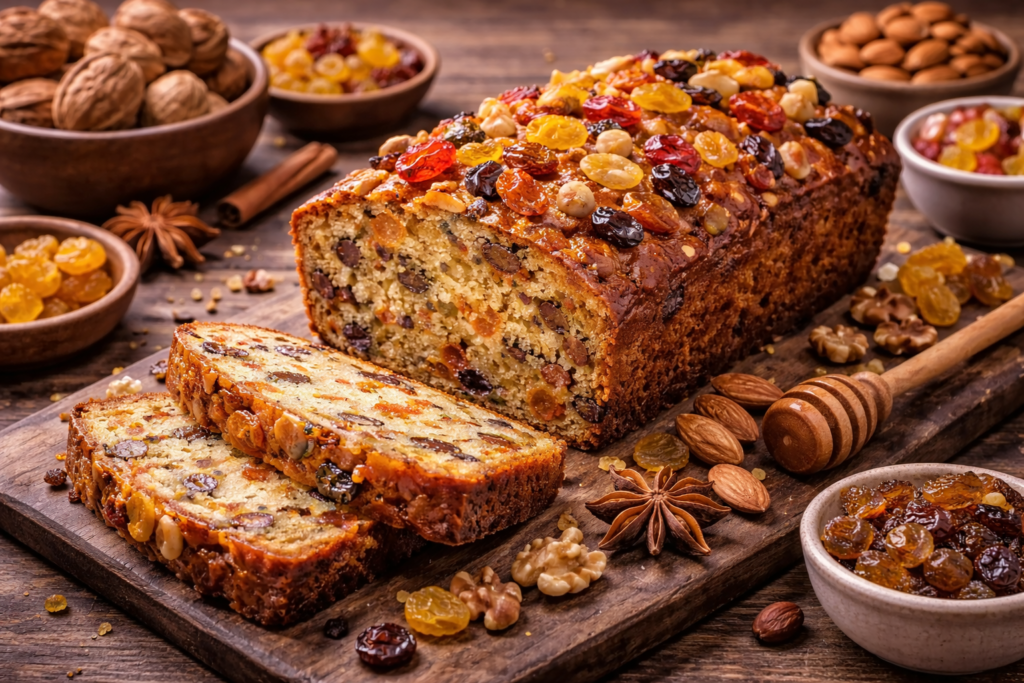
The enchantment of fruit cakes creates a special experience. The timeless dessert makes use of spices and soaked dry fruits and deep flavour development, which occurs throughout its ageing process. The Great Fruit Cake Foundation depends on both its recipe and the method used to prepare dry fruits. The proper soaking and chopping of dry fruits together with appropriate spice and fat distribution create a festive cake which exceeds ordinary cake standards. The different fruit cake varieties from Classic Christmas Fruit Cake to Caribbean Black Cake showcase different cultural traditions and festive events, which require time to develop. The most crucial process must be mastered before we start analysing individual cakes.
Preparing Dry Fruits the Right Way
Dry fruits need attention before they enter the batter. This step makes all the difference.
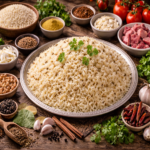
Basic Soaking Method
- Cut big fruits into equal pieces, which include dates, figs and apricots
- Combine the ingredients, which include raisins and currants, candied peel, cherries and nuts
- You should soak the item using rum or brandy, orange juice, or apple juice
- The items need to stay in their position for more than 24 hours, but they can remain for several weeks
- You need to stir the mixture from time to time because it helps achieve complete absorption of the contents
- This soaking softens fruits, deepens flavour, and prevents dryness during baking
Now let’s explore each cake.
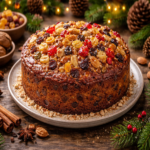
Classic Christmas Fruit Cake
History
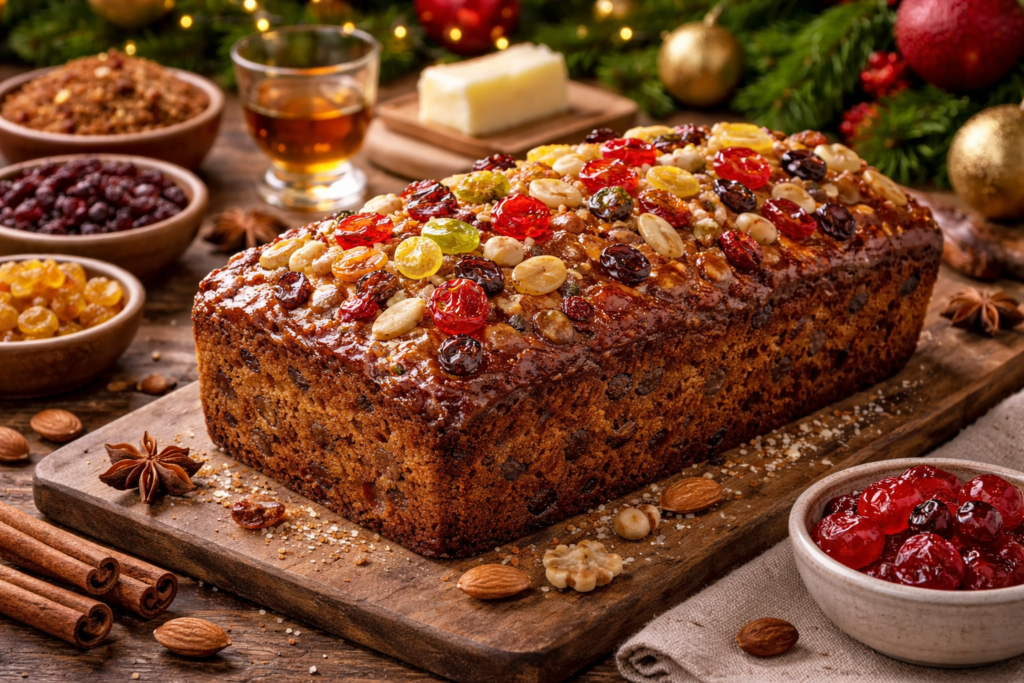
The Christmas fruit cake dates back to medieval Europe, when dried fruits and spices were luxury imports. British and European households developed the recipe throughout centuries, with special emphasis on winter holiday times. The cake symbolised abundance because dried fruits were expensive. It became tradition to soak fruits for weeks in advance and age the cake for a deeper flavour.
Ingredients
- Raisins
- Currants
- Candied peel
- Cherries
- Almonds
- Flour
- Butter
- Brown sugar
- Eggs
- Brandy or rum
- Mixed spices (cinnamon, nutmeg, cloves)
Preparation
- Soak fruits in brandy for at least 48 hours
- Cream butter and sugar until fluffy
- Add eggs one at a time
- Fold in flour and spices gently
- Mix in the soaked fruits evenly
- Pour into a lined tin
- Bake slowly at a low temperature for 2–3 hours
- Brush with extra brandy after cooling
Tips
Always coat fruits lightly in flour before adding to the batter to prevent sinking.
Serving Suggestions
Slice thinly. Serve with tea or mulled wine. Wrap tightly and age for better flavour.
Plum Cake (Kerala Style)
History
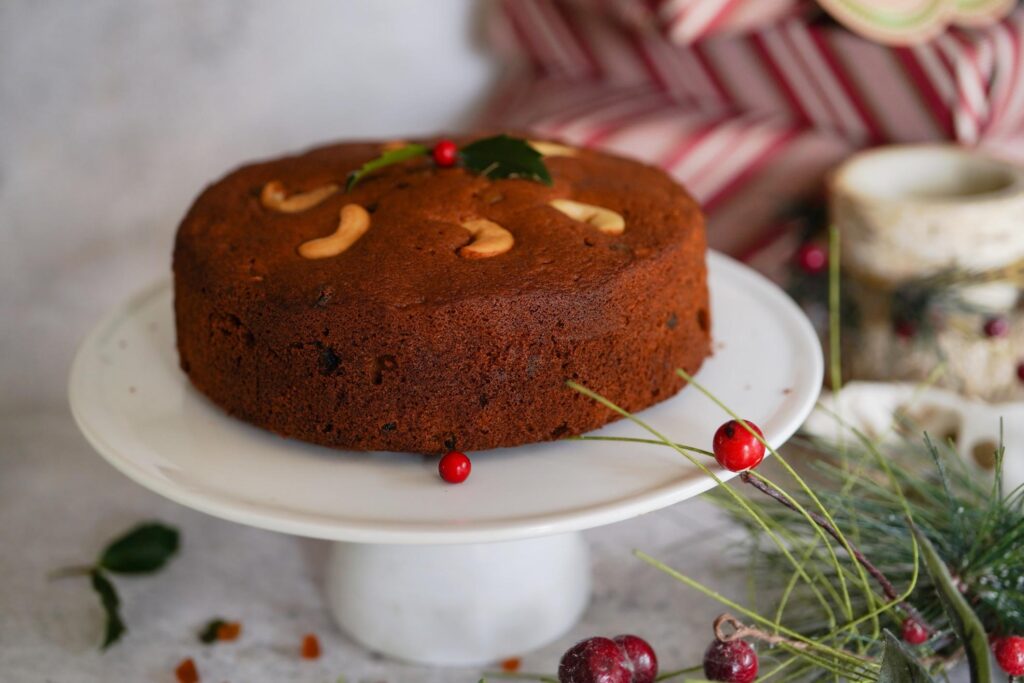
British settlers first introduced Kerala’s plum cake to the region, but local people changed the recipe by adding native spices. South India adopted the dessert as a Christmas tradition. The dessert obtains its distinct hue through the application of dark caramel syrup.
Ingredients
- Raisins
- Dates
- Cashews
- Orange peel
- Flour
- Butter
- Eggs
- Caramel syrup
- Cinnamon, cloves
Preparation
- Soak fruits in rum or juice
- Prepare caramel syrup separately
- Cream butter and sugar
- Add eggs, caramel, flour, and spices
- Fold in fruits and nuts
- Bake until firm
Serving Suggestions
Serve slightly warm. Pairs well with coffee.
Dundee Cake
History
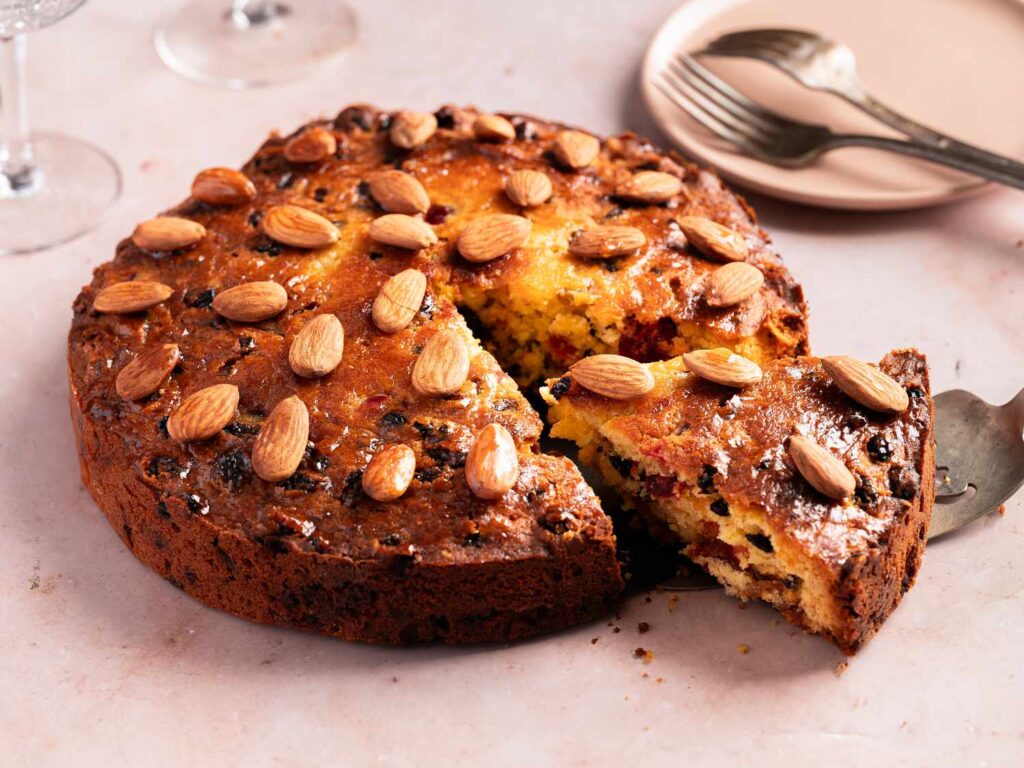
Dundee Cake became famous after its introduction to the world from Scotland during the 19th century. The dessert contains almonds arranged in a decorative circle, making it lighter than a traditional Christmas cake.
Ingredients
- Currants
- Almonds
- Orange zest
- Butter
- Sugar
- Eggs
- Flour
Preparation
- Soak currants lightly
- Cream butter and sugar
- Add eggs and zest
- Fold flour and fruits
- Arrange whole almonds on top
- Bake until golden
Serving Suggestions
Best enjoyed with afternoon tea.
Stollen
History
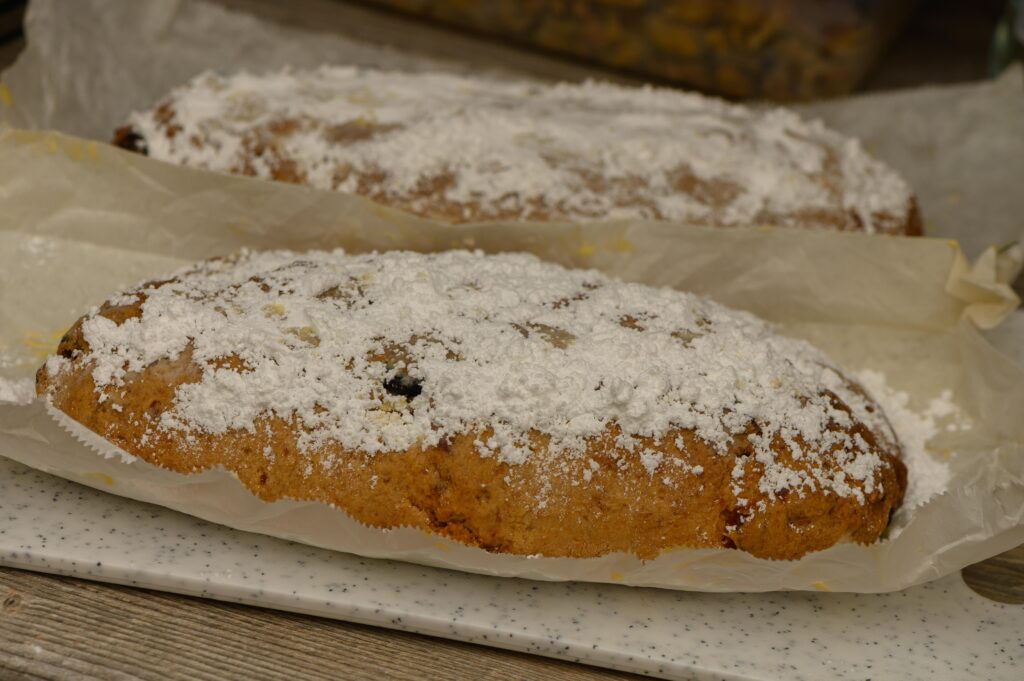
The German Christmas cake known as Stollen originated in Germany during the 14th century. The food appears more like bread than cake because it contains marzipan breading as its main filling.
Ingredients
- Raisins
- Candied peel
- Almonds
- Flour
- Yeast
- Butter
- Marzipan
Preparation
- Soak fruits in rum
- Prepare yeast dough
- Knead the fruits into the dough
- Shape around the marzipan log
- Bake and dust heavily with sugar
Tips
Let rest overnight before slicing.
Panettone
History
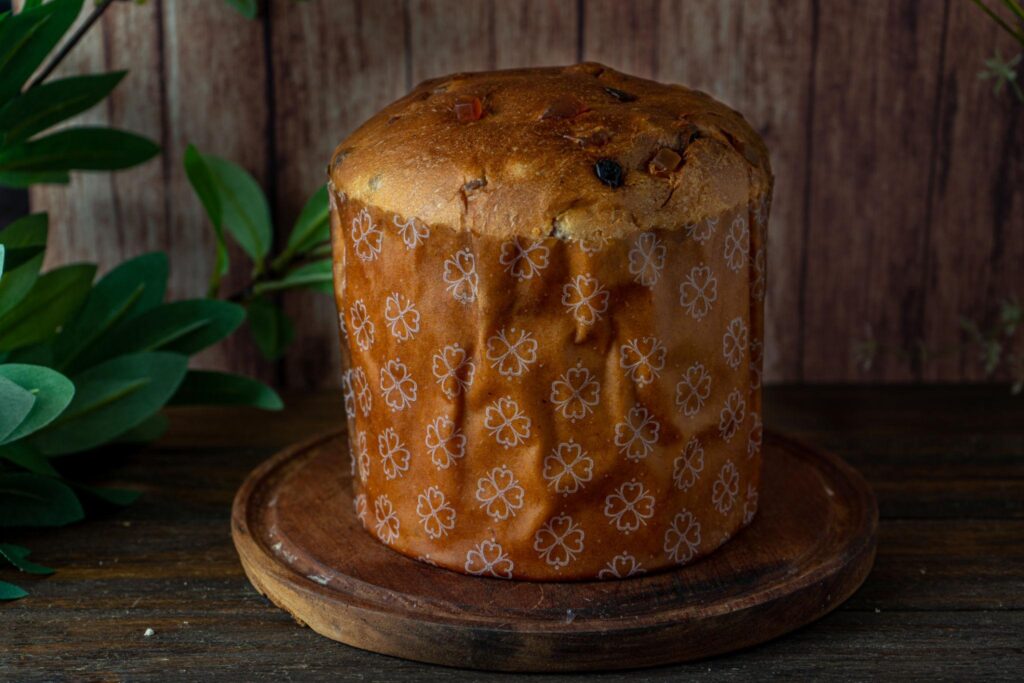
Panettone comes from Milan and is traditionally served at Christmas. Its tall dome shape and airy texture are iconic.
Ingredients
- Raisins
- Candied citrus peel
- Flour
- Yeast
- Eggs
- Butter
Preparation
- Soak fruits lightly
- Prepare enriched dough
- Knead until elastic
- Fold fruits gently
- Proof and bake in a tall mould
Serving Suggestions
Serve toasted with butter.
Black Cake (Caribbean)
History
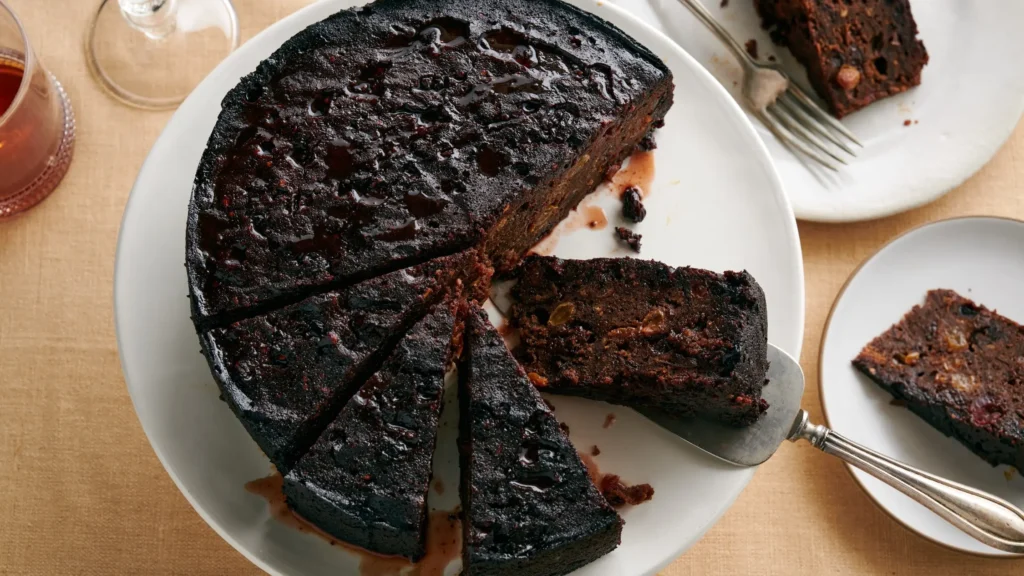
Black Cake evolved from British plum pudding but became richer in the Caribbean. Fruits are soaked for months in dark rum.
Ingredients
- Raisins
- Prunes
- Cherries
- Rum
- Brown sugar
- Molasses
- Eggs
Preparation
- Blend soaked fruits into a paste
- Cream butter and sugar
- Add eggs and molasses
- Fold in fruit paste
- Bake slowly
Tips
Age the cake for at least a week before serving.
Boiled Fruit Cake
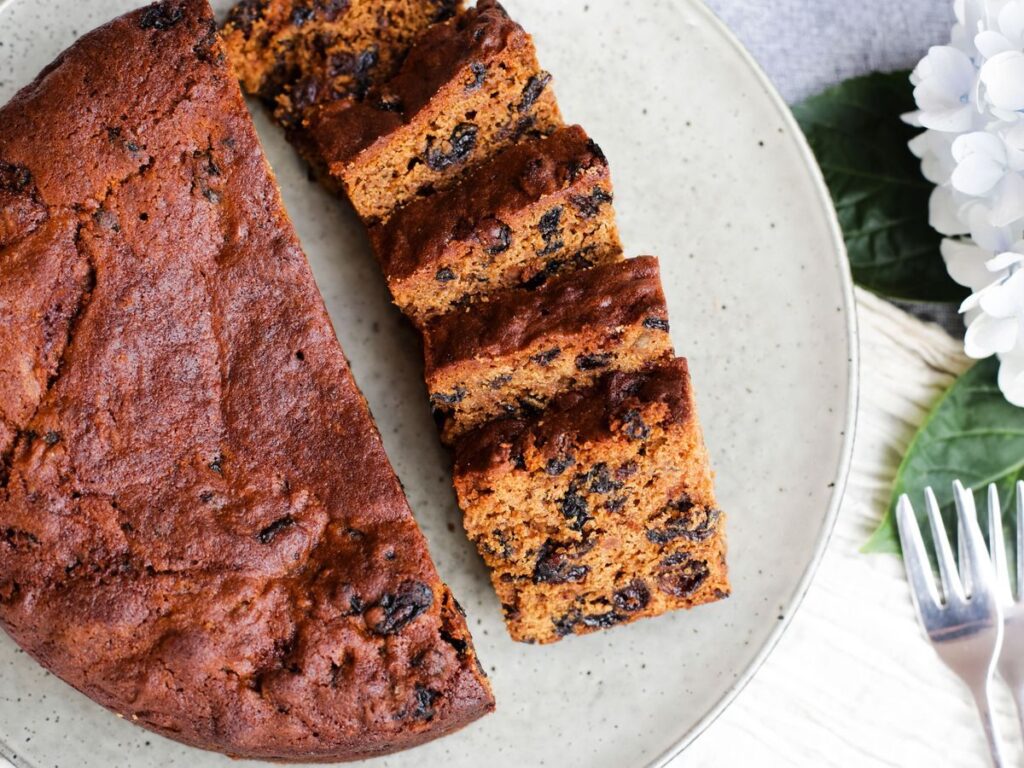
History
Popular in Australia and Ireland, this cake involves simmering fruits before baking.
Ingredients
- Mixed dried fruits
- Butter
- Sugar
- Flour
- Eggs
Preparation
- Simmer fruits, butter, and sugar in water
- Cool mixture
- Add flour and eggs
- Bake until firm
Serving Suggestions
Serve plain or with custard.
Light Fruit Cake
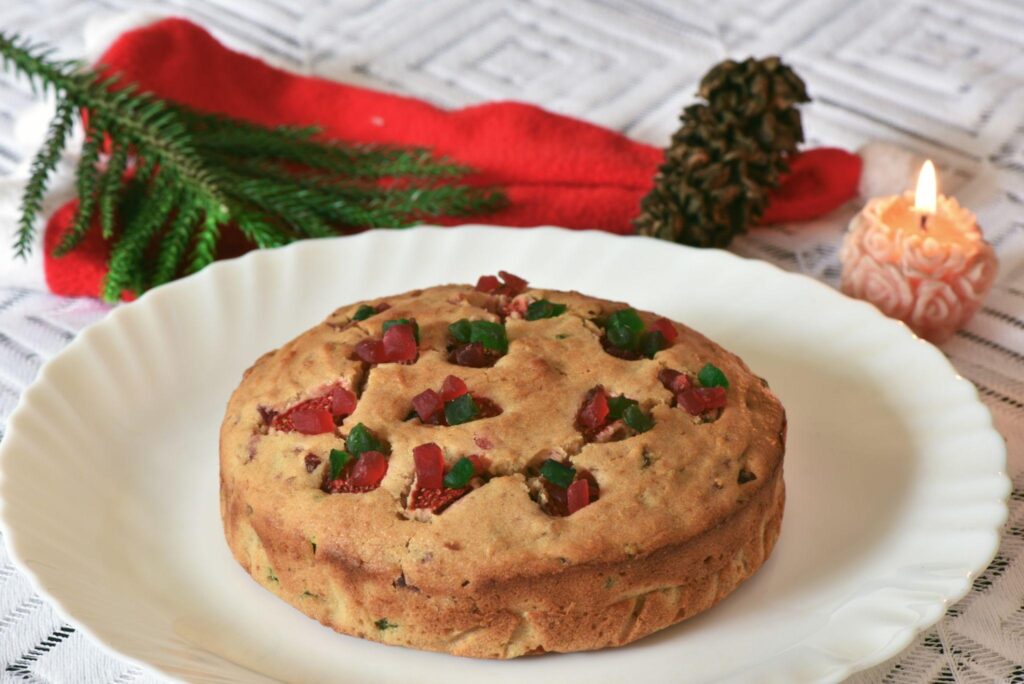
History
Created as a less dense alternative to dark cakes.
Ingredients
- Golden raisins
- Candied peel
- Butter
- Sugar
- Eggs
- Flour
Preparation
- Soak lightly.
- Cream butter and sugar.
- Fold fruits gently.
- Bake until golden.
Dark Fruit Cake
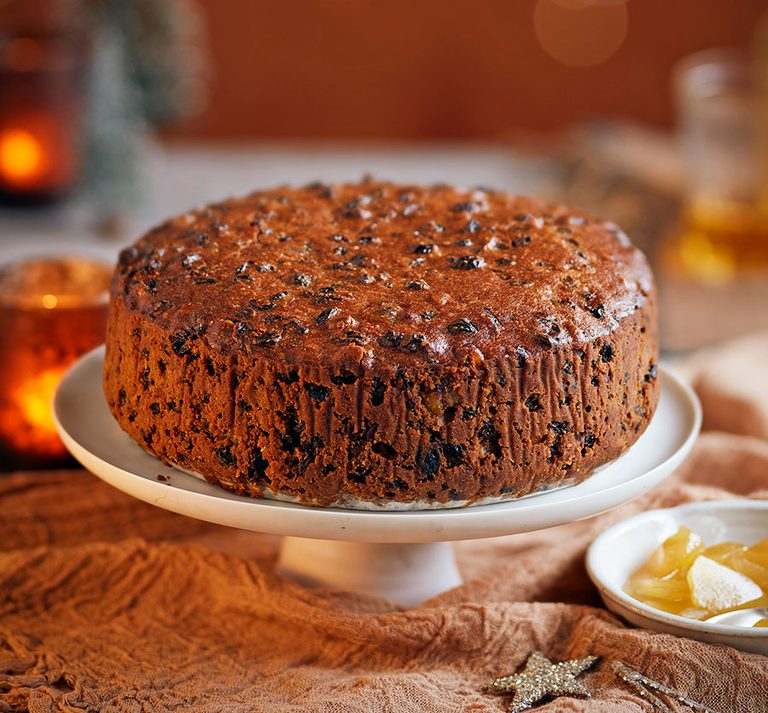
History
Heavily spiced and molasses-rich, traditional in colder climates.
Ingredients
- Raisins
- Molasses
- Brown sugar
- Spices
- Butter
- Eggs
Preparation
- Soak fruits deeply
- Prepare dark batter
- Bake low and slow
Date and Walnut Cake
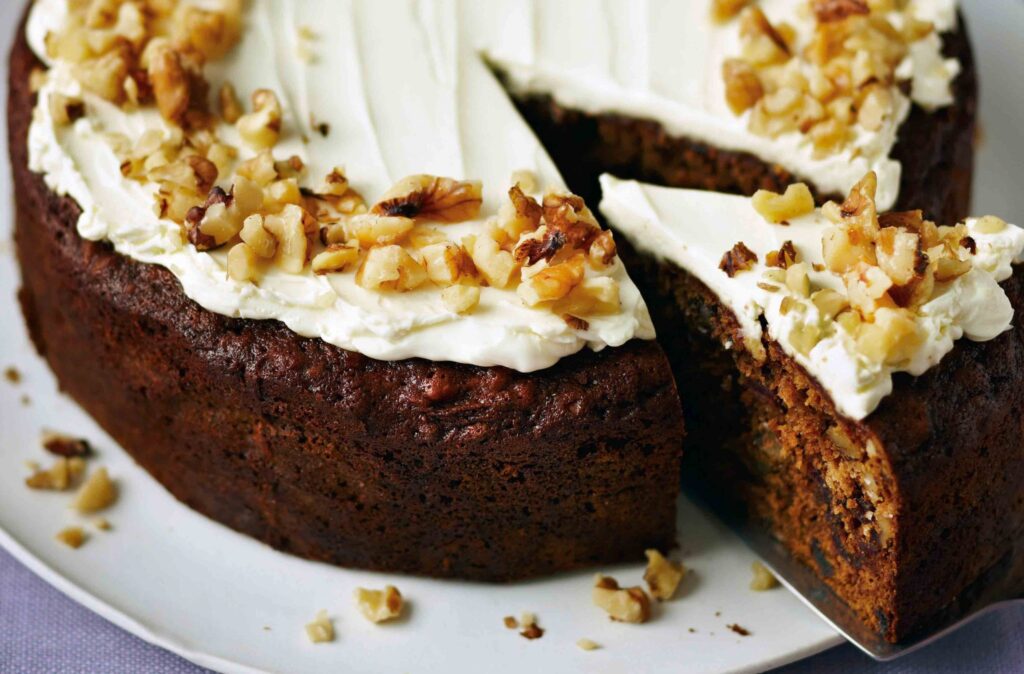
History
Popular in Middle Eastern and British baking traditions.
Ingredients
- Dates
- Walnuts
- Flour
- Butter
- Sugar
- Eggs
Preparation
- Soften dates in hot water
- Cream butter and sugar
- Fold in dates and walnuts
- Bake until moist
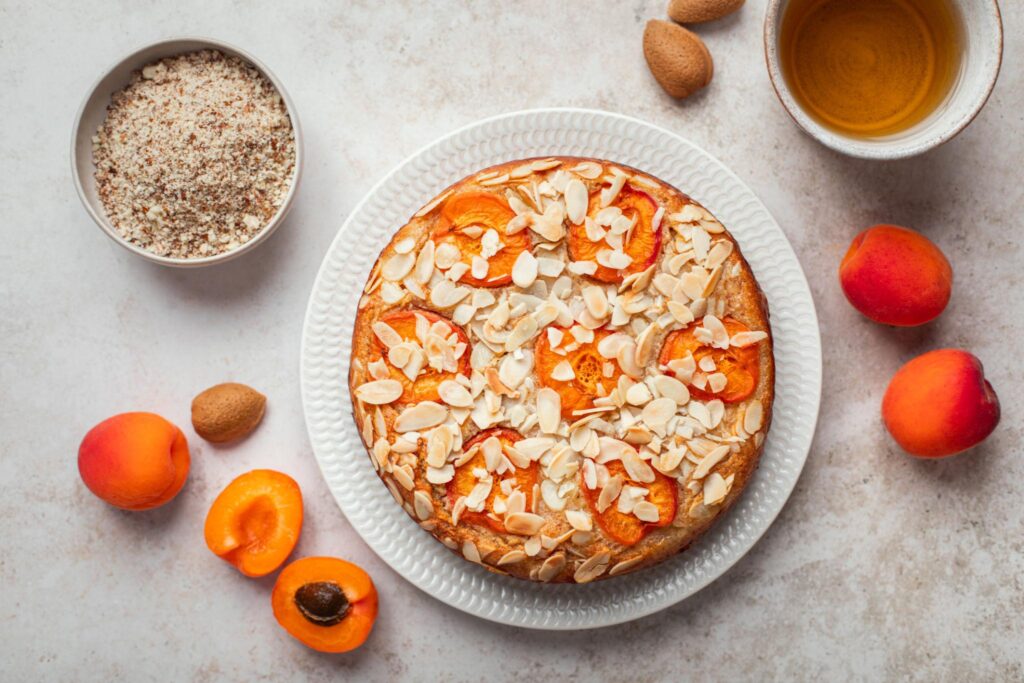
Apricot and Almond Cake
History
Mediterranean-inspired with bright flavours.
Ingredients
- Dried apricots
- Almond flour
- Eggs
- Sugar
- Butter
Preparation
- Chop apricots finely
- Mix the almond flour batter
- Fold apricots
- Bake until golden
Tips for Perfect Dry Fruit Cakes
- Always chop fruits evenly
- Coat the fruit lightly in flour before mixing
- Bake at a low temperature
- Line the tin properly to prevent burning
- Allow cakes to cool fully before slicing
Storing and Ageing Fruit Cakes
Fruit cakes improve with time. Wrap tightly in parchment and foil. Feed occasionally with alcohol if desired. Store in a cool place.
Conclusion
Properly preparing dry fruits is the foundation for rich, moist, and flavorful homemade cakes. Whether you’re baking a Classic Christmas Fruit Cake, Caribbean Black Cake, or simple Date and Walnut Cake, patience and care make all the difference.
So soak generously, bake slowly, and let time work its magic. Your kitchen will smell like a celebration.