

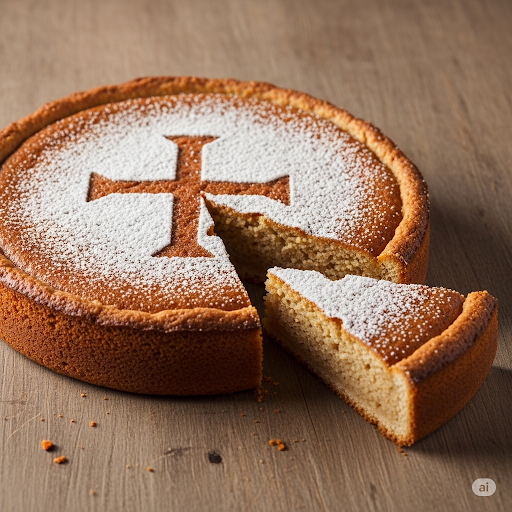
Let me tell you something — some desserts shout with cream, layers, chocolate fountains and the works. But others? They whisper with grace. Tarta de Santiago is exactly that. It’s a humble almond cake from Galicia, in the northwest corner of Spain, but trust me — it leaves a quiet impression you won’t forget
You know how every region has that one dish that feels like a warm handshake? That’s what this tart is to Galicia. It’s simple, yes — but every bite carries the weight of history, faith, and home baking
A Little Background — What’s the Story Behind Tarta de Santiago?
So, “Tarta de Santiago” literally means “Cake of Saint James” — yes, the very Saint James whose remains are believed to be buried in the Santiago de Compostela Cathedral. Pilgrims on the famous Camino de Santiago (the Way of St. James) often reach the city exhausted but glowing with purpose… and one of the local rewards waiting for them? This almond-laced beauty
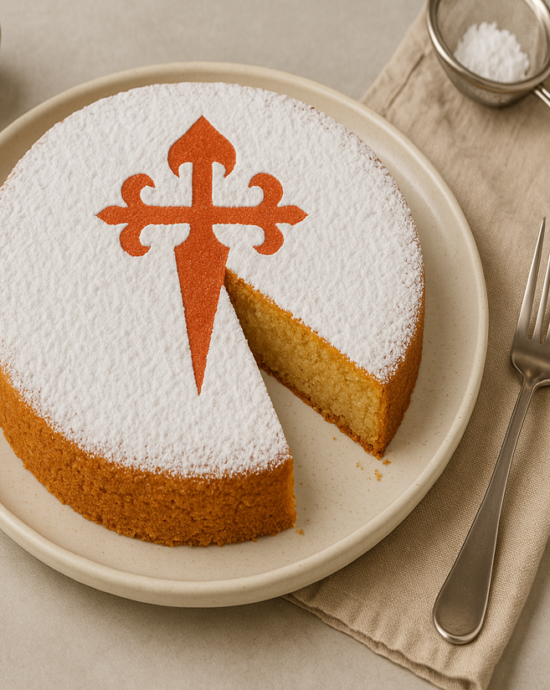
The cake goes back centuries — we’re talking medieval times — but it gained major popularity in the early 20th century when a local bakery began branding it with the Cross of Saint James in powdered sugar. That cross on top isn’t just decoration — it’s tradition.
Ingredients
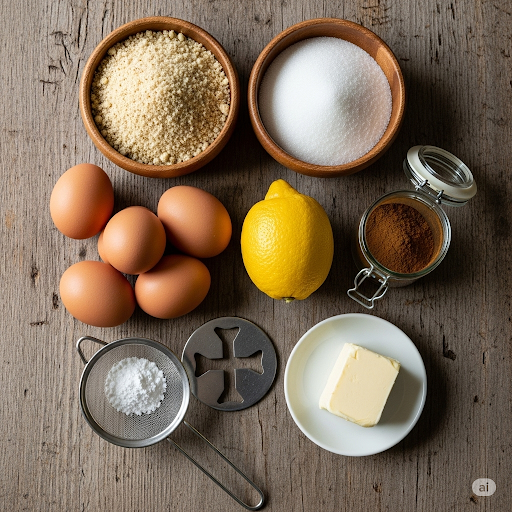
Here are our ingredients. You’ll be surprised how pantry-friendly this is:
- 250g (about 2 cups) ground almonds – or almond flour. No flour needed; it’s naturally gluten-free.
- 250g (1 ¼ cups) granulated sugar
- 5 large eggs
- Zest of 1 lemon – or orange zest if you like a twist!
- ½ tsp cinnamon (optional but highly recommended)
- Powdered sugar for dusting and the traditional cross design
- Butter – just a bit, to grease the pan
Substitute tip: No lemon zest? Use a dash of vanilla extract or even almond extract. It’s forgiving.
When to Make It
Honestly? This is a year-round kind of dessert. But it shines particularly around Easter, Christmas, or if you’re celebrating anything related to Spanish culture
It also just suits so well to teatime, a strong cup of coffee or some sweet dessert wine such as Moscatel.
Instructions
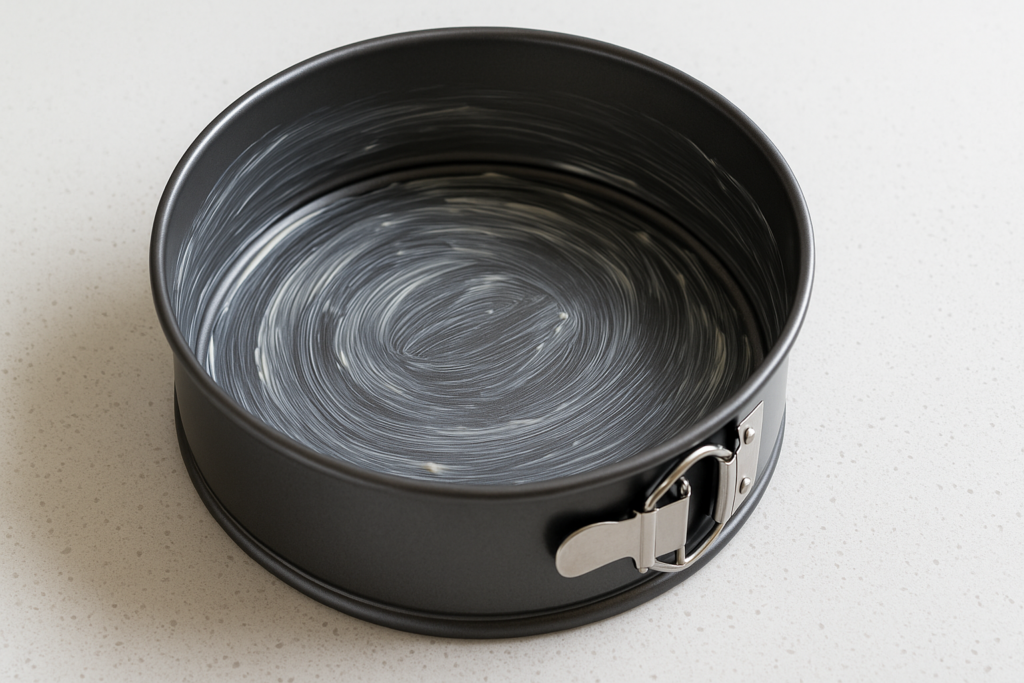
Step 1: Preheat your oven to 170 C 340 F and butter grease (with butter) a 9-inch (23cm) springform pan
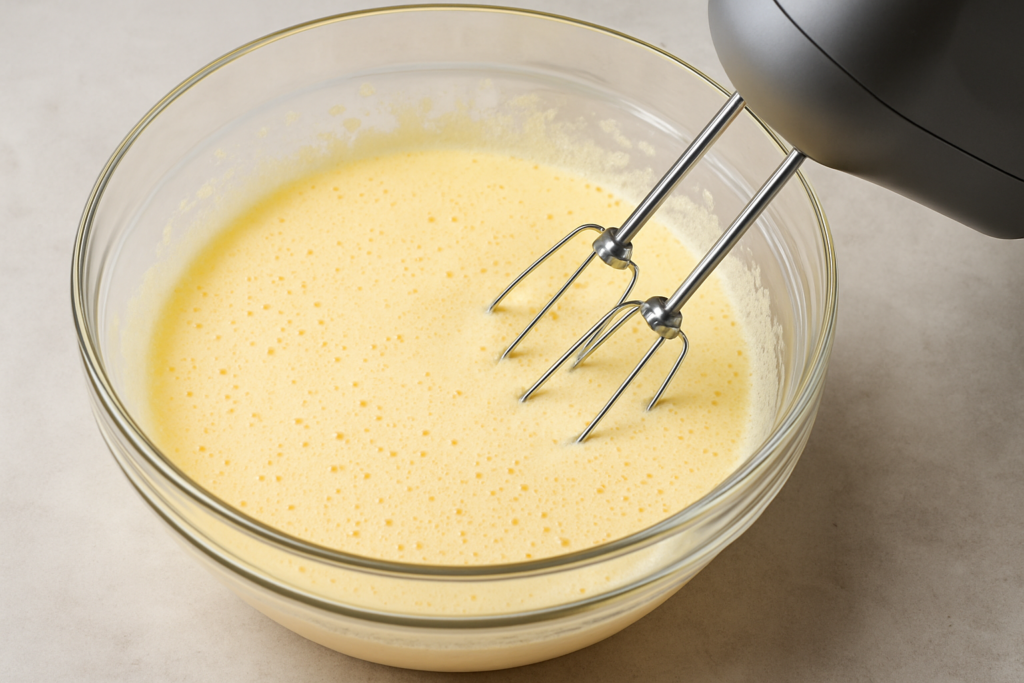
Step 2: In a big bowl using a mixer, combine the eggs with the sugar until it is all fluffy and just a bit frothy. No one has to go crazy only until they appear happy
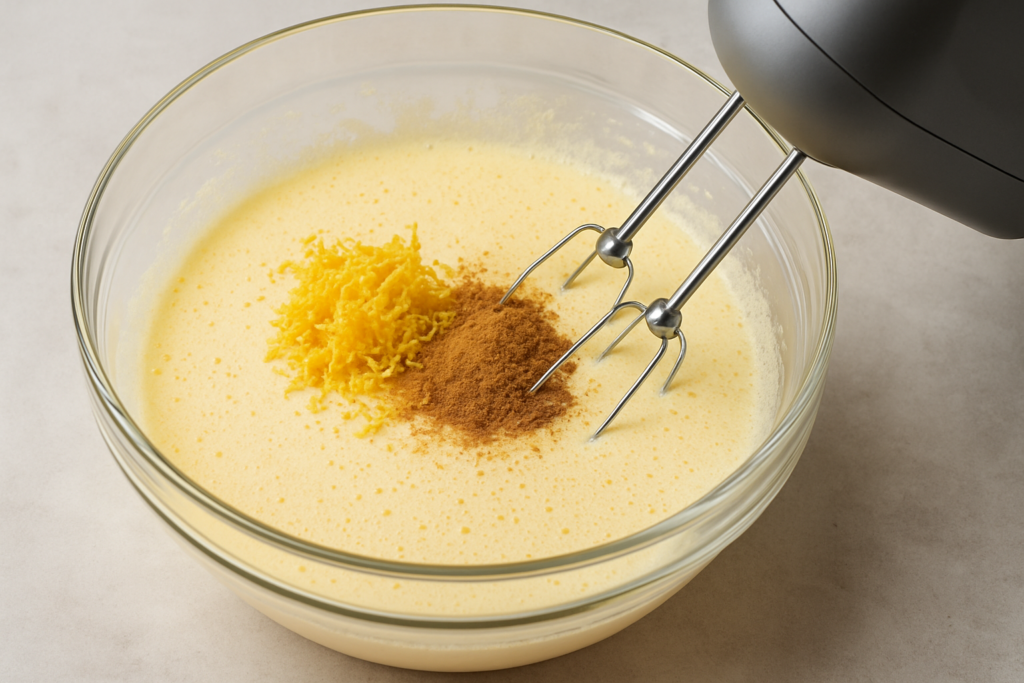
Step 3: Add the lemon zest and spice cinnamon and stir in
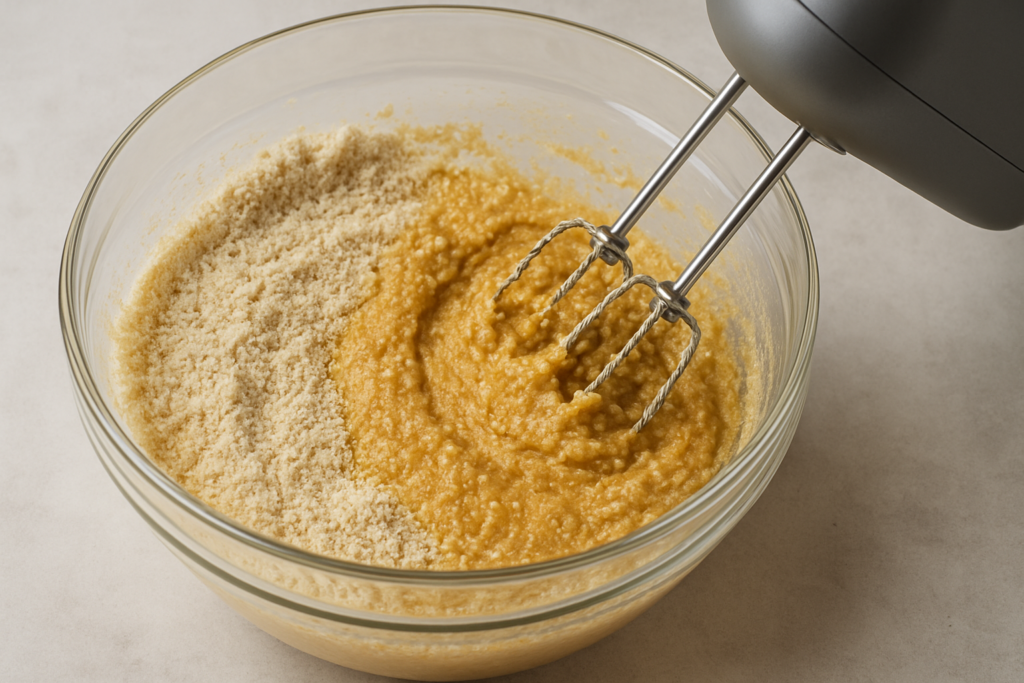
Step 4 : And then stir in the ground almond. Stir like hell until it all gangs up against you—one stubborn, sticky mass that won’t take no for an answer
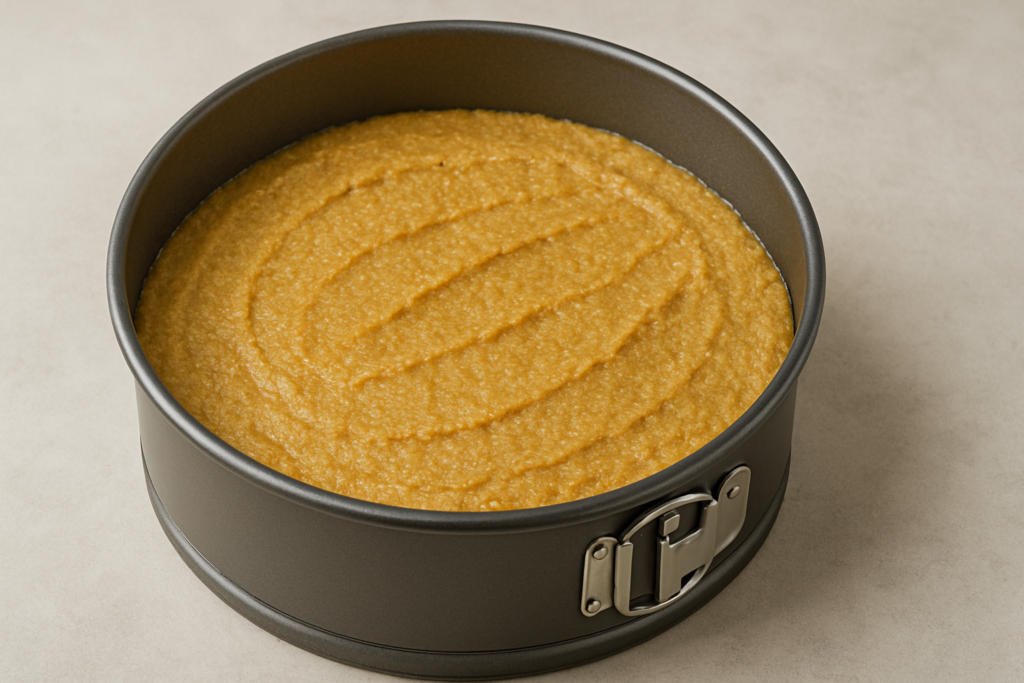
Step 5: Spoon the batter into the pan, and level off the top
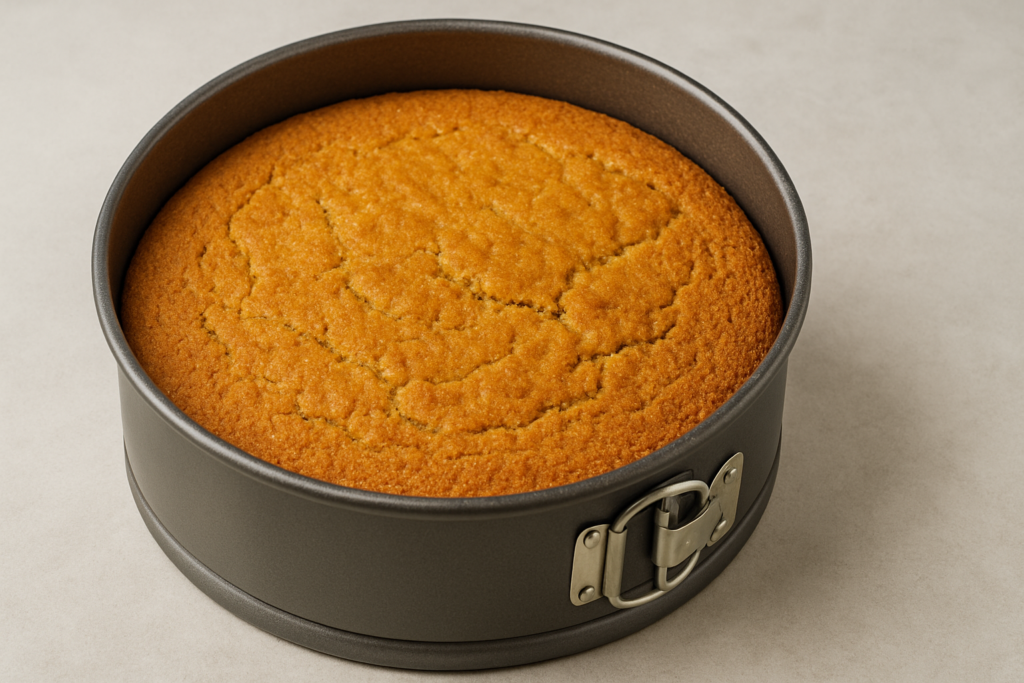
Step 6: Bake in the oven, 400 degrees, 35 to 40 minutes, and done when a toothpick comes out clean and the top has been golden
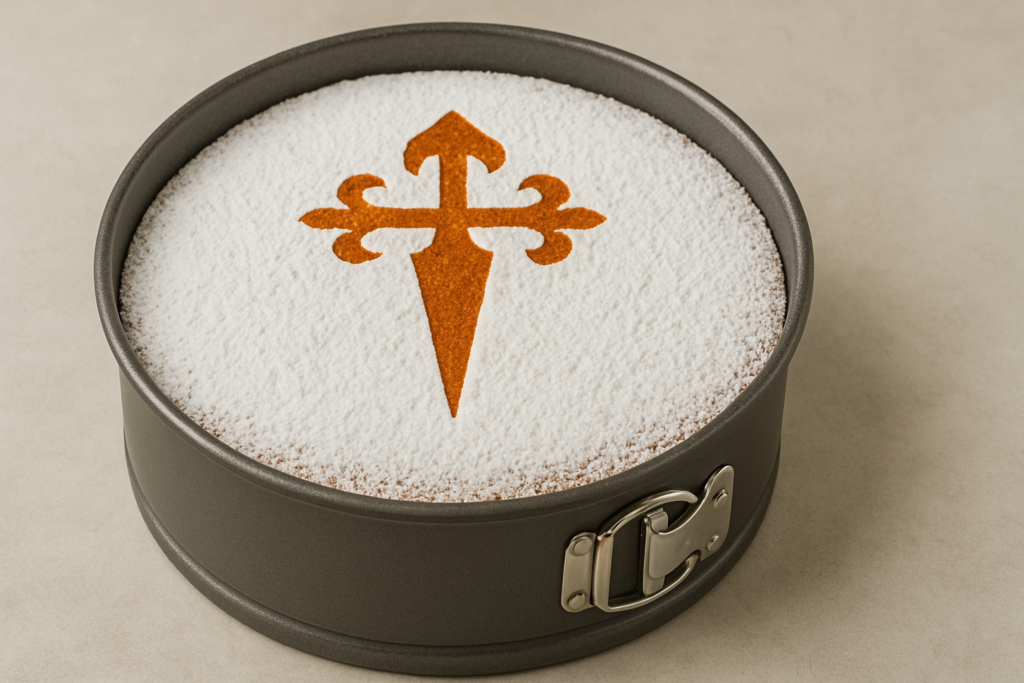
Step 7 : Let it cool for a little while in the pan. When cold, sprinkle with powdered sugar. To be extra traditional, use a picture of the Cross of Saint James in a cut-out and put it on top, before dusting, and take it off, showing the pattern. (You can get printable templates for free online)
Serving Tips
- Serve it at room temperature
- A slice goes superbly well with strong espresso, sweet sherry or even a citrusy tea
- A spoonful of whipped cream or vanilla ice cream is also a good idea but on its own it is still delicious
Precautions
- Don’t overbake it. Almond cakes dry out quickly. Take it out when the center is just set
- Slather that pan like your life depends on it—this cake clings harder than a jealous ex if you give it half a chance
- Don’t skip the zest! It makes the flavor sing. Without it, the cake can feel flat
More About Tarts de Santiago
Tarta de Santiago is not about bells and whistles. It comes down to tradition, simplicity and taste that lasts – like a fond memory. It is a perfect recipe when you are a newcomer to bake a Spanish dessert. It is easy, pretty, and very nice to eat
So go on, bake one. And when you do? Buen provecho, my friend.

Anjali Raj Singh
I am a food writer and culinary content creator specializing in global cuisines, traditional recipes, food culture, and cooking techniques. Through extensive research and hands-on recipe analysis, I create accurate, informative, and engaging content that helps readers explore authentic dishes from around the world. My work covers recipe development, food history, ingredient guides, restaurant features, and culture-driven culinary stories.
At Foods Around the World, I focus on delivering well-researched, reader-friendly, and SEO-optimized content that reflects the traditions, flavors, and culinary heritage behind each dish. Every article is carefully reviewed for accuracy and relevance, ensuring readers can discover trusted recipes, cooking insights, and food experiences from diverse cultures worldwide.