


There’s something deeply peaceful about preparing a dish that doesn’t need fire. No bubbling pots or clanging pans. Just a quiet fillet of salmon, a handful of ingredients, and time — long, patient time. That’s what Gravad Laks is all about
This silky, lightly cured salmon isn’t flashy. It’s not loud. However, it carries with it generations of Nordic tradition, where preservation was once a necessity and has now become an art. Gravad Laks is a dish you don’t rush. You make it to share. You slice it thinly and lay it out with love. And in that way, it becomes more than food — it becomes a ritual
A Bite of Nordic History – From Fishermen to Festive Tables
The term Gravad Laks originated with the old Scandinavian term grava, which means to bury and laks, which translates to salmon. Early fishermen in Norway, Sweden, and Denmark began to work with salmon, seasoning it with salt and sugar, and literally burying the fish in cool sand along the seashore. This process allowed the fish to ferment slightly and preserve itself for longer journeys
Through time, fermentation was replaced by something cleaner and milder in its curing technique. We use refrigerators and plastic wrap now instead of cool cellars and burlap sacks. But the soul of the thing hasn’t changed. It’s still about sitting tight, keeping it basic, and letting a few good ingredients do their damn job
Gravad Laks is now a favourite dish at the Scandinavian holiday table and Scandinavian brunch smorgasbords, and Danish smorebrod. It’s tradition — sliced thin, arranged with care, and always shared.
Ingredients
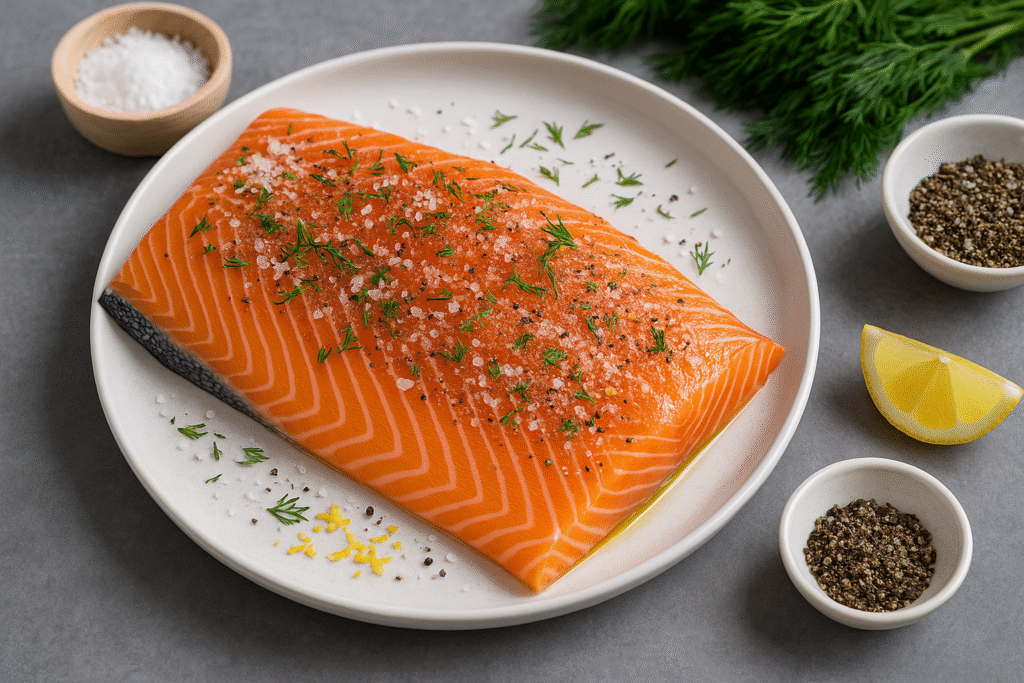
- 600–700g fresh salmon fillet, skin on, pin bones removed
- 2 tbsp coarse sea salt
- 1 tbsp sugar
- 1 tsp cracked black pepper
- 1 small bunch fresh dill, chopped
- Zest of 1 lemon (optional, but lovely)
Use only sushi-grade or very fresh salmon — since this isn’t cooked, quality is key. No fresh dill? Dried can work in emergencies, but fresh adds life and aroma.
Instructions

Step 1: Run your fingers along the fillet to feel for any pin bones. Remove them gently with tweezers. Pat the fish dry with paper towels
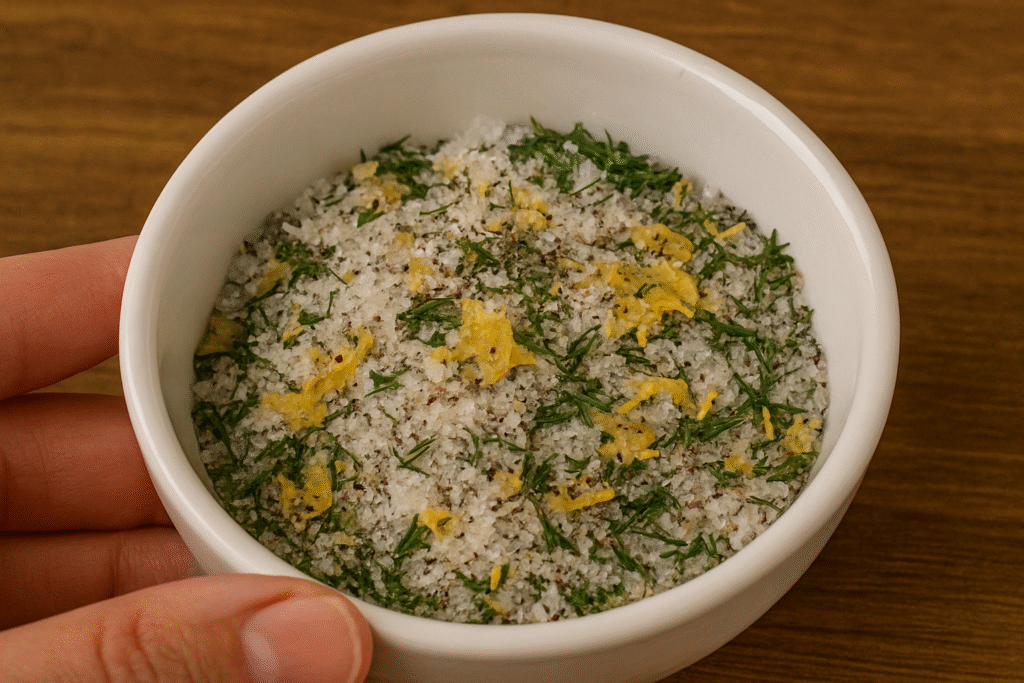
Step 2: Place the Salt, Sugar, Pepper, Chopped Dill and lemon Zest together in a small bowl and combine thoroughly. It will be clean and aromatic

Step 3: Place a large piece of plastic wrap on your counter. Sprinkle half the cure on the bottom, lay the salmon skin-side down on it, and press the rest of the cure over the flesh. Wrap the fish tightly
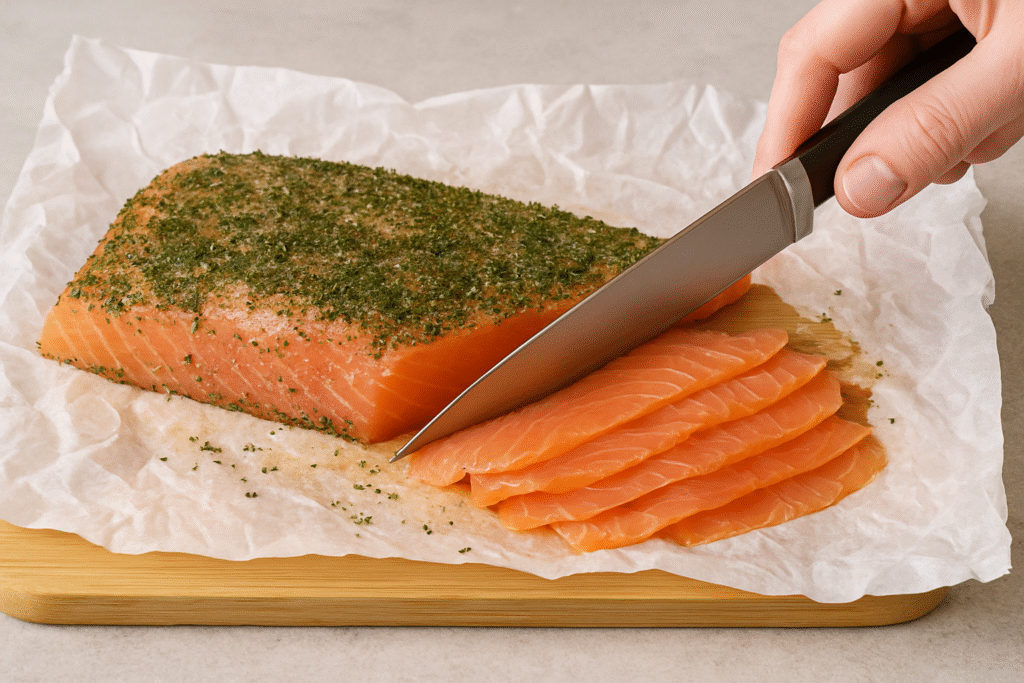
Step 5: Unwrap the salmon and gently scrape off the dill and cure. Don’t rinse. Just use a sharp, fine knife and then slice thinly at an angle
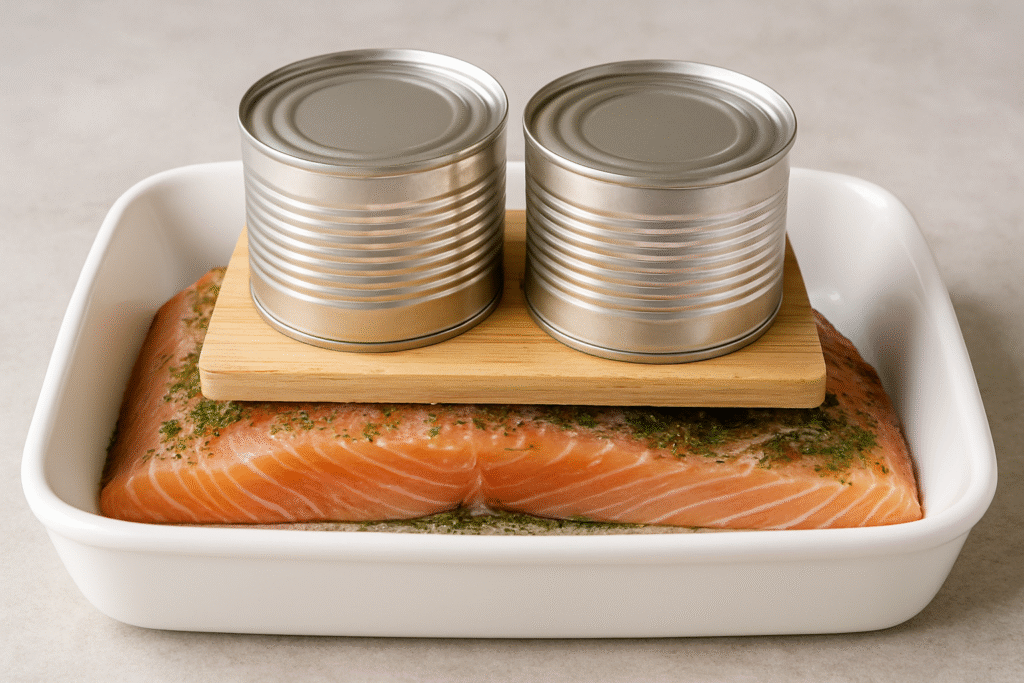
Step 4: Put the salmon inside a dish and a small cutting board or cans on top of it. Chill meat in a refrigerator (48-72 hours), turning it over after 12-24 hours
The deeper a flavour, the longer it cures (the firmer the texture). Two days give a soft, gentle flavour. Three days? Bold and savoury
Serving Tips – How to Enjoy Gravad Laks Like a Dane
- With a sprinkling of mustard-dill sauce, pour it on buttered rye bread (rugbark)
- Make it up into a festive board with boiled eggs, capers and pickled onions
- Take a crepe or wrap with cream cheese and roll it up, and have a light lunch
- Believe me, it’s also tasty as a brunch main course, accompanied by a cucumber plate and a chilled white wine
- Add more dill, slices of lemon or a pinch of horseradish cream
- Traditionally, one serves snaps (aquavit) or a dry white wine at holidays

Anjali Raj Singh
I am a food writer and culinary content creator specializing in global cuisines, traditional recipes, food culture, and cooking techniques. Through extensive research and hands-on recipe analysis, I create accurate, informative, and engaging content that helps readers explore authentic dishes from around the world. My work covers recipe development, food history, ingredient guides, restaurant features, and culture-driven culinary stories.
At Foods Around the World, I focus on delivering well-researched, reader-friendly, and SEO-optimized content that reflects the traditions, flavors, and culinary heritage behind each dish. Every article is carefully reviewed for accuracy and relevance, ensuring readers can discover trusted recipes, cooking insights, and food experiences from diverse cultures worldwide.