
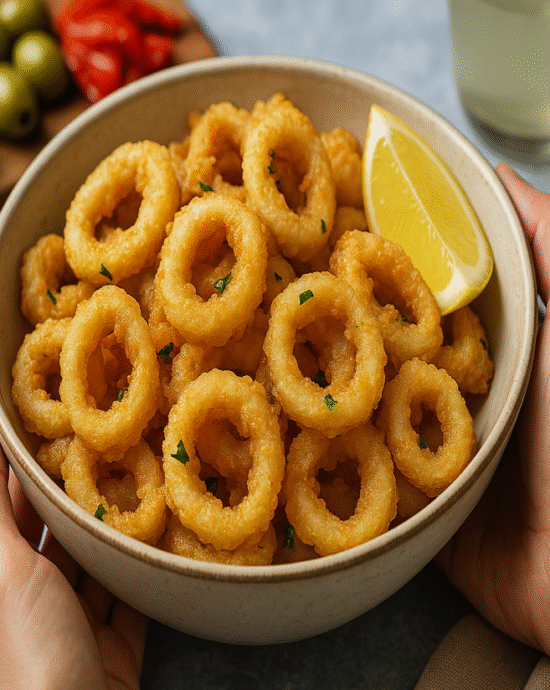

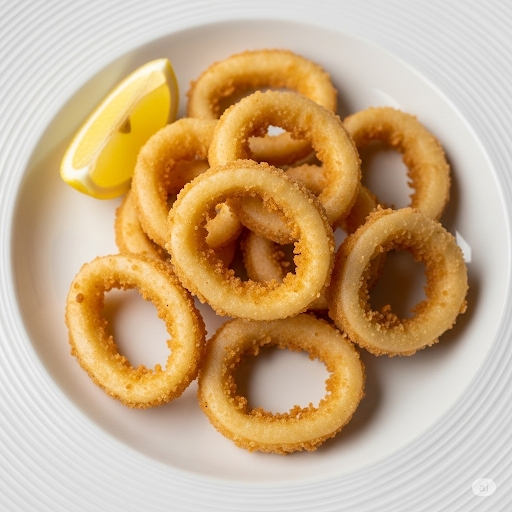
There is something magical about strolling down a Spanish coastline and smelling the fresh fish that is seared in front of you. The first taste of a fresh, hot, crunchy, golden ring of Calamares a la Romana, and you are on holiday, feet in the sand, sun on your face, cold beer in your hand. Even if you have been fortunate to taste them in Spain, this is definitely one recipe that is vacationing on your plate.
I can tell you – these are not the usual fried calamari. The Spanish have a different way of doing it. The batter is light, crunchy, and there are no heavy breadcrumbs, and the squid is tender and practically melts in your mouth. Better yet, on the off chance you have ever had chewy calamari, this recipe would make you change your mind about it forever
A Bit of Background
Calamares a la Romana is a beloved Spanish tapa, particularly popular along the Mediterranean and Atlantic coasts. The name “a la Romana” means Roman-style, referring to the method of dipping something in flour and egg before frying — a simple technique with wildly delicious results
You’ll find these on almost every tapas menu in Spain, usually served with a wedge of lemon and maybe a dollop of aioli. It’s comfort food, coastal food, and bar food all rolled into one.
Ingredients
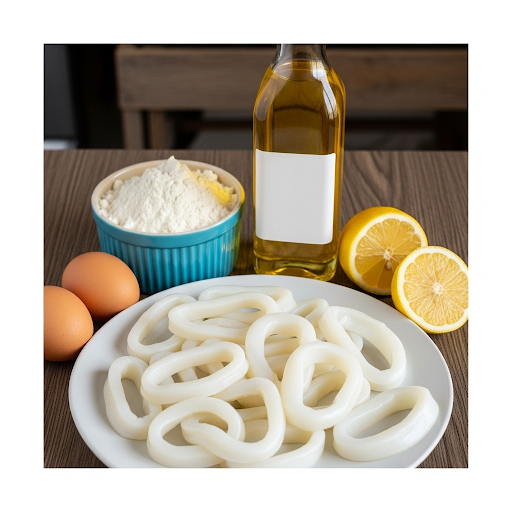
- 500g fresh squid rings – cleaned and sliced into 1cm thick rings
Substitute: Frozen squid rings work too, just thaw and pat dry
- 1 cup all-purpose flour coating
Substitute: Rice flour can replace it, in case you want it to be extra crispy
- 2 large eggs – lightly beaten
- Salt and pepper – to season
- 1 lemon – cut into wedges, for serving
- Sunflower or light olive oil (used to deep fry)
- Don’t use extra virgin, it smokes too fast
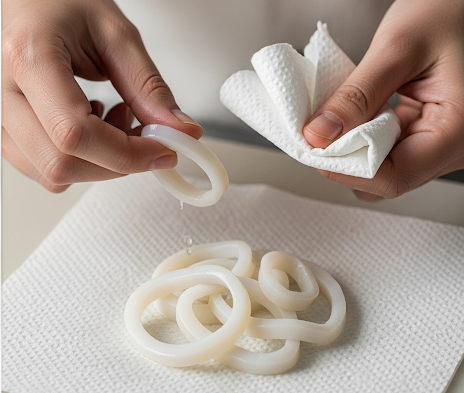
Step 1 : Wash the squid rings and dry them well with paper towels. Crisp frying is then an enemy of moisture

Step 2: Sprinkle some salt and pepper on the squid rings. Sprinkle flour on the dredge them and then into the eggs that are beaten

Step 3: In a heavy frying dish or pan, heat the oil until it has reached the temperature of 170 and 180 o C (340 and 360 o F). Trial it on a bit of bread–it must sizzle and be up as soon as it is on
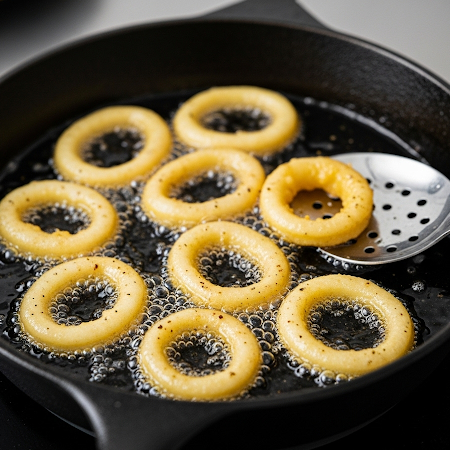
Step 4 : In a heavy frying dish or pan, heat the oil until it has reached the temperature of 170 and 180 C (340 and 360 F). Trial it on a bit of bread–it must sizzle and be up as soon as it is on
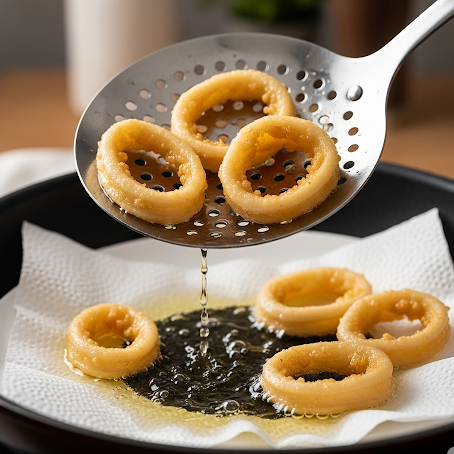
Step 5 : Use a slotted spoon to lift them out and let them rest on a paper towel-lined plate to soak up any excess oil
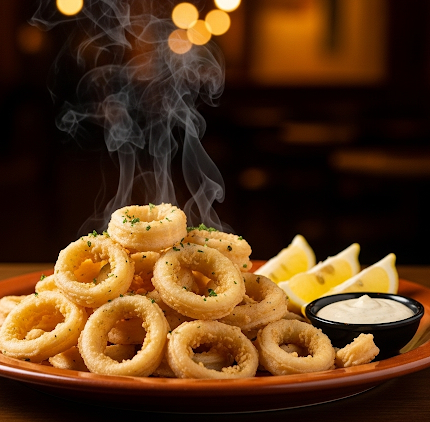
Step 6 : These are best hot and crisp, with fresh lemon wedges and maybe a bit of garlic aioli on the side
Serving Tips
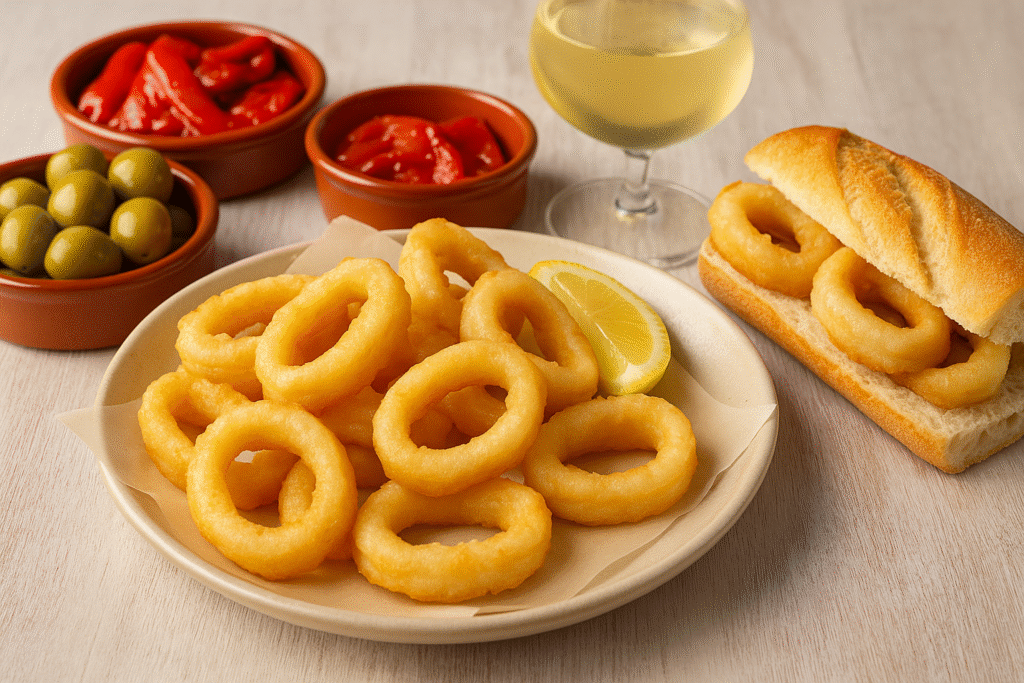
- Eat them on a tapas platter – they taste yummy with olives, roast peppers or a chilled glass of Albariho
- If you have a light lunch, stuffed in a crusty baguette they make for a quick calamari sandwich (bocadillo de calamares – a classic in Madrid!)
Precautions and Tips
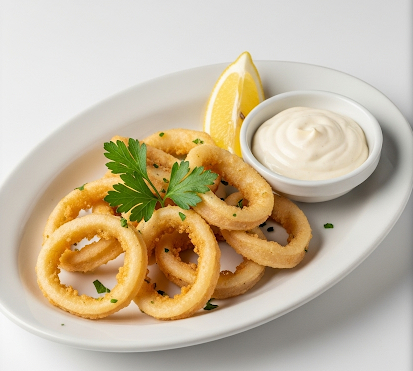
- It must not be overdone. It is rule number A minute or two in hot oil is all it takes–more than that and you are on to rubber
- Wipe your squid dry. Oil will splatter and the batter will end up becoming soggy due to any water
- Maintenance of oil, keep oil hot and clean. Have it warm between batches when necessary, and slop out pieces of batter so they do not burn
Frankly, this is one dish that proves that some of the best things in life are the simplest. When you want the sort of easy, sun-kissed mood that a Spanish afternoon has, a batch of Calamares a la Romana is in order. Close your eyes and pop it into your mouth and see where your tastebuds take you.

Anjali Raj Singh
I am a food writer and culinary content creator specializing in global cuisines, traditional recipes, food culture, and cooking techniques. Through extensive research and hands-on recipe analysis, I create accurate, informative, and engaging content that helps readers explore authentic dishes from around the world. My work covers recipe development, food history, ingredient guides, restaurant features, and culture-driven culinary stories.
At Foods Around the World, I focus on delivering well-researched, reader-friendly, and SEO-optimized content that reflects the traditions, flavors, and culinary heritage behind each dish. Every article is carefully reviewed for accuracy and relevance, ensuring readers can discover trusted recipes, cooking insights, and food experiences from diverse cultures worldwide.