
- What is Malpua?

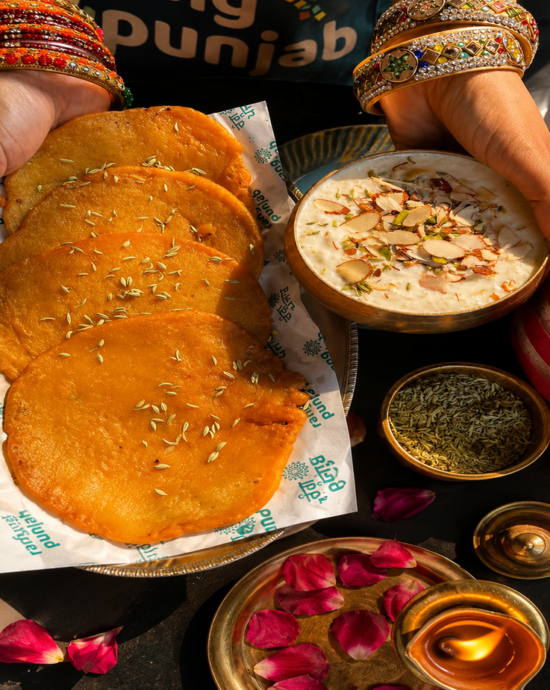
Malpua is one of India's oldest traditional sweets and is very well known in Indian cuisine. It is made by deep-frying a sugary batter until golden brown, then dipping it in sugar syrup. Soft in the middle and crisp at the outer edges, Malpua is a worldwide dessert and a very favourite among the festivals, religious occasions and family occasions
The method of preparing Malpua varies from place to place and is the most varied of all Indian desserts
- Regional Variations of Malpua
Rajasthani Malpua
The most popular type of malpu, often garnished with rich rabri. It is prepared thinner and softer and is specially cooked during Eid, Diwali, Holi.
Taste Profile
Sweet, rich, creamy
Why It Is Popular
Chilled rabri and hot Malpua makes a decadent dessert. This popular desert of Rajasthan is known for its auspicious ingredients and decadent taste.
Nutritional Highlights
Energy-rich dessert
Calcium from rabri
Satisfying sweet treat
Bihari Malpua
Made throughout the year specially for all Chhath Puja and family get togethers. It is usually mixed with a dash of fennel seeds and cardamom.
Taste Profile
Sugar, fragrant, soft
Why It Is Popular
Though very simple to make, it is also a very standard sweet in Bihar due to the flavors used which are very traditional. The aromatics from the spices lend to the overall essence.
Nutritional Highlights
Quick energy source
Traditional ingredients
Moderate protein content
Odia Malpua
Commonly seen in the temples and festivals of Odisha. The one shown below is comparatively smaller and lighter than the Rajasthani type.
Taste Profile
Sweet, light, slightly fragrant
Why It Is Popular
This has a smooth, light texture that makes it very pleasant after a meal. It is often prepared in the various temple festivals and pujas also.
Nutritional Highlights
Moderate calorie content
Traditional festive dessert
Light texture
Banarasi Malpua
A famous street-food dessert in Varanasi, usually served with rabri and dry fruits.
Taste Profile
Rich, sweet, heavy.
Why It Is Popular
Adding rabri and nuts makes it a rich dessert and brings in a lot of tourists and locals.
Nutritional Highlights
Rich in calcium
Energy-dense dessert
Nutritious toppings
Nutritional Value (Per Serving)
Nutritional Value
Calories: 300–450 kcal
Protein: 5–7 g
Carbohydrates: 45–60 g
Fat: 10–18 g
Calcium: 100–150 mg
Iron: 1–2 mg
- Basic Ingredients Used
Flour (Maida)
1 cup
Nutritional Value (100g)
Calories: 364 kcal
Carbohydrates: 76 g
Protein: 10 g
Nutritional Benefits
Energy source
Provides structure
Traditional base ingredient
Milk
Nutritional Benefits
Calcium-rich
Protein source
Improves texture
Sugar Syrup
Nutritional Benefits
Quick energy
Sweet flavour
Traditional finish
Fennel Seeds
Nutritional Benefits
Digestive properties
Aromatic flavour
Traditional spice
- Ingredient Tips
Use Fresh Milk : Using fresh milk results in a softer batter and makes the final dessert more indulgent. The firmness of the Malpua is also increased
Maintain Proper Batter Consistency : The batter should be thick but runny that is not too gloopy but still spread during frying. Constant good consistency
- How to Make Malpua
Prepare the Batter
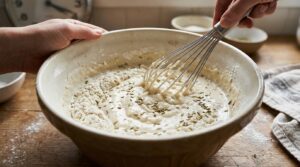
Mix the flour, milk, sugar and fennel seeds together and set aside. Let the mixture stand for 20 – 30 minutes. By allowing the Malpua to stand, the ingredients are given time to adequately mix together; the result is a softer texture and equal cooking when fried.
Nutritional Benefits
Energy source
Improved texture
Better flavour development
Prepare Sugar Syrup
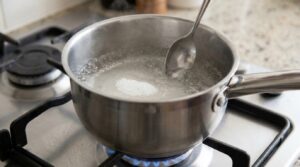
Bring sugar and water to boil. Cook until a light syrup is achieved. Stir from time to time so that the sugar dissolves evenly and the syrup is smooth.
Nutritional Benefits
Quick energy
Traditional sweetness
Fry the Malpua

Drop a few spoonfuls of the batter at a time into the hot oil or ghee and fry till both sides turn to a beautiful golden brown. Ensure that the pan should be kept on medium heat so that the Malpua is cooked well inside and turns out to be crispy and golden from outside.
Nutritional Benefits
Rich flavour
Crisp texture
Soak in Syrup
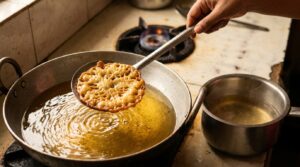
Transfer the fried Malpua into the warm sugar syrup and leave in the syrup for a few minutes. This enables the Malpua to soak up the flavor from the sugar, while staying soft in the middle and slightly crisp on the outside for that distinctive texture and taste.
Nutritional Benefits
Enhanced sweetness
Softer texture
Garnish and Serve
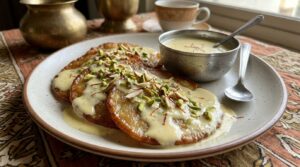
Garnish with rabri, pistachios, almonds or strands of saffron. Traditional decorations like these can really lift the flavour and presentation of the dessert, as well as lending a slightly richer feel to the Malpua. For a more extravagant treat, serve the warm Malpua with ice-cold rabri!
Nutritional Benefits
Additional minerals
Improved flavour
Better presentation
- Why You'll Love This Recipe
Malpua represents a perfect marriage of crunchy, crispy edges, soft and indulgent centres with a syrupy sweetness. It is an evergreen Indian sweet with a celebratory appeal and homely flavour.
Nutritional Advantages
Energy-rich
Calcium from milk
Satisfying dessert
Festive indulgence
- Serving Suggestions
Rabri: The classic accompaniment that adds richness and creaminess. Its smooth texture pairs beautifully with the soft and syrupy Malpua, creating a truly indulgent dessert experience.
Chopped Pistachios: Provide crunch and additional nutrients. They also add an attractive contrast in texture and colour, making the dessert more appealing.
Saffron Garnish: Enhances aroma and visual appeal. The delicate saffron strands impart a luxurious fragrance and elevate the traditional flavour of the dish.
Warm Serving: Malpua tastes best when served warm and freshly prepared. Serving it warm allows the syrup to remain perfectly absorbed, resulting in a softer and more flavourful dessert.
- Expert Tips
Rest the Batter: Allowing the batter to rest improves texture and helps create softer Malpuas. It also helps the ingredients blend properly, resulting in a smoother batter and more evenly cooked Malpuas
Fry on Medium Heat: Medium heat ensures even cooking without burning the exterior. It allows the Malpuas to develop a beautiful golden-brown colour while remaining soft and fluffy inside
Do Not Oversoak: A brief soak keeps the Malpua sweet without becoming overly soft. Over-soaking can make the dessert soggy and reduce its pleasant texture
Use Ghee for Authentic Flavour: Traditional Malpuas prepared in ghee have a richer taste and aroma. Ghee also enhances the overall flavour profile, giving the dessert its authentic festive character
- Frequently Asked Questions (FAQs)
Q. For what occasions is a Malpua preferred?
Because of its delicious taste, easy method of preparation and importance in a festival, it is one of the most popular holiday desserts throughout India.
Q. Is it possible to make Malpua without sugar syrup?
Yes. Many later editions use syrup made of honey or other sweetened batter.
Q. Is malpua served hot or cold?
The standard way to eat it is when served warm, especially with cold rabri.
Q. Can I keep Malpua?
Yes. You can keep it in the fridge for 2–3 days and reheat it.
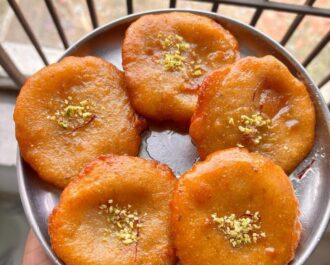
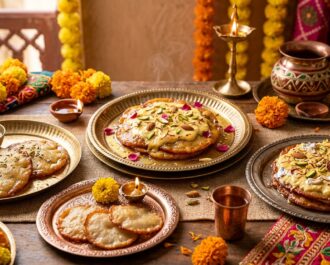
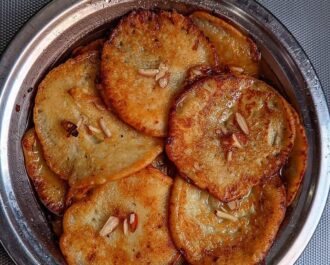
Malpua is one of the oldest favourites from Indian sweet delights. Malpua is a much-loved traditional Indian sweet, which is enjoyed across the country by every generation. From the Rajasthani rabri Malpua to the Bihari fragrant ones and Oriya festive malpua, Indian malpua ensures you have a sweet experience to remember

Anjali Raj Singh
I am a food writer and culinary content creator specializing in global cuisines, traditional recipes, food culture, and cooking techniques. Through extensive research and hands-on recipe analysis, I create accurate, informative, and engaging content that helps readers explore authentic dishes from around the world. My work covers recipe development, food history, ingredient guides, restaurant features, and culture-driven culinary stories.
At Foods Around the World, I focus on delivering well-researched, reader-friendly, and SEO-optimized content that reflects the traditions, flavors, and culinary heritage behind each dish. Every article is carefully reviewed for accuracy and relevance, ensuring readers can discover trusted recipes, cooking insights, and food experiences from diverse cultures worldwide.