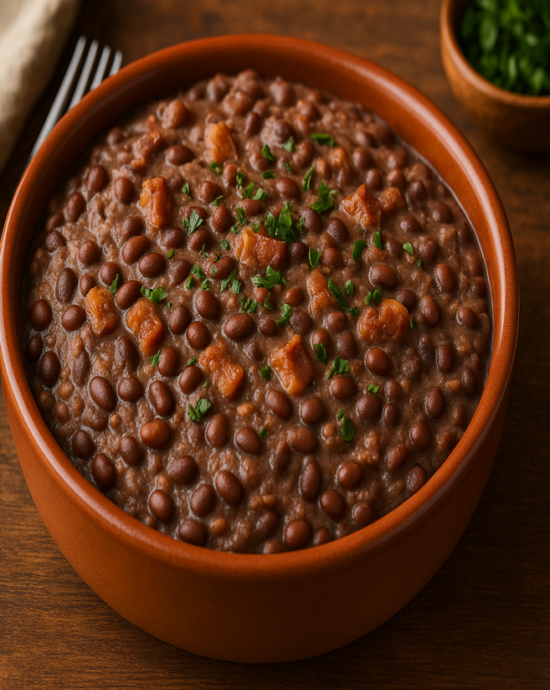

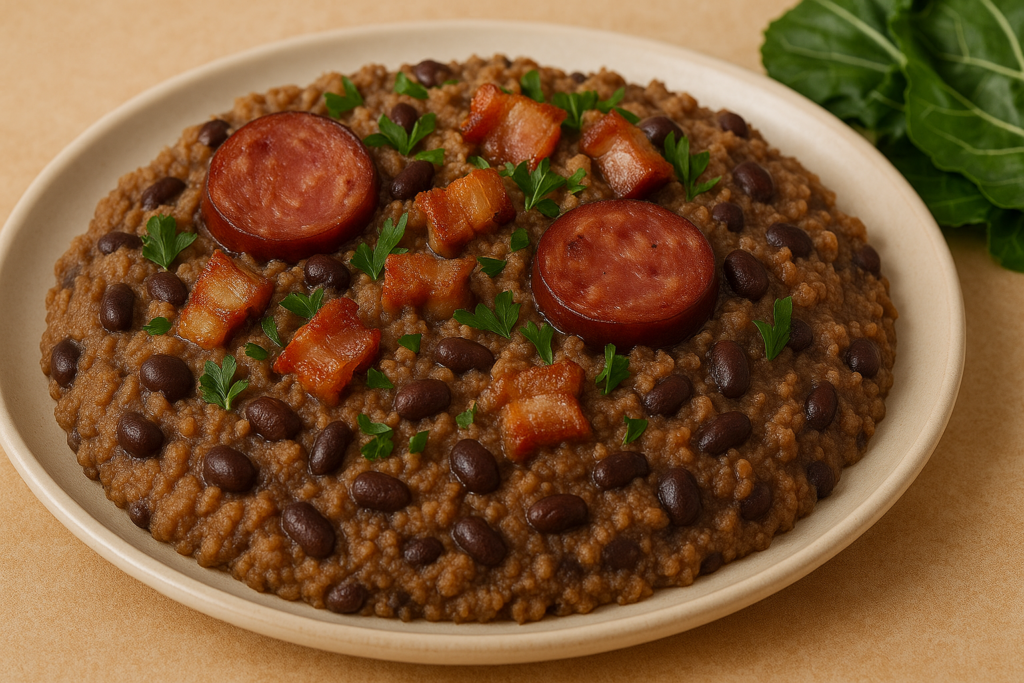
Some foods are cooked because of the taste, and some foods are cooked because of the memories. The second type is definitely Tutu de Feijao. This earthy, filling, soothing food of mashed beans and manioc flour (farinha) is everywhere throughout Minas Gerais, which is the centre of Brazilian home-style food. However, to a lot of people, it is not simply food, but a way of reminding them of how many Sunday lunch times they have shared and how they scraped clean the plates with love
The Heart Behind the Plate
Tutu de Feijao is notorious for being what we call the food of the people. It was an invention out of need, out of the ingenuity of cooks who needed a little to go a little further and a little further. They put in only a little of this and a little of that, a handful of rubbish, a spoonful of manicou flour, a bit of a piece of meat, and they made it into something filling, very filling, very substantial, they called it. This modest side dish, with time, has turned out to be a loved centre dish, especially in the southeast region of Brazil
When To Make It
Be it eaten with rice, collard greens, and crispy pork or as the dish upon which a complete meal is built, Tutu relates the history of the Brazilian kitchen; sensible, unstinting, and always mouthwatering.
- Sunday family lunches
- Festive gatherings in Minas Gerais
- Traditional Brazilian feijoada feasts
- Anytime you have leftover beans and want something comforting
- It’s especially loved during colder months, but Brazilians enjoy it year-round, and for good reason!
Ingredients
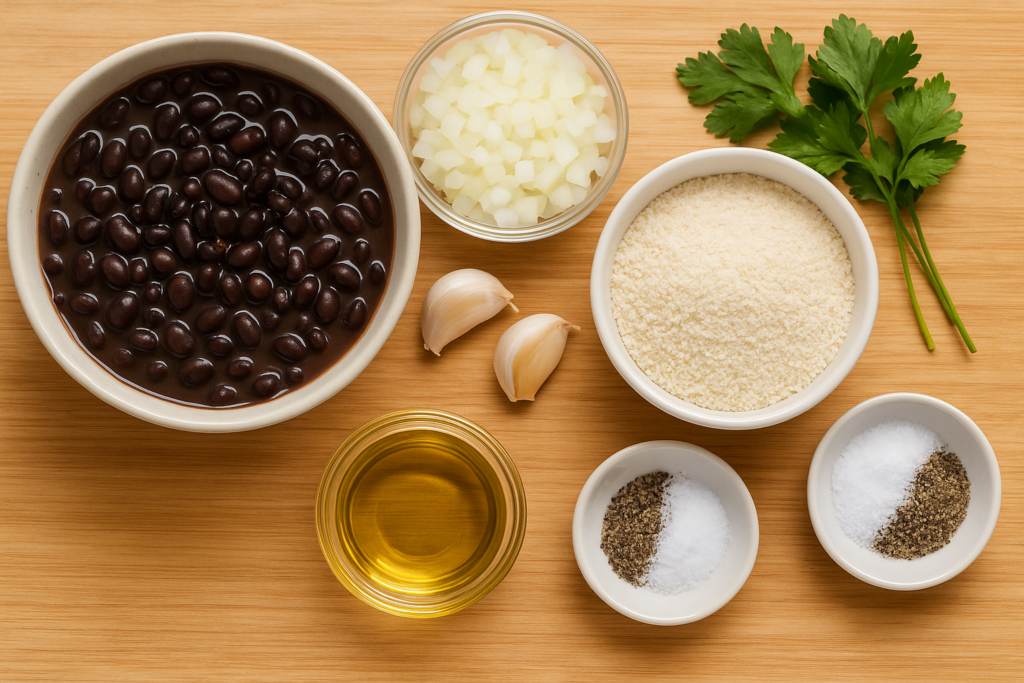
- Around 2 cups of cooked black or pinto beans (with some broth)
- 1 small onion, finely chopped
- 2–3 cloves garlic, minced
- 1–2 tablespoons olive oil or lard (traditional)
- half cup of manioc flour (farinha de mandioca)
- Take salt and pepper to taste
- Some chopped parsley or green onion for garnish
Optional
- Diced bacon or sausage (for a smoky kick)
- A pinch of smoked paprika or cumin for depth
Substitutes
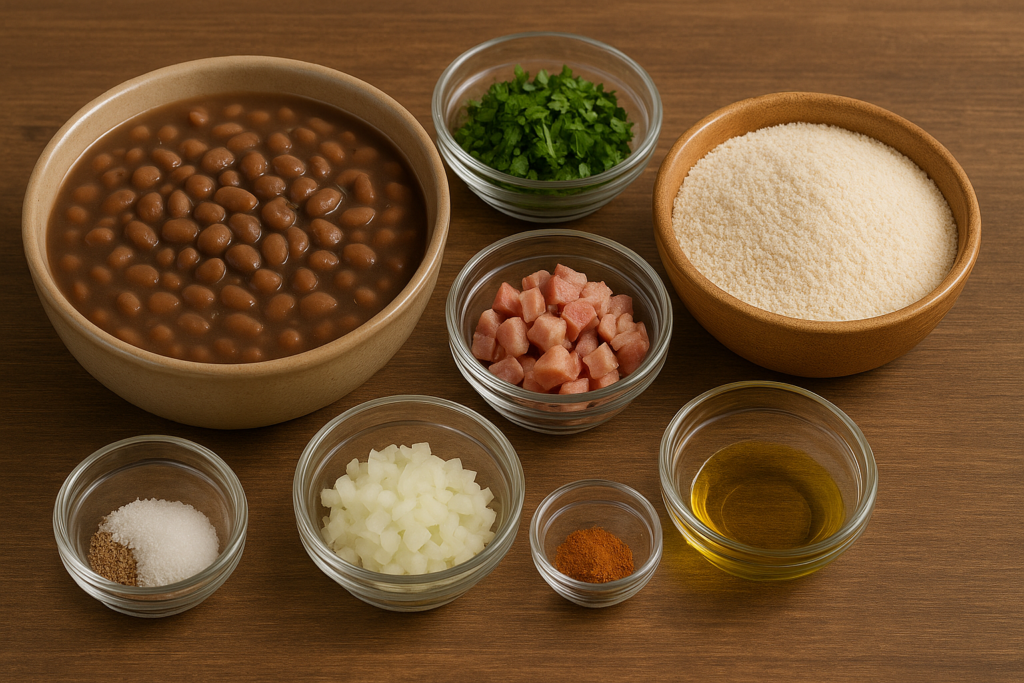
No manioc flour? Try fine cornmeal or breadcrumbs in a pinch.
- Vegetarian version? Skip the meat and go heavier on garlic, olive oil, and fresh herbs.
No black beans? Pinto, carioca, or even red beans work fine — the idea is to use what’s already cooked.
Instructions
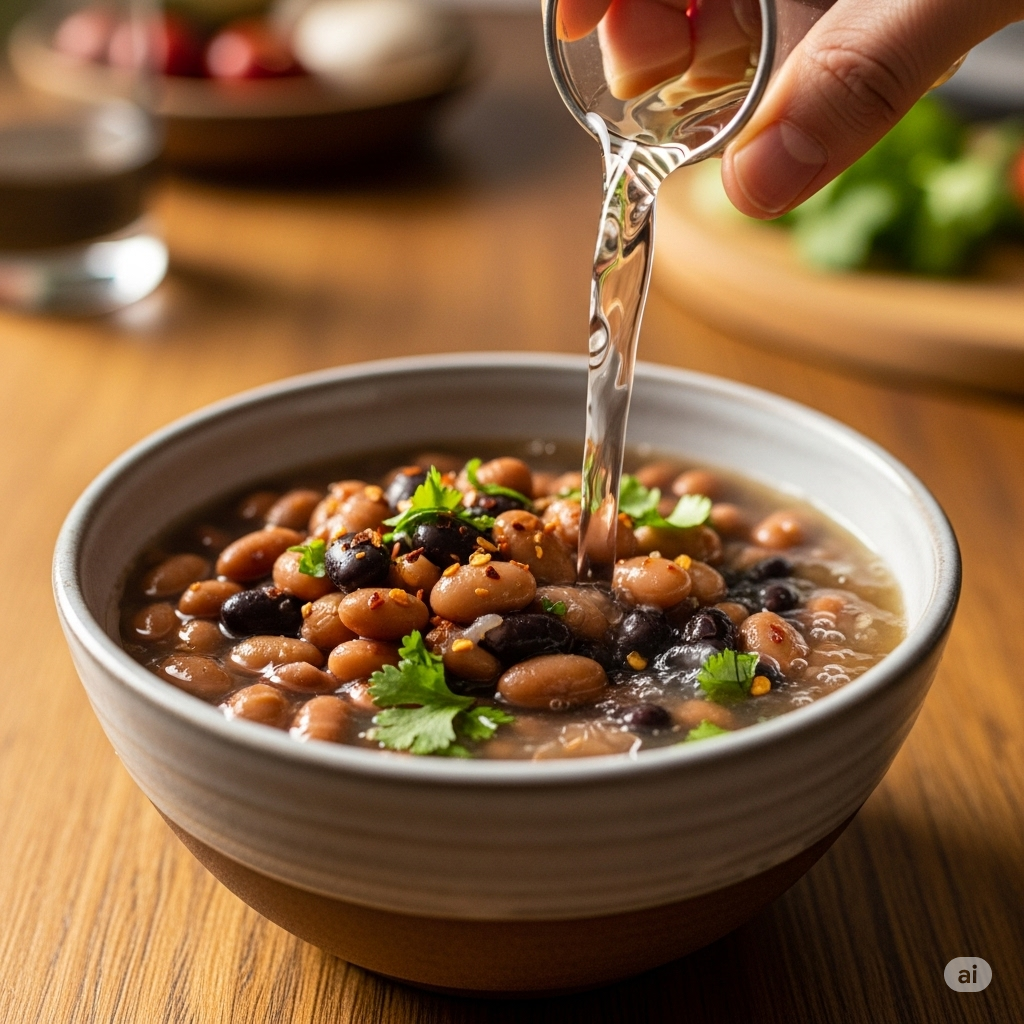
Step 1: When using leftover food, be sure it still contains a little broth. There should not be too much thickness; a good splash of water or stock is required to loosen them up
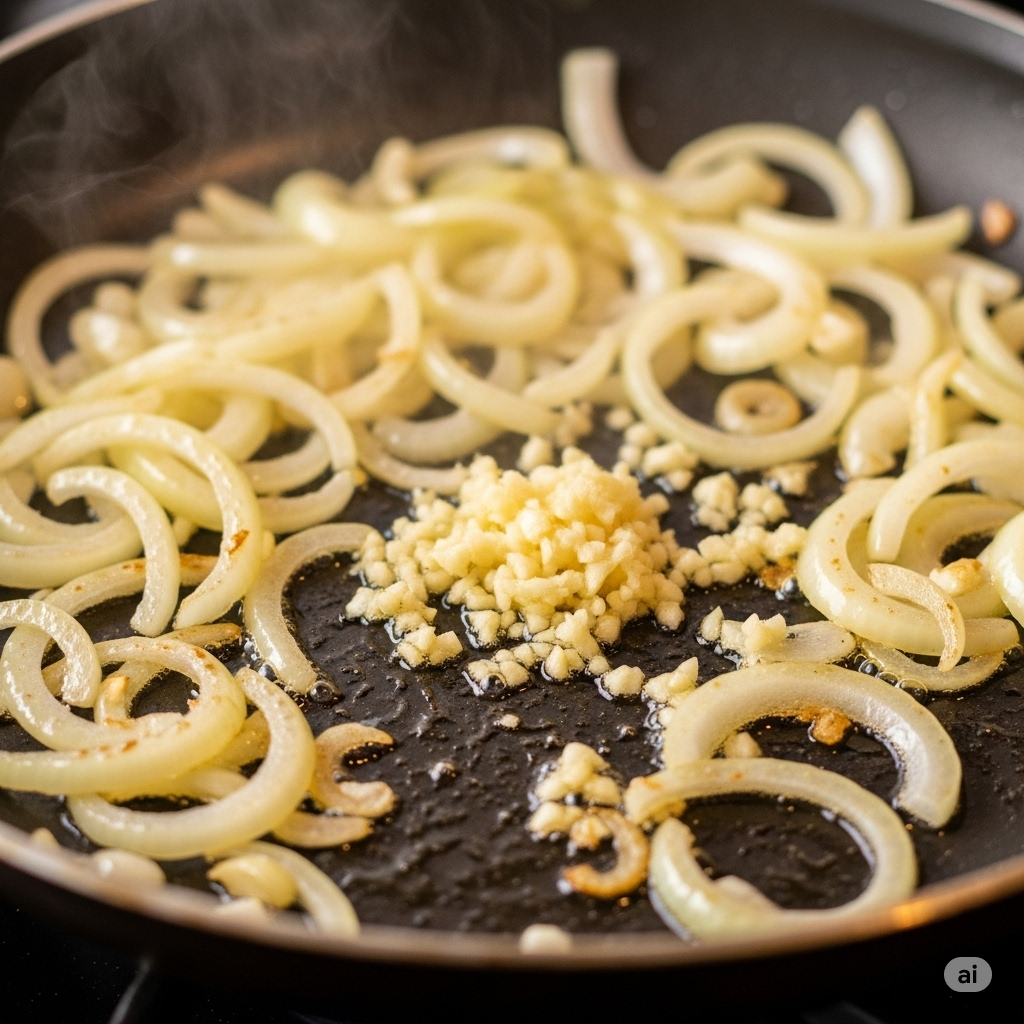
Step 2: Heat the oil or lard in a big pan. Add onions that are cut up and cook until its tender and barely have a golden colour. After that, add the garlic and fry it on medium heat for about a minute
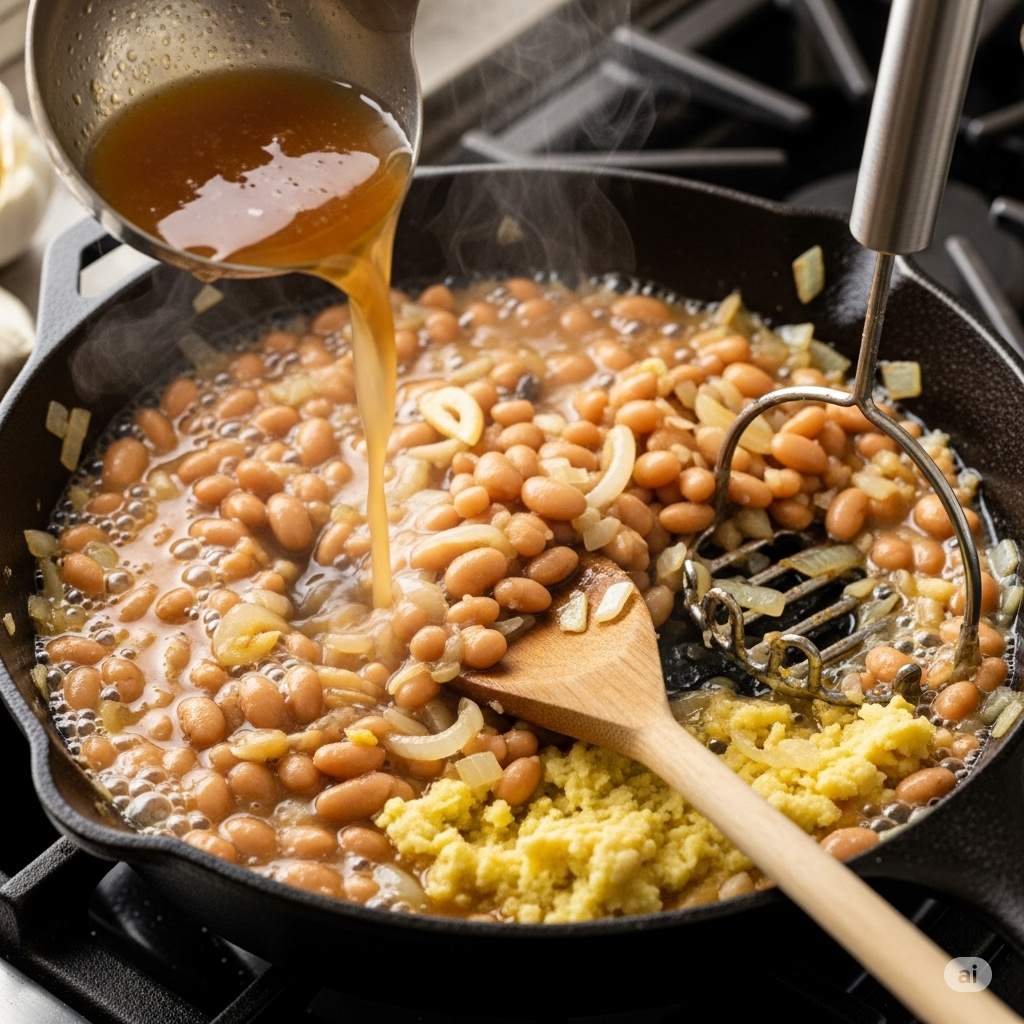
Step 3: Add your beans to the pan and stir everything together. Simmer 5 to 10 mins, and mash the beans down with a spoon or potato masher as they become soft
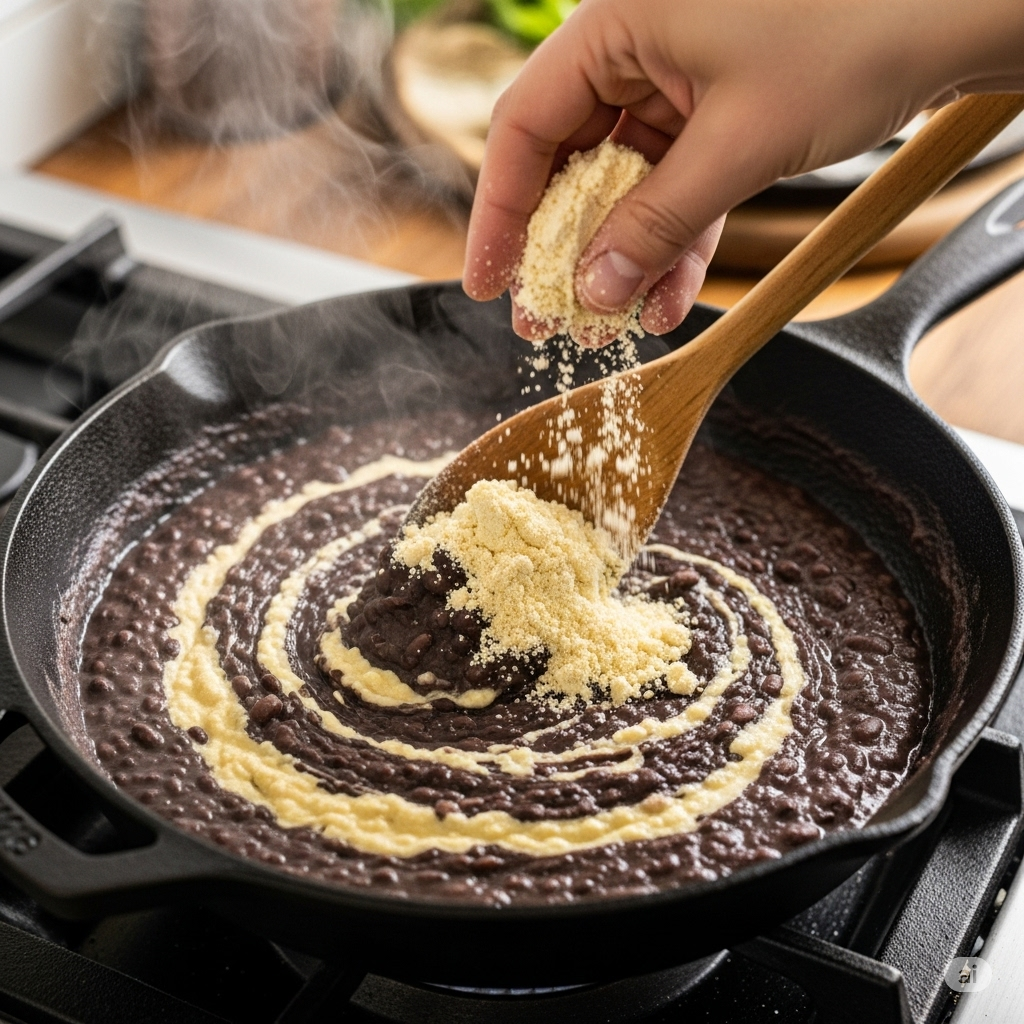
Step 4: Add the flour of manioc in small bits, and stir up as much as possible. The mixture will begin to become thick. Vary this to your preference of tutu thickness or softness
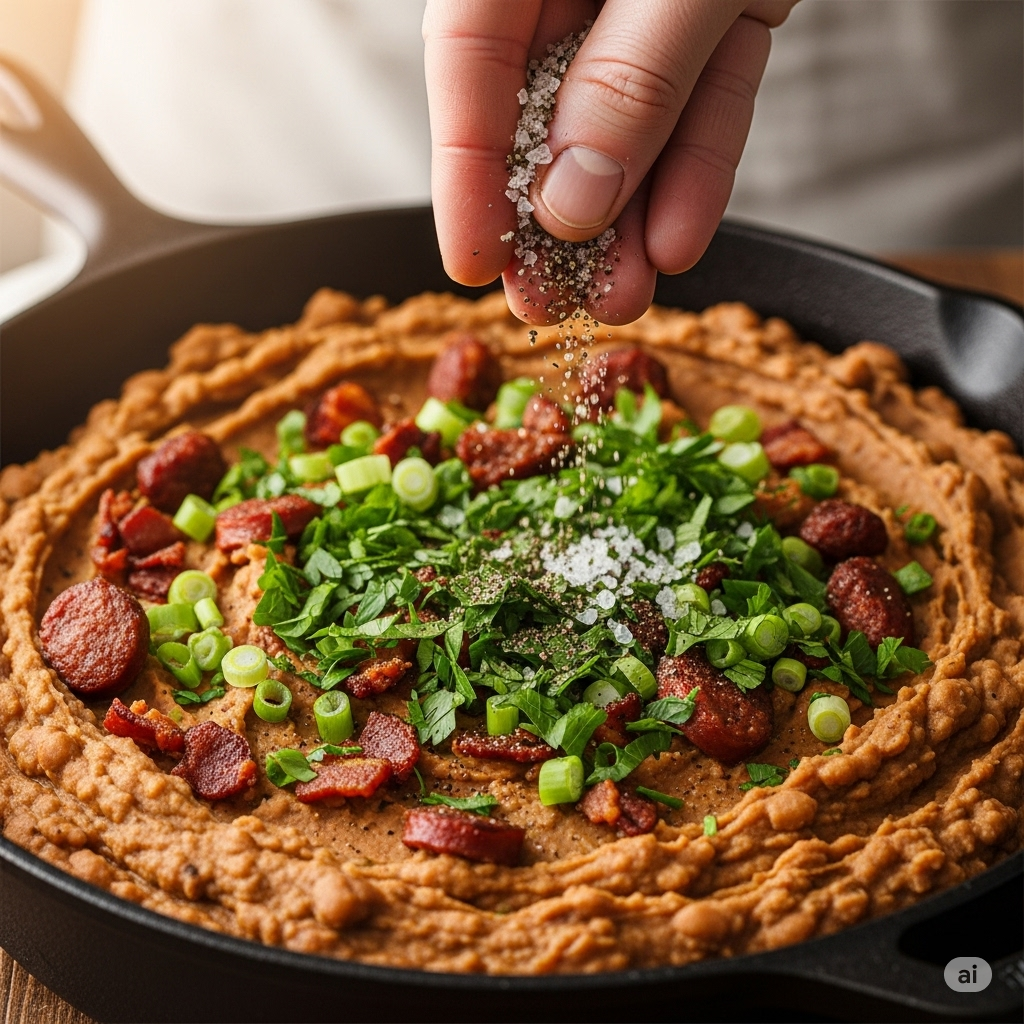
Step 5: Add salt and pepper to taste. Add cut pieces of parsley or green onions at the last minute. In case you are using sausage or bacon, add it and stir it in now to add flavour
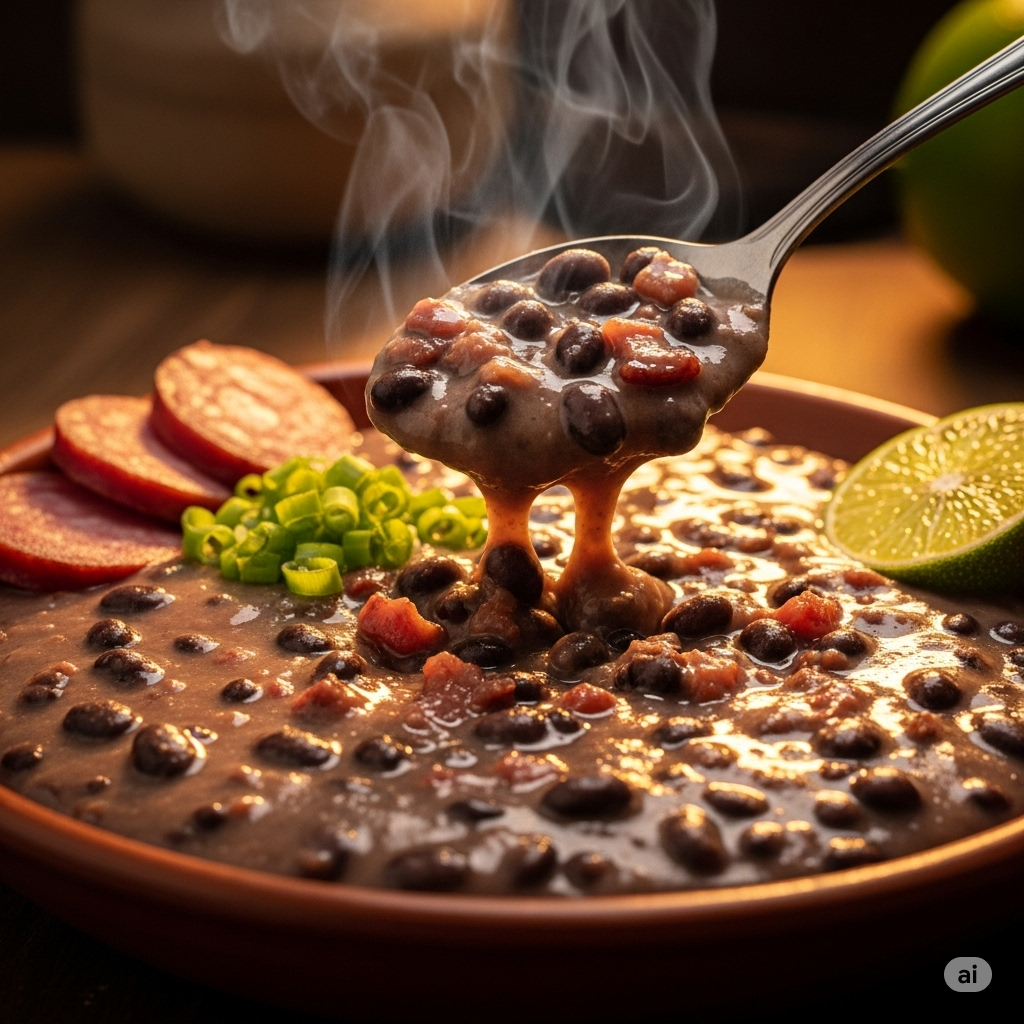
Step 6: Scald it in a bowl or a plate and pour some into it with a spoon whilst still runny. It becomes firm during the cooling process
Serving Tips
- Traditional combination: Serving with white rice, sauteed collard greens and grilled pork or sausage
- And to top it: You can put a fried egg on the top of it to be all the richer
- To texture: Otherwise, simply toast a scoop of extra manioc flour with some butter and sprinkle it on top before serving
- Hot sauce: Brazilians are fond of spice: a helping of home-made pepper sauce is in order
Precautions
- Go easy on the flour. Add it gradually — too much too fast can make it heavy and dry
- Mash to your liking. Some like it smooth, others leave chunks. There’s no wrong way
- Taste as you go. The beans and meat might already be salted. Don’t overdo it
- Don’t skip the fat. Oil or lard gives it richness. A dry tutu doesn’t do justice to the dish.
- Don’t serve cold. Always serve tutu warm and fresh. It thickens a lot as it sits
More About Tutu de Fejiao
It might not be fancy, but Tutu de Feijao has a soul with each spoonful of it. It is what you feed to your loved ones, down-to-earth, hale food that would not only be sufficient to the needs of the stomach, but the heart as well. Born and brought up in Brazil or trying out this dish for the first time, this one particular aspect is assured; once you have tasted a real tutu, you will never forget it ever.