Every bite will hit right!

Rising from the modern culinary innovations, Roasted White chocolate and coffee truffles play a significant role in the dessert industry. Rising from the contemporary pastry trends and classic European chocolate-making, this dessert is a blend that fulfils the criteria of both generations. Although not traditional, the dessert uses the components that have been used for centuries
Chocolate Truffle: Being one of the main components of this very dessert, Chocolate Truffles hold their birth in France during the late 19th to early 20th century. Named after a fungal truffle (due to its appearance), classic truffles were made with dark chocolate ganache, often found rolled in cocoa powder. This very basic technique resulted in the creation of various textures of chocolate, hence resulting in various types of flavours and coatings originating from it.
White Chocolate: Developed first by Nestle (Switzerland) in the 1930s, white chocolates are known for having no amount of cocoa content. Containing only cocoa butter, milk and sugar, these were first dismissed as chocolates on the grounds of being too sweet and lacking the essence of cocoa. It was only after a few years that the potential of these chocolates was realised as they started to be used in gourmet products due to their smooth texture and caramel potential
Roasted White Chocolate: David Lebovitz and Christina Tosi popularised roasted white chocolate during the 2000s-2010s. Owing to modern pastry innovations, these were also known as “blonde chocolate” as roasting gave them a nutty and caramelised flavour (Maillard reaction: toffee flavours are developed from milk proteins and sugar)
Coffee in Confectionery: Popular pairing (Coffee and Chocolate) came into existence since the 18th century in Europe, when the country experienced a rise in coffee houses and chocolate rooms. The mocha trend came to the limelight in the 20th century, where the use of espresso powder and ground beans in truffles became popular
The fusion of Roasted White Chocolate and Coffee Truffle rose in 2010, when pastry chefs and chocolatiers began to use this combination as a means to balance the sweetness. Being contrasting in flavour, the pairing made the ganache richer. The combination became more popular and gained a place in every dessert recipe.
Ingredients

For the Ganache:
- White Chocolate(300gms)
- Heavy Cream(100ml)
- Espresso powder (1 tablespoon)
- Vanilla extract (1 teaspoon)
- Salt(pinch)
- Unsalted butter(20gms)
For rolling:
- Roasted coffee beans (crushed)
- Cocoa powder
- Espresso (finely ground)
- White chocolate(melted)
Instructions

Step 1: Preheat the oven to 120 degrees (Celsius) or 250°F
Step 2: Finely chop white chocolate and lay it evenly on a parchment-lined baking tray
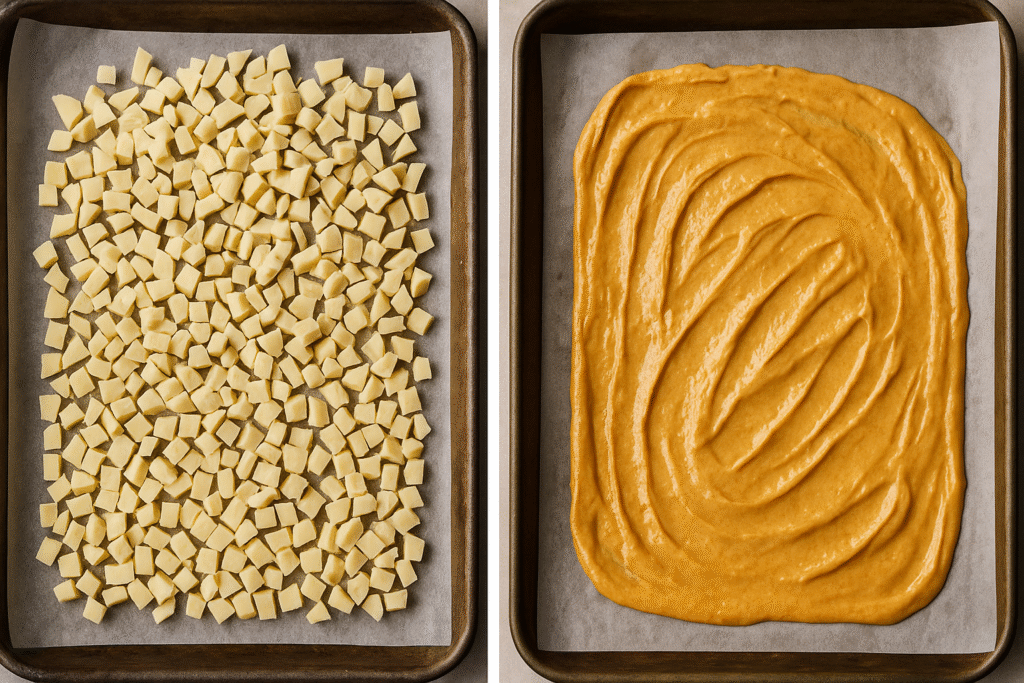
Step 3: Roast it for 10mins and then stir. Repeat the process for 40-50mins stirring at regular intervals
Step 4: A golden caramel layer would start forming and the chocolate would start developing a nutty flavor. Stir it slowly and frequently to avoid burning
Step 5: Once the chocolate turns deep golden, take it out and keep it aside for cooling
For the Ganacher
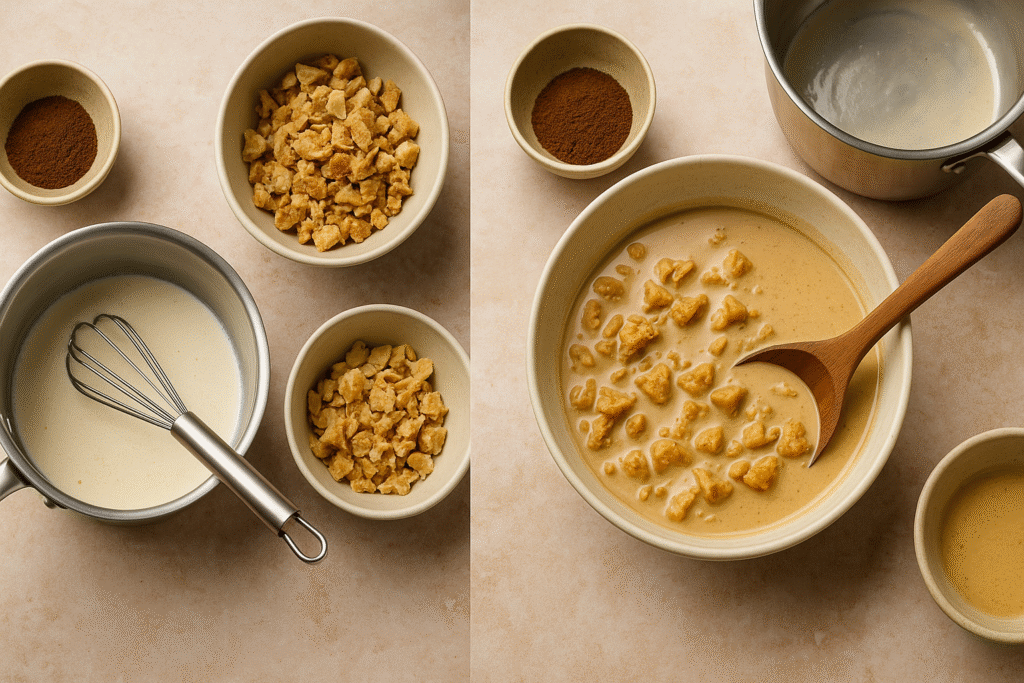
Step 6: Take some heavy cream in a saucepan and heat (until its starts to simmer) it on medium flame
Step 7: Remove it from the stove and add espresso powder and stir it until it completely dissolves in the cream
Step 8: Now add this coffee cream to the roasted white chocolate and let it sit for about a minute or two
Step 9: Stir it, until it turns smooth
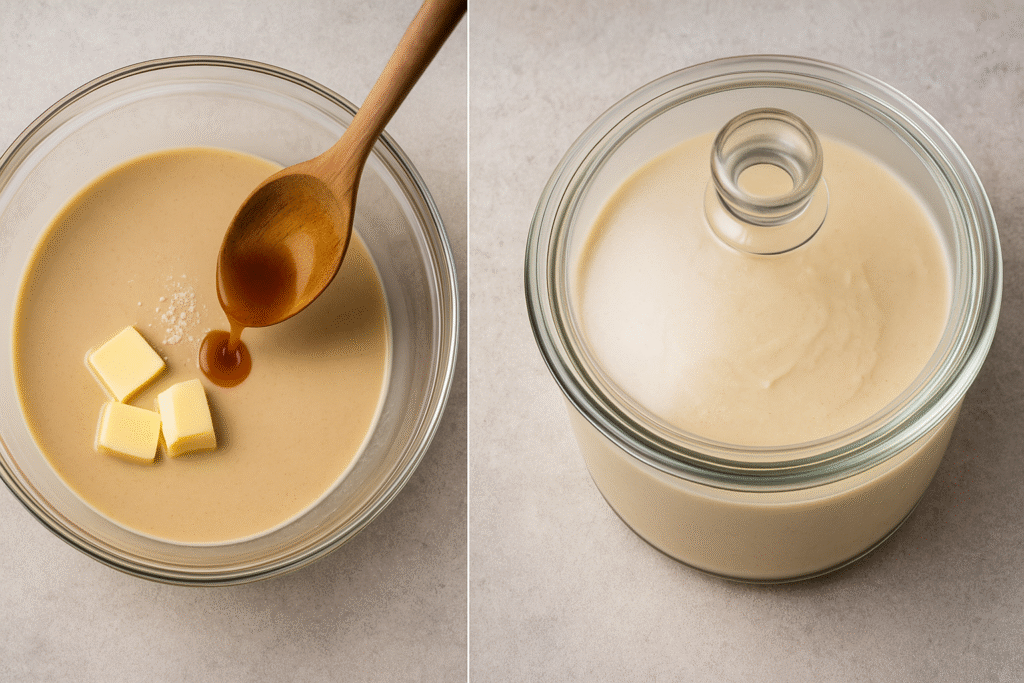
Step 10: Add in vanilla extract, salt and butter and stir until everything gets dissolved completely in the mixture
Step 11: Cover it and refrigerate it for a minimum of 6hours
Shaping
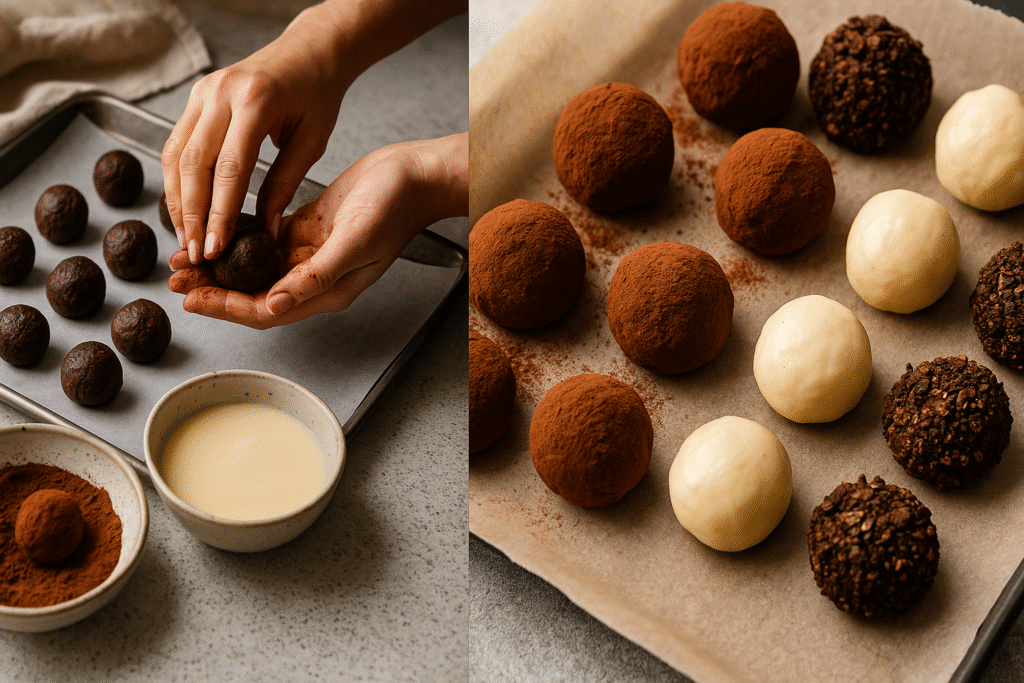
Step 12: Take out the chilled mix and scoop it out
Step 13: Roll it out into truffle sized balls
Step 14: Roll in (cocoa powder, crushed espresso beans or dip it in melted white chocolate)
Step 15: Lay it on a parchment paper and let it chill until it gets firm
Storing
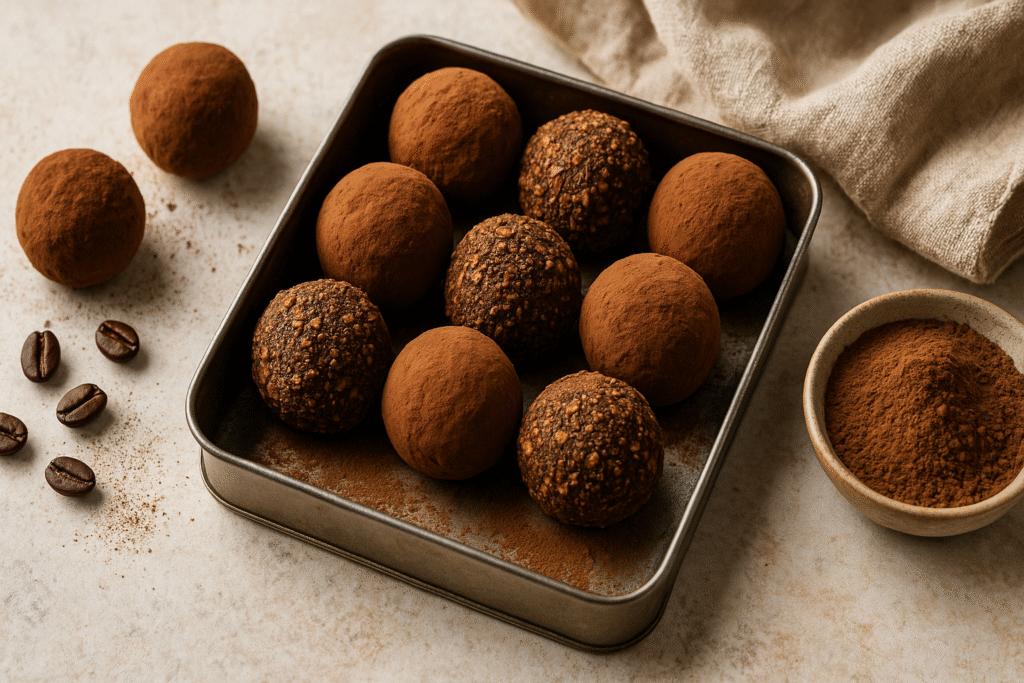
- Keeping the truffles in an airtight container can make it last for about a week or more (without any spoilage or any alteration in taste)
- Serving after taking it out from the refrigerator and letting it sit at the room temperature for about 5-10 minutes can help in hitting the right texture and flavor