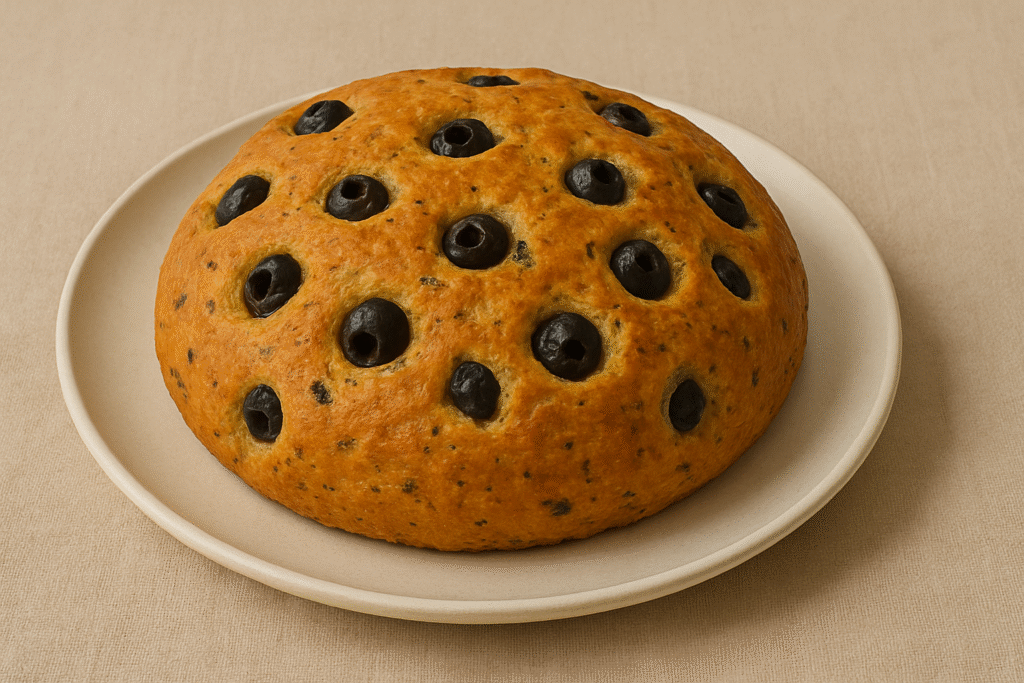
The delightful success of freshly baking bread in the kitchen is something downright endearing, and when it is the aromatic Moroccan Olive Bread that’s golden and crusty, the pleasure becomes irresistible, invested with tradition and the glow of happy times and not least, the touch of prickly anise. It is not any loaf but a slice of Moroccan everyday life that, at times, is consumed during a joint. This bread is all about the simplicity of ingredients, the warm hands of the mother and sometimes
The Moroccan Olive Bread has a Background
Bread in Morocco is not just a side, but also a part of a meal. Baking bread is almost a daily affair in the Moroccan house, and neighbours can easily take loans of yeast or exchange loaves. Olive bread is one of these variations and is very noteworthy, especially in the northern part of the country, where the olive trees cover the territory. This is a rustic and simple bread with a very slight taste of anise seeds and a sprinkle of green or black salty olives. It is something that you can tear with your own hands, dreg in argan oil or simply enjoy some piece of cheese.
This bread tells the story of gathering, sharing, and slowing down. It’s meant to be made at home — not rushed or overly fussy, just honest, beautiful bread.
Ingredients
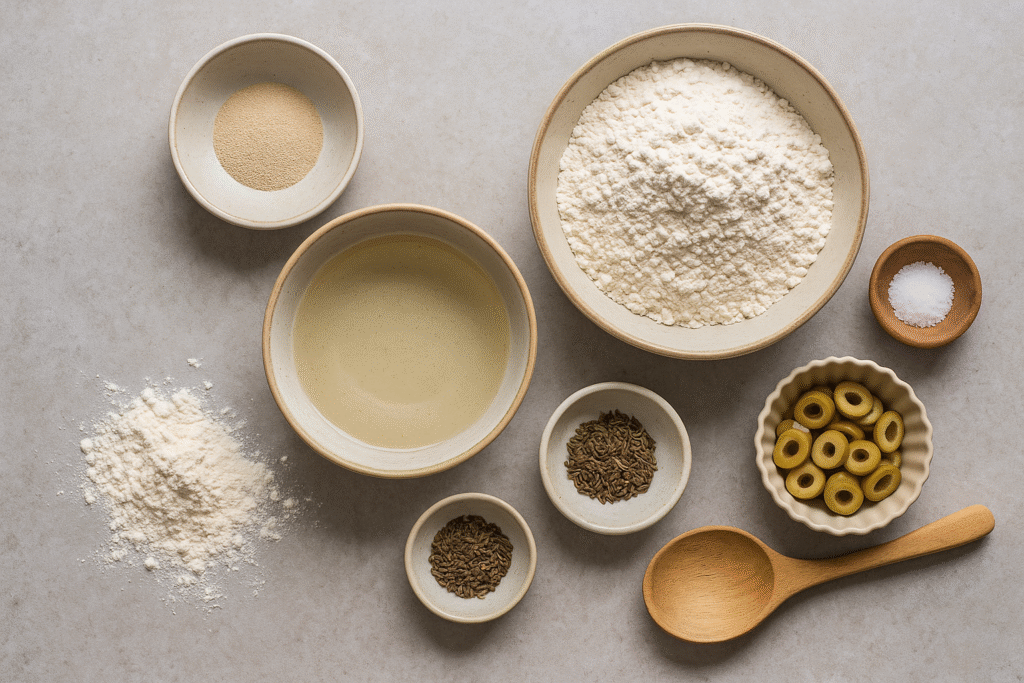
- 1½ teaspoons active dry yeast
- 1 cup lukewarm water
- 2½ cups all-purpose flour (plus extra for kneading)
- ½ teaspoon salt
- ½ teaspoon anise seeds
- 6 pitted green or black olives, sliced
Substitute Tips:
- No anise seeds? Fennel seeds will offer a similar aroma
- Run out of olives? A tangy twist can be given with Sundried tomatoes cut into small pieces
- Do you want whole wheat? Add half all-purpose flour and half whole wheat to make a meatier loaf
Instructions
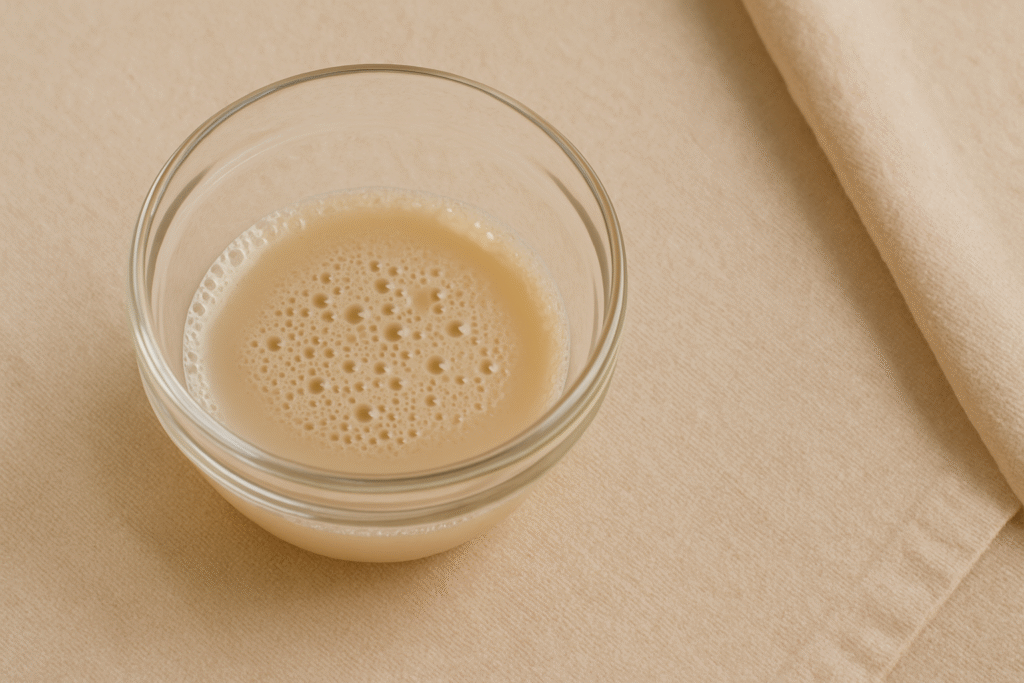
Step 1: Dissolve the yeast in a small bowl of a 4th cups of warm water. Leave it to stand about 5 minutes until it begins to bubble a little. That is the way to know that it is still alive and set
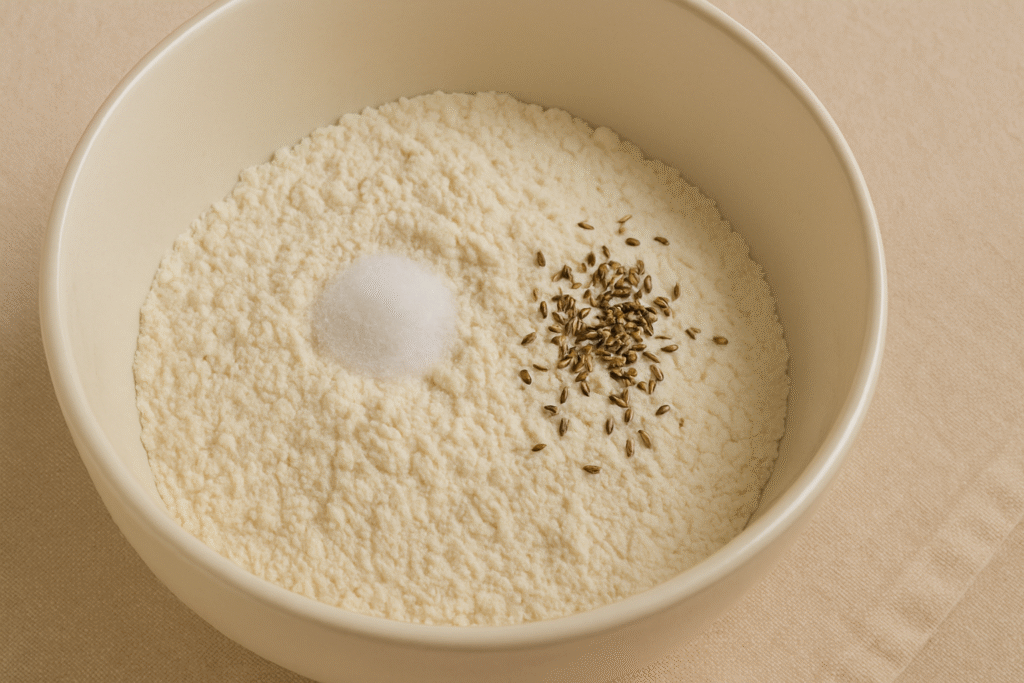
Step 2: Sift your flour into a large mixing dish. Add the salt and the anise seeds and stir
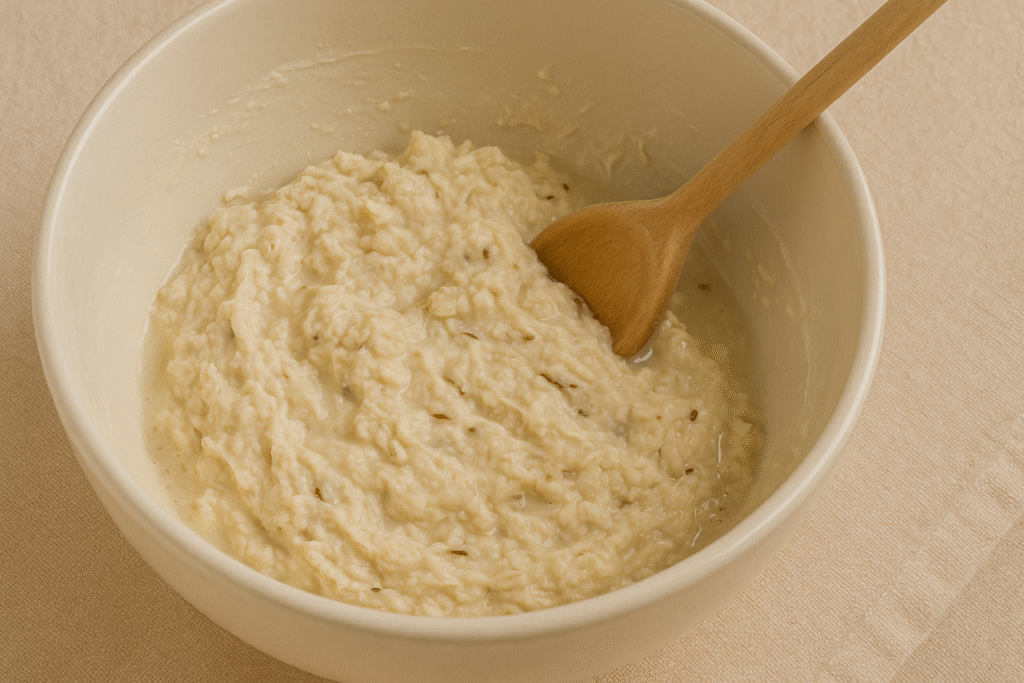
Step 3: Pour in the yeast mixture and the rest of the warm water (¾ cup). Use a wooden spoon or even your hands to bring it all together. The dough will look a bit shaggy and sticky at first — that’s okay

Step 4: Transfer the dough onto a floured surface and knead for a solid 5 to 7 minutes until it’s smooth and elastic. It should feel soft but not sticky
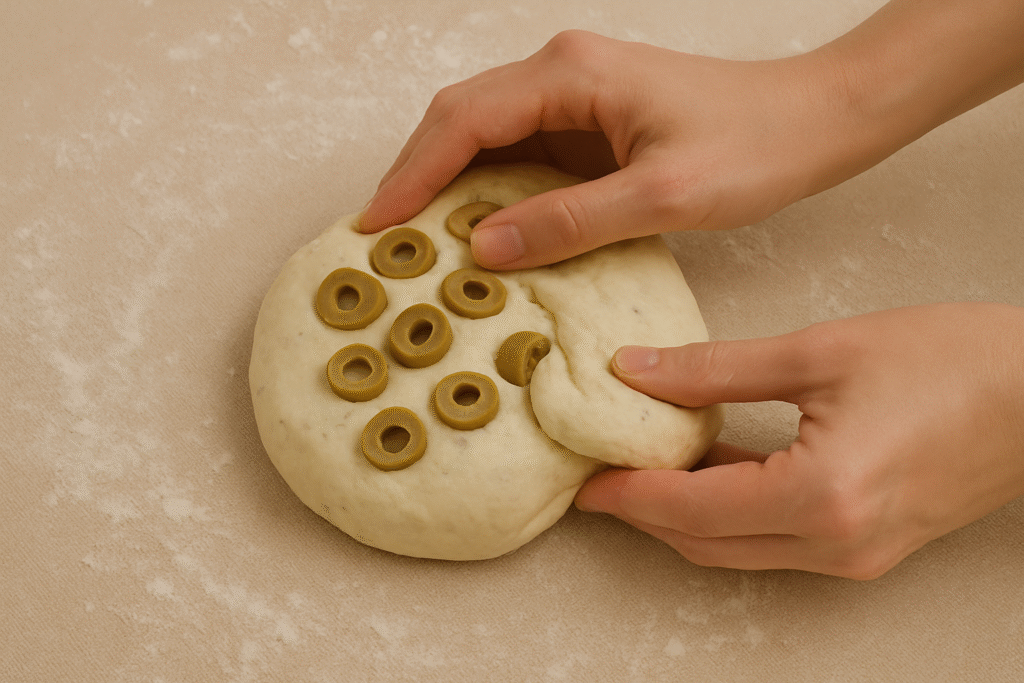
Step 5: Flatten the dough slightly and press the sliced olives in. Fold the dough over and knead gently to spread it evenly. Don’t worry if a few pop out
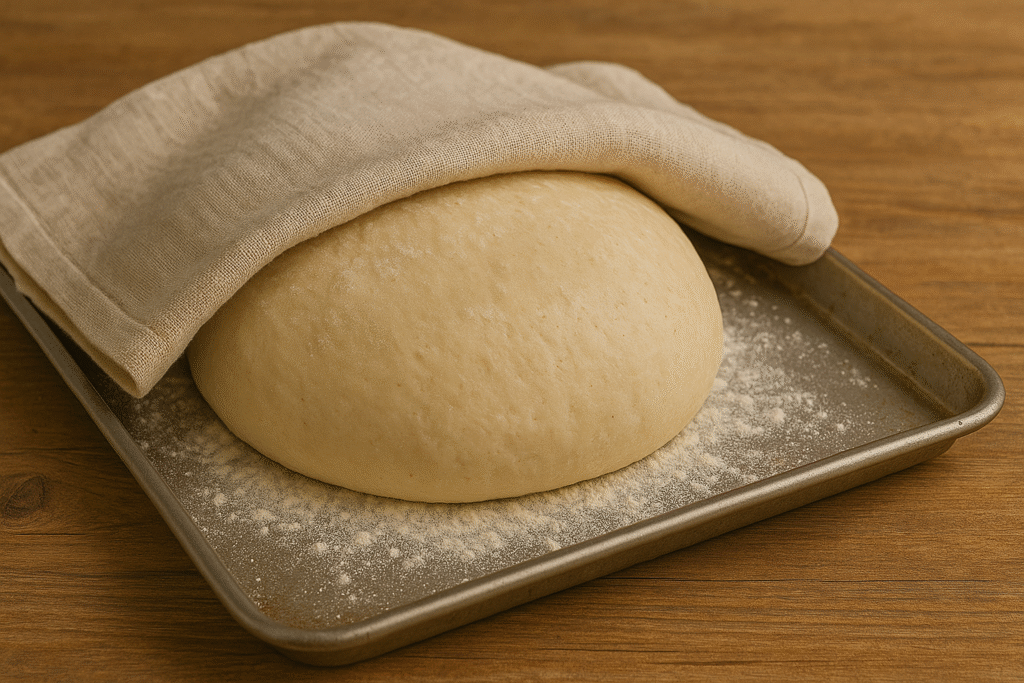
Step 6: Roll the dough into a ball and flatten it somewhat into a round shape. Put it on a floured baking tray and then cover up with a clean cloth and leave it in a warm place, approximately around 1 1/2 hours or until it has doubled

Step 7:The ravioli should be heated at 400F (200C °C). After your dough is set to rise, you should bake it in the middle of your oven, approximately 40-45 minutes. When tapped, it sounds hollow on the bottom; then it is ready
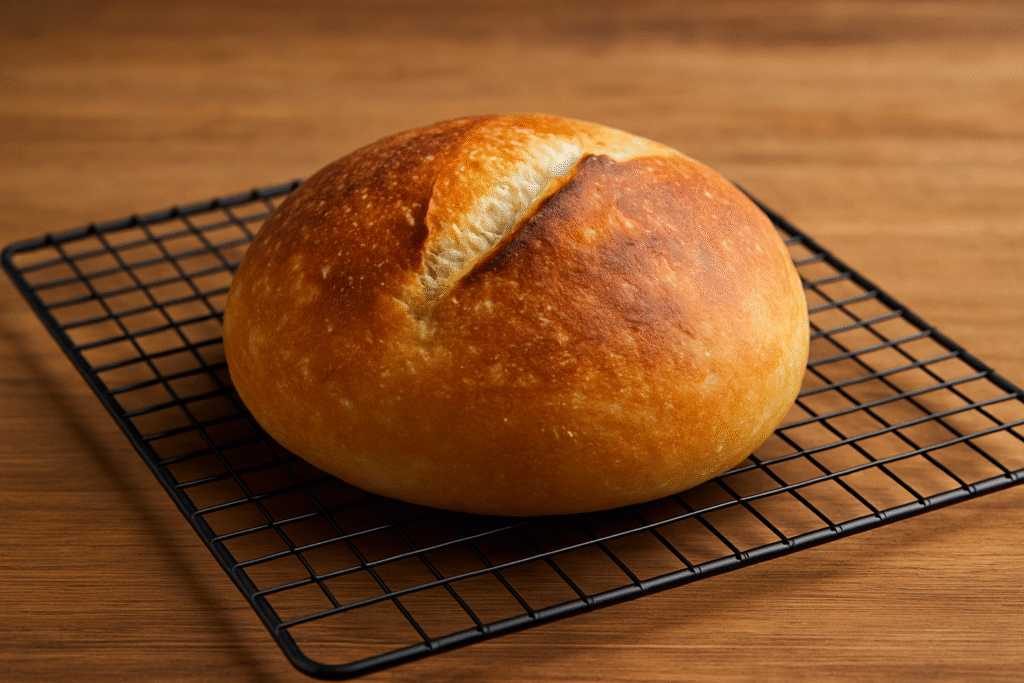
Step 8: Transfer the baked bread to a wire rack and let it rest for 10–15 minutes before slicing
Serving Suggestions
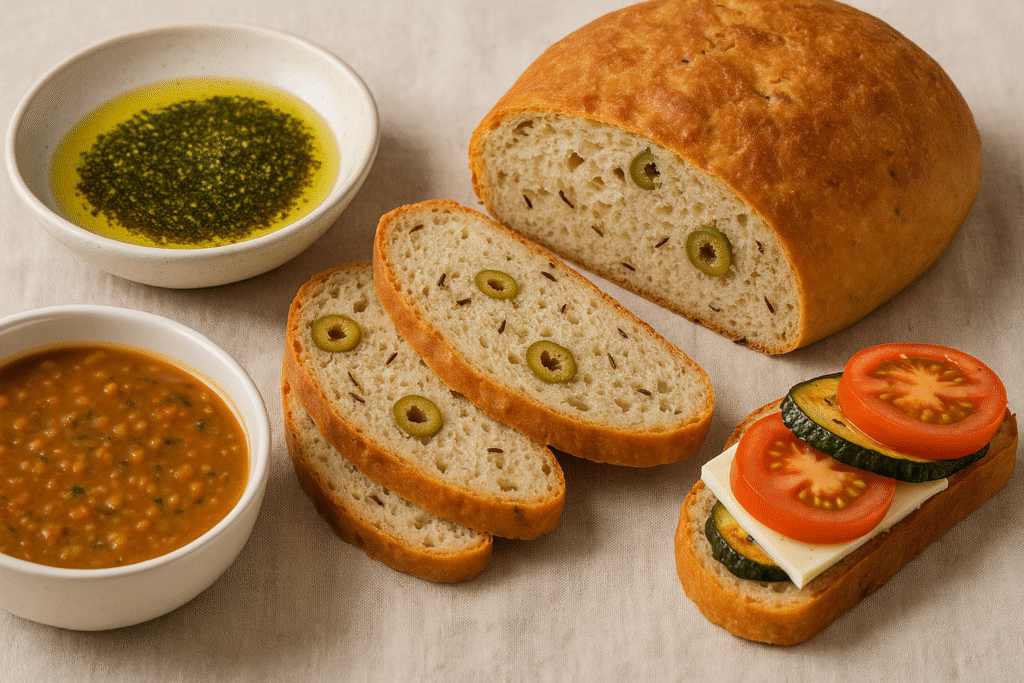
- Serve as a dipping bread with olive oil and zaatar
- Serve with lentil soup or harira to make a tasty dinner
- Excellent as sandwich bread too, with cheese, tomatoes or roasted vegetables
Precautions
- Ensure that your water is not too hot, as it will kill the yeast
- In case your kitchen is cold, put the dough in the oven and only switch the light on to make it rise
- Rushing the rising process is what makes the bread develop the extra flavour and texture
- The baked bread can be frozen. If you keep it tightly wound up, but it must first be allowed to cool, it will keep for one month
More About Olive Bread
This Moroccan Olive Bread is the type of baking that is not considered a task but a break in the day. It is straightforward yet flavoured, and regardless of being Moroccan or not, at one point or another, this bread will help you feel like home. The moment you take the first piece, that warm piece in the oven, you will see why this bread can be found in the kitchen of most Moroccan families, because it turns out that the best things are the simplest ones.