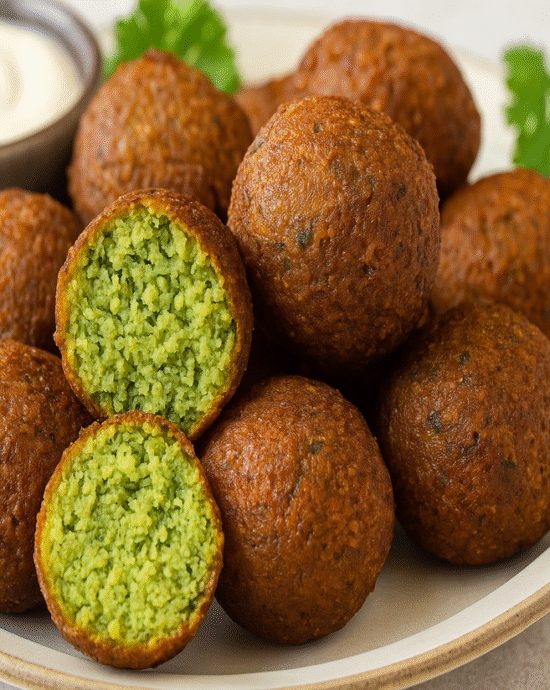

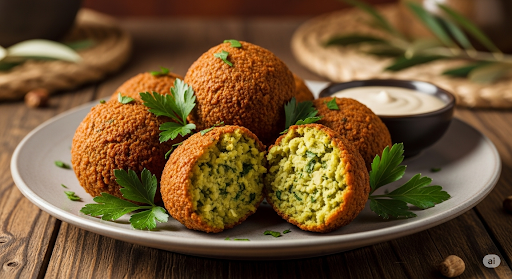
Falafel is just too good to be ignored, and it is even difficult not to enjoy the crispy outer coating as served with the soft inner of the dish mixed with a blend of assorted fragrant herbs and spices. Not only a typical snack common on the streets of the whole Middle East, but it has also become the street food of choice in any country and especially in the diet of vegetarians and vegans love it. And falafel in Abu Dhabi is served wrapped up in warm pita bread, snapped in tahini, or between fresh tabbouleh and pickles, and it comes with a cultural kiss and a hug.
Little History of the Crunch
Falafel has a disputable history. There are accounts that it actually began in Egypt, where it is believed to have been prepared with fava beans. Others claim that it originated in the Levant, where chickpeas are more popular. Whichever way, falafel has been a typical Arabic food since time immemorial; it is humble, nourishing and excellent to share. And as the years have passed, it has become one of the world’s favourites; on food trucks, restaurant menus and home kitchens all over the world
Falafel is the common culinary solution in Abu Dhabi when you need something light to eat or to include in the menu as a snack-fast, tasty, and never tiring.
Ingredients
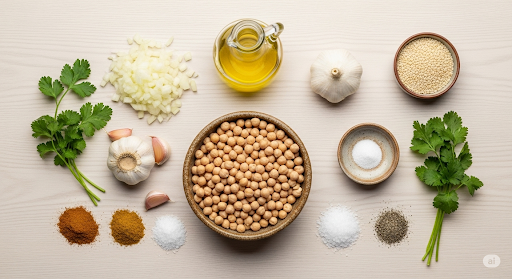
This is all you need to make homemade chickpea falafel:
- Dried chickpeas (not canned) – 1 cup
- Onion – 1 small, roughly chopped
- Garlic cloves – 4 to 5
- Fresh parsley – ½ cup, chopped
- Fresh cilantro – ½ cup, chopped
- Ground cumin – 1½ teaspoons
- Ground coriander – 1 teaspoon
- Baking soda – ½ teaspoon
- Salt – to taste
- Black pepper – to taste
- Sesame seeds (optional) – 1 tablespoon
- Deep fry oil: sufficient to carry out deep frying
Ingredient Substitutes

- Chickpeas: When in a pinch, mix dried chickpeas with pre-soaked whole fava beans. Skip the canned stuff—they’ll turn your falafel into mush
- Cilantro or parsley: Take any herb you have available. A twist can be given to it by dill or mint
- Baking soda: You may replace it with some baking powder, but increase it a bit
When to Make Falafel
Falafel is perfect for:
- A light, meatless lunch or dinner
- Serving at gatherings or potlucks with dips
- Preparation of meal-prep wraps or bowls
- An Iftar celebration during Ramadan
Instructions
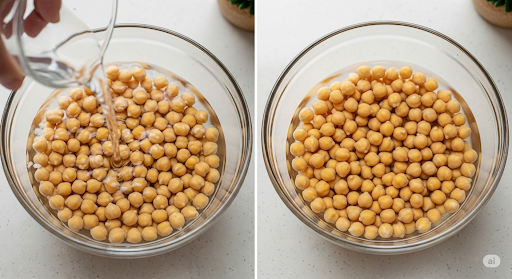
Step 1: Put 1 cup of dried chickpeas in a big bowl and add plenty of cold water over them. Leave them to soak overnight (10–12 hours). They should double in size
Drain and pat dry before using. Do not cook them

Step 2: In a food processor, mix in:
Soaked chickpeas. Finely cut onion, garlic, parsley, and cilantro. Add cumin, coriander, salt and pepper. Blitz everything until it is a grainy greenish mixture. It should hold together when pressed—don’t over-process into a paste
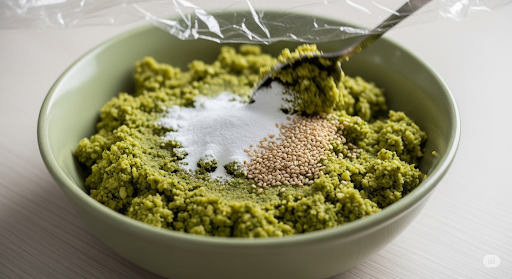
Step 3: Transfer to a bowl. Mix in baking soda and optional sesame seeds.Cover and refrigerate for 30–60 minutes. This helps the mixture bind better
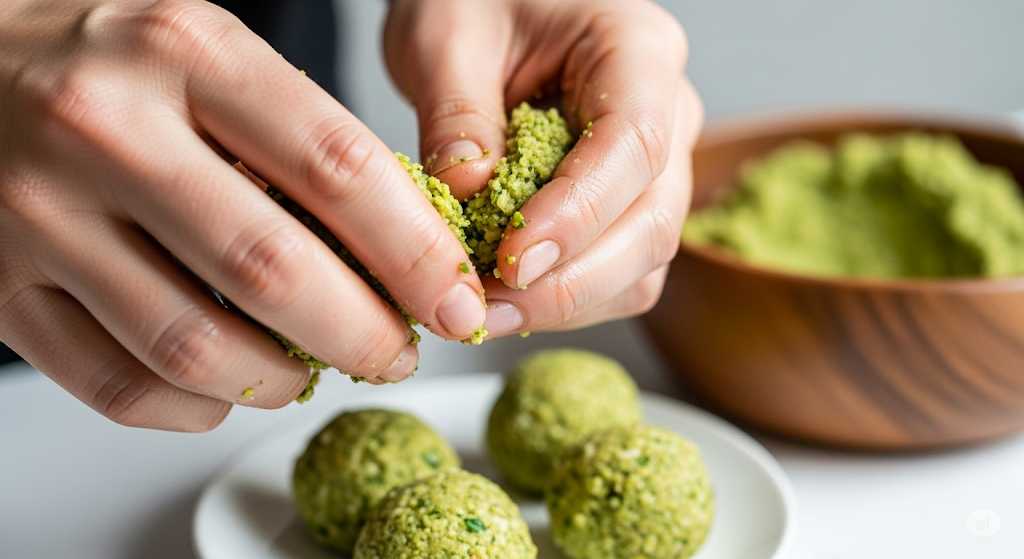
Step 4: Roll makings into tiny balls or patties (the size of a walnut) with slightly wet hands. When the mix seems too crumbly, then add 1 teaspoon of flour or drops of water

Step 5: Heat some oil in a deep pan (med-high heat). Fry a test falafel—if it sizzles violently and floats to the top like it’s desperate for air, your oil is perfectly hot. Brown in batches, gently turning until deep golden in colour (about 3-4 minutes) Remove from paper towels
Serving Tips

- Pile them hot into warm pita pockets, drizzled with tahini and stuffed with crisp salad—the only way falafel deserves to be eaten
- They’re also great in a mezze platter with hummus, baba ganoush, olives and pickles
- You can also roll them in lettuce leaves for low carb
Precautions & Tips
- And don’t really skip the soak: canned chickpeas will cause your falafel to crumble
- Do not make the oil too hot–or the outside will be burning up by the time the inside is done
- In case the mix is too soft, it could be cooled longer, or a bit of flour may be added
- Fry in batches—cramming the pan kills the heat, leaving you with sad, oil-logged falafel
More About Falafel
Falafel is not only a meal it is the taste of a bit of tradition with crispy comfort. It sounds like a task, however, one will never be able to visit spoilt versions of it again after making it at home. Regardless of its modest beginning to the streets of Abu Dhabi, falafel has become and will always be a favorite- packed with flavor, heart and a tad of delicious crispiness in every bite.