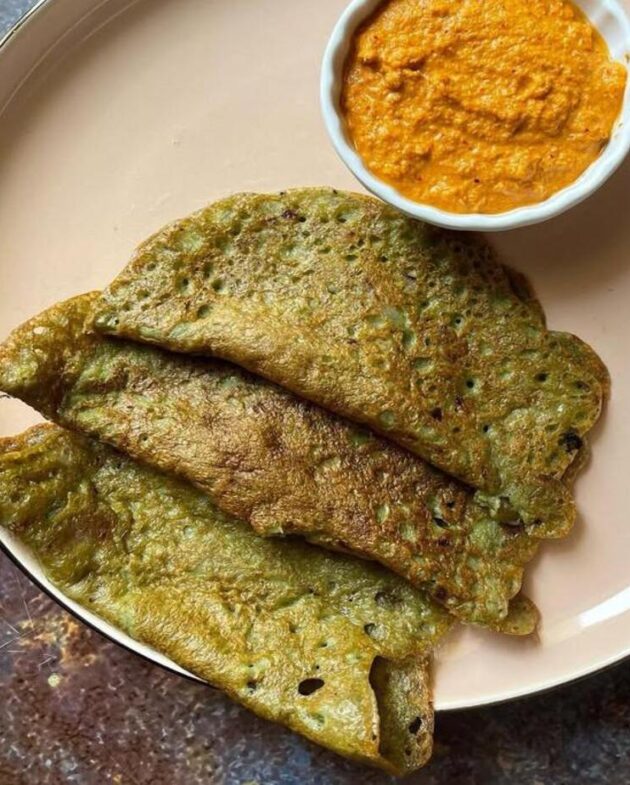



Now, when you walk through a world of Moroccan medina in the early morning, you will know one of the most recognisable scents – oil, fried dough, and a touch of sugar smell. That’s Sfinj. On the outside, crispy and golden, on the inside, soft, airy, these fritters, resembling doughnuts, are a big feature in breakfast all around Morocco. But only to refer to them as doughnuts because they possess a culture of culture, family and togetherness that cannot be measured by a snack
A Bite into the Past
Sfinj (pronounced sfeen-j) has been around for generations, long before cafes or modern bakeries were a thing in Moroccan towns. The name itself comes from the Arabic word for “sponge,” which makes sense the moment you tear one apart — it’s light, chewy, and bouncy like a soft sponge
Sfinj is believed to have originated among the Sephardic Jewish community and later became a widespread favourite across Moroccan culture. Today, it’s eaten by everyone — from street vendors selling it fresh from sizzling pots of oil, to grandmothers frying a batch on a lazy Sunday morning.
The Moroccan Fondness: How Moroccans Enjoy Sfinj
There is no one right way to eat Sfinj, and that is what makes it so beautiful. Kids will invite you to dunk it into hot mugs of mint tea, adults will rip it up and drench it with honey, and some will just sprinkle sugar over it and devour it straight off the skillet. It is a welcome meal, something that reduces your pace, something that makes you feel at home
Some people even use it as a sandwich in a piece of bread in certain cities, yes, bread in bread! It may sound weird, but it is fulfilling, as only comfort food is.
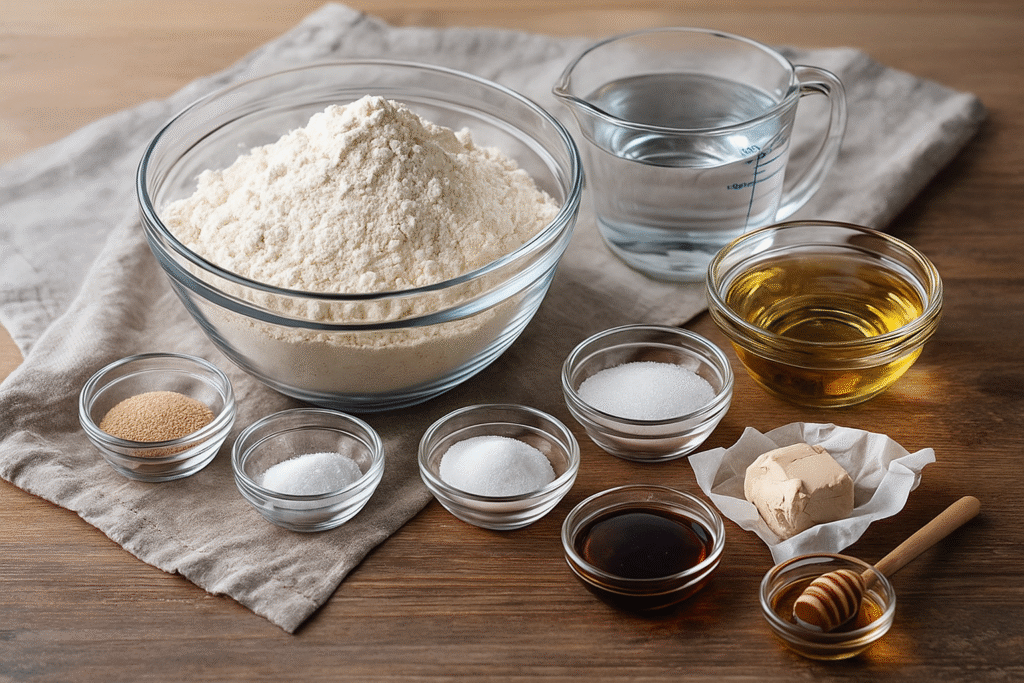
- 2 cups all-purpose flour
- 1½ teaspoons dry yeast
- ½ teaspoon salt
- 1 teaspoon sugar
- 1¼ cups warm water (adjust as needed)
- Oil for frying (vegetable or sunflower oil)
Optional Toppings
- Granulated sugar for dusting
- Honey for drizzling
Substitutes You Can Try
- No dry yeast? You can use fresh yeast — double the amount.
- No honey? Date syrup or agave is another form of sweetness to taste.
Switching to gluten-free flour is possible, but it will be less chewy and denser.
Instructions
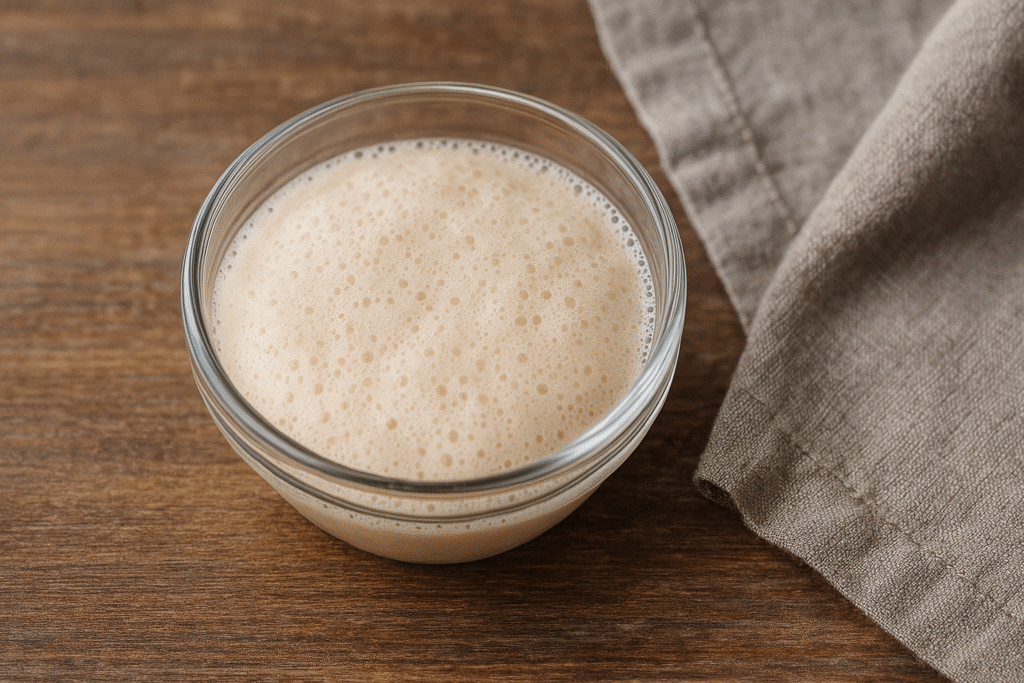
Step 1: Add warm water to a mix of sugar and yeast in a small bowl. Leave it there after 10 minutes; it should then be foamy. It may not bubble, and in it is the chance that your yeast is not fresh anymore – so do the experiment once again
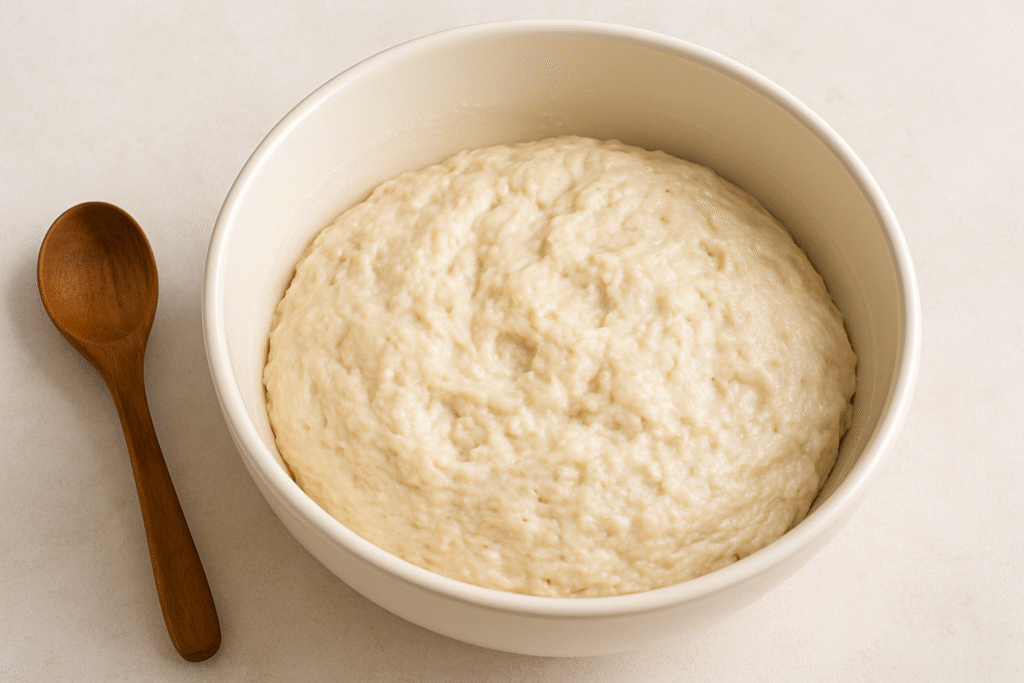
Step 2: Combine flour and salt in the large bowl. Add the yeast mixture slowly and then start mixing it. The batter will be tacky -that is a plus! Do not knead it too much: simply make it together. It can be eaten using a spoon or by hand (wetting the fingers would help)
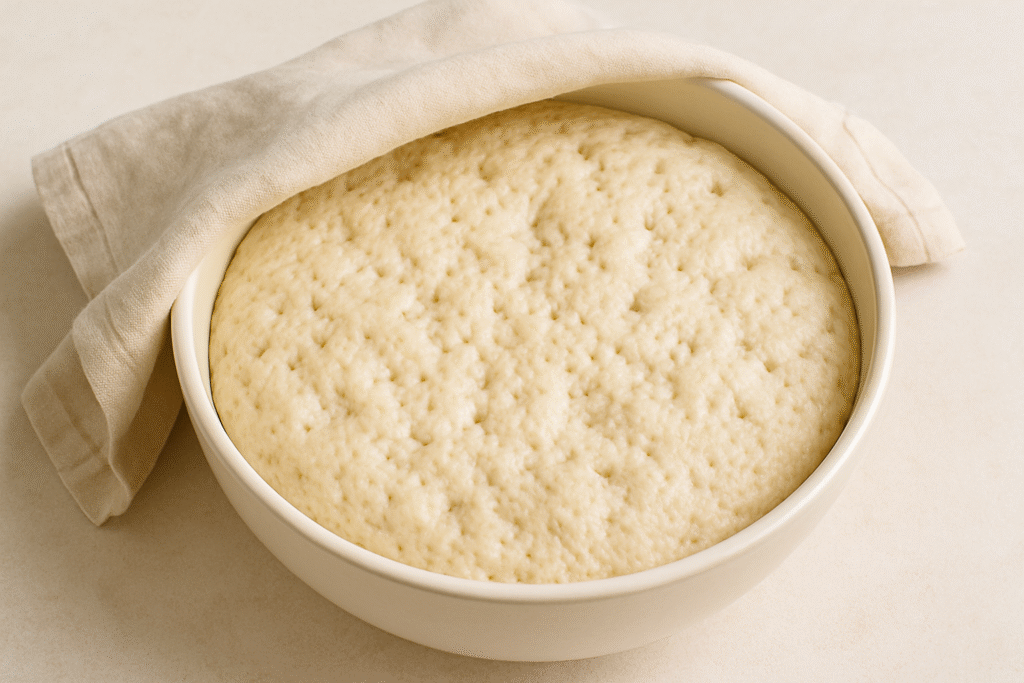
Step 3: Put a clean cloth or plastic wrap on the bowl. It will need to rise somewhere warm for at least 1.5 to 2 hours, until doubling in size and being bubbly and airy
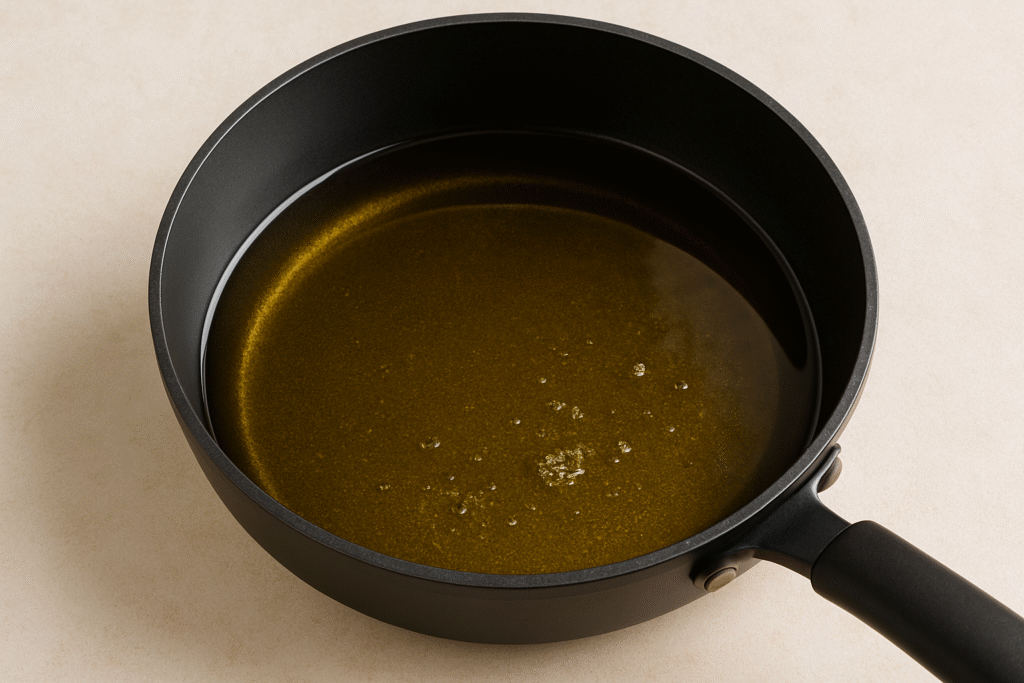
Step 4: In a deep frying pan or pot, take oil and then heat it over medium heat. You want enough oil to submerge the sfinj halfway at least
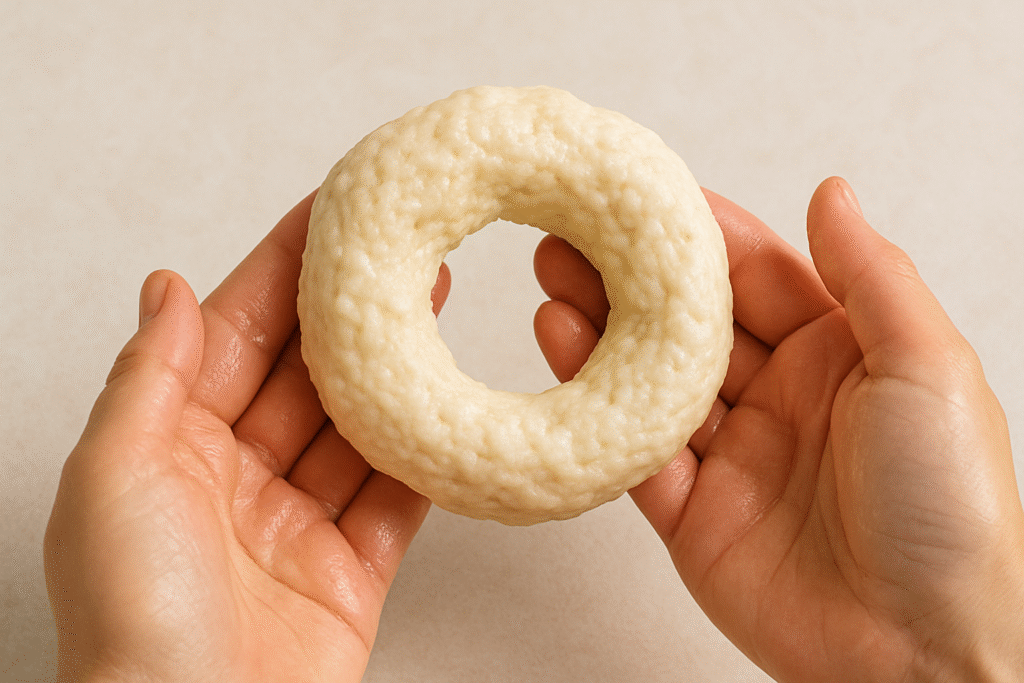
Step 5: Wet your hands, grab a small piece of dough (about the size of a small lemon), and stretch it into a ring — it doesn’t have to be perfect. Imperfections give Sfinj its charm
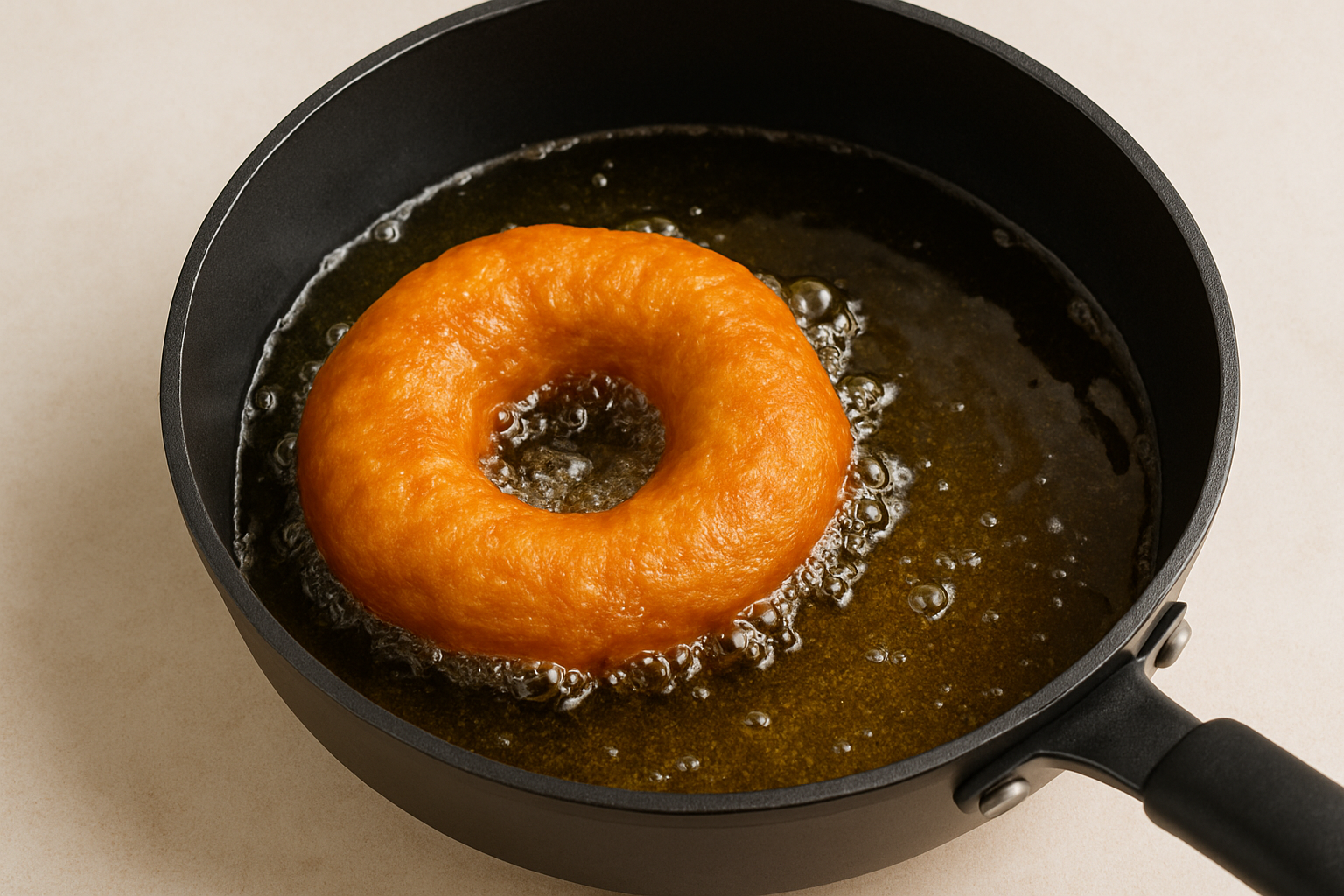
Step 6: Slowly drop the shaped dough into the heated oil. Brown on both sides in frying. This normally takes a time around 3 to 4 minutes on each side. The pan should not be overfilled; do it in batches

Step 7: Lift up with a slotted spoon and put on paper towels. When hot, sprinkle it with sugar or drizzle it with honey for more flavour
Serving Tips
- Serve Sfinj fresh and hot. That’s when the texture really shines
- It is more pleasurable when served with sweet mint tea (Moroccan style) or even with a cup of strong coffee
- When hitting a batch in advance, reheat in the oven; microwaving will dry it out to a no-no, or take back that chew
Precautions
- Don’t skip the rising time. It gives Sfinj its soft, airy inside
- Use wet hands when shaping. It keeps the dough from sticking
- Oil should be hot but not smoking. Too cool, and they’ll soak oil; too hot, and the outside will burn before the inside cooks
More About Sfinj
Sfinj is not just a treat; it is a small enclosure of community. It seems no matter where you are getting it, whether you buy one in the souk or fry your own at home with your children, there is something enormously comforting about this golden ring of goodness. And when you make them once, you are going to make them again, not only because they are so tasty, but also because they are accompanied by good memories.

Anjali Raj Singh
I am a food writer and culinary content creator specializing in global cuisines, traditional recipes, food culture, and cooking techniques. Through extensive research and hands-on recipe analysis, I create accurate, informative, and engaging content that helps readers explore authentic dishes from around the world. My work covers recipe development, food history, ingredient guides, restaurant features, and culture-driven culinary stories.
At Foods Around the World, I focus on delivering well-researched, reader-friendly, and SEO-optimized content that reflects the traditions, flavors, and culinary heritage behind each dish. Every article is carefully reviewed for accuracy and relevance, ensuring readers can discover trusted recipes, cooking insights, and food experiences from diverse cultures worldwide.