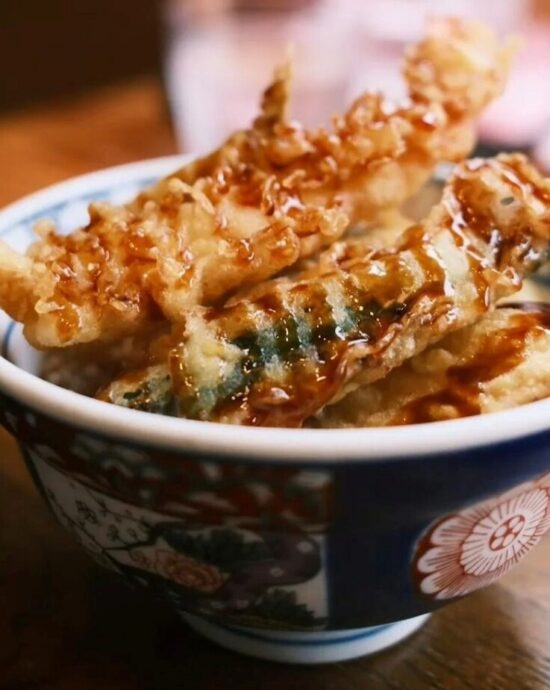

A Japanese culinary masterpiece remains incomplete without vegetable tempura. This Japanese delight is so tempting that hardly anyone can resist having it. Nicely coated in a flour batter and deep-fried, the veggies cook perfectly from the inside and give a superb taste. The cooked vegetables add natural sweetness to the dish. Pairing this dish with grated daikon makes it more tempting. Before sharing the recipe, you must know that making tempura is tough.
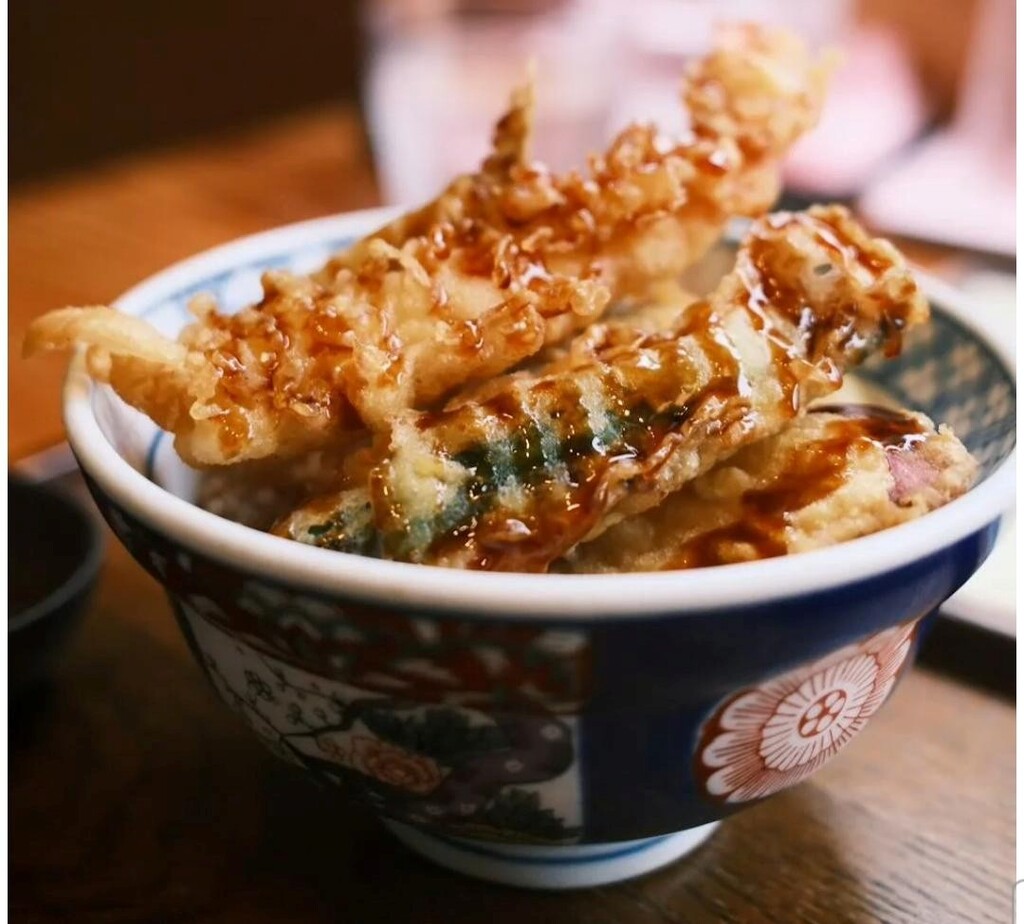
What is Tempura?
Making a perfect tempura is so challenging that sometimes even chefs cannot make it error-free. Hence, if your homemade tempura does not turn perfect, do not feel like a failure. With practice and concentration, you can surely make restaurant-style tempura at home. Your prime focus should be on making crispy tempura. So, let us unlock the key to making crispy tempura at home with minimum errors.
Batter consistency and temperature regulation are prime in making the tastiest tempura. Your batter should be perfect- neither too runny nor too dense. If it is watery, you won’t get a fluffy and crispy tempura. If it is too thick, it feels as if you are eating cooked flour. Mix an equal amount of flour and water to prepare the batter. And yes, there is a technique to mix tempura batter, i.e., with chopsticks. Use a chopstick, mix this batter for around one minute, and do not leave this batter lump-free. In this batter, lumps are acceptable. Lastly, the tempura batter must be ice-cold. Prepare the batter and refrigerate it. Remove them before frying.

I received several comments asking which oil I use for frying tempura. I mostly use sesame oil to deep-fry tempura. However, you may combine varying oils to give your tempura an authentic taste. Most Japanese eateries serving authentic tempura use this technique. Hence, you may either use sesame oil or adopt this Japanese technique. Once you add frozen tempura to the oil, the temperature will decrease. Thus, warm the oil nicely before adding tempura.
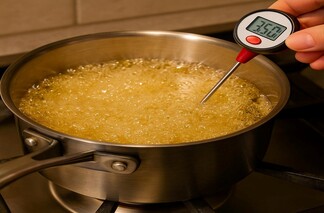
The challenging task when making tempura is frying them. Temperature regulation is prime in frying tempura, and if you are unsure whether the oil’s temperature is moderate or not, I suggest you use a thermometer. Do not overcrowd your frying pan with uncooked tempura. I suggest you fry not more than four tempura at a time. If you add too many tempura at once, the temperature will decrease. Similarly, if the oil turns too warm, add fresh oil to reduce the temperature.
Ingredients
Yields up to around two servings
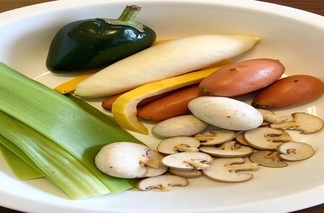
- 1 Chinese or Japanese eggplant
- 1 Japanese sweet potato
- 1/8 kabocha squash
- 4 shiso leaves
- 2 inches lotus root
- 2 king oyster mushrooms
For the batter
- ¾ cup+4 teaspoon chilled water
- 50 grams chilled egg without shell
- 1 cup chilled flour

For the sauce (Tentsuyu)
- ¾ cup dashi
- 2 Tablespoon mirin
- 3 tablespoons soy sauce
- 2 teaspoon sugar
For frying tempura
- Flour (For sprinkling in the shiso leaves)
- 4 cups neutral oil
For serving
- 2 inches grated daikon radish
Before directing you to the steps in making crispy tempura, I suggest you use proper measurement, as the accurate measurement is key to perfectly cooked tempura.
Directions to Make Tempura
First, let’s begin with the sauce:
- To prepare this appetizing sauce, add dashi, mirin, soy sauce, and sugar to a pan and let it simmer. Once it starts boiling, reduce the flame and let it cook until it thickens. Your sauce is now ready.

- Keep tentsuyu (sauce) aside and gather the veggies.
- Cut a Japanese sweet potato into a round shape and leave it in water for around half an hour.
- After half an hour, remove the sweet potatoes from the water and dry them. Your veggies must be dry before frying, or they will release moisture, and your tempura will become soggy and won’t fry well.
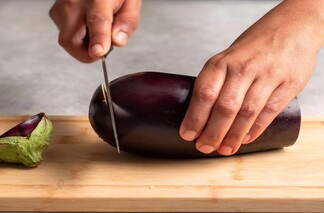
- Cut a large eggplant, remove its calyx and stem, and slice it into thin pieces.
- Now, your ingredients are ready. Pour around 4 cups oil into a pan and preheat it to around 160°c. To check whether oil is ready for deep-frying, you can use chopsticks. Dip them in oil. If you see bubbles, your oil has warmed, and now you can fry tempura.
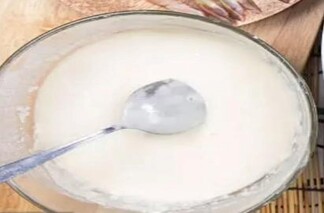
- Combine flour, one large egg, and ice-cold water, and whisk it properly. Using chopsticks, mix this batter until it smoothens. This batter must remain chilled until you drop it on hot oil. Thus, keep mixing ice cubes into the mixture.
- When the oil warms, fry lotus root and sweet potatoes for 5-7 minutes at around 165°c.

- When fried, remove the lotus root and sweet potatoes, reset the oil temperature to around 175°c, and fry eggplant, kabocha, and mushrooms for around two minutes. Lastly, fry the shiso leaves for around thirty seconds. After dusting flour on the underside of the leaf, fry the shiso leaves for thirty seconds.
Note: Place the underside of the leaf in the oil.
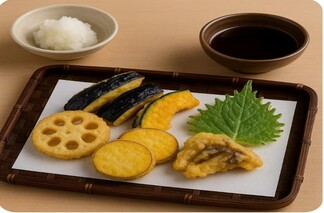
- Once fried, place the veggies on the serving tray.
- Your tempura is almost ready. To make the dish look presentable, serve it with grated daikon radish and tentsuyu.